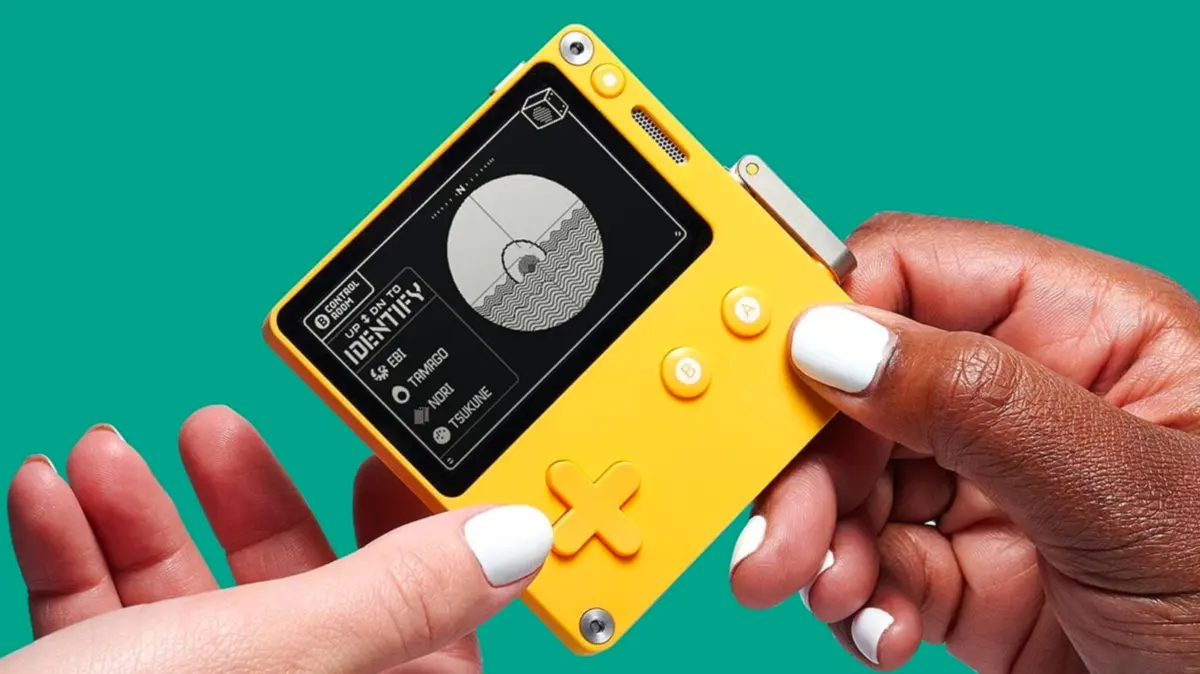
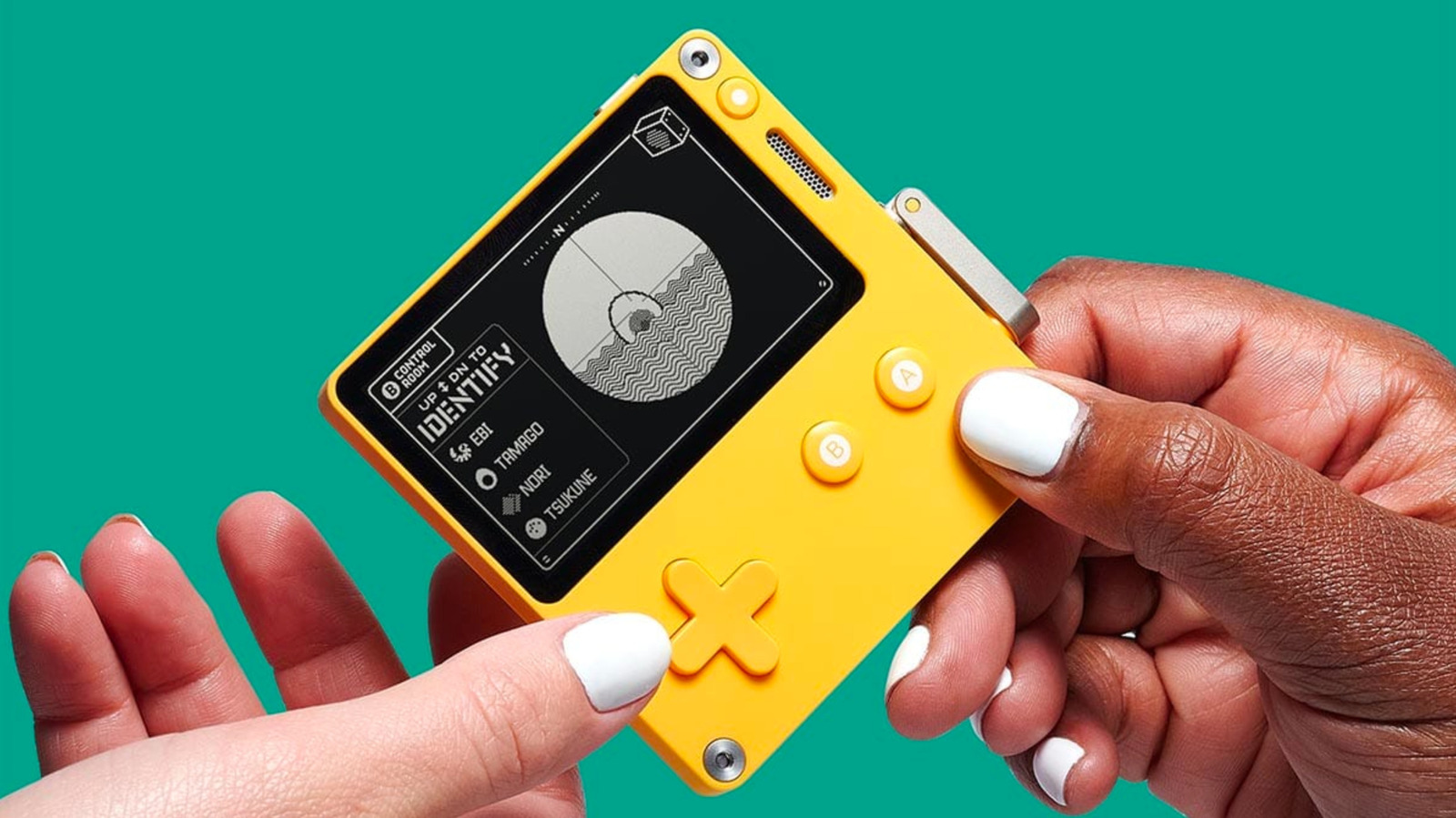
In an extraordinary demonstration of corporate transparency and consumer advocacy, software publisher and boutique hardware manufacturer Panic has announced that it will fully refund United States tariff fees collected from owners of its iconic, crank-equipped handheld console, the Playdate. The decision follows a landmark February 2026 Supreme Court ruling that struck down the sweeping import tariffs imposed during the Trump administration’s initial trade regime, declaring the policy unlawful.
While major multinational conglomerates—including retail giants and console manufacturers—face a rising wave of class-action lawsuits for retaining millions in collected import fees, Panic has chosen a radically different path. Rather than absorbing the recovered capital into its corporate balance sheets as unexpected profit, the indie developer is returning the money directly to the consumers who bore the financial burden at checkout.
This move sets a high ethical standard in the consumer electronics industry, sharply contrasting with the silence and resistance exhibited by larger firms. As legal battles continue to mount across the retail and gaming sectors, Panic’s decision offers a masterclass in customer relations, proving that even small companies can prioritize consumer trust over windfall gains.
Detailed Chronology: From Tariff Imposition to Supreme Court Ruling and Refunds
The saga of the Playdate tariff refunds is rooted in a complex timeline of trade policy shifts, federal litigation, and arduous backend financial processing. To fully understand the significance of Panic’s actions, one must trace the events that led to the collection and subsequent return of these disputed fees.
The Implementation of the Tariff Regime
Under the initial trade policies enforced by the Trump administration, electronics manufactured overseas and imported into the United States were subjected to aggressive, wide-ranging tariffs. Panic, like countless independent and enterprise-level hardware manufacturers, faced a harsh economic reality: the cost of importing its whimsical, yellow handheld consoles from overseas factories spiked dramatically.
To maintain business viability without crushing its profit margins, Panic elected to pass these government-mandated fees directly to the end consumer. When customers purchased a Playdate, a specific tariff line item was added to the checkout total—treated by the company much like a sales tax or a mandatory import duty. For early adopters and subsequent buyers alike, this meant paying a substantial markup—peaking at a 19 percent tariff fee—to get the device shipped to their doorsteps.
The Legal Challenge and Supreme Court Decision
For years, the legality of the administration’s sweeping tariff authorities remained a subject of intense debate among trade lawyers, industry lobbyists, and federal judges. A coalition of businesses, trade groups, and affected parties challenged the executive branch’s statutory authority to levy such broad, global duties without explicit congressional authorization.
The legal battle culminated in a definitive verdict in February 2026, when the United States Supreme Court ruled against the administration, declaring the global tariff regime unlawful. The ruling invalidated the legal basis for the duties, opening the floodgates for companies that had paid the fees under protest—or simply absorbed them—to petition the federal government for reimbursement.
Navigating the Refund Pipeline
For Panic, securing the refund from the federal government was only the first hurdle. According to the company’s official help center documentation, Panic officially halted the application of its 19 percent tariff fee to new orders on April 21, once the implications of the legal landscape became clear and alternative compliance measures were established.
However, translating a government reimbursement into individual consumer payouts required extensive logistical maneuvering. Panic had to successfully apply for and collect its own bulk refund from Uncle Sam before building a custom internal payment-processing system capable of securely returning the exact sums to the specific group of Playdate owners who had shouldered the extra costs.
By August, that system was fully operational, and eligible customers began receiving notification emails informing them that their money was on its way back.
Supporting Context & Metrics: The Consumer Electronics Industry vs. Panic
Panic’s decision to disburse refunds highlights a glaring dichotomy in the modern consumer goods market. While the indie publisher’s hardware footprint is minuscule compared to tech titans, the financial principles at play apply universally across international supply chains.
The Scale of the Playdate Impact
The Tariff Rate: Playdate buyers faced up to a 19 percent tariff surcharge added directly to their online checkouts.
The Transition Point: Panic permanently ceased adding the tariff line item to new orders on April 21.
The Processing Window: It took approximately six months from the Supreme Court’s February ruling for Panic to audit, secure, and deploy its customer-facing refund architecture by August.
Industry Silence and Corporate Retatining
Panic’s proactive approach stands in stark isolation. The vast majority of electronics manufacturers, logistics firms, and digital marketplaces that passed tariff costs onto consumers have remained entirely silent regarding consumer restitution.
When the federal government collects unlawful tariffs and subsequently returns those funds to corporations following a judicial mandate, the money represents a windfall. For publicly traded corporations and massive private enterprises, returning these funds voluntarily is virtually unprecedented. Companies typically argue that processing millions of micro-transactions to refund individual buyers is cost-prohibitive, or that the retail price paid at the time of purchase constituted a legally binding contract independent of underlying supply chain taxes.
The Rising Tide of Litigation
Because corporations have largely declined to voluntarily reimburse their customer bases, consumers and legal firms have taken matters into their own hands. A wave of high-profile class-action lawsuits has swept across the United States technology and retail sectors:
Amazon: Facing a class-action lawsuit alleging unjust enrichment and failure to refund consumers for unlawful tariff-related price inflations embedded in marketplace goods.
Sony: Hit with similar class-action litigation accusing the PlayStation maker of effectively pocketing tariff-related price hikes long after the legal framework underpinning those fees faced intense scrutiny.
Nintendo: Caught on multiple fronts. Not only has Nintendo actively sued the U.S. government over the trade policies, but the company is also facing consumer-led lawsuits demanding that tariff-related cost burdens be returned to devoted fans who purchased hardware like the Nintendo Switch under inflated pricing models. (While legal experts note that consumer lawsuits against hardware makers face steep procedural hurdles, the reputational damage is significant).
Official Statements and Industry Reactions
The human element behind Panic’s corporate policy is perhaps best encapsulated by the direct statements issued by its leadership team. In an era where corporate communications are heavily sanitized by public relations departments and legal counsel, Panic’s messaging was refreshingly blunt.
In an email dispatch sent directly to Playdate owners to announce the incoming financial restitution, the company laid out its reasoning with radical clarity:
"When you ordered from us, we charged you for the tariff we were being charged by the US government for every Playdate we manufactured. We treated it like any other tax, and passed it along as a line item at checkout."
Expanding on this philosophy in an interview with industry publication Game Developer, Panic CEO Cabel Sasser delivered a quote that has since reverberated across social media and developer forums:
"It’s just not our money to keep, and it felt really good to give it back. That’s an easy way to know you made the right decision."
This sentiment strikes at the core of the indie ethos that has long defined Panic—a company originally renowned for Mac software like Transmit and Coda before expanding into indie game publishing (Firewatch, Untitled Goose Game) and bespoke hardware engineering. By treating their customer base as a community of partners rather than a captive market to be squeezed for every possible margin, Sasser and his team have galvanized immense brand loyalty.
Industry analysts have noted that while Panic’s hardware volume (numbering in the tens of thousands of units) made a comprehensive manual and systemic refund feasible in a way it might not be for a company shipping tens of millions of units, the intent remains the differentiator. Larger corporations possess automated enterprise resource planning (ERP) systems far more sophisticated than Panic’s; if corporate leadership possessed the will to return unlawful tariff revenues, the technical infrastructure to execute it already exists.
Future Outlook: Precedents, Consumer Rights, and Industry Accountability
The ripple effects of the Supreme Court’s February 2026 tariff ruling and Panic’s subsequent refund initiative are expected to shape corporate governance, consumer protection expectations, and trade litigation for years to come.
Will Other Companies Follow Suit?
In the short term, it is highly unlikely that major consumer electronics conglomerates will voluntarily adopt Panic’s playbook. The financial stakes for multi-trillion-dollar retailers and console manufacturers involve sums in the tens or hundreds of millions of dollars. For these entities, surrendering recovered tariff funds without a court order represents an unacceptable forfeiture of shareholder value, regardless of the ethical optics.
However, the ongoing class-action lawsuits targeting Amazon, Sony, Nintendo, and other major importers may force the courts to establish a legal precedent. If plaintiffs successfully argue that passing temporary, unlawful government taxes as explicit line-item fees creates a fiduciary or quasi-contractual obligation to refund those monies if the tax is struck down, the legal landscape for future import duties could change forever.
The Evolution of Consumer-Brand Trust
As e-commerce and global supply chains remain vulnerable to geopolitical volatility, shifting trade policies, and executive-branch tariff decrees, consumers are becoming increasingly sophisticated regarding how global macroeconomic events impact their personal wallets.
Panic’s gamble—if it can even be called a gamble—proves that radical transparency pays long-term dividends. By transforming an administrative refund into a profound PR victory, Panic has cemented the Playdate’s legacy not just as a charming, crank-driven novelty, but as a product backed by a company with integrity.
As the legal dust settles on the unlawful tariff regime of the 2020s, the consumer electronics industry will be left with a clear demarcation line: on one side stand the corporate giants hunkered down behind legal defenses, fighting tooth and nail to retain every disputed dollar; on the other stands an indie publisher in Portland that looked at a pocketful of government-reimbursed cash, decided it didn’t belong to them, and mailed it back to the fans who made their dream a reality.