Executive Overview
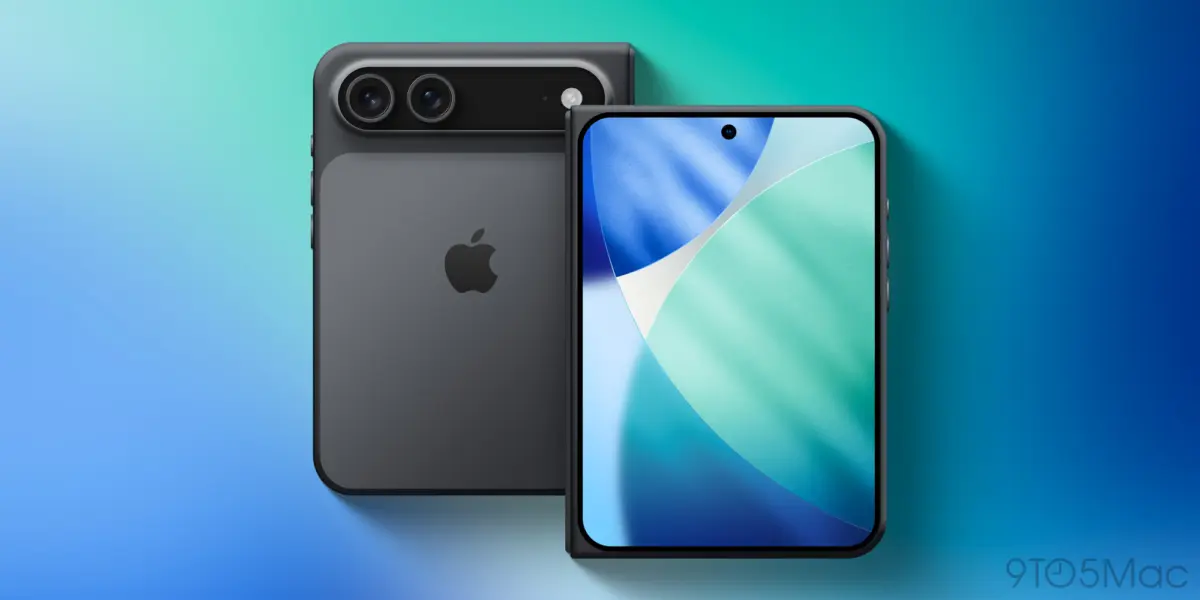
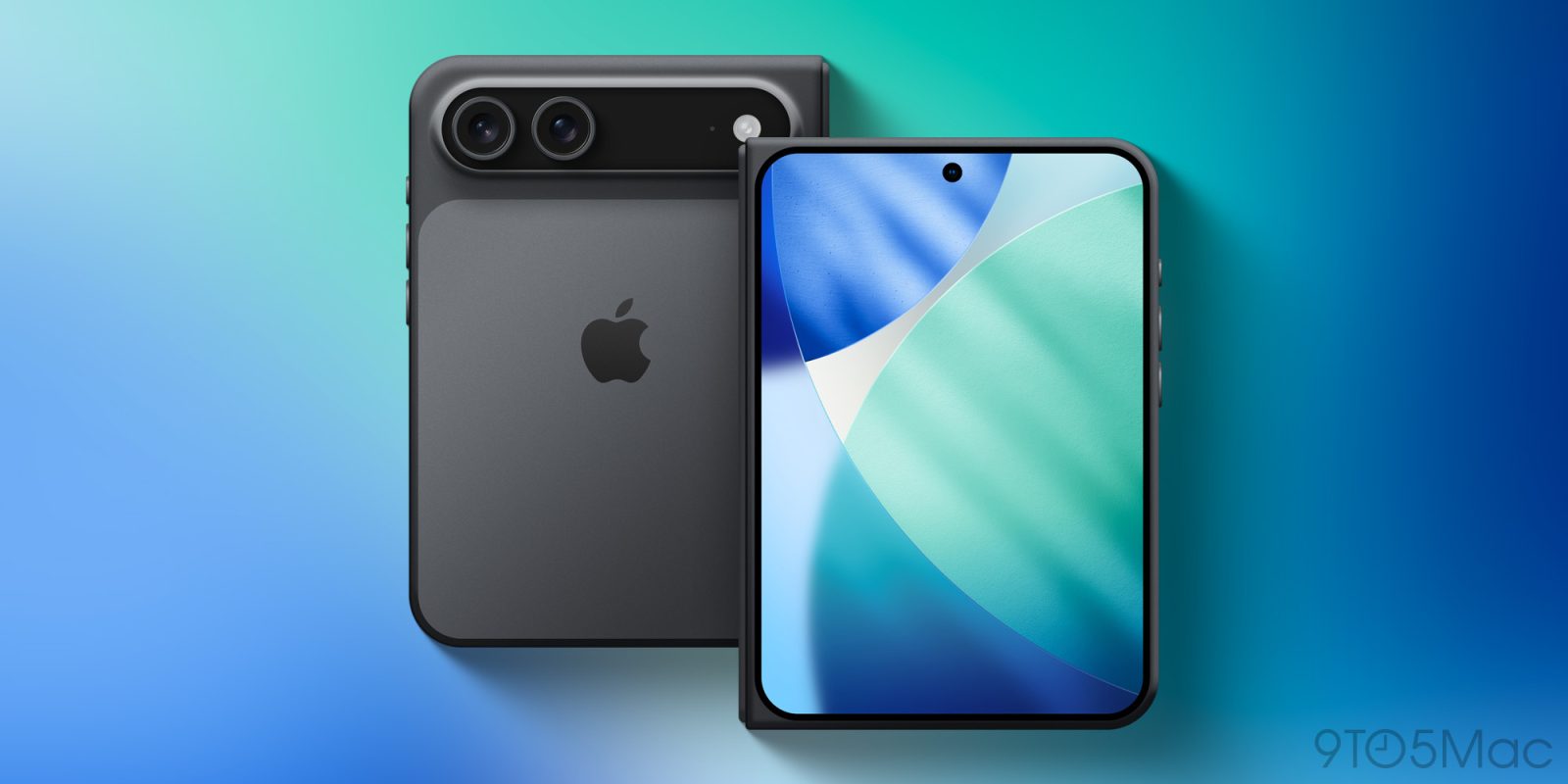
As the consumer technology landscape prepares for what may be its most consequential hardware shift in nearly a decade, all eyes are turning toward Cupertino. Apple is widely anticipated to officially unveil its long-rumored, book-style foldable iPhone—unofficially dubbed by industry watchers as the "iPhone Ultra"—at a special media event slated for September 9. Bearing an expected eye-watering price tag of approximately $2,500, the device represents a bold bet on the upper echelon of the luxury smartphone market.
Despite initial consumer skepticism regarding the utility, durability, and cost of foldable devices, major market research firms are signaling a dramatic paradigm shift. According to recent reports from Bloomberg citing data from the International Data Corporation (IDC), Apple is projected to ship an impressive more than 10 million units of its premier foldable device during its first year of availability.
This monumental sales projection underscores the sheer pull of the Apple ecosystem. Even in a niche category historically plagued by high prices and slower-than-expected mainstream adoption, the entry of the iPhone maker is poised to single-handedly rescue the foldables market from stagnation. Industry analysts argue that Apple’s arrival will not only validate the book-style form factor—which features a passport-like aspect ratio similar to Samsung’s competing Galaxy Z Fold series—but will permanently alter global smartphone market share dynamics for the remainder of the decade.
Detailed Chronology of the Anticipated Release
The path to Apple’s anticipated September 9 "Surprise and Shine" event has been paved by years of whispered prototype testing, patent filings, and supply chain adjustments. While competitors like Samsung, Google, and OnePlus have iterated through multiple generations of foldable hardware since roughly 2019, Apple has notoriously taken a patient, observational approach to the technology.
The Rumor Mill and Supply Chain Preparation
For years, supply chain analysts have tracked components moving through Asian manufacturing hubs, pointing toward an inevitable Apple folding device. Early speculation suggested a hybrid iPad-iPhone device, but consensus eventually settled on a horizontal, book-style folding mechanism. This design choice prioritizes a sprawling internal display that folds down into a pocketable, traditional outer screen format.
By mid-2025, industry leaks intensified, indicating that Apple had locked in hinge designs and display panels capable of minimizing the dreaded center crease. Throughout early 2026, anticipation hit a fever pitch as component orders scaled up.
The Official Event Announcement
In late August 2026, Apple made it official by sending out media invites for the September 9 "Surprise and Shine" showcase. While the company maintained its trademark secrecy regarding exact product specifications, the tech world universally agrees that the headline act will be the introduction of the iPhone Ultra.
With a projected retail cost hovering around $2,500, the device will easily surpass any standard iPhone tier in history, targeting ultra-enthusiasts, high-net-worth consumers, and enterprise executives looking for ultimate productivity on the go.
Supporting Context & Metrics: Market Dynamics and Competitive Landscapes
To truly understand the gravity of IDC’s 10-million-unit projection, one must examine the broader macroeconomic state of the foldable smartphone market prior to Apple’s entrance.
The Ascendancy of Book-Style Form Factors
For several years, foldable phones were split between vertical flip phones (clamshells) and horizontal book-style foldables. However, consumer preferences have decisively shifted. According to recent forecasts by Counterpoint Research, book-type devices are projected to account for a staggering 76% of global foldable smartphone shipments in 2026, a massive leap from just 52% in 2025.
This shift toward productivity-oriented book formats aligns perfectly with Apple’s hardware strategy, positioning the iPhone Ultra to capture maximum demand from users seeking tablet-like screen real estate in a portable phone chassis.
Challenging the Status Quo: Samsung’s Shrinking Share
For years, Samsung has enjoyed an almost unchallenged hegemony in the foldable space, pioneering the market with its Galaxy Z Fold and Z Flip product lines. The newly released Samsung Galaxy Z Fold 8—featuring a passport-like aspect ratio strikingly similar to Apple’s rumored design—starts at a hefty $1,899 for the 256GB storage and 12GB RAM configuration.
Despite Samsung’s head start, market share erosion is coming. Counterpoint Research data highlights that Samsung dominated 2025 with a commanding 40% share of the foldable market. However, that figure is projected to contract to 32% in 2026 as Apple storms out of the gate to capture an estimated 25% of all foldable shipments in its debut year alone.
Metrics Comparison at a Glance
- Book-Style Market Share (2025): 52%
- Book-Style Market Share (2026 Forecast): 76%
- Samsung Foldable Market Share Shift: Drops from 40% (2025) to 32% (2026)
- Apple’s Projected 2026 Market Share: 25%
- Estimated iPhone Ultra Launch Price: ~$2,500
- Samsung Galaxy Z Fold 8 Starting Price: $1,899
Official Statements and Analyst Insights
The bullish consensus surrounding the iPhone Ultra is unusual for a product category that has faced continuous debate over its long-term viability. Industry experts point to specific macroeconomic indicators and brand loyalty metrics to justify their optimism.
According to Bloomberg, IDC’s senior research director Nabila Popal offered a striking assessment of Apple’s upcoming commercial rollout, stating that Apple is expected to “deliver more than 10 million shipments in its first year.” This milestone is particularly astonishing when weighed against the device’s predicted $2,500 retail price point—a figure that places it well beyond the financial reach of the average consumer.
Nabila Popal and IDC further emphasized the stabilizing effect Apple will have on a cooling market sector. Prior to the iPhone Ultra rumors, the foldable category was facing potential saturation and slowing momentum. Popal noted that Apple’s entry will single-handedly “avert a double-digit percentage decline for foldables this year.”

Instead of contracting, IDC forecasts that the total foldable market will expand by 12.6% over the course of the year, followed by an accelerated 18% increase the following year.
Furthermore, long-term projections by IDC indicate that Apple’s market dominance will only compound over time, with the tech giant expected to eventually account for 40% of all foldable shipments by 2027. This exponential growth trajectory proves that while consumers may express hesitation regarding high price tags in consumer surveys, the actual purchasing power of Apple’s loyal install base is more than sufficient to absorb ultra-premium hardware tiers.
Future Outlook: What the iPhone Ultra Means for the Industry
The launch of the iPhone Ultra on September 9 will serve as a massive bellwether for the mobile industry. For years, critics have argued that foldables are nothing more than expensive tech demos plagued by durability concerns, visible screen creases, and awkward software optimization.
Apple’s entry is expected to vanquish these lingering doubts. When Cupertino validates a product category by dedicating a flagship tier to it, component suppliers, app developers, and competing manufacturers are forced to elevate their standards.
Software Ecosystem and Multitasking
One of the most anticipated aspects of the iPhone Ultra is how Apple will adapt iOS and iPadOS principles to a foldable canvas. While Android manufacturers have spent years building custom multitasking overlays, split-screen modes, and app continuity features for foldables, Apple has a history of refining software integration to make hardware interactions seamless. Developers will inevitably rush to optimize their applications for the new screen ratios, driving a renaissance in tablet-and-phone hybrid app design.
Pricing Pressures and Market Maturation
While a $2,500 price tag positions the iPhone Ultra firmly as a luxury status symbol, it may also have the unintended effect of anchoring higher price points across the entire industry. As Counterpoint Research noted earlier this year, Apple’s entry is anticipated to help raise average foldable phone prices by roughly 18%. Competitors may feel emboldened to push their own ultra-premium tiers higher, confident that Apple has established a ceiling for luxury mobile tech.
The Road Ahead to 2027 and Beyond
As the September 9 event approaches, the tech world waits with bated breath. If IDC’s projections hold true, shipping over 10 million units in year one will not only shatter historical launch records for foldable devices but will fundamentally alter the competitive landscape. Samsung, Google, and emerging foldable players will have to innovate faster than ever to defend their turf against an aggressive Apple juggernaut.
One thing is certain: the foldable era is no longer an experimental frontier for early adopters. With Apple stepping into the ring, foldables are officially graduating to the mainstream luxury mainstream—and the mobile industry will never be the same.