Executive Overview
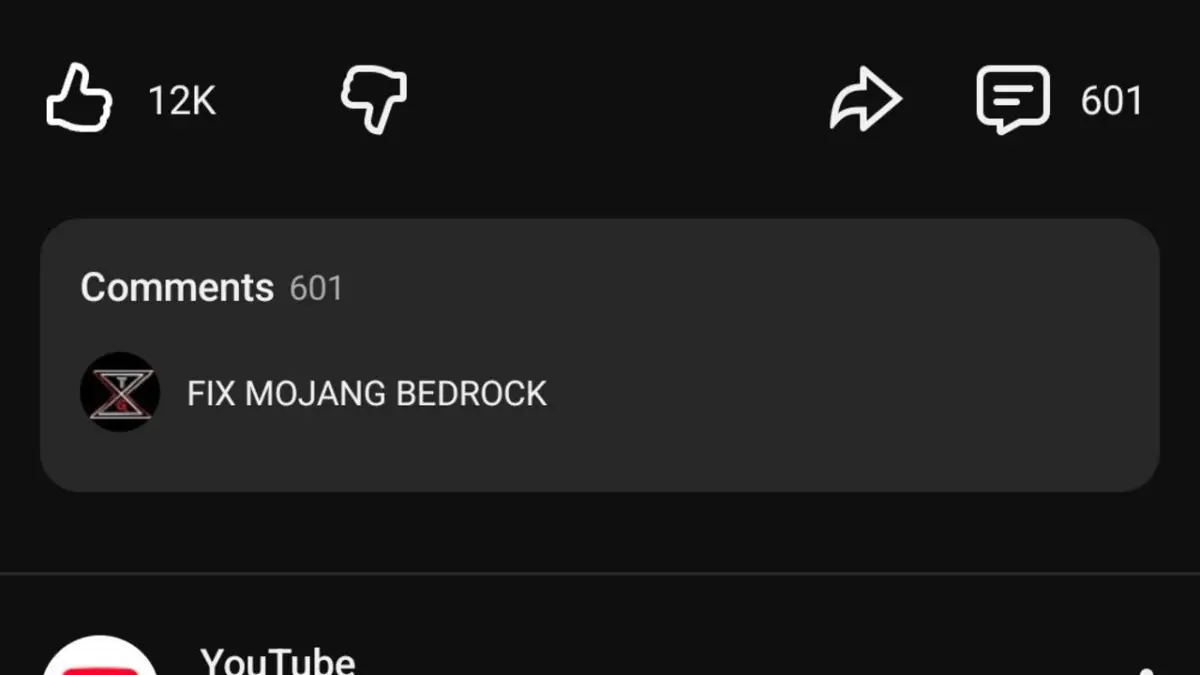
In the sprawling ecosystem of modern digital culture, few phenomena capture the raw, unfiltered zeitgeist of a disgruntled gaming community quite like the copypasta. Originating as a grassroots reaction to persistent technical failures, the "Fix Mojang Bedrock" (alternatively phrased as "Fix Bedrock Mojang") meme transformed from a genuine technical outcry into a pervasive digital contagion. Spanning YouTube, Reddit, TikTok, and official Mojang social media channels, this spam-comment phenomenon encapsulates the complex relationship between software developers and an increasingly vocal, meme-literate player base.
What began in late 2025 as a wave of frustration directed at the notoriously glitch-riddled Minecraft Bedrock Edition quickly evolved into an unstoppable internet joke. Automated bots, sarcastic human users, and bewildered onlookers converged to turn a straightforward demand for quality assurance into a ubiquitous digital chant. This deep-dive investigation explores the origins, trajectory, cultural impact, and broader implications of the "Fix Mojang Bedrock" phenomenon, analyzing how a software bug snowballed into a defining internet meme of the mid-2020s.
Detailed Chronology: From Technical Frustration to Viral Sensation
The Catalyst: November 2025 Bugs
The genesis of the "Fix Mojang Bedrock" movement traces back to November 2025. During this period, the Minecraft Bedrock Edition—the cross-platform version of the game developed using C++ and designed to unify mobile, console, and Windows players—experienced a wave of debilitating technical issues.
Among the most egregious problems plaguing the community were severe, platform-specific bugs on the PC version of the Bedrock client. Players reported an erratic cursor-locking glitch that routinely allowed the mouse pointer to escape the game window during active gameplay, rendering survival situations fatal. Compounding this was a critical memory leak bug that caused excessive RAM consumption, leading to severe frame-rate degradation and, in many cases, outright computer crashes.
Frustrated by what they perceived as a lack of timely hotfixes from developer Mojang Studios, players took to comment sections across official YouTube videos, Instagram posts, and X (formerly Twitter) announcements to demand stability. The initial sentiment was earnest: a unified call to action demanding that the multi-billion-dollar franchise address deeply rooted technical instability.
The Grassroots Wave and Reddit Documentation
As November progressed, the sheer repetition of these demands caught the attention of the broader Minecraft community on Reddit. On November 11th, 2025, Redditor LexonTheDragon published a query on the /r/Minecraft subreddit, asking the community why an apparent surge of users was flooding official channels with identical demands to fix the Bedrock edition.
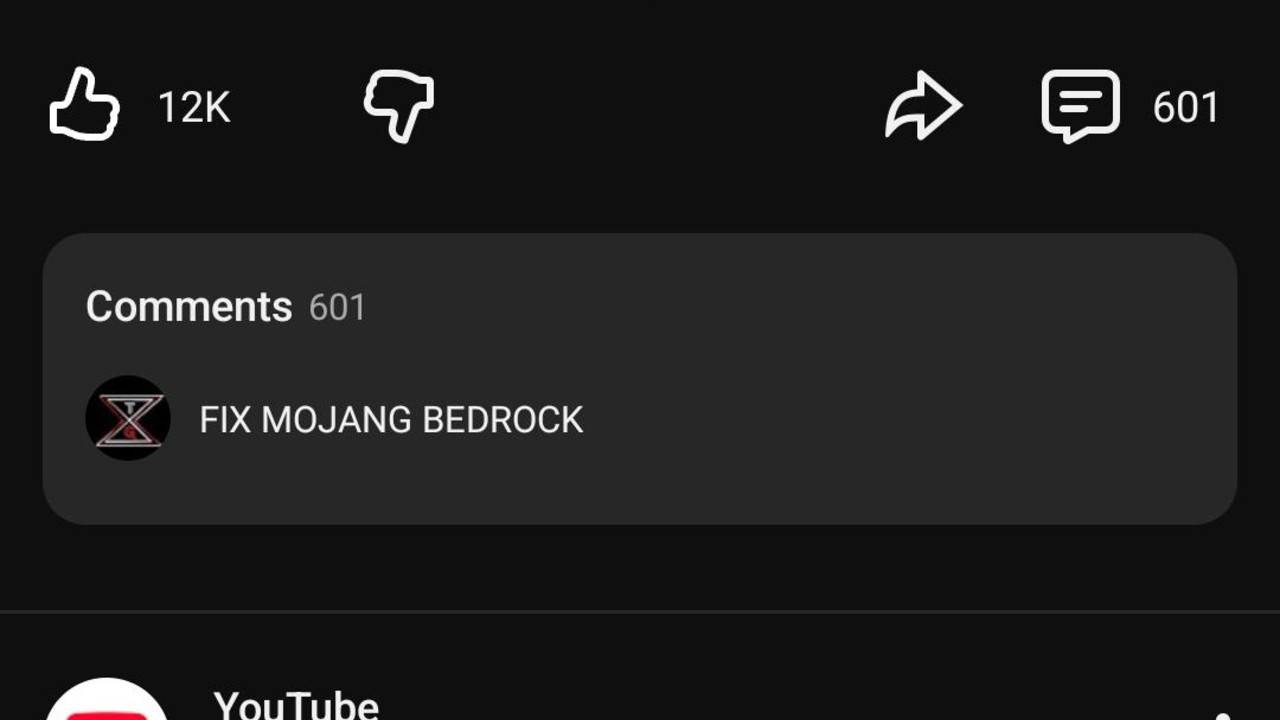
A week later, on November 18th, Redditor Wrong_Election uploaded a telling screenshot to the /r/PhoenixSC subreddit—a hub dedicated to Minecraft memes, data packs, and community culture. Titled "For the last 6 days, the top comment of all Minecraft YouTube posts have been ‘Fix bedrock,’" the post exposed the sheer scale of the phenomenon. Within days, it garnered over 1,900 upvotes, signaling to the wider internet that a new copypasta had been born.
Evolution into Copypasta and Bot Automation
By late 2025 and early 2026, the campaign had largely detached itself from its original grievances. While the underlying bugs were purportedly patched by Mojang, the comment section mantra persisted with terrifying momentum.
Internet historians and community analysts quickly pointed out the heavy involvement of automated bots. Engagement-farming accounts and automated scripts began injecting the phrase into virtually every Minecraft-related upload, regardless of platform or relevance. A notable linguistic tell—the scrambled syntax "Fix Mojang Bedrock" instead of the grammatically natural "Fix Bedrock, Mojang"—became a hallmark of these automated postings. Human users, recognizing the absurdity of algorithmic spam overtaking every corner of digital media, began ironically joining in, cementing the phrase as an official copypasta.
Supporting Context & Metrics: The Virality Wave
As the movement transitioned from a niche community annoyance into a mainstream internet meme, content creators and data analysts began documenting its scale.
Content Creator Amplification
On January 26th, 2026, prominent YouTuber Yrrah published an in-depth analytical video dissecting the mechanics behind the spam comments. The video struck a chord with the gaming community, skyrocketing to over one million views within seven months. Yrrah’s breakdown illuminated how comment sections on platforms like YouTube had become entirely unusable due to waves of identical text strings drowning out genuine player discourse.
Concurrently, meme subreddits leaned into the saturation. On January 8th, 2026, Redditor RogueBlackshift posted a satirical reaction meme on /r/MinecraftMemes depicting the psychological toll of scrolling through hundreds of identical "Fix Bedrock, Mojang" comments on official studio updates. The meme resonated with weary fans who felt the protest had morphed from a valid critique into an annoying nuisance.
Cross-Platform Expansion: TikTok and Short-Form Media
By the summer of 2026, the meme had successfully breached short-form video platforms. TikTok became a primary breeding ground for self-referential commentary on the trend.
- On July 28th, 2026, TikToker
@minecraftmods.siteposted a short clip showcasing a hilariously broken, glitched Minecraft flower. The caption read simply: "Fix mojang bedrock 💀🪞," garnering over 91,000 likes in less than a month. - Other creators, such as
@aymzzrantsand@shooteoofficial, published dedicated reaction and rant videos questioning why users across entirely unrelated gaming niches—ranging from Roblox to general internet culture—were suddenly seeing the phrase plastered across comment sections.
Official Statements and Community Reception
The reaction from Mojang Studios and the broader gaming industry to the "Fix Mojang Bedrock" phenomenon highlights the tricky tightrope modern developers must walk when managing community relations.
The Developer Dilemma
Mojang Studios, owned by Microsoft, routinely faces immense pressure regarding the technical parity and stability of Minecraft. While the Java Edition enjoys decades of modding history and relative backend transparency, the Bedrock Edition serves a massive, cross-play demographic on mobile devices, Nintendo Switch, PlayStation, Xbox, and PC. Balancing performance optimizations across such a diverse hardware spread invariably leads to intermittent bugs.
While Mojang did not issue a formal corporate press release explicitly acknowledging the copypasta—choosing instead to address technical complaints through standard patch notes and community bug trackers—developers and community managers were undeniably aware of the digital revolt. The persistence of the meme long after the initial November 2025 bugs were resolved served as a stark reminder of player fatigue regarding baseline software polish.
Community Polarization
Within the Minecraft community itself, opinions on the copypasta remain deeply polarized.
- The Protesters: A faction of the community argues that relentless spam is the only language massive corporations understand, maintaining that Bedrock Edition still suffers from sluggish performance, parity gaps with Java, and monetization controversies (such as the Minecraft Marketplace).
- The Exhausted Majority: Conversely, a growing contingent of players views the copypasta as counterproductive noise. Many creators and community members have expressed frustration that nuanced discussions surrounding game design, updates, and community creations are routinely buried beneath an avalanche of automated spam text.
Future Outlook: The Legacy of "Fix Mojang Bedrock"
As the internet continues to move at a hyper-accelerated pace, the "Fix Mojang Bedrock" phenomenon offers a fascinating case study in digital protest and meme evolution.
- The Life Cycle of Digital Outrage: The transition from a legitimate bug report to a meaningless, bot-driven copypasta illustrates how easily genuine consumer advocacy can be diluted by internet culture. When every minor software glitch is met with algorithmic saturation, the signal-to-noise ratio collapses, making it difficult for developers to parse authentic player feedback from meme-driven spam.
- Enduring Cultural Impact: Even as new updates roll out and patch notes address underlying stability issues, "Fix Mojang Bedrock" has secured its place in gaming internet history alongside classics like "Tragedy" copypastas and historic community raids. It serves as both a cautionary tale about software optimization on cross-platform engines and a testament to the surreal, hive-mind creativity of the modern internet.
Ultimately, whether future updates eliminate Bedrock’s technical quirks once and for all, the ghostly echo of automated accounts and ironic teenagers chanting "Fix Mojang Bedrock" will likely haunt the comment sections of Mojang Studios’ social media channels for years to come.