Executive Overview
The video game industry has weathered decades of seismic shifts, technological leaps, and platform transformations, yet very few cultural touchstones command the universal gravitational pull of a new Grand Theft Auto release. Following years of speculation, community anticipation, and unprecedented data breaches, Rockstar Games has finally offered the public its first substantive look at Grand Theft Auto VI through a comprehensive 26-minute uninterrupted gameplay showcase.
Eschewing the conventional marketing playbook of disembodied voiceover narration and cinematic gloss, this raw, unfiltered deep dive presented pure cutscenes and mechanical loops. The presentation traced the criminal exploits of its dual protagonists, Jason and Lucia, set against the sun-drenched, neon-drenched backdrop of a modernized Vice City and its expansive surrounding regions. While initial impressions suggest a natural, albeit hyper-detailed, evolution of the structural frameworks laid down by Grand Theft Auto V, a closer inspection reveals deep mechanical philosophies imported from Red Dead Redemption 2.

From sophisticated tactical gunplay and nuanced law enforcement reactions to an intricate criminal profiling system, GTA VI is shaping up to be a watershed moment for open-world simulation. This report synthesizes the core takeaways from the reveal, dissecting the major mechanics, world activities, notable omissions, and the broader technological implications for the next generation of interactive entertainment.
Detailed Chronology & Mechanical Breakdown
The structure of the 26-minute gameplay walkthrough jumped erratically across the narrative timeline, keeping the granular details of Jason and Lucia’s overarching plot shrouded in mystery. Even so, the footage provided a clear window into how players will interact with the game’s sandbox, highlighting major evolutions in combat, player expression, and AI behavior.

1. Criminal Profile and Morality Systems
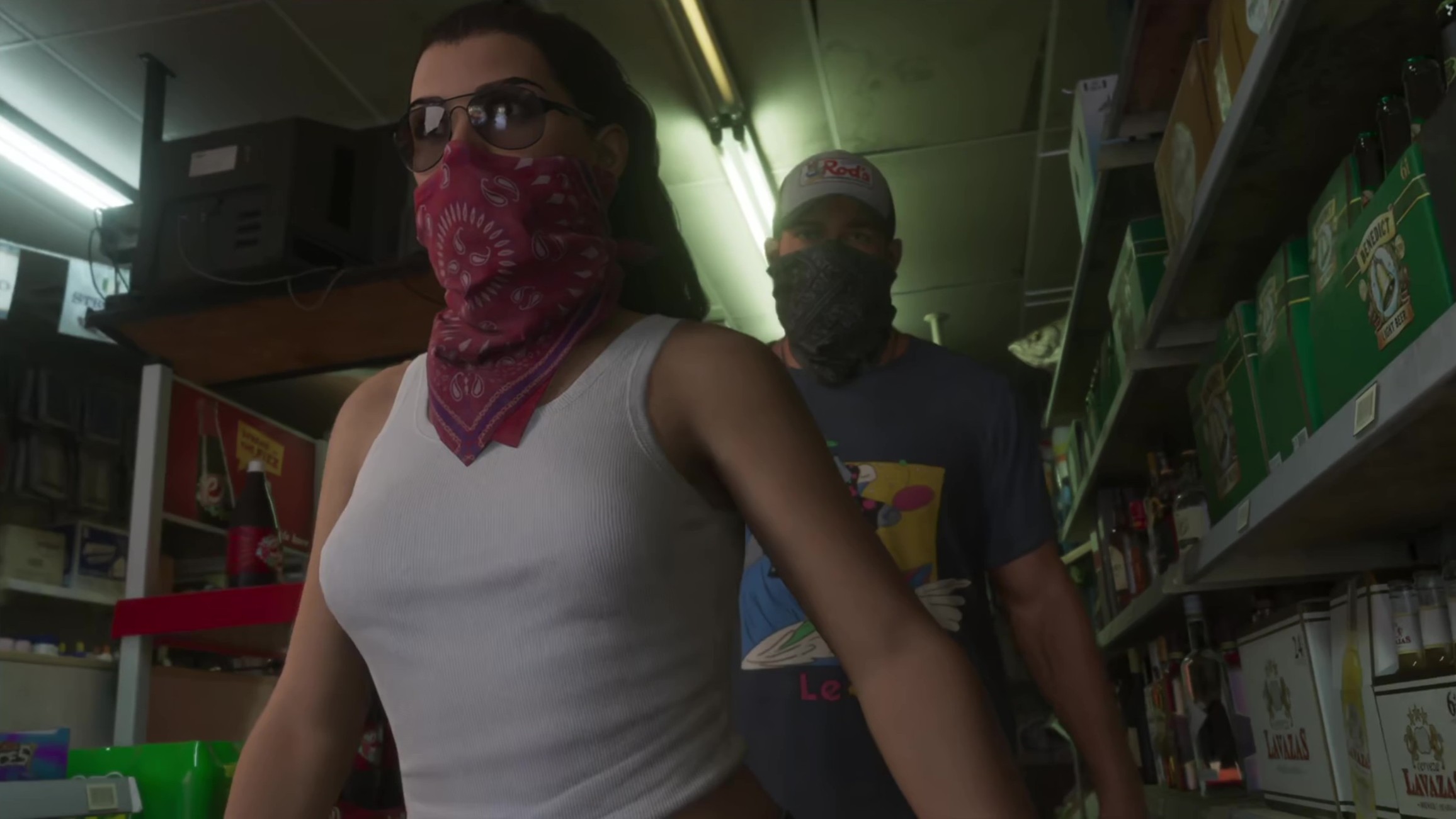
One of the most profound borrowings from Rockstar’s western epic Red Dead Redemption 2 is the introduction of a localized karma or behavioral tracking system, referred to internally as the Criminal Profile. Unlike traditional open-world games where civic destruction goes entirely unpunished by moral metrics, GTA VI actively monitors the temperament and methodology of both Jason and Lucia.
During the presentation, UI elements flashed subtle angel and devil iconography to indicate the moral weight of player actions. Simple acts—such as petting a stray dog or showing restraint during a petty confrontation—register positively, building a baseline public or criminal profile. Conversely, escalating standard robberies into gratuitous massacres triggers negative alignment shifts. While the exact long-term consequences of this profile on store pricing, civilian cooperation, or police brutality remain under wraps, its inclusion signals a move toward deeper role-playing mechanics within the sandbox.
2. Tactical Gunplay and Anatomical Targeting
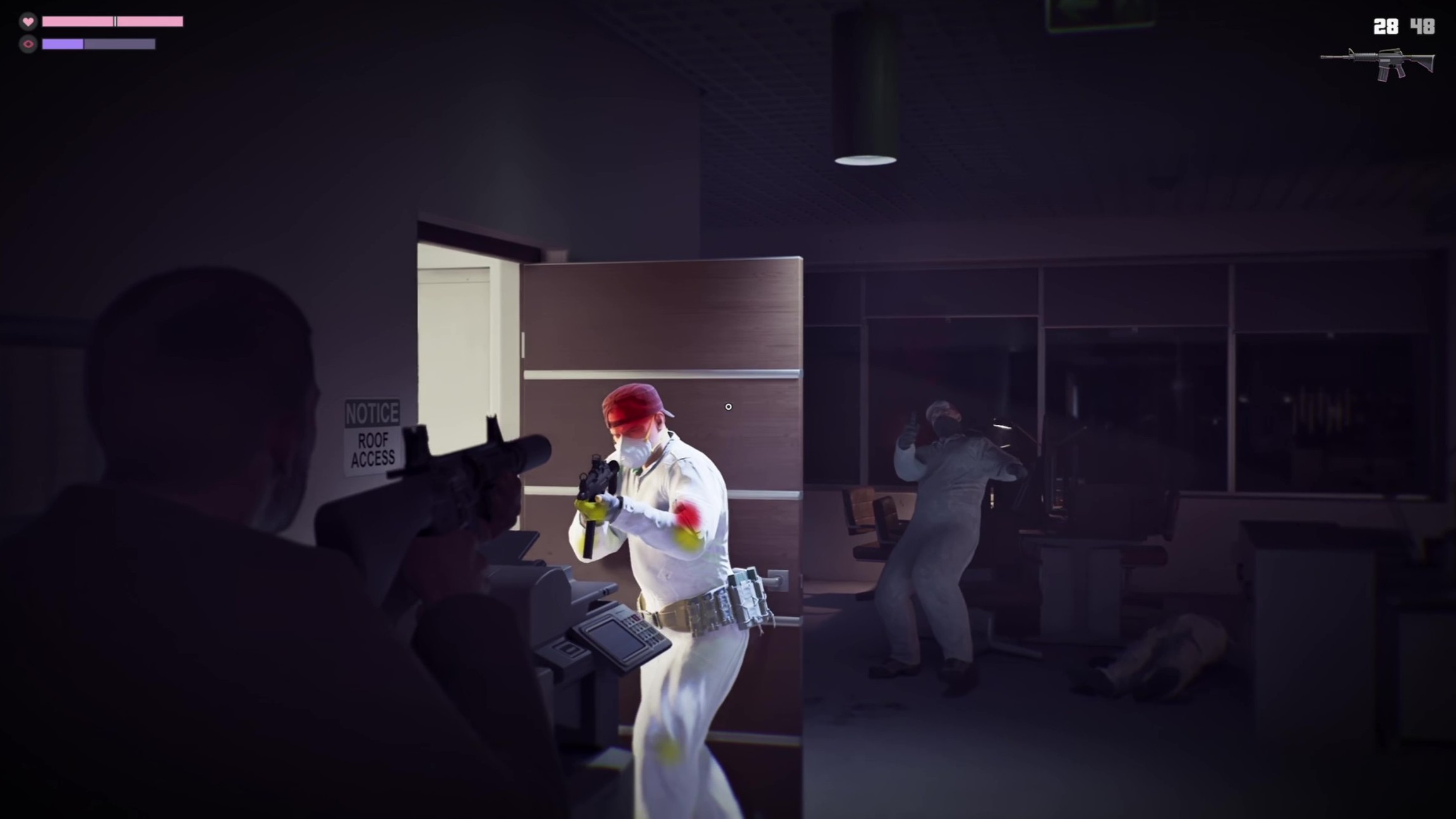
Combat in Grand Theft Auto has traditionally relied on snapping to center-mass targets and clearing rooms with overwhelming firepower. GTA VI introduces a much more deliberate, tactical cadence. The aiming reticle has evolved beyond the classic static dot into a dynamic framework that provides feedback on enemy posture and environmental cover.
Crucially, the footage demonstrated anatomical targeting capabilities. Players can manually adjust their aim to target specific body parts—such as incapacitating an enemy by shooting them in the legs rather than opting for a lethal headshot. This non-lethal or precision-based approach introduces a layer of tactical depth previously unseen in the modern HD eras of the franchise, forcing players to think critically about risk, reward, and collateral damage during firefights.
3. Granular Wanted Level Dynamics
Law enforcement artificial intelligence has historically been a double-edged sword in open-world titles, often oscillating between frustrating omniscience and easily exploitable blind spots. GTA VI appears to overhaul the Wanted Level system into something far more systemic and logical.
When authorities are dispatched, they do not automatically know the player’s identity or exact location in real-time. Instead, police establish a localized description based on eyewitness accounts—logging specifics about the protagonist’s physical build, clothing, vehicle make and model, and whether the culprits are operating solo or as a duo.
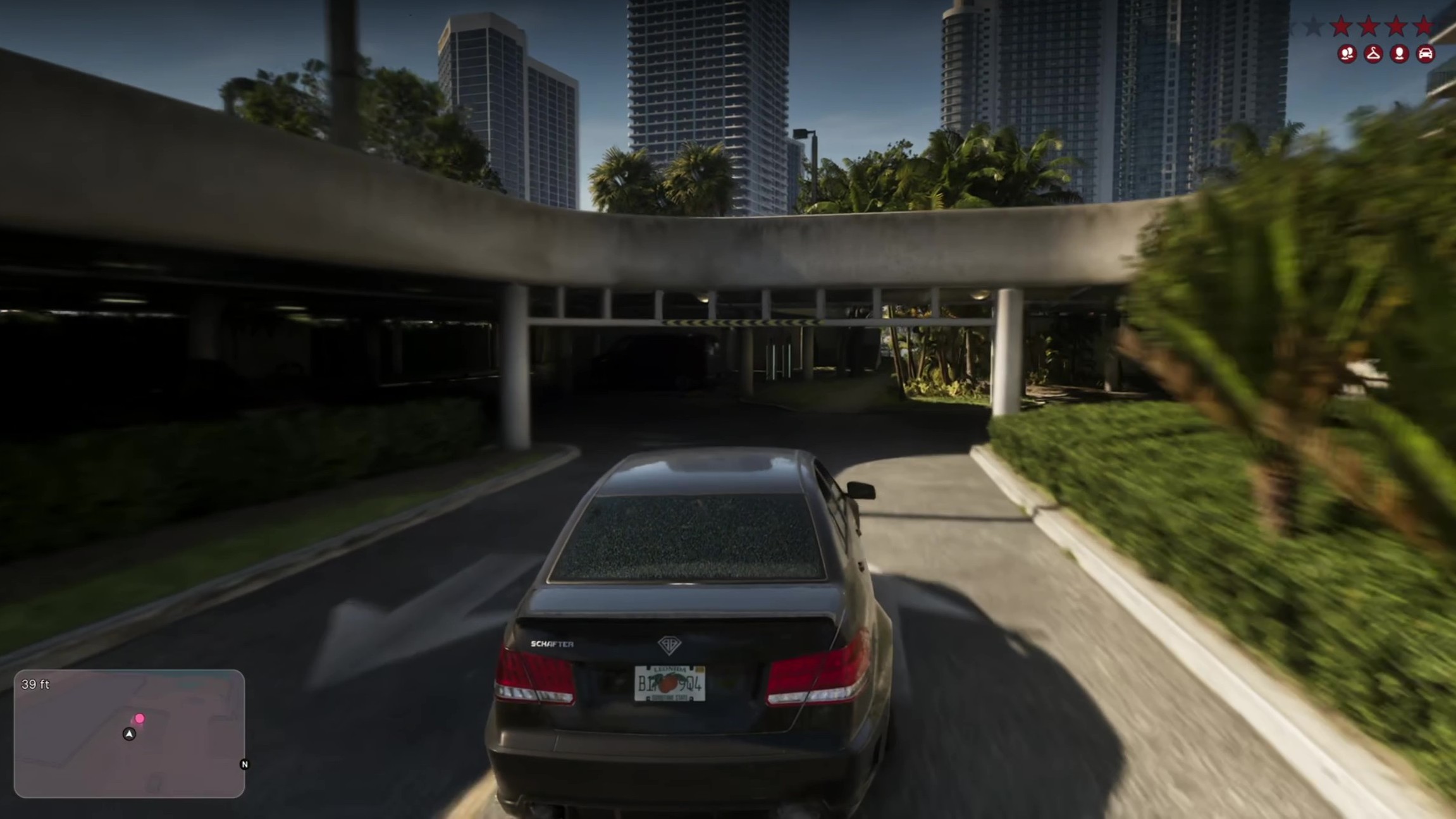
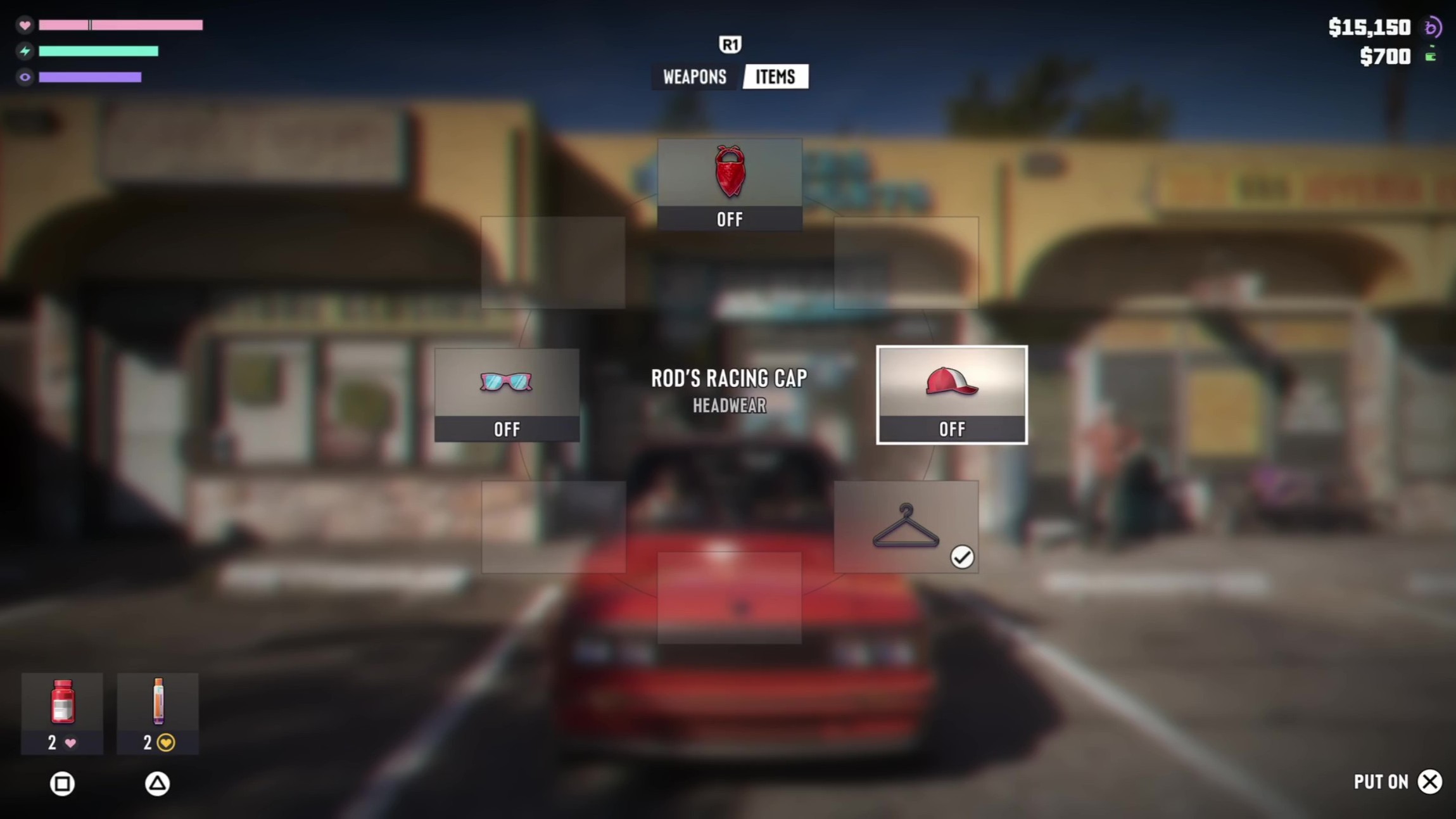
This creates dynamic evasion loops. If a player successfully outruns the immediate line of sight, changing outfits, swapping out hats or glasses, or ditching the getaway vehicle for an entirely different class of transport can actively degrade the active police search radius. It transforms police chases from pure attrition battles into tactical exercises in stealth and disguise.
4. Seamless Character Swapping
While GTA V pioneered the three-protagonist structure with Michael, Franklin, and Trevor, swapping between them during high-intensity scenarios typically involved a camera zoom up into the satellite map before transitioning. GTA VI streamlines this entirely, permitting instantaneous, hot-swapped character transitions directly in the middle of active combat encounters without a single loading screen.
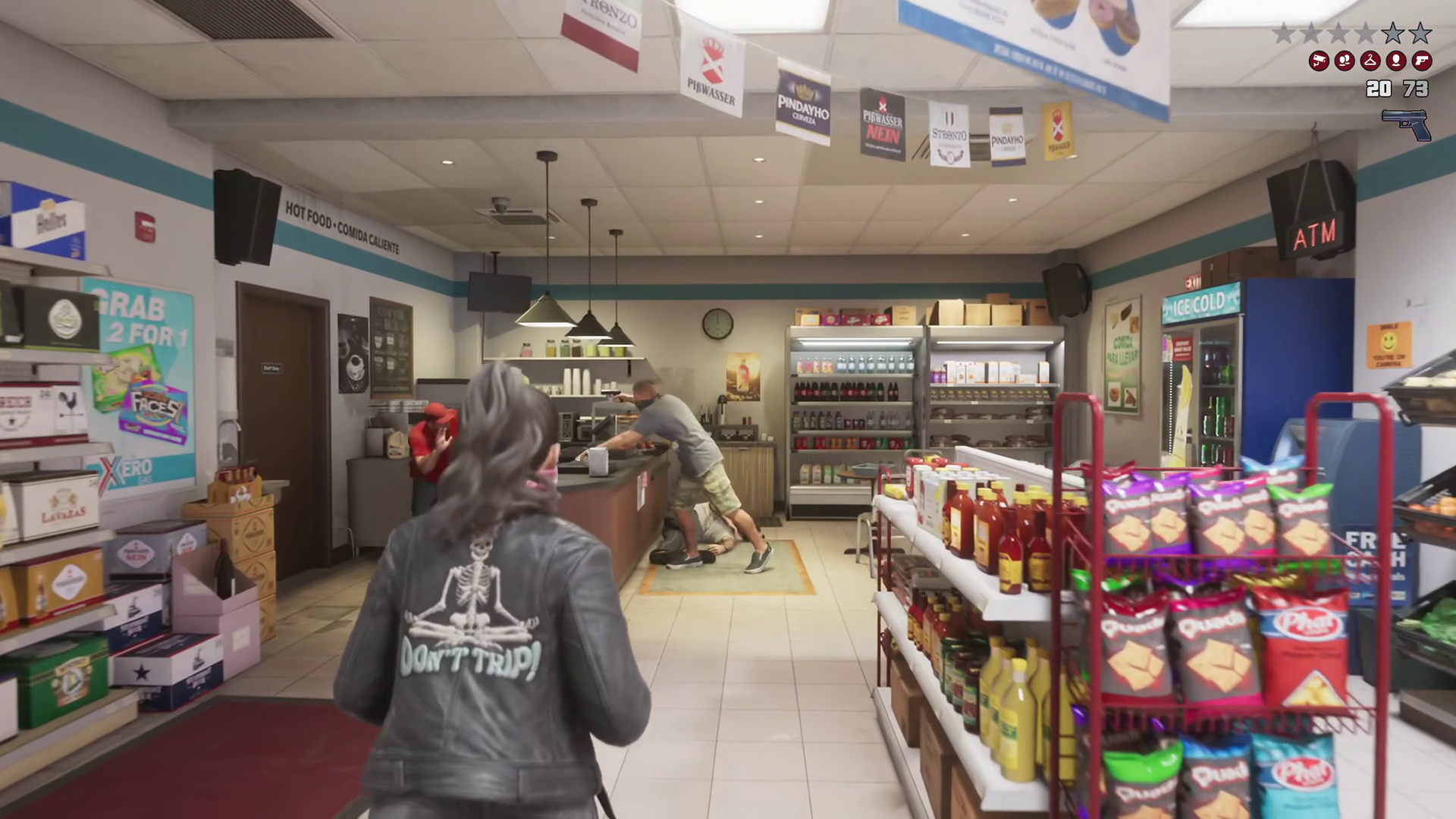
The demonstration highlighted coordinated firefights where players could fluidly bounce control back and forth between Jason and Lucia, capitalizing on individual positioning, weapon loadouts, and flanking maneuvers to dismantle rival gangs or law enforcement cordons.
5. On-the-Fly Disguise and Inventory Management
Expanding on the real-time customization concepts seen in previous titles, GTA VI allows players to alter their appearance dynamically. Just as weapons and gear can be managed from a responsive inventory wheel, auxiliary cosmetic elements—such as donning a ski mask, slipping on sunglasses, or swapping hats—can be executed on the fly to confuse lingering witnesses and throw off investigative heat before a full-scale police response is mobilized.
Supporting Context & Metrics: Vice City Reimagined
Beyond the core combat loops, the gameplay reveal dedicated significant screen time to illustrating the sheer breadth of activities designed to flesh out the satirical, sun-baked ecosystem of modern Florida (Leonida in-universe).
The Return of Vice City and Its Environs
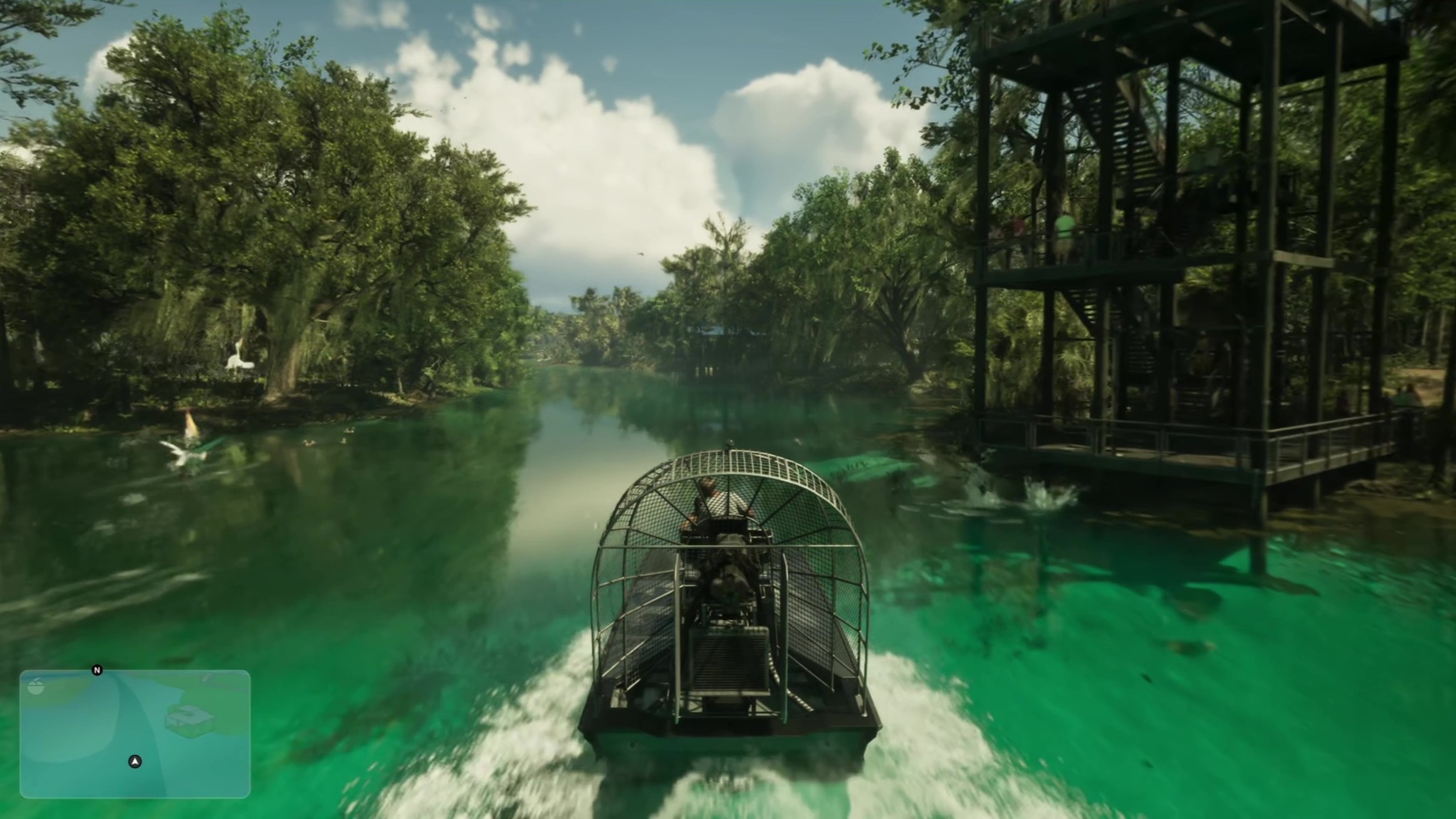
While Rockstar has kept a tight lid on the final dimensions of the map, the footage showcased an environment that dwarfs previous iterations in terms of verticality, interior accessibility, and ecological diversity. From the neon-lit, art deco strips of Vice City proper to the sprawling, murky depths of the surrounding wetlands, the world feels alive in a way that recalls the painstaking detail of Red Dead Redemption 2’s Saint Denis and its surrounding bayou.
Side Activities and World Interactivity
To prevent the map from feeling like an empty cinematic backdrop, Rockstar has packed the ecosystem with a staggering array of emergent and structured side activities. The showcase highlighted:
- Fan Boats & Airboats: Navigating the dense, shallow waters of the Everglades analogues.
- Scuba Diving: Exploring deep-water shipwrecks and marine life ecosystems beneath the ocean surface.
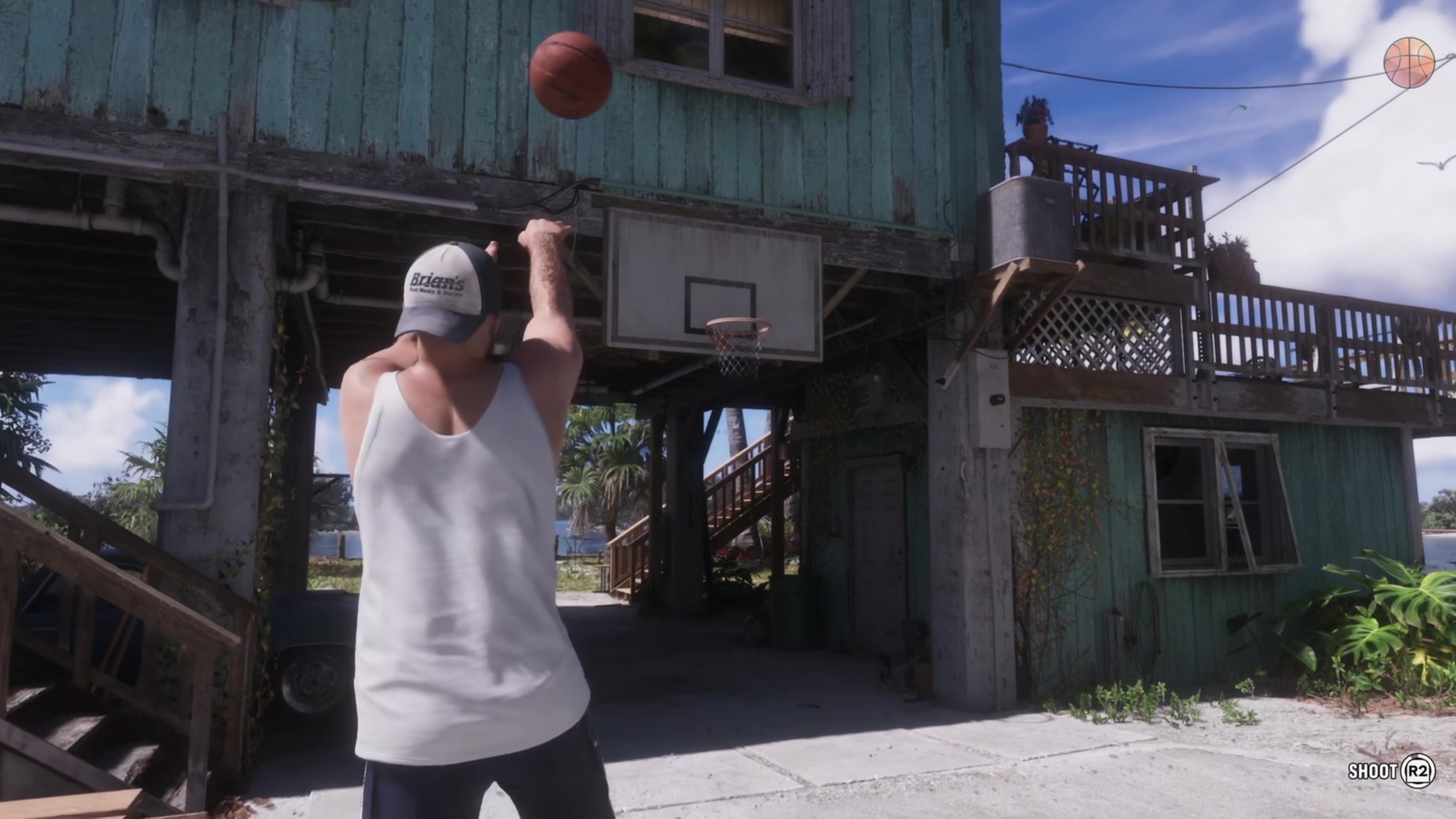
- Athletic Pursuits: Engaging in street basketball, heavy weightlifting routines at outdoor gyms, and kayaking down rapid riverways.
- Extreme Sports: BASE jumping and high-altitude skydiving from towering architectural marvels and aircraft.
- Off-Roading: Navigating rugged terrain via high-performance dirt bikes.
- Nightlife & Entertainment: Returning cultural touchstones like fully realized strip clubs, underground venues, and localized entertainment hubs.
What We Didn’t See: The Missing Pieces
Despite the unprecedented length and depth of the gameplay briefing, notable gaps remain in our understanding of Rockstar’s master plan for the title.
- The Official Map: While community sleuths and data miners have spent months attempting to stitch together geographical layouts based on the infamous 2022 leaks, Rockstar has yet to release an official, high-resolution cartographic map of the State of Leonida and Vice City.
- GTA Online Integration: Given that Grand Auto V’s multiplayer component has sustained massive revenue streams and player engagement for over a decade, the complete absence of any mention regarding GTA Online—or how current progression, assets, and infrastructure might transition to the new engine—remains the industry’s biggest unanswered question.
Future Outlook
The release of this 26-minute gameplay demonstration marks a crucial psychological turning point for the gaming community. For years, Grand Auto VI has existed primarily in the realm of rumor, leak mitigation, and corporate silence. Now, with concrete footage displaying next-generation artificial intelligence, systemic police tracking, tactical combat evolution, and an astonishingly dense open world, expectations have been elevated to astronomical heights.
As Rockstar Games marches closer to its targeted release window, the industry watches with bated breath. If the publisher can successfully marry the narrative ambition of its past titles with the systemic complexity previewed in this footage, Grand Theft Auto VI will not merely dominate sales charts—it will redefine the baseline standards of interactive open-world design for the decade to come.