Executive Overview
In August 2026, the global online creative writing community experienced a tremor that vibrated from TikTok to Reddit and across rival digital publishing platforms. Dubbed the "Wattpad Migration," the event centered on widespread panic, rampant speculation, and a flurry of cross-platform internet culture wars following the August 10, 2026, update to Wattpad’s content guidelines.
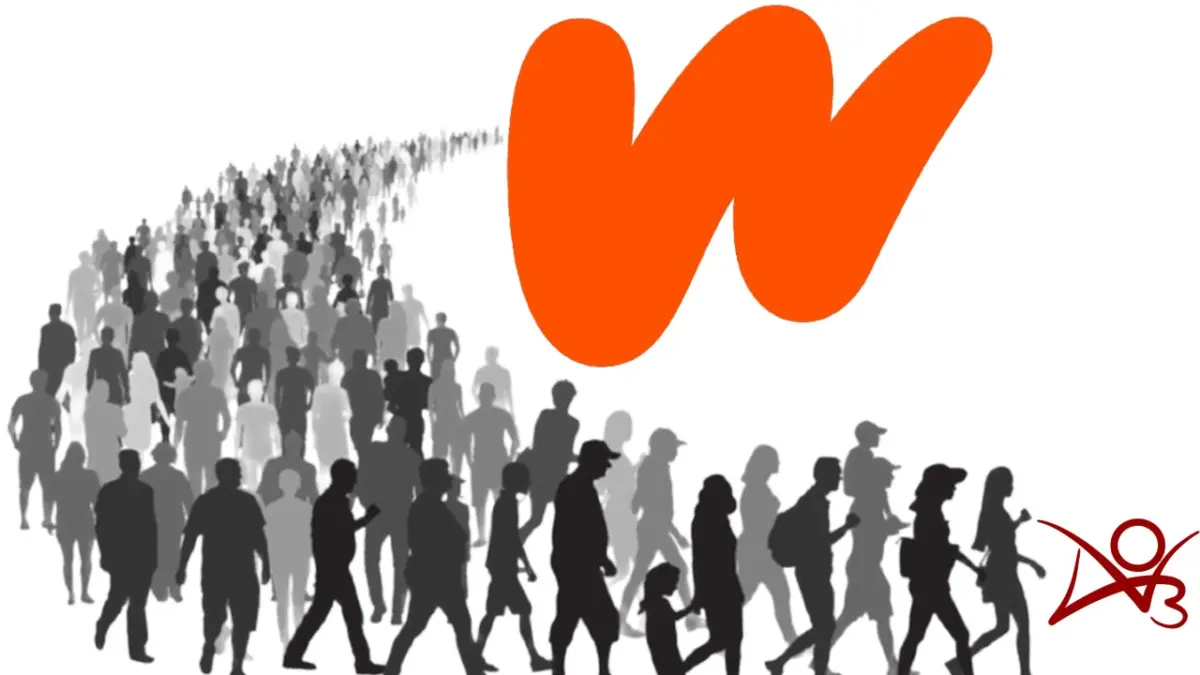
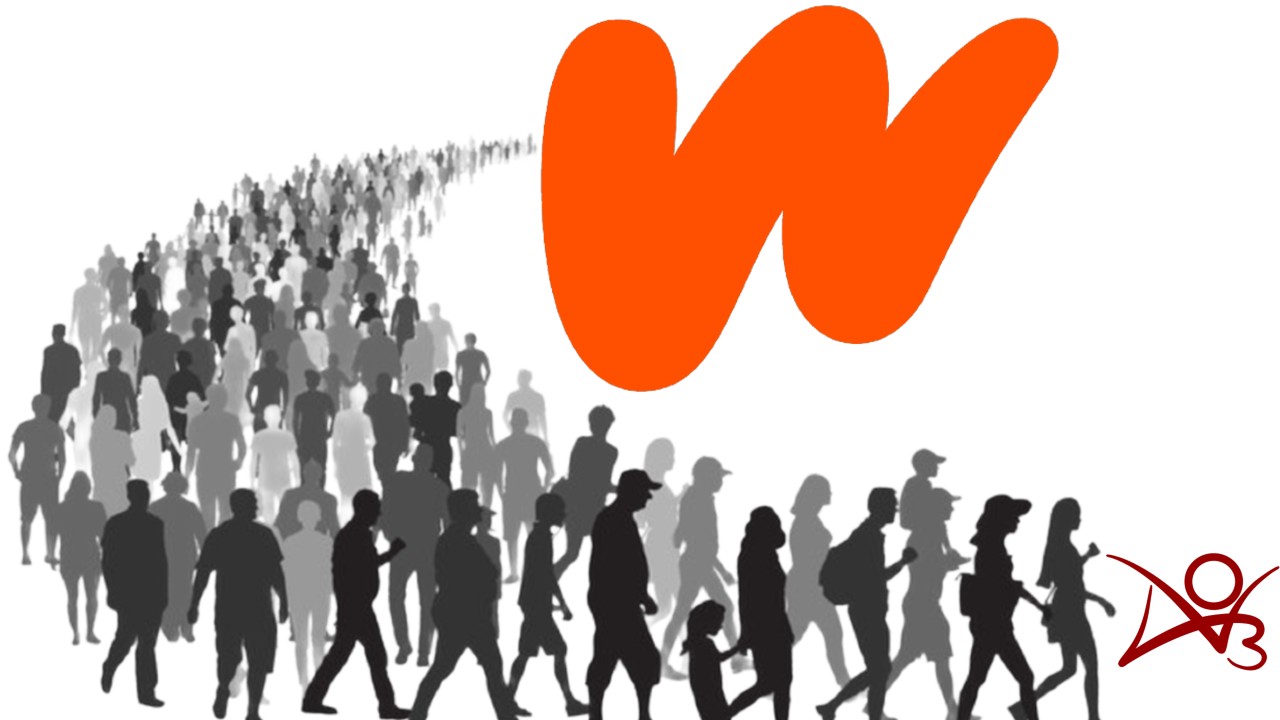
Thousands of users across social media platforms like TikTok, X (formerly Twitter), and Reddit convinced themselves that the popular user-generated storytelling platform Wattpad was enacting a draconian purge of all adult material. The perceived crackdown—rumored to outlaw explicit romance, "steamy" writing, and mature themes—sparked immediate fears of an impending mass exodus. Frightened creators and readers alike threatened to abandon the platform en masse, setting their sights on the non-profit, archival fanfiction monolith Archive of Our Own (AO3).
What followed was a textbook case of internet hyperbole meeting long-standing platform tribalism. Established AO3 users braced for an invasion of inexperienced writers unfamiliar with complex tagging systems, while internet humorists poked fun at the dramatic reactions. Meanwhile, cooler heads questioned the veracity of the migration altogether, pointing out that Wattpad’s underlying moderation policies had not actually changed, but had merely been reworded for clarity.
This report provides an in-depth investigative look into the 2026 Wattpad Migration: tracing its timeline, evaluating official statements from corporate leadership, examining the cultural clash between rival fan communities, and analyzing the broader implications for online creative expression.
Detailed Chronology of Events
To understand how a routine administrative update transformed into a viral panic, it is necessary to examine the precise sequence of events that unfolded over two weeks in August 2026.
August 10, 2026: The Guidelines Update
Wattpad quietly rolled out updates to its community and content guidelines. Designed to restructure how the platform’s rules were presented to the public, the changes reorganized policies into distinct, navigable categories. However, the inclusion of more explicit language regarding prohibited material—specifically outlining bans on non-consensual sexual acts, sexual violence glorification, and illegal content involving minors, bestiality, and necrophilia—set off immediate alarm bells among a subset of users who skimmed the changes.
August 15, 2026: The Panic Reaches Reddit
The discourse escaped Wattpad’s native ecosystem and hit mainstream content-sharing sites five days later. Redditor pinknautilidae published a post in the /r/AO3 subreddit highlighting the newly worded guidelines. Warning fellow users that an influx of new writers was on the horizon, the post cited panicked discussions appearing on TikTok where users frantically asked, "So like, we are ALL going to AO3 now right?" This post served as the primary catalyst, introducing the concept of an impending "Wattpad refugee" crisis to the wider archive community.
August 16–19, 2026: Memes, Placeholders, and Queue Anxieties
As the narrative gained traction, internet humor took over. Users across X and Reddit began posting satirical walkthrough tutorials, instructing hypothetical incoming Wattpad users on basic AO3 functions such as fandom selection, pairing filters, and the critical importance of utilizing "additional tags" and content warnings.
Simultaneously, minor administrative frictions began to surface. On August 16, X user @rubyartemisblue posted a screenshot noting the appearance of empty placeholder fictions created by confused users attempting to navigate the archive, pulling in over 24,000 likes. By August 19, concerns over server traffic and wait times led Redditor TheGoldenExperience_ to complain on the /r/whenthe subreddit about potential bottlenecks in the AO3 account creation queue, writing: "Thank god I made my account before the mass migration of wattpad users the queue is genuinely gonna be impossible to get through now."
August 20, 2026: Wattpad Speaks and the Backlash to the Backlash
Faced with escalating rumors, negative press, and mounting user dissatisfaction, Wattpad management issued an official news update on August 20 to clarify misconceptions. The platform insisted that its moderation practices, product features, and policies remained entirely unchanged.
That same day, the tone of the online discourse shifted dramatically. While some users continued to share anecdotes of friction—such as Redditor Sammsemsalamy posting a viral screenshot of an aggressive comment left on an explicit AO3 story by an alleged migrant—others pushed back against the hysteria.
A prominent post by Redditor Delicious-War-5259 in /r/Archiveofourownmemes argued that the entire migration narrative was an exaggerated fabrication born of pre-existing snobbery and platform bias. The post pointed out that despite endless memes about "insufferable refugees," little actual disruptive behavior had materialized, suggesting that the AO3 community was manufacturing scenarios simply to feel superior to their Wattpad counterparts.
Supporting Context & Metrics: The Platform Divide
The friction observed during the 2026 migration panic is rooted in years of historical rivalry between different sectors of the online writing community.
Wattpad vs. AO3: A Cultural Dichotomy
- Wattpad has historically functioned as a mainstream, social media-adjacent platform optimized for serialized reading, algorithm-driven visibility, and young adult audiences. It features direct user-to-author commenting, ranking systems, and a heavy emphasis on original fiction, K-pop real-person fiction (RPF), and YA romance.
- Archive of Our Own (AO3), launched in 2008 by the Organization for Transformative Works (OTW), operates as a non-profit, non-commercial digital archive. Built by fans, for fans, AO3 prides itself on robust tagging systems, strict anti-censorship stances, and a culture that emphasizes safe spaces for niche, dark, or taboo fiction under the guiding philosophy of "Don’t Like, Don’t Read."
Because of these structural differences, long-standing prejudices have persisted. AO3 veterans have often viewed Wattpad as juvenile, poorly moderated, or overly sanitized, while Wattpad users have occasionally viewed AO3’s interface as intimidatingly utilitarian. When the 2026 guideline update occurred, these underlying biases primed both communities to expect the worst: Wattpad users feared censorship, while AO3 users feared an influx of readers and writers who might attempt to impose social media-style purity culture onto an archive designed to protect explicit and transgressive art.
Viral Metrics and Engagement
The scale of the online reaction was underscored by engagement metrics across social platforms:
- X (Twitter): Posts mocking or documenting the migration routinely crossed the 20,000-to-24,000-like threshold within days.
- Reddit: Communities like
/r/AO3and/r/Archiveofourownmemessaw threads garnering thousands of upvotes and hundreds of polarized comments debating the etiquette of incoming users. - TikTok: Short-form video creators driving the initial panic accumulated hundreds of thousands of views discussing whether "steamy" writing could survive the modern corporate content moderation landscape.
Official Statements: Clarifying the Guidelines
To combat the viral misinformation threatening its user base, Wattpad released a formal statement on August 20, 2026. The platform sought to reassure creators that their artistic freedom had not been curtailed.
The official statement emphasized that the changes were purely editorial and structural:
"We reorganized our Content Guidelines into clear, easy-to-navigate sections. We reorganized how we describe what is allowed overall, what we consider Mature, and the kinds of content that are prohibited, making guidance more explicit. We added examples to clarify the differences between the content ratings for Everyone vs. Mature. We added clarity around guidelines for Fanfic, Real person fic, and One Shots."
Crucially, the statement directly addressed the core fear driving the migration panic—the survival of mature and erotic storytelling on the platform:
"Wattpad has always been a place to tell stories that are steamy, complicated, romantic, weird, emotional, and everything in between. That isn’t changing and hasn’t changed. Steamy stories are still welcome, celebrated, and loved on Wattpad, and now writers have more direct guidance to ensure stories align with our Content Guidelines."
Despite these assurances, skepticism lingered among veteran creators who noted that corporate definitions of "mature" can shift unpredictably under pressure from payment processors, advertisers, and app store regulators—forces that have historically squeezed out explicit creative content across the web.
Future Outlook: What the "Migration" Means for Online Publishing
As the dust settles on the August 2026 Wattpad Migration panic, several long-term takeaways emerge for the digital publishing and fanfiction landscapes:
- The Fragility of Content Moderation Trust: Platforms that host user-generated creative writing walk a tightrope. Even minor adjustments to the phrasing of terms of service can trigger existential dread among creators who rely on these spaces for community and self-expression. Moving forward, platforms will need to communicate policy changes with radical transparency to prevent reactionary mass-exodus panics.
- Platform Tribalism is Maturing: While internet culture wars between AO3 purists and Wattpad users highlighted deep-seated platform snobbery, the pushback against the elitist narrative—exemplified by calls for empathy and hospitality toward newer writers—signals a maturing online ecosystem.
- The Decentralization of Creative Archives: Incidents like this continue to drive home the importance of non-commercial, archival infrastructure like AO3. As commercial platforms face increasing pressure to sanitize their ecosystems for corporate viability, independent and archival spaces will remain essential sanctuaries for transgressive, emotional, and boundary-pushing fiction.
Ultimately, while the great "Wattpad Migration of 2026" turned out to be largely an exercise in digital hyperbole rather than an administrative apocalypse, it serves as a fascinating case study in how modern internet communities process fear, share information, and police the digital borders of their creative subcultures.