Executive Overview
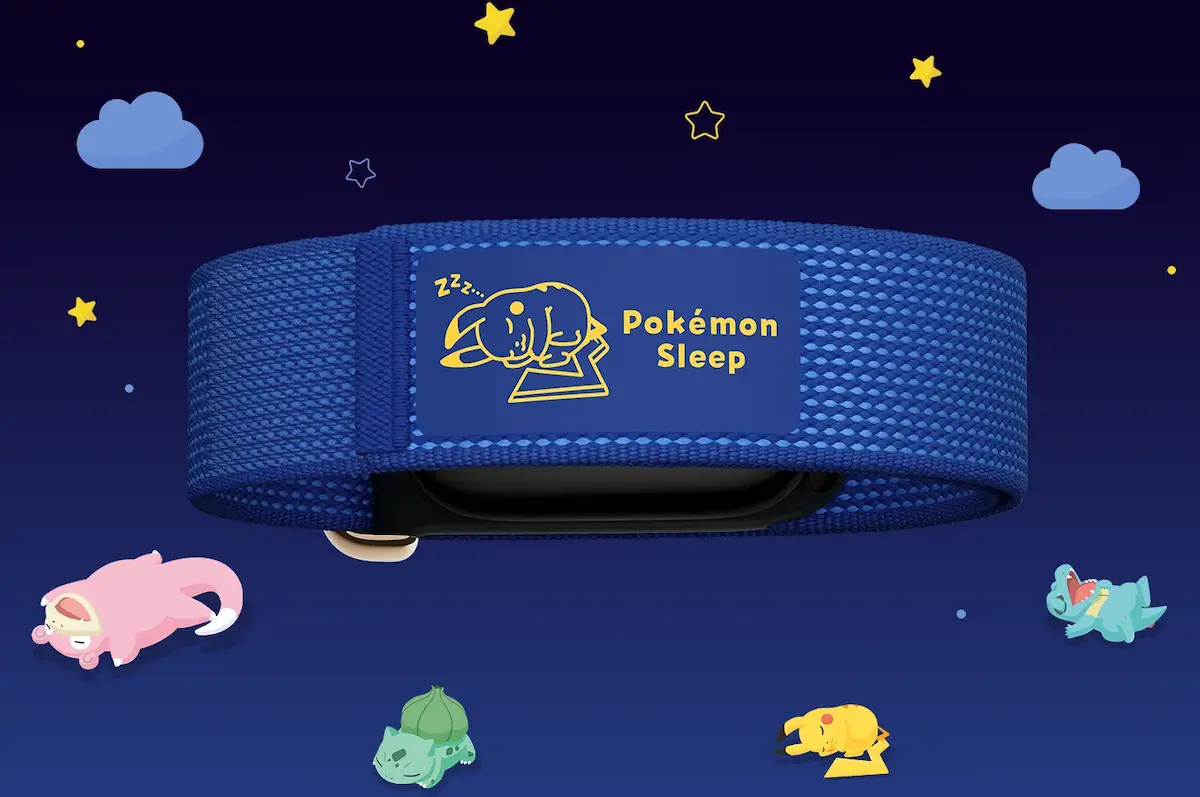
In an ambitious bid to merge biometric wellness with pop-culture nostalgia, Google has officially announced a special-edition Fitbit Air developed in partnership with The Pokémon Company. Designed to integrate directly with the gamified sleep-tracking application Pokémon Sleep, the new wearable represents a calculated move to capture a growing demographic of health-conscious consumers who favor gamified wellness solutions.
The announcement, timed to coincide with Pokémon’s landmark 30th anniversary, highlights a broader shift in Google’s hardware strategy. By leveraging one of the world’s most lucrative media franchises, Google aims to breathe new life into its wearable division, positioning the minimalist, screenless Fitbit Air as a playful yet highly functional alternative to traditional smartwatches.
Priced at $129, the special-edition Fitbit Air is scheduled to begin shipping on September 15, with pre-orders already active through the Google Store and Target. The device enters a highly competitive "sleep economy" where technology giants and niche fitness brands alike are vying for dominance over the third of our lives spent in bed.
                       ┌────────────────────────────────┐
                       │   Google Wearable Portfolio    │
                       └────────────────┬───────────────┘
                                        │
                ┌───────────────────────┴───────────────────────┐
                ▼                                               ▼
┌──────────────────────────────┐                ┌──────────────────────────────┐
│  High-End / Performance Line │                │  Minimalist / Wellness Line  │
├──────────────────────────────┤                ├──────────────────────────────┤
│ • Pixel 11 Series            │                │ • Fitbit Air (Standard)      │
│ • Stephen Curry Edition      │                │ • Pokémon Sleep Special Ed.  │
│ • Price: $579                │                │ • Price: $99 - $129          │
└──────────────────────────────┘                └──────────────────────────────┘
Detailed Chronology
The Genesis of Playable Wellness (2016–2023)
The intersection of augmented reality, mobile gaming, and physical wellness trace its modern roots back to the 2016 launch of Pokémon GO. Developed by Niantic in collaboration with Nintendo and The Pokémon Company, the game became a global phenomenon, proving that interactive entertainment could successfully drive physical movement.
In July 2023, The Pokémon Company sought to replicate this success in a passive environment with the launch of Pokémon Sleep. Rather than rewarding steps and outdoor exploration, the app gamified sleep hygiene. By placing a smartphone on their mattress or linking a compatible wearable, players could track their sleep quality to build "Drowsy Power" for a central Snorlax, which in turn attracted various wild Pokémon to their campsite.
The Debut of the Fitbit Air (May 2026)
In May 2026, Google sought to disrupt the screenless wearable market—historically dominated by subscription-heavy models like Whoop—by introducing the standard Fitbit Air. Retailing at $99, the device was designed for users experiencing "screen fatigue." It offered a slim, distraction-free form factor, an advanced biometric sensor array, and an AI-powered wellness coach capable of analyzing sleep, recovery, and cardio load.
The 30th Anniversary Intersection (August 2026)
As part of the celebrations surrounding the 30th anniversary of the Pokémon franchise, Google and The Pokémon Company finalized a licensing and hardware integration agreement. On Thursday, August 13, 2026, Google officially unveiled the Special Edition Pokémon Sleep Fitbit Air, representing the first time a dedicated Fitbit device has been explicitly branded and optimized for a single gamified wellness application.
[May 2026] ────────────────► [August 2026] ───────────────► [September 15, 2026]
Launch of Standard           Announcement of              Official Release &
Fitbit Air ($99)             Pokémon Sleep Edition ($129)  Retail Shipping
Supporting Context & Metrics
Hardware Specifications and Price Differentiation
The Fitbit Air lineup serves as Google’s entry-level, wellness-focused counterweight to its premium smartwatch offerings, such as the recently unveiled Pixel 11 lineup.
| Feature | Fitbit Air (Standard) | Fitbit Air (Pokémon Sleep Edition) | Google Pixel 11 (Stephen Curry Ed.) |
|---|---|---|---|
| Retail Price | $99 | $129 | $579 |
| Form Factor | Screenless, Ultra-slim | Screenless, Custom branded | Full Smartwatch (AMOLED) |
| Primary Sensors | PPG Heart Rate, Accelerometer | PPG Heart Rate, Accelerometer | ECG, PPG, GPS, Temp, Accelerometer |
| Battery Life | Up to 7 Days | Up to 7 Days | Up to 24–36 Hours |
| Core Ecosystem | Google Health, Fitbit App | Google Health, Pokémon Sleep | Google Health, Wear OS |
| AI Coaching | Included | Included | Included |
| Release Date | May 2026 | September 15, 2026 | August 2026 |
The $30 premium for the Pokémon Sleep Edition covers not only the physical branding and themed accessories but also deep API-level integration with the Pokémon Sleep app. While standard smartwatches can push raw sleep data to the game, the Fitbit Air Special Edition features optimized synchronization protocols that minimize battery drain on both the wearable and the connected smartphone.
The Mechanics of "Drowsy Power"
To understand the utility of the Fitbit Air integration, one must examine the operational loop of Pokémon Sleep. The application categorizes user sleep into three distinct phases:
- Dozing (Light sleep/REM disturbances)
- Snoozing (Medium-depth sleep)
- Slumbering (Deep, restorative sleep)
                       ┌────────────────────────┐
                       │  Fitbit Air Biometrics │
                       └───────────┬────────────┘
                                   │ (Syncs continuous heart rate & movement)
                                   ▼
                       ┌────────────────────────┐
                       │  Google Health Engine  │
                       └───────────┬────────────┘
                                   │ (Processes raw data into sleep metrics)
                                   ▼
                       ┌────────────────────────┐
                       │   Pokémon Sleep App    │
                       └───────────┬────────────┘
                                   │ (Calculates Sleep Score & Drowsy Power)
                                   ▼
                       ┌────────────────────────┐
                       │  In-Game Snorlax Room  │
                       └────────────────────────┘
By utilizing the Fitbit Air’s continuous photoplethysmography (PPG) heart rate monitoring and 3-axis accelerometer, the system bypasses the less accurate accelerometer readings of a phone placed on a bed. This yields more precise sleep scores, translating to higher "Drowsy Power" multipliers. Consequently, players can unlock rare Pokémon sleep styles with greater consistency, turning accurate clinical-grade tracking into direct in-game progression.
Strategic Analysis & Industry Perspectives
Google’s Dual-Brand Wearable Strategy
Industry analysts view the Fitbit Air Pokémon Sleep Edition as a textbook example of modern lifestyle marketing. Since acquiring Fitbit for $2.1 billion, Google has worked to define the boundary between its Pixel and Fitbit product lines.
While the Pixel Watch line has migrated toward high-performance sports and luxury—exemplified by the $579 Stephen Curry Special Edition—the Fitbit brand is being steered toward accessible, everyday wellness and specialized lifestyle niches.
By targeting the Pokémon community, Google is tapping into an incredibly loyal, multi-generational fanbase. This approach lowers the barrier to entry for wearable tech, transforming biometric tracking from an obligation into an engaging, daily ritual.
The Battle for the Screenless Wrist
The screenless wearable category has experienced a renaissance as consumers look to escape the constant notifications of smartwatches. Companies like Whoop have built a dedicated following by focusing purely on recovery and strain metrics.
However, Whoop’s subscription model can be a financial barrier for casual users. Google’s flat-rate pricing for the Fitbit Air ($99 for standard, $129 for the special edition) offers a compelling alternative. It provides high-end biometric tracking and AI-driven coaching without a monthly fee, appealing to those who want to monitor their health quietly in the background.
Future Outlook
The launch of the Pokémon Sleep Fitbit Air highlights how gamification is reshaping the health and wellness industry. As wearable sensors become cheaper and more advanced, the challenge for tech companies is no longer just collecting data, but keeping users engaged with it over the long term.
┌─────────────────────────────────────────────────────────────────┐
│                 Evolution of Gamified Wellness                  │
├────────────────────────────────┬────────────────────────────────┤
│         Active Phase           │         Passive Phase          │
│          (2016-2022)           │          (2023-2026+)          │
├────────────────────────────────┼────────────────────────────────┤
│ • Focus on step counts & GPS   │ • Focus on sleep & recovery    │
│ • Active user inputs required  │ • Passive, background tracking │
│ • High churn/burnout rates     │ • Integration into daily rest  │
└────────────────────────────────┴────────────────────────────────┘
Looking ahead, we are likely to see more partnerships that connect biometric data with entertainment ecosystems. Future iterations of gamified health could link daily physical activity to progress in role-playing games, or use stress-level data to dynamically adjust the difficulty of video games in real time.
For now, Google’s collaboration with The Pokémon Company shows that sometimes the best way to get people to take their health seriously is to make it fun. When the special-edition Fitbit Air hits shelves on September 15, it won’t just be competing with other fitness trackers—it will be offering a new way for users to play, rest, and wake up to a world of rewards.