Executive Overview
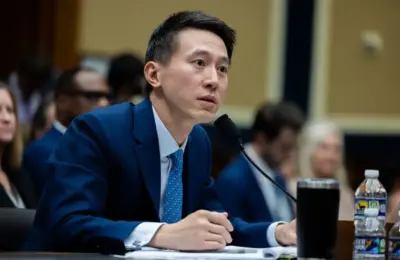
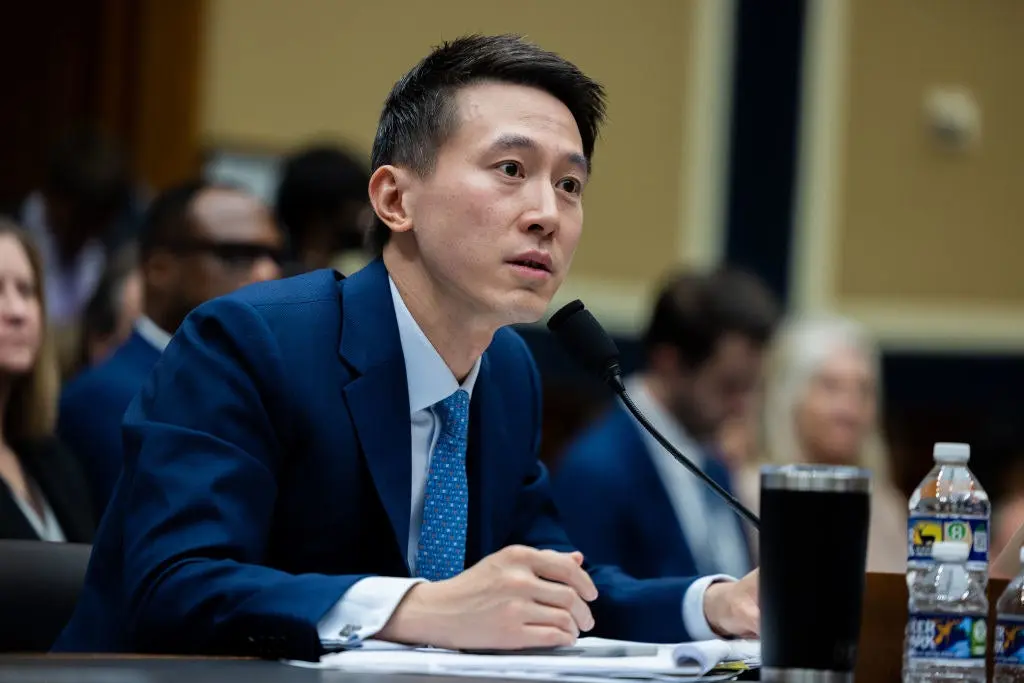
In Washington, D.C., the intersection of geopolitics, national security, and big tech reached a surreal apex on Capitol Hill during a marathon five-hour congressional hearing. TikTok CEO Shou Zi Chew faced the combined, often hostile scrutiny of the House Energy and Commerce Committee. Lawmakers from both sides of the political aisle converged on the 40-year-old executive, interrogating him over data privacy, user safety, and the platform’s structural ties to its China-based parent company, ByteDance.
Against a backdrop of mounting bipartisan pressure—including multiple bills currently circulating in Congress that threaten either an outright ban of the application or broad government authority to outlaw foreign-owned tech—Chew stood his ground. He firmly denied that ByteDance acts as an agent of the Chinese government and pitched "Project Texas" as a robust, localized firewall designed to secure American user data.
Yet, while lawmakers attempted to systematically dismantle the operational viability of the world’s most popular short-form video application, a parallel and entirely unexpected phenomenon was unfolding in real-time on the digital frontier. Rather than alienating the platform’s core demographic, Chew’s calm, composed demeanor under pressure catalyzed a massive wave of online infatuation. TikTok users flooded the app with video collages, tongue-in-cheek "thirsty" commentary, and viral fan edits dubbing the married executive "TikTok daddy" and "the finest CEO of our generation."
This article explores the high-stakes legislative clash, the underlying security concerns fueling the congressional inquiry, the corporate maneuvering behind the scenes, and the bizarre cultural collision of Washington politics and TikTok stan culture that transformed a besieged tech executive into an accidental internet heartthrob.
Detailed Chronology: Five Hours on the Hot Seat
The Setup and the Stakes
The hearing was not born in a vacuum. For months, tensions between Washington and Beijing have cast a long shadow over Silicon Valley and its international counterparts. Lawmakers have increasingly viewed apps with foreign parent companies not merely as entertainment platforms, but as potential vectors for foreign influence and surveillance.
When Chew stepped into the ornate hearing room of the House Energy and Commerce Committee, the optics were stark. He was tasked with defending an application that boasts over 150 million monthly active users in the United States alone—nearly half the nation’s population. The stakes could not have been higher. Three major bills loom over the platform’s future: two targeting TikTok explicitly with legislative bans, and a third empowering the executive branch to prohibit any foreign-derived technology deemed an actionable threat to national security.
Opening Salvos and Testimony
Chew’s prepared written statement was unambiguous from the outset. Addressing the committee directly, he stated:
"Let me state this unequivocally: ByteDance is not an agent of China or any other country."
Despite his definitive declarations, committee members remained deeply skeptical. Lawmakers peppered the CEO with questions ranging from granular technical inquiries—such as whether the application could access a user’s home Wi-Fi network—to sweeping geopolitical accusations regarding whether ByteDance had ever spied on American citizens at the behest of Beijing.
The questioning frequently devolved into what critics and tech advocates described as generational friction. Many users on the platform were quick to point out the stark disconnect between elderly lawmakers and the digital ecosystem they were attempting to regulate. Viewers expressed frustration as Chew was repeatedly interrupted or cut off while trying to articulate nuanced explanations of data management and corporate governance.
Throughout the grueling five-hour session, Chew attempted to pivot the conversation toward solutions. He emphasized that banning TikTok would severely impact millions of American small businesses and creators who rely on the platform for their livelihoods. Furthermore, he positioned "Project Texas"—a multi-billion-dollar corporate restructuring initiative designed to isolate US user data within domestic servers—as a comprehensive answer to national security concerns.
Supporting Context & Metrics: Data, Politics, and the Creator Economy
The Legitimacy of Congressional Concern
While the tone of the hearing often veered into political theatrics, the underlying security concerns raised by lawmakers are rooted in documented incidents. Investigative reports, notably from BuzzFeed News, revealed that between 2021 and 2022, China-based employees of ByteDance had accessed nonpublic US user data on multiple occasions.
In December, ByteDance acknowledged the breach, confirming via an internal investigation that personal data belonging to American journalists—including reporters covering the company—had been accessed improperly. Those employees were subsequently terminated, but the revelations severely damaged the platform’s credibility in Washington and provided powerful ammunition for proponents of a ban.
Orchestrated Advocacy vs. Organic Uprising
Recognizing the existential threat posed by the Washington hearings, TikTok engaged in proactive advocacy. Ahead of Chew’s appearance, the company sponsored a demonstration on Capitol Hill, covering travel and hotel accommodations for over 30 prominent creators. This orchestrated rally was designed to put a human face on the platform, showcasing the livelihood of everyday Americans who depend on the algorithm for income, community building, and creative expression.
However, the digital groundswell that followed the hearing far outpaced any corporate PR strategy.
The Metrics of an Accidental Icon
Prior to his congressional debut, Shou Zi Chew maintained a relatively low profile. His personal TikTok account, @shou.time, hovered at just under 18,000 followers as of March 22. Within 24 hours of his testimony, analytics from Social Blade revealed that his follower count skyrocketed, surging by more than 70,000 new followers almost overnight.
Users flooded the platform with green-screen video tributes, comparing his coolheaded performance to the more contentious congressional testimonies of tech titans past—most notably Meta CEO Mark Zuckerberg.
- "This app is single-handedly keeping the global economy from tanking so help me understand the problem," wrote creator Jesica Elise in a viral video collage.
- "The USA Congress just made this man America’s most eligible bachelor, AND HE AIN’T EVEN AMERICAN," another user joked. (For historical accuracy, Chew is neither a bachelor nor eligible; he has been married to Vivian Kao since 2008, after meeting her while both were attending Harvard Business School).
- "Zuckerberg is just mad because he could never be this fine," quipped another commenter, highlighting the stark contrast in public perception between the two tech executives.
Official Statements and Corporate Responses
Following the conclusion of the hearing, the corporate war of words intensified. A representative for TikTok released a scathing statement to the press, characterizing the proceedings as an exercise in political posturing rather than good-faith legislating.
"Shou came prepared to answer questions from Congress, but, unfortunately, the day was dominated by political grandstanding that failed to acknowledge the real solutions already underway through Project Texas or productively address industry-wide issues of youth safety," the spokesperson asserted.
Lawmakers, conversely, remained unyielding. House Energy and Commerce Chair Cathy McMorris Rodgers made the committee’s stance crystal clear during the proceedings, stating bluntly: "We do not trust TikTok ever to embrace American values."
Critics of the platform argued that corporate restructuring plans like Project Texas are insufficient so long as ultimate ownership remains tied to a parent company subject to China’s sweeping national security laws, which compel organizations to assist in intelligence gathering upon request.
Future Outlook: Where Does TikTok Go From Here?
The events of March 23 mark a watershed moment in the relationship between Silicon Valley, social media platforms, and the United States federal government. Shou Zi Chew’s baptism by fire on Capitol Hill demonstrated both the immense vulnerability of foreign-owned tech entities operating in the US and the unprecedented cultural power of a platform deeply embedded in daily American life.
As the legislative battleground shifts back to Capitol Hill, lawmakers must decide whether to advance bills that could effectively upend the digital landscape and sever access for 150 million Americans. Meanwhile, TikTok faces the monumental task of proving that its data-isolation safeguards can satisfy a deeply distrustful national security apparatus.
One thing remains unequivocally clear: the hearings transformed Shou Zi Chew from an obscure corporate executive into a pop-culture figurehead. Whether this viral adoration can translate into political capital or stave off a legislative ban remains to be seen. But as the algorithms continue to churn out fan edits and memes, the saga of TikTok and Washington has proven that in the modern era, the line between geopolitical crisis and viral entertainment has never been thinner.