Executive Overview
In an era dominated by hyper-accelerated digital micro-trends and algorithmically generated aesthetics, print media’s role as a tastemaker requires a delicate balance of disruptive visual language and rigorous curation. Enter Dazed magazine’s Autumn 2026 issue, titled Crush. Hitting international newsstands on September 10, 2026, this landmark edition positions itself at the intersection of archival reverence and avant-garde futurism.
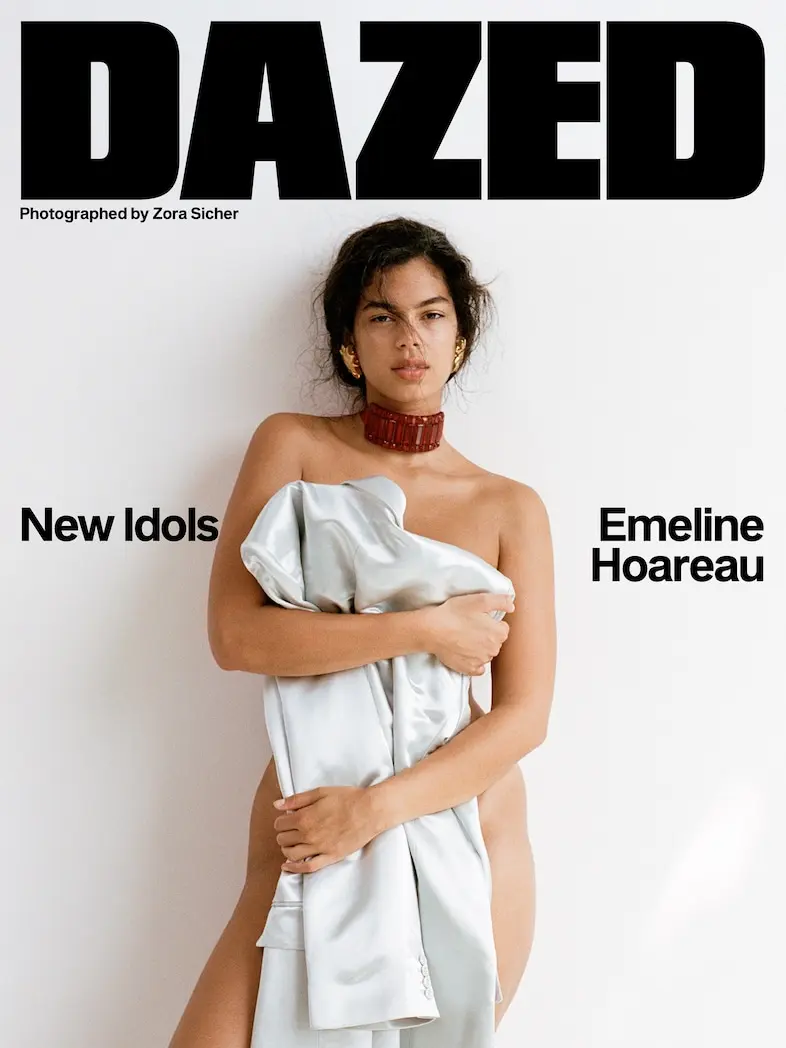
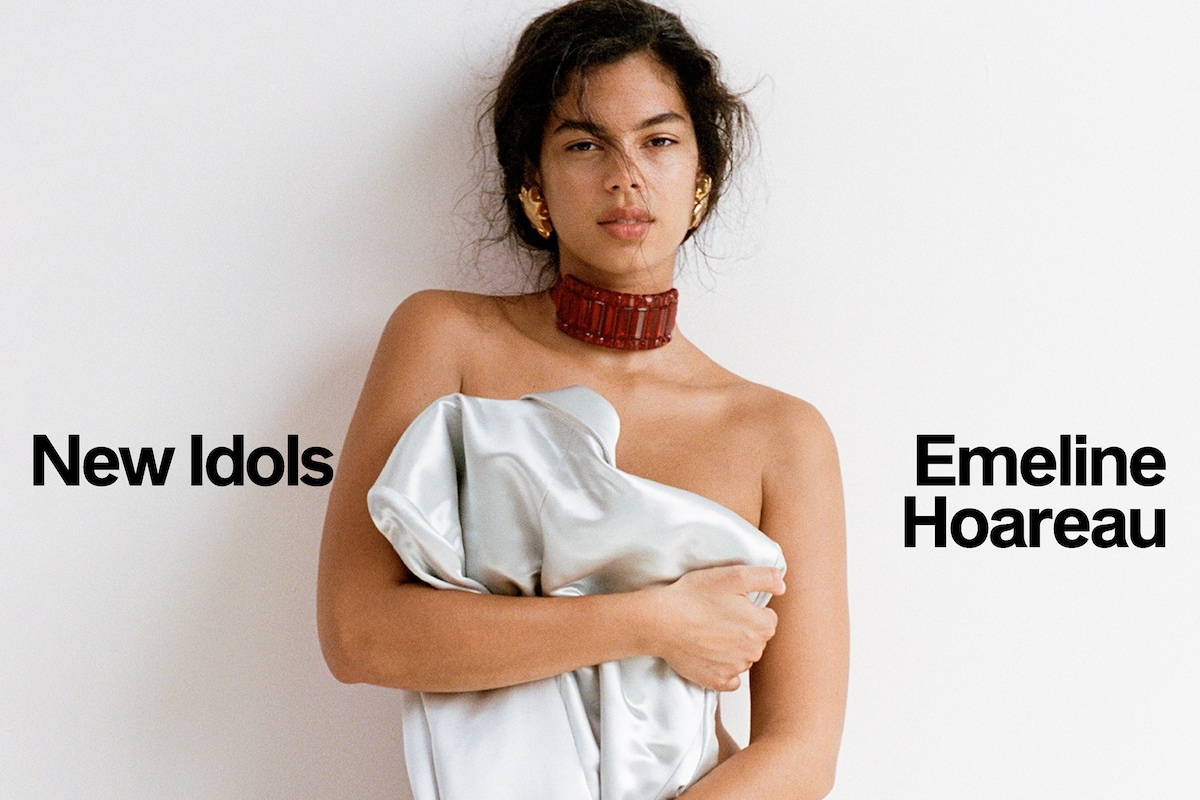
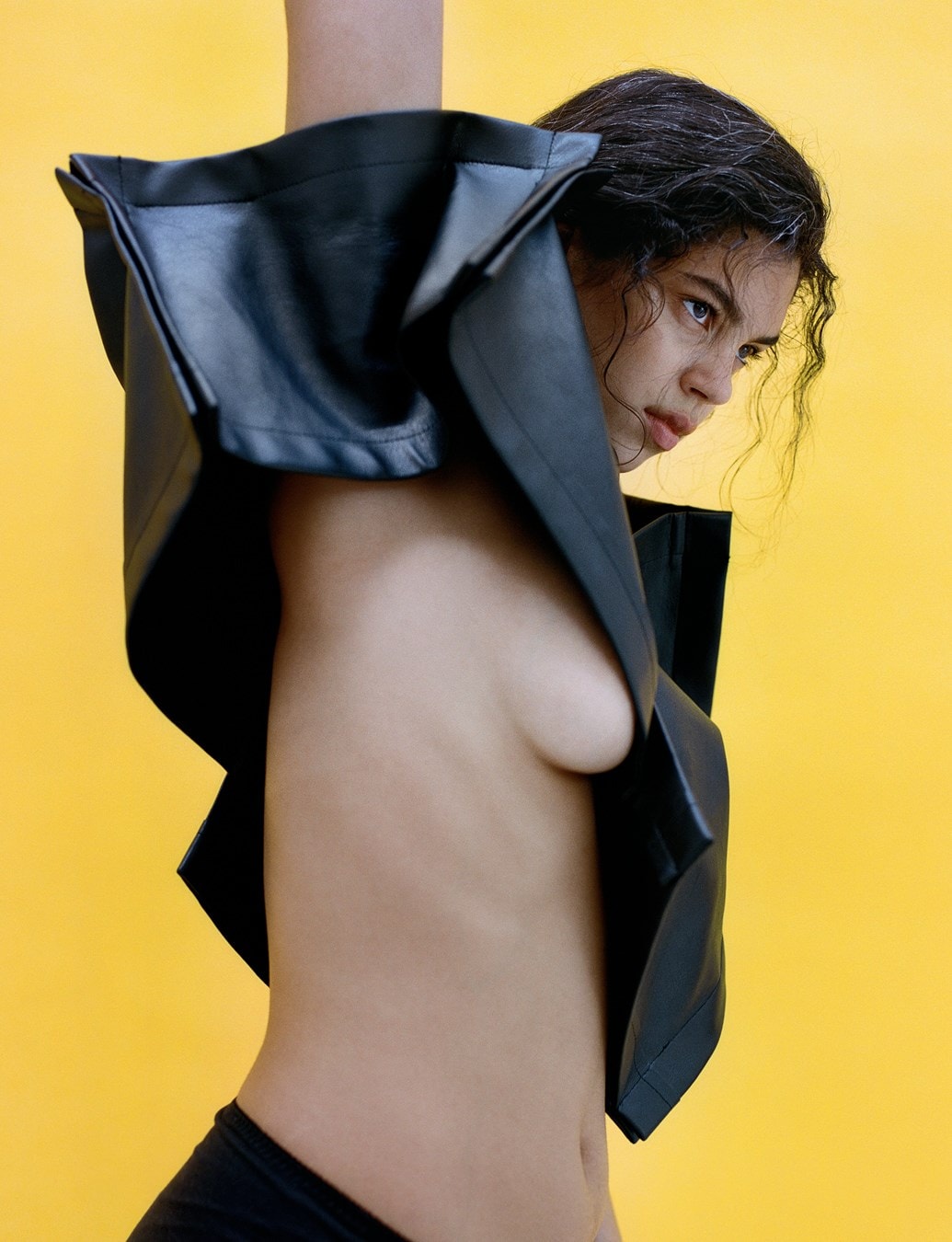
At the center of this cultural offering is cover model Emeline Hoareau (Select), whose striking features and versatile presence anchor a visual narrative shot by photographer Zora Sicher and styled by Danielle Emerson. Rather than simply showcasing seasonal wear, the Autumn 2026 issue interrogates the mechanics of desire—the "crush" as both a personal fixation and a systemic cultural driver. Through meticulous combinations of vintage couture—ranging from Christian Lacroix belts repurposed as intimate wear to archival Comme des Garçons and Givenchy by Sarah Burton—the editorial team constructs a dialogue between the historical weight of fashion houses and the rebellious kinetic energy of contemporary styling.
This article provides an exhaustive deep dive into the creation of Dazed’s Autumn 2026 issue. Beyond examining the high-profile wardrobe choices and the creative minds behind the lens, we explore the broader socio-cultural implications of how contemporary fashion print media anchors itself in an increasingly ephemeral digital landscape. From the precise mechanics of the set to the collaborative networks of hair, makeup, production, and casting, this feature decodes the exhaustive craftsmanship required to produce a definitive moment in modern style culture.
Detailed Chronology: The Making of "Crush"
The realization of a bi-annual publication of Dazed’s caliber is a marathon of logistics, conceptualization, and precise execution. The timeline of the Autumn 2026 issue unfolds across months of meticulous planning, bridging the gap between abstract mood boards and physical materiality.
Phase 1: Conceptualization and Casting (Early Spring 2026)
Months before the September 10 release date, the editorial and styling teams—led by stylist Danielle Emerson and casting director Isabel Bush (Concrete Represents)—began mapping out the thematic architecture of Crush. The central thesis revolved around subverting expectations: taking historical artifacts of luxury fashion and stripping them of their museum-like untouchability.
Casting was an intensive process. The team required a model who could embody both structural rigidity and fluid vulnerability. Emeline Hoareau emerged as the definitive choice. Represented by Select, Hoareau possessed the unique capability to carry sculptural vintage pieces without being swallowed by their historical weight. Isabel Bush’s casting sessions focused on finding a presence that felt raw, unpolished by standard commercial beauty metrics, yet undeniably magnetic.
Phase 2: Sourcing the Archive (Late Spring 2026)
The styling direction for Crush relied heavily on a curated juxtaposition of rare archival pieces and contemporary masterworks. Danielle Emerson, alongside styling assistants Caitlin Moriarty and Bethlehem Getachew, scoured legendary international showrooms and private collections.
Key milestones during this phase included securing:
- A vintage Christian Lacroix statement belt from 4element, destined to be radically re-contextualized as a structural bra.
- An elusive vintage skirt from Triptyc Archive.
- An archival Comme des Garçons top sourced directly from Rellik London.
- Intimate foundational pieces from Buttress & Snatch.
- The latest visionary output from Givenchy by Sarah Burton, representing the contemporary vanguard of structural elegance.
Phase 3: The Shoot and Production (Early Summer 2026)
Production was executed under the overarching management of Chris Cowan and Alice Young at 360PM, with operational support from production assistant Sebastian Echeverry. Set in a controlled London studio environment, the shoot brought together photographer Zora Sicher and a powerhouse beauty team.
Hair stylist Kei Terada (Julien Watson Agency), utilizing products by Hair by Sam McKnight, engineered looks that balanced sleek precision with organic movement. Simultaneously, makeup artist Lauren Reynolds (Bryant Artists) deployed a sophisticated palette anchored by Dior Forever Foundation and Dior Capture Le Sérum, ensuring the skin radiated a healthy, high-definition finish that complemented the metallic and leather textures of the wardrobe.
Photographic assistance was expertly managed by Willy Cuylits and Josh Rea, ensuring that Sicher’s vision—characterized by dramatic chiaroscuro lighting and intimate framing—was technically flawless.
Phase 4: Post-Production and Distribution (Mid-to-Late Summer 2026)
By July 2026, the raw captures entered the intensive selection and color-grading phase. Layout designs were finalized to emphasize the tactile quality of the magazine’s paper stock. Pre-orders went live via boutique platforms such as Boutique Galleria, allowing global consumers secure access ahead of the official September 10 international release date.
Supporting Context & Metrics: The Anatomy of the Styling
To fully appreciate the cultural weight of Dazed’s Autumn 2026 issue, one must examine the specific pairings that define its editorial spreads. Fashion in this issue is treated not as passive apparel, but as a sculptural medium.
Look Analysis: Deconstruction and Reassembly
The styling across the featured spreads relies on breaking down historical garments and reassembling them in provocative ways.
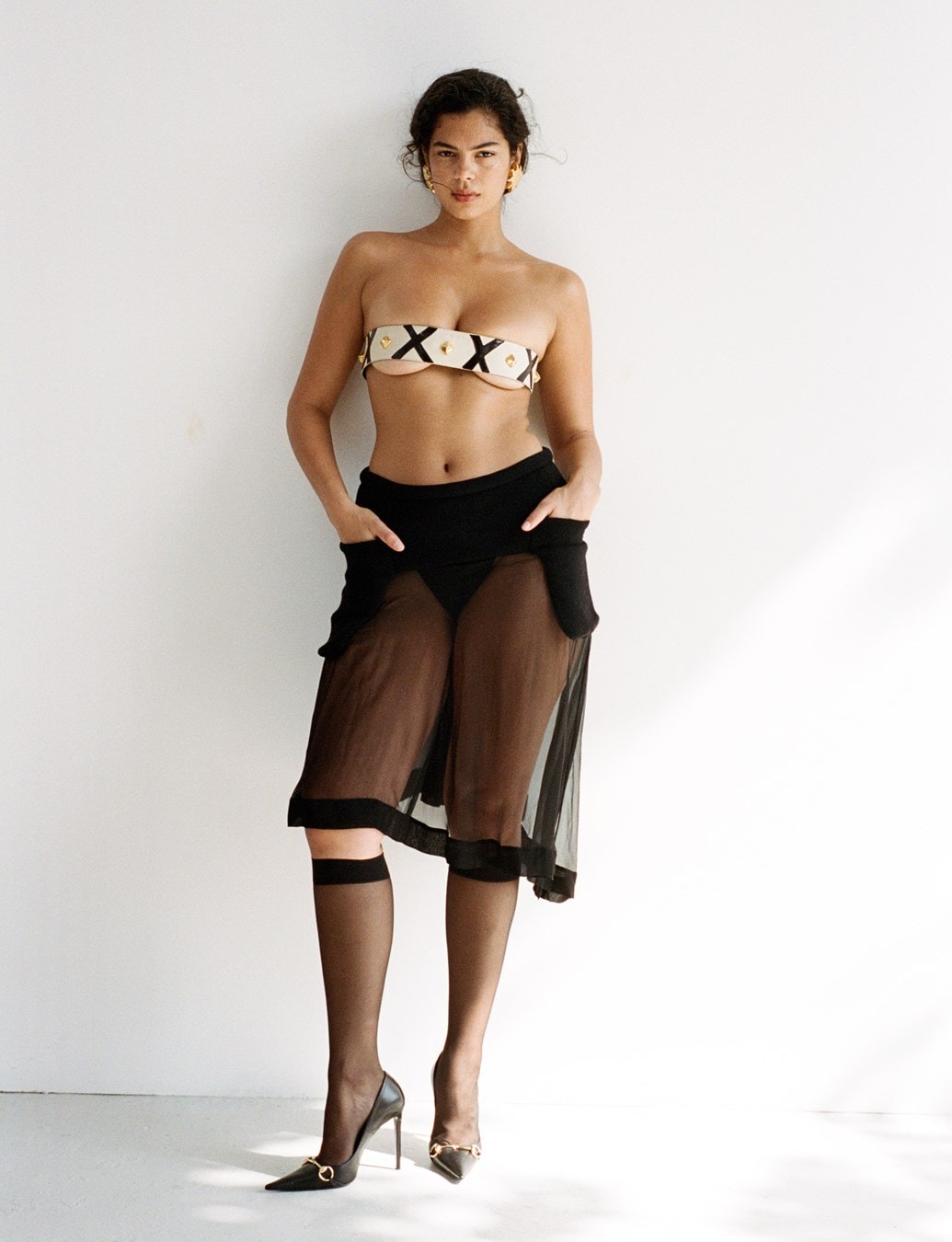
- The Lacroix Re-engineering: By taking a vintage Christian Lacroix belt—an item originally designed to define the waist—and deploying it as a structural brassiere, the stylists subvert 1980s maximalism into modern body architecture. Paired with 4element earrings, a Triptyc Archive vintage skirt, Falke nylon socks, and utilitarian leather-and-metal Gucci shoes, the look bridges opulent history with brutalist edge.
- The Archive Comme des Garçons Dialogue: Pairing an archival Comme des Garçons top from Rellik London with minimal cotton briefs from Buttress & Snatch highlights a recurring theme in the issue: the tension between heavy, conceptual outerwear and vulnerable, exposed underpinnings.
- The Burton-Era Givenchy Monolith: In a stark pivot from archival pastiche, the spreads featuring Givenchy by Sarah Burton present totalizing looks. Here, clothes, accessories, and shoes merge into a singular, cohesive aesthetic statement, showcasing Burton’s mastery of narrative tailoring and romantic darkness.
| Look Component | Brand / Source | Key Stylist Note |
|---|---|---|
| Bustier/Torso | Vintage Christian Lacroix (via 4element) / Archive Comme des Garçons (via Rellik London) | Repurposing waist-defining accessories as structural upper-body armor. |
| Underpinnings | Buttress & Snatch | Deliberate exposure of foundational garments to emphasize vulnerability. |
| Footwear | Gucci / Givenchy | Utilization of heavy hardware, bridging classic leathercraft with industrial metal elements. |
| Beauty Base | Dior Forever Foundation & Dior Capture Le Sérum | Achieving a breathable, high-luminescence skin finish that withstands harsh studio lighting. |
Official Statements and Creative Insights
The success of an editorial of this magnitude lies in the collaborative synergy of its contributors. While editorial statements in print are traditionally conveyed through imagery, the underlying philosophy of the Crush issue speaks volumes about where contemporary fashion publishing is heading.
Speaking on the curation of the issue, members of the Dazed creative collective emphasized the necessity of tactile resistance in a digital world. As algorithms push uniform, mass-produced aesthetics onto global feeds, projects like Crush act as an intentional speed bump. By investing heavily in archival preservation—sourcing pieces from independent boutiques like Rellik London and 4element—the magazine champions fashion as a historical archive rather than disposable content.
Furthermore, the integration of beauty heavyweights like Dior with underground archival pieces signals a mature styling philosophy. Hair stylist Kei Terada noted that the collaboration aimed to "respect the structural integrity of the clothes while ensuring the human element—the hair, the skin, the breath—remained palpably alive." This sentiment was echoed by makeup artist Lauren Reynolds, whose use of the Dior Capture Le Sérum regimen ensured that the models maintained a hydrated, multi-dimensional glow that cut through the heavy metallics and dark leather textures of the wardrobe.
Future Outlook: The Legacy of Dazed Autumn 2026
As the global fashion industry looks toward the remainder of the decade, the Autumn 2026 issue of Dazed establishes a benchmark for how print media can maintain relevance, authority, and cultural urgency.
1. The Resurgence of Archival Curation
The heavy reliance on vintage and archival pieces from institutions like Triptyc Archive and Rellik London signals a permanent shift in editorial styling. Future issues across the global publishing landscape will likely lean further into sustainability and historical preservation, treating past collections not as dead inventory, but as active participants in modern wardrobes.
2. The Evolution of Independent Print
In an economic climate where digital spaces dominate advertising revenue, Dazed continues to prove that physical print—when executed as a luxury art object—commands dedicated consumer loyalty. The success of pre-order platforms (such as Boutique Galleria) demonstrates that collectors are willing to invest in physical editions that double as coffee-table art books.
3. Collaborative Interdisciplinarity
The seamless blending of high-fashion houses (Givenchy by Sarah Burton, Gucci) with independent lingerie ateliers (Buttress & Snatch) and vintage curators points toward a more democratized, non-hierarchical future of styling. By stripping away brand snobbery and focusing purely on silhouette, texture, and emotional resonance, Dazed has crafted an issue that will be studied by designers, stylists, and historians for years to come.
The autumn 2026 issue of Dazed is available internationally from September 10.