Executive Overview
In a dramatic escalation of video game cybersecurity threats, developer Hologryph and publisher tinyBuild have been forced to take their popular multiplayer social deduction game, Secret Neighbor, completely offline. The emergency shutdown follows a severe security breach in which an unauthorized actor gained high-level administrative access to the game’s backend infrastructure.
The attacker leveraged these compromised credentials to execute a malicious wipe of core player data, including user profiles, progression milestones, and unlockable assets. Beyond the immediate data destruction, the incident has evolved into a calculated extortion attempt. According to communications released by the development team, the perpetrator has explicitly threatened to maintain an ongoing campaign of sabotage against the game’s servers unless it is permanently delisted and removed from sale across all digital storefronts.
While the incident has caused considerable anxiety within the community, both Hologryph and tinyBuild have confirmed through preliminary forensic assessments that no sensitive personal data or financial information was accessed or compromised during the intrusion. Nevertheless, the scale of the infrastructure disruption has prompted immediate defensive measures, including collaboration with backend service providers and law enforcement agencies to identify the culprit, secure system vulnerabilities, and explore pathways for data recovery.
Detailed Chronology of the Breach
The unfolding crisis began late last week when anomalous activities were first detected within the administrative architecture of Secret Neighbor. According to post-incident disclosures, an external actor managed to acquire credentials granting full administrator-level privileges to the game’s backend systems.
Operating with these elevated permissions, the intruder initiated a coordinated and destructive assault across the game’s cross-platform server infrastructure. Player profiles, accumulated progression data, cosmetic items, and save states were systematically scrubbed in real time. The attackers did not limit their activity to data deletion; they also launched broader infrastructure disruptions designed to cripple the game’s matchmaking and lobby stability.
As technical teams scrambled to diagnose the extent of the unauthorized access, the true motive behind the attack became apparent. The hacker established contact—or left digital breadcrumbs within the compromised systems—outlining a clear demand: Secret Neighbor must be pulled from distribution entirely. The perpetrator explicitly stated their intent to repeatedly target and harass the game’s backend ecosystem until publishers capitulate and remove the title from digital shelves.
Faced with a persistent threat actor actively weaponizing administrative access, Hologryph and tinyBuild made the decisive call to pull the plug. Rather than attempting to patch holes while the attacker maintained active footholds in the live environment, the teams instituted a total offline lockdown to audit every layer of their server infrastructure and eliminate potential backdoors.
Official Statements and Industry Response
The unprecedented nature of the attack prompted transparent, albeit cautious, disclosures from the creative entities behind the title. In an official joint statement published via Steam, Hologryph and tinyBuild detailed the severity of the security breach while addressing community concerns head-on.
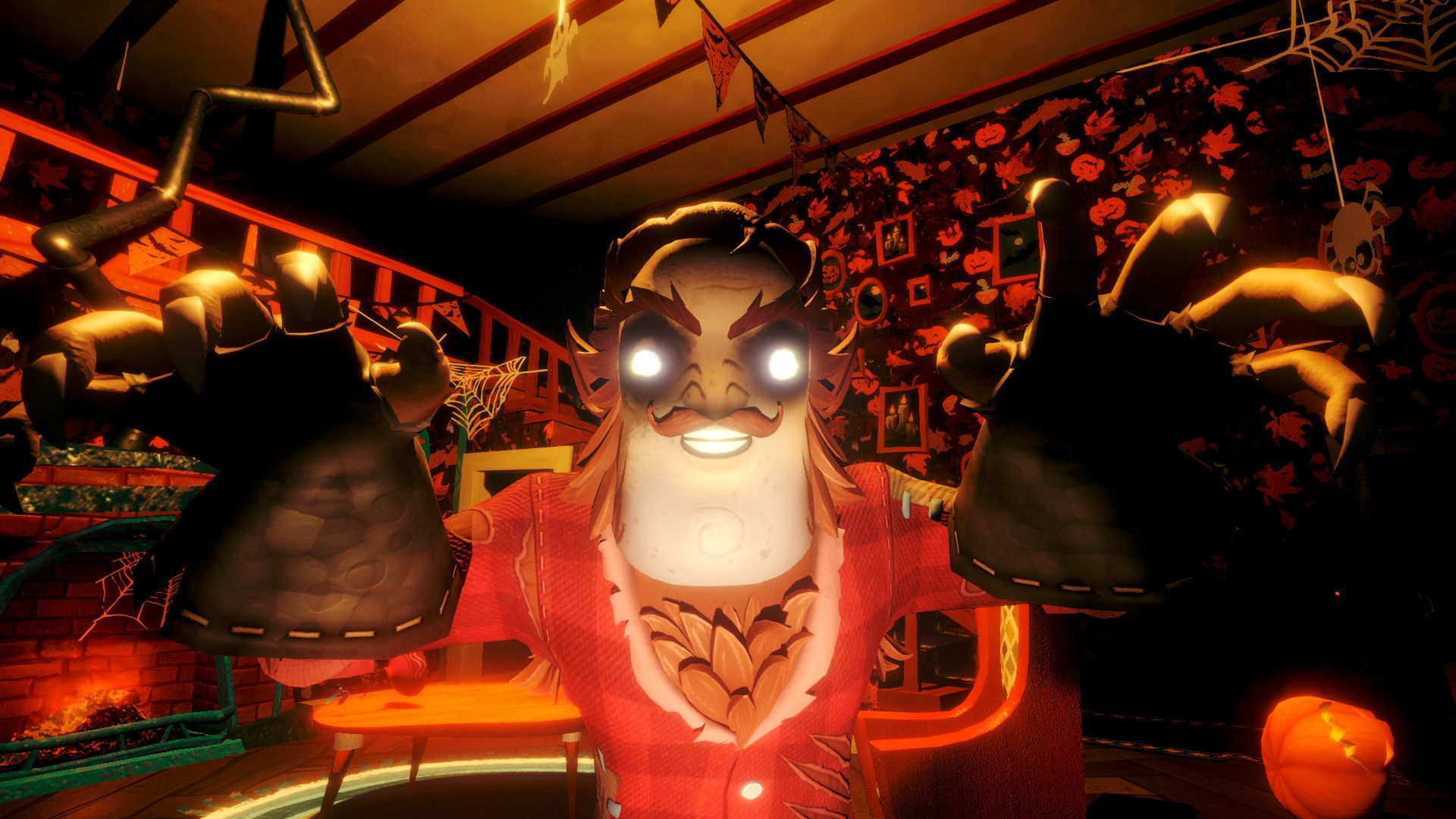
"Last week, Secret Neighbor experienced a coordinated attack on our server systems and infrastructure across platforms," the developers stated. "An individual obtained credentials with admin access and proceeded to delete player data. Furthermore, the attacker has stated they intend to continue targeting the game and its backend systems until the game is removed from sale across all platforms."
Addressing the paramount concern of user safety and data privacy, the studio issued a reassuring clarification: "We want to reassure our players that, based on our current investigation, no personal data or sensitive information has been compromised in this attack."
To rectify the situation, Hologryph confirmed they are working hand-in-hand with PlayFab, the third-party provider responsible for managing Secret Neighbor’s backend services, to evaluate disaster recovery options. The primary objective of this technical partnership is to determine whether wiped player progression can be successfully restored from secure backups or server snapshots taken prior to the breach.
Furthermore, the developers have escalated the matter beyond corporate cybersecurity teams, confirming that formal reports have been filed with the relevant legal and law enforcement authorities to pursue the attacker through judicial channels.
Supporting Context & Metrics: The Legacy of Hello Neighbor
To fully understand the gravity of the attack on Secret Neighbor, it is essential to contextualize the game within the broader commercial empire built around the Hello Neighbor intellectual property.
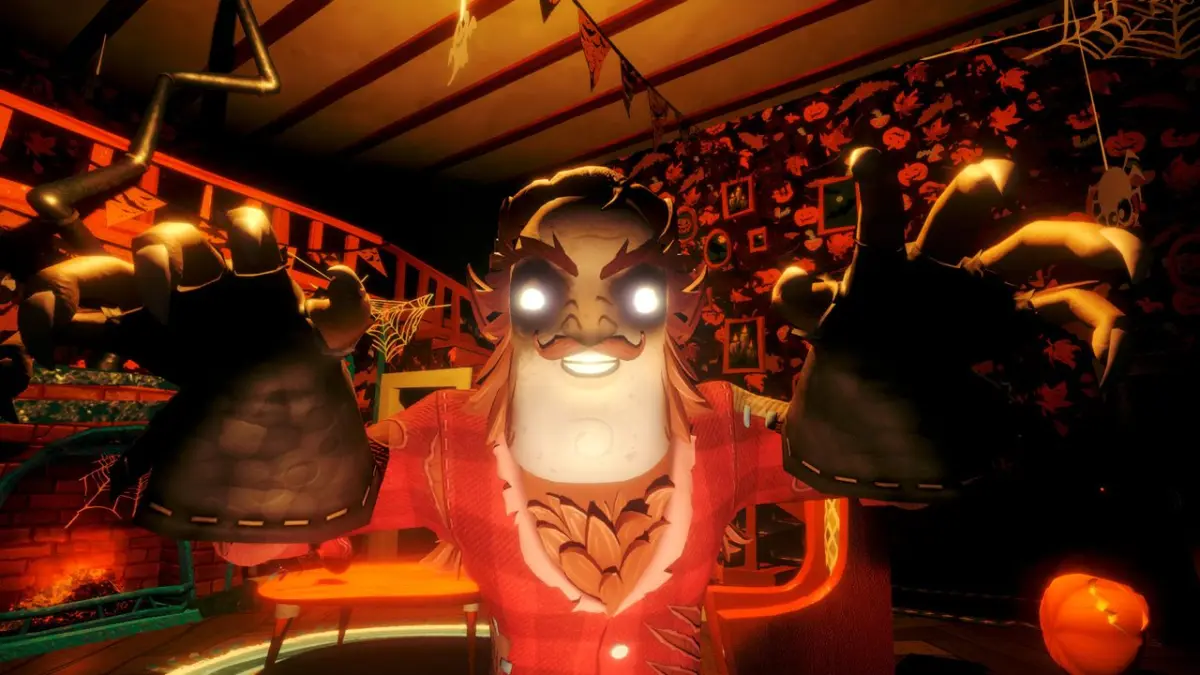
Released in October 2019, Secret Neighbor was designed as a multiplayer spin-off to tinyBuild’s breakout 2017 stealth-horror hit, Hello Neighbor. While the original single-player game focused on a solitary protagonist sneaking into a creepy neighbor’s basement to uncover dark secrets, Secret Neighbor introduced an asymmetrical multiplayer dynamic. In this spin-off, a group of children try to rescue their friend from a basement, but one of the kids is actually the neighbor in disguise—combining social deduction with survival horror mechanics.
The commercial viability and long-term potential of Secret Neighbor prompted significant corporate investment. In 2020, tinyBuild injected a substantial $3 million into Hologryph, effectively becoming a majority stakeholder in the studio. This acquisition followed tinyBuild’s earlier buyout of Dynamic Pixels, the original creators of the Hello Neighbor franchise, cementing a unified production pipeline for the expanding horror universe.
The franchise itself has proven remarkably resilient and commercially lucrative over the years:
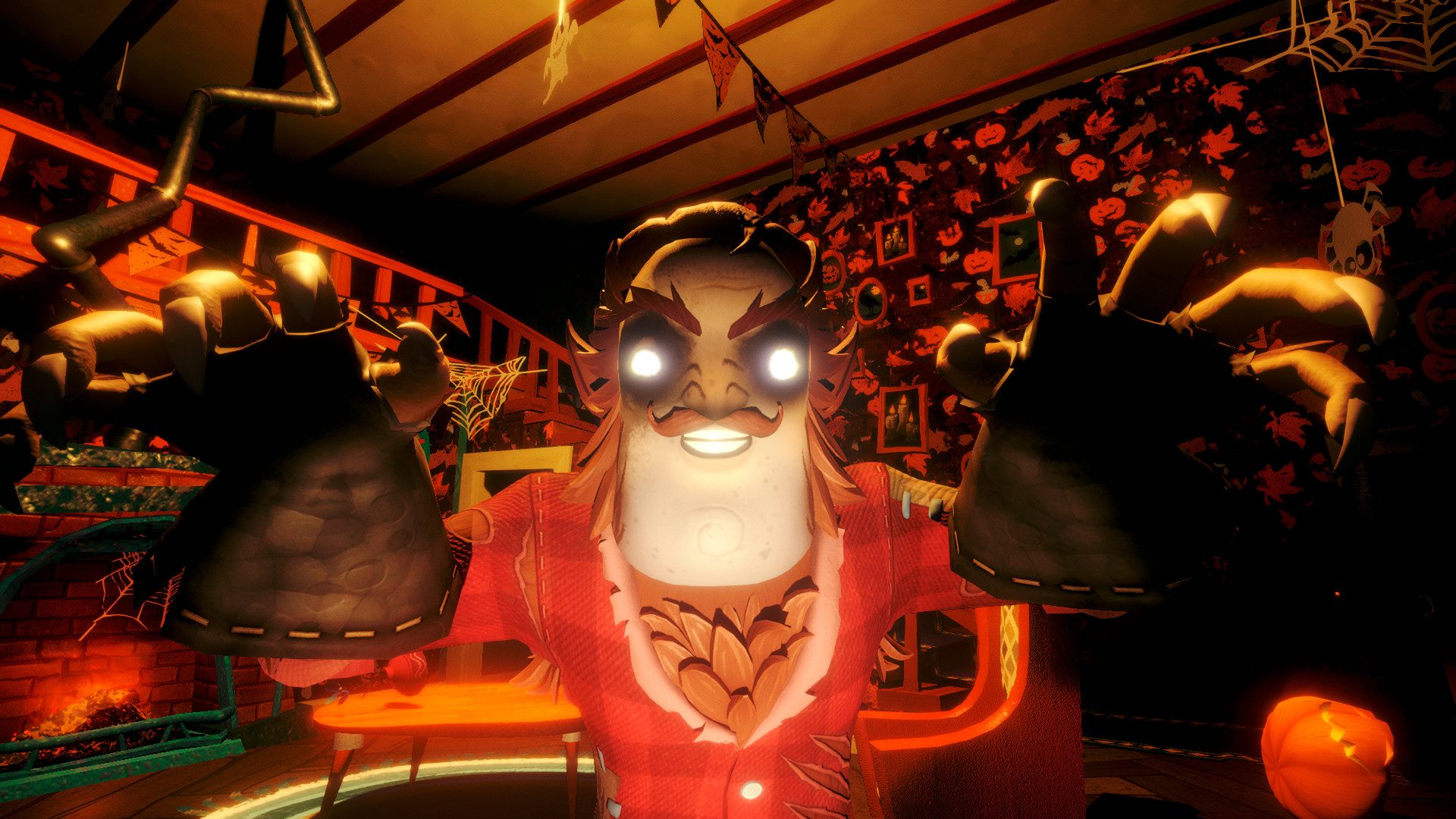
- The Sequel: Hello Neighbor 2 launched in late 2022, expanding the franchise into open-world investigative gameplay.
- Future Projects: A third installment in the primary franchise is currently in active development, signaling sustained publisher confidence.
- Enduring Popularity: Remarkably, the original 2017 Hello Neighbor continues to shatter internal milestones. In March of this year, the game achieved its highest peak concurrent player-count on Steam, proving that the franchise retains a massive, active, and deeply engaged global audience nearly a decade after its initial release.
It is precisely this vibrant community and enduring commercial footprint that make games like Secret Neighbor attractive targets for malicious actors seeking maximum disruption or leveraging extortion schemes against mid-tier publishers.
Future Outlook: Recovery, Resilience, and Next Steps
As the dust settles on one of the most brazen targeted cyberattacks against an active multiplayer title in recent memory, the immediate future for Secret Neighbor remains fluid.
As of press time, neither Hologryph nor tinyBuild has provided a definitive timeframe for when the game’s servers will be brought back online. The complexity of auditing enterprise-grade server infrastructure, hardening APIs, and verifying the absolute integrity of backend codebases means that rushing the recovery process could invite secondary vulnerabilities.
Curiously, while the game’s servers remain dark and online features are completely disabled, Secret Neighbor has not been pulled from sale. The title remains actively listed on Steam for purchase—a strategic decision that underscores the developers’ refusal to bow to the hacker’s extortion demands. By keeping the game available while aggressively fortifying its underlying architecture, tinyBuild and Hologryph are signaling a hardline stance against digital blackmail.
For the player base, the path forward involves patience. The lingering question regarding whether lost in-game progression and wiped profiles can be fully recovered depends entirely on the efficacy of PlayFab’s data redundancy systems and the integrity of pre-attack server archives.
Hologryph has pledged to maintain open lines of communication, promising regular updates through official community channels as remediation progress unfolds. In an era where live-service games face constant threats from DDoS attacks, data leaks, and server exploits, the resolution of the Secret Neighbor crisis will likely serve as a critical case study in how independent developers and publishers handle targeted cyber-extortion.