Executive Overview
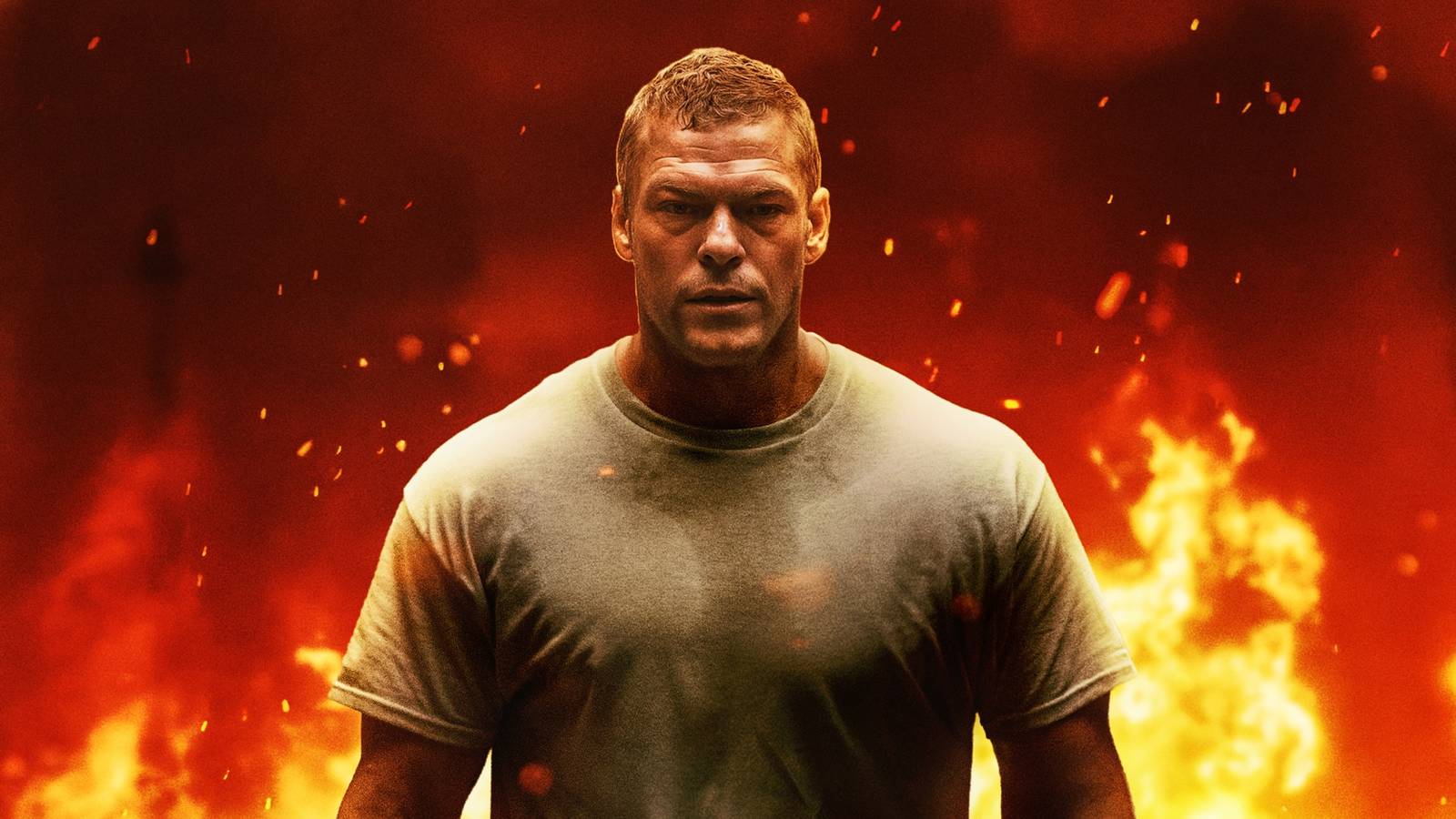
In the rapidly shifting landscape of modern Hollywood distribution, the boundary between theatrical failure and streaming success has never been more porous. Few projects exemplify this phenomenon quite as vividly as Motor City, the hard-boiled 1970s revenge thriller starring reigning digital action titan Alan Ritchson. Released theatrically in July by IFC, the film suffered a dismal run on the big screen, pulling in a meager $3 million globally and appearing destined for the cinematic graveyard of forgotten mid-budget experiments.
Yet, within days of its digital video-on-demand (VOD) debut on August 26, the tide dramatically turned. Motor City surged up home video charts, capturing the No. 4 spot on Apple TV and cracking the top 10 on Amazon Prime Video at No. 9. This sudden resurgence underscores a fascinating contemporary viewing habit: audiences increasingly prefer consuming pure, unadulterated genre filmmaking from the comfort of their living rooms. For Ritchson—who has already cemented his status as a streaming juggernaut through Prime Video’s Reacher and Netflix’s sci-fi heavy hitter War Machine—Motor City proves that his particular brand of muscle-bound, quiet intensity commands immense digital loyalty, even when traditional theatrical models fail to ignite.
Detailed Chronology: The Journey of Motor City
To understand the bifurcated life of Motor City, one must trace its path from production conceptualization to its current status as a digital powerhouse.
The Conception and Production Phase
Penned by action scribe Chad St. John (London Has Fallen, Peppermint) and directed by Potsy Ponciroli (Old Henry, Greedy People), Motor City was envisioned as a throwback to gritty, dialogue-sparse exploitation cinema. Set against the atmospheric backdrop of 1970s Detroit, the narrative follows John Miller (Ritchson), a working-class romantic whose life is upended after he falls for a local gangster’s girl. Framed for a crime he did not commit, Miller is sentenced to a brutal stint behind bars. Upon his release, his motivations are stripped down to their rawest elements: survival, retribution, and absolute annihilation of the man who stole his life.
Principal photography captured the gritty aesthetic of a bygone era, pairing Ritchson with an ensemble cast that included Shailene Woodley, Pablo Schreiber, Ben Foster, and Ben McKenzie, alongside a surprise cameo by rock icon Jack White of The White Stripes.
The Theatrical Stumble
When IFC rolled Motor City into movie theaters in July, the release strategy hit a massive wall. Despite Ritchson’s soaring popularity, audiences largely stayed away from multiplexes. Industry analysts pointed to the crowded summer box office, shifting consumer habits regarding mid-budget genre films, and a lack of traditional marketing muscle as primary culprits. By the end of its theatrical run, Box Office Mojo reported a domestic and global tally of just $3 million—a figure that spells financial disaster for traditional theatrical distribution models.
The Digital Renaissance
Recognizing the film’s shelf-life potential, the studio pivoted swiftly to digital storefronts, releasing Motor City for purchase and rental on August 26 across platforms including Apple TV, Amazon Prime Video, and Fandango at Home. The response was immediate. Stripped of the financial barrier and scheduling friction of a theater ticket, home audiences embraced the film. Within 72 hours, it established a firm foothold in the upper echelons of digital rental charts, proving that while moviegoers may abandon theaters for certain genres, they will readily stream them en masse.
Supporting Context & Metrics: The Ritchson Streaming Phenomenon
The trajectory of Motor City cannot be evaluated in a vacuum; it is part of a larger career blueprint that has transformed Alan Ritchson into one of the most bankable streaming commodities of the decade.
The Metrics of Modern Stardom
While traditional box office numbers remain the historical gold standard for Hollywood prestige, streaming metrics and VOD chart rankings have become the truest indicators of an actor’s active engagement base. Consider the stark contrast in Ritchson’s portfolio:
- Theatrical Outlier: Motor City ($3 million box office gross).
- Streaming Giants: Prime Video’s Reacher (consistently shattering viewership records across multiple seasons) and Netflix’s War Machine (ranking among the platform’s most-watched sci-fi action features).
This data reveals a distinct audience segmentation. Ritchson’s core demographic—fans of high-octane, no-nonsense physical action—increasingly treats movie theaters as reserved spaces for franchise tentpoles (like Marvel or Avatar), while reserving streaming and digital purchases for hard-edged, R-rated genre exercises.
A Masterclass in Visual Storytelling
What separates Motor City from standard direct-to-video fare is its distinct aesthetic commitment to silence. According to cast members, the entire film relies on a shockingly lean script featuring a mere five lines of dialogue throughout its runtime.
Critics and creators alike have compared this bold stylistic choice to modern classics like Mad Max: Fury Road and the original John Wick. In these films, exposition is discarded in favor of environmental world-building, costume design, and behavioral cues. As critic Terry Terrones noted in his review for Polygon, the film "is simply observant," asking viewers to engage with cinema as a purely visual medium rather than a puzzle box of complicated exposition.
Official Statements and Creative Insights
The filmmakers behind Motor City have been vocal about the deliberate artistic choices that define the project, particularly its heavy reliance on kinetic action over conversational exposition.
Director Potsy Ponciroli spoke candidly about the film’s visceral intensity during interviews surrounding its release. Highlighting a standout set piece that has quickly become a major talking point among digital viewers, Ponciroli emphasized the reaction of test and premiere audiences:

"The elevator fight. Everybody has to see it," Ponciroli shared. "[When we did our premiere,] you could literally feel the entire theater tense up during it. That’s the big moment."
The stylistic minimalist approach was championed by writer Chad St. John, whose script deliberately traded lengthy monologues for kinetic momentum, creating a relentless pacing that translates exceptionally well to home viewing formats where viewer engagement can wane if dialogue bogs down the narrative.
Critical reception, while mixed—resulting in a 63% Tomatometer score on Rotten Tomatoes—largely agreed that the film’s unapologetic devotion to old-school, punch-first-ask-questions-later action gave it a distinct personality. Reviewers noted that while the plot is familiar revenge-thriller boilerplate, the execution, anchored by Ritchson’s commanding physical presence and Ponciroli’s sharp framing, elevates it above standard VOD fodder.
Future Outlook: The New Paradigm for Action Cinema
The rapid pivot of Motor City from theatrical casualty to VOD chart-topper offers a crucial bellwether for the future of mid-budget action filmmaking. As production costs rise and theatrical exhibition slots become increasingly reserved for pre-branded intellectual property, original action movies face an uphill battle to turn a profit on the big screen.
However, the success of Motor City on Apple TV and Prime Video demonstrates that platforms can serve as highly lucrative incubators for genre titles. Studios are learning that a theatrical release no longer serves as the definitive arbiter of a film’s success or failure; rather, it often functions as an expensive marketing campaign to build brand awareness for the ultimate home-video payday.
For Alan Ritchson, this digital triumph further solidifies his status as the heir apparent to 1980s and 90s action icons like Arnold Schwarzenegger and Sylvester Stallone—actors whose appeal rested not on theatrical exclusivity, but on the reliable delivery of high-adrenaline entertainment directly to the masses. As Motor City continues to climb home video charts, it signals a lucrative roadmap for future genre projects: embrace the streaming ecosystem, lean into bold visual storytelling, and let the audience watch the bones break right from their living room couches.