Executive Overview
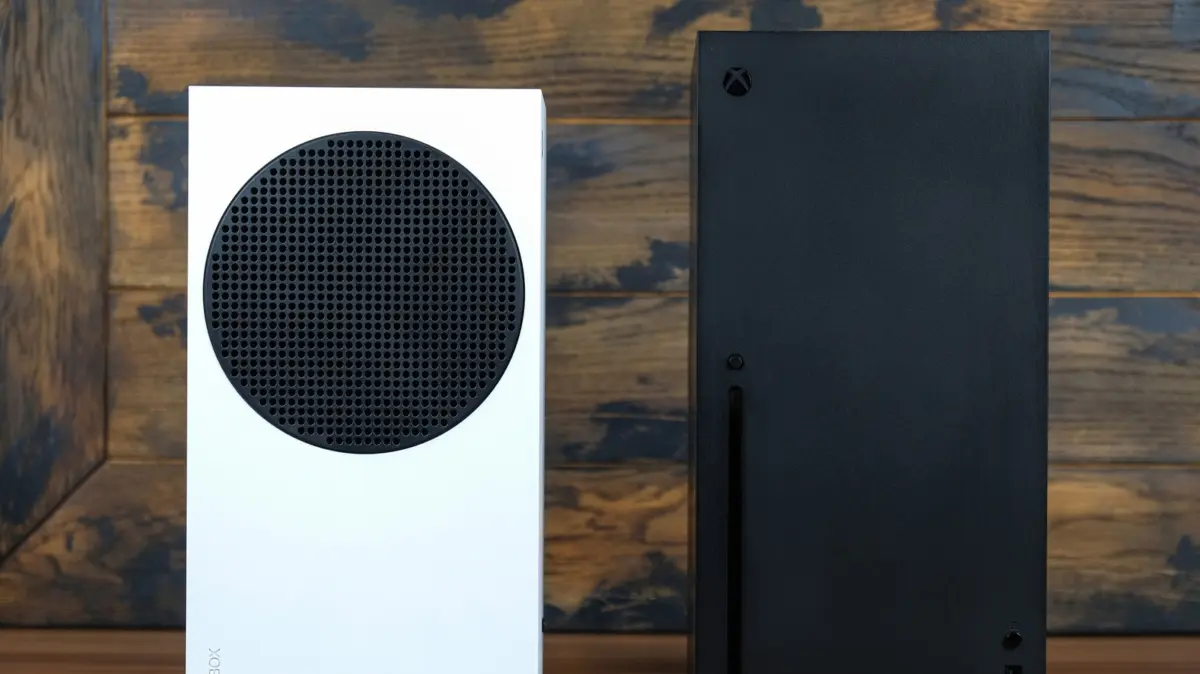
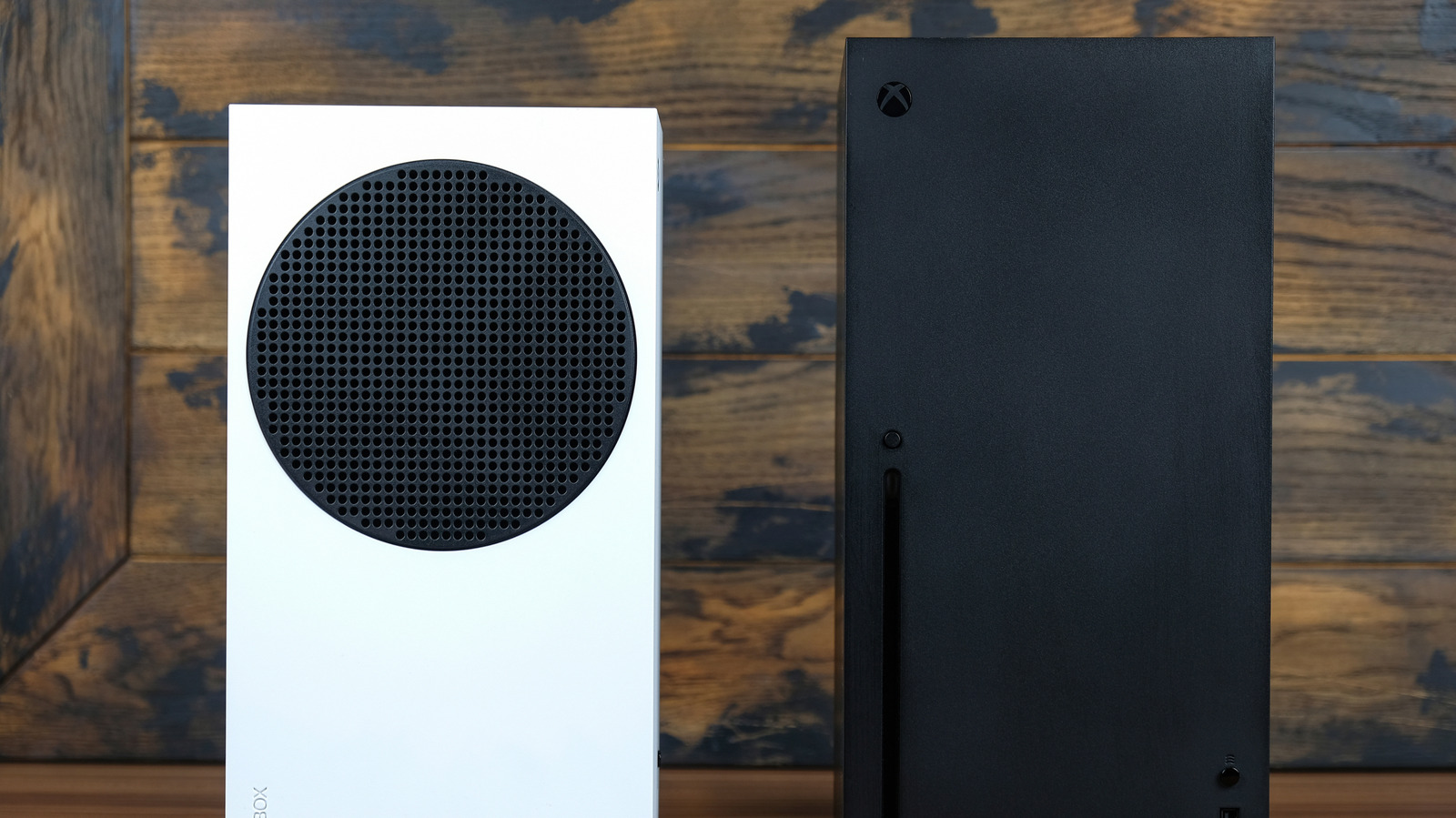
For millions of gamers worldwide, birthdays are marked by the traditional trifecta: cake, candles, and an array of tangible or digital gifts from friends and family. However, in the modern digital age, our entertainment ecosystems have also begun to join in on the celebration. If you are an active participant in the Microsoft ecosystem—whether you own an Xbox Series X, an Xbox Series S, or utilize Xbox Game Pass on a high-performance gaming laptop—you may have wondered what kind of special treatment you receive from Microsoft when your special day rolls around.
The short answer is nuanced: Microsoft does not simply deposit a shiny, brand-new AAA title directly into your library when you blow out your candles. Instead, the tech giant approaches birthdays through the lens of its loyalty infrastructure, offering specialized bonus point opportunities via the Microsoft Rewards program.
While these perks may not be as immediately glamorous as a complimentary copy of a major franchise release, they provide a tangible way for dedicated gamers to pad their digital wallets. During your birthday week, Microsoft offers a multiplier on your purchases, turning standard digital shopping into an accelerated point-earning venture. This investigative overview explores the mechanics of the Xbox birthday promotion, breaks down the mathematics of the Microsoft Rewards system, evaluates the actual utility of what you can purchase with your hard-earned points, and offers strategic advice on how to navigate the ecosystem without falling into consumer traps.
Detailed Chronology: How the Xbox Birthday Promotion Operates
Understanding how to capitalize on your birthday within the Xbox ecosystem requires looking closely at the timeline and structural prerequisites set by Microsoft. The process is entirely automated, but it demands active participation and specific account maintenance to ensure you do not miss out on the window of opportunity.
Step 1: Setting Up the Prerequisites
Before any birthday-specific bonuses can be factored into your account, you must meet two fundamental baseline requirements:
- A Verified Microsoft Account: Your account must be active, in good standing, and have your accurate date of birth registered. Changing your birthdate retroactively to trigger rewards is heavily monitored by Microsoft’s security protocols and can result in account flags or suspensions.
- Registration for Microsoft Rewards: Simply having an Xbox profile is not enough. You must explicitly opt into the Microsoft Rewards program (accessible via the web, the Xbox mobile app, or directly through your console dashboard).
Step 2: The Birthday Window
Once your account is properly configured, the promotion triggers automatically during your birth week.
- The Timeline: The promotional window officially commences on the Monday of your birthday week and concludes at midnight on the following Sunday.
- The Mechanic: During this seven-day period, Microsoft adjusts your point-earning potential by offering double Microsoft Rewards points on eligible purchases made through the official Microsoft Store. This includes digital game purchases, downloadable content (DLC), expansion packs, and add-ons.
Step 3: Verification and Claiming
After making an eligible purchase during your birthday week, the bonus points do not always appear instantaneously, though they typically register within 24 to 48 hours. To check your balance:
- Open the Xbox App on your console, PC, or mobile device.
- Navigate to the Microsoft Rewards hub.
- Review your point ledger to confirm that the double-point multiplier has been successfully applied to your birthday-week transactions.
Supporting Context & Metrics: Breaking Down the Points and Payouts
To truly understand the value of Xbox’s birthday offering, one must analyze the mathematics of the Microsoft Rewards program. Rewards points can feel like abstract numbers, but when converted into real-world purchasing power, a clearer picture emerges regarding what these points can—and cannot—achieve.
What Can You Actually Buy?
Many users fall into the trap of assuming that accumulating thousands of points will allow them to sweep up major upcoming releases. Unfortunately, the catalog of redemption options in the Xbox Rewards hub is tightly curated. You cannot directly acquire full-priced, newly released blockbuster titles through standard birthday multipliers alone.
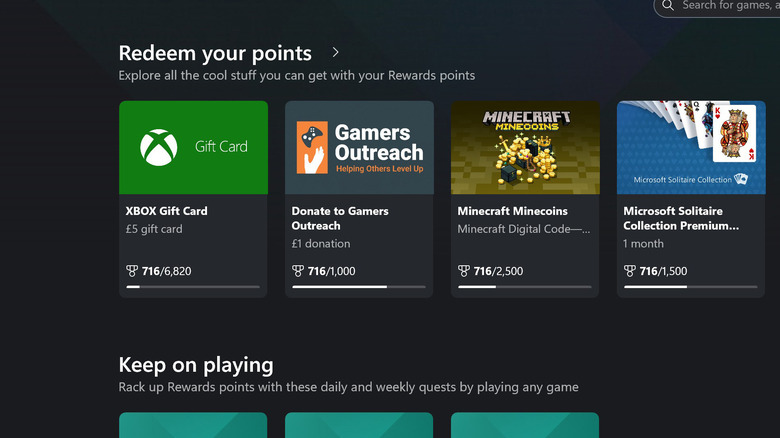
Instead, the rewards hub focuses heavily on gift cards, digital in-game currencies, and charitable donations. Consider the following breakdown of typical redemption costs based on the current Microsoft Rewards catalog:
| Reward Item | Point Cost | Approximate Real-World Value |
|---|---|---|
| Xbox Gift Card ($5 / £5) | 6,820 Points | $5.00 / £5.00 |
| Minecraft Minecoins (330 Pack) | 2,500 Points | ~$2.00 |
| Sea of Thieves Ancient Coin Pack | 1,700 Points | ~$1.50 |
| Candy Crush Digital Currency Card | 1,500 Points | ~$1.00 |
| League of Legends Gift Card | 6,500 Points | $5.00 / £5.00 |
| Charity Donation (UNICEF / Girls Who Code) | 1,000 Points | $1.00 (Donated by Microsoft) |
Analyzing the Value Proposition
When looking at these metrics, a vital strategic insight emerges: Points are difficult to farm in large volumes rapidly. Because the birthday perk relies entirely on spending money (offering double points on purchases made during your birthday week), it is fundamentally a loyalty rebate rather than a free handout.
For instance, if you happen to plan your digital game purchases—such as picking up a new indie title or a season pass—during your birthday week, the double points act as a pleasant cash-back bonus. However, financial analysts and consumer advocates strongly advise against artificially inflating your spending on the Microsoft Store just to chase these points. Spending $60 to $70 on a game solely to secure extra points that translate into a fraction of that value in gift cards is mathematically inefficient.
Official Perspectives and Ecosystem Strategy
Microsoft’s approach to birthday incentives reflects a broader industry shift toward ecosystem retention and engagement metrics. Rather than treating birthdays as standalone marketing moments of generosity (such as physical merchandise or unconditional cash gifts), tech giants treat them as touchpoints within a continuous loyalty loop.
The Philosophy of Engagement-Driven Rewards
Industry observers note that programs like Microsoft Rewards are designed to cultivate daily habits. By tying bonuses to specific temporal windows (like a birthday week), companies encourage users to keep their payment methods linked to the platform, check their apps regularly, and funnel their gaming budget through a single storefront (the Microsoft Store) rather than competing platforms like Steam, PlayStation Network, or Nintendo eShop.
From Microsoft’s official standpoint, the Rewards hub serves a dual purpose:
- User Retention: Keeping players embedded in the Xbox app ecosystem where they can view daily streaks, complete simple searches on Bing, and participate in Game Pass quests.
- Ecosystem Synergy: Driving traffic to mobile and PC apps, ensuring that the Xbox brand remains present in a user’s daily digital life even when they are away from their living room console.
While community feedback often highlights a desire for more substantial, unconditional gifts—such as a free month of Xbox Game Pass Ultimate or a complimentary game rental on one’s birthday—Microsoft’s transactional model remains firmly rooted in structured, points-based capitalism.
Future Outlook: Where Are Digital Loyalty Programs Headed?
As the gaming industry continues its rapid evolution toward cloud gaming, all-digital libraries, and subscription-centric models like Xbox Game Pass, the nature of consumer rewards is bound to transform. Looking ahead over the next few years, several trends are likely to shape how platforms like Xbox handle user birthdays and loyalty perks:
1. Deeper Integration of AI and Personalization
As artificial intelligence becomes standard in customer relationship management, we can expect loyalty programs to move away from rigid, one-size-fits-all promotions. Future birthday perks may analyze a user’s specific gameplay history—such as noticing a player has spent 200 hours in Sea of Thieves—and automatically generate a targeted, highly personalized birthday bonus, such as a discount code specifically for that game’s upcoming expansion rather than a generic currency pack.
2. Subscription-Centric Perks
With Xbox Game Pass serving as the beating heart of Microsoft’s gaming strategy, tying birthday bonuses more closely to subscription tiers feels like an inevitable next step. Imagine a future where reaching your birthday while subscribed to Game Pass Ultimate unlocks exclusive cloud-gaming perks, early access to betas, or temporary point multipliers that apply not just to purchases, but to playtime milestones.
3. Sustainability and Philanthropic Growth
The inclusion of charity donations within the Microsoft Rewards redemption catalog has proven popular among socially conscious gamers. Future iterations of birthday rewards may feature enhanced matching programs—for instance, where Microsoft triples the impact of points donated to charities during a user’s birthday month.
Conclusion
While receiving an automated email with a reminder to buy things so you can earn double points might not match the dopamine rush of opening a physical wrapped present, the Xbox birthday rewards system still offers a modest upside for the dedicated gamer.
By understanding the rules of the Microsoft Rewards hub, timing your digital purchases strategically, and maintaining realistic expectations about what points can buy, you can quietly optimize your digital library without falling into unnecessary spending traps. So, the next time your birthday rolls around, go ahead and enjoy your cake, fire up your Xbox Series X/S or gaming laptop, and if you happen to be making a planned digital purchase anyway, make sure to cash in on those double points.