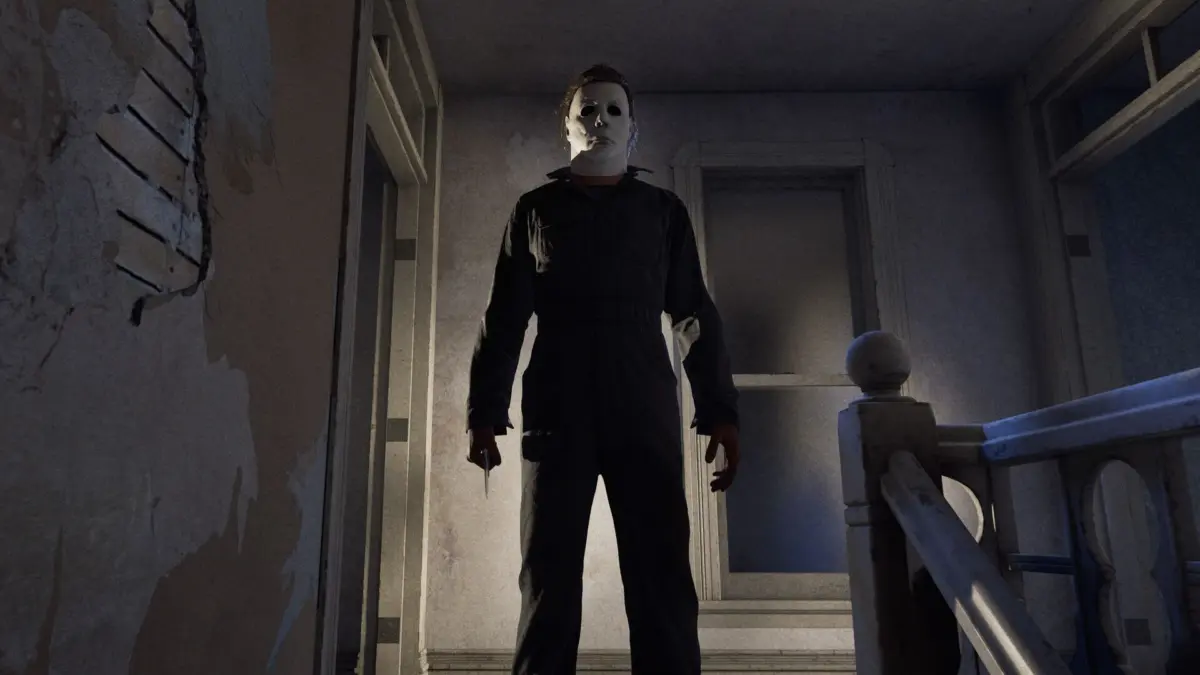
TOKYO / SYDNEY — As the gaming industry prepares for the September 9, 2026, launch of Halloween: The Game, developer Illfonic is finding that bringing a legendary, uncompromised slasher icon to interactive media is fraught with international regulatory obstacles.
Following a high-profile classification denial in Oceania, the upcoming asymmetrical horror title has now hit a brick wall in Japan. Due to strict local content guidelines and a collision of platform-specific digital storefront policies, the game has been completely blocked from launching on the PlayStation 5 in the Japanese market.
While PC and Xbox users in Japan will still be able to access the game via alternative rating pathways, the PlayStation ban—coupled with ongoing international controversies—highlights the compounding challenges developers face when attempting to release globally synchronized, unedited horror titles in regions with stringent classification boards.
Executive Overview
Halloween: The Game, developed by Illfonic in partnership with Compass International Pictures, has quickly turned from a celebrated nostalgic horror project into a case study on the friction between global artistic vision and localized content laws.
Scheduled for release on September 9, 2026, the game adapts John Carpenter’s seminal 1978 slasher masterpiece. However, its path to market has been severely disrupted by international censors:
- Japan: The Computer Entertainment Rating Organization (CERO) refused to rate the title. Because of Sony Interactive Entertainment’s internal store policies regarding games rated 18+ or denied CERO classification, Halloween: The Game has been entirely barred from the Japanese PlayStation Store, though it will limp onto PC and Xbox via the International Age Rating Coalition (IARC) framework.
- Australia: The Australian Classification Board (ACB) completely refused classification (RC) to the game over gameplay mechanics involving in-game controlled substances that grant players tactical advantages.
- New Zealand: Initially caught in the crossfire due to regional classification dependencies, New Zealand has since reversed course following direct developer intervention, allowing digital distribution.
Faced with demands to censor or alter core gameplay and atmospheric elements—such as visceral violence and mature themes—Illfonic has officially chosen artistic integrity over broad platform compliance, refusing to water down the experience to appease regional gatekeepers.
Detailed Chronology: How the Regulatory Crisis Unfolded
The road to the September 9 launch has seen a cascade of administrative roadblocks across multiple continents, catching both fans and developers off guard.
The Japanese PlayStation Standoff
In Japan, the domestic video game market relies heavily on the Computer Entertainment Rating Organization (CERO) to evaluate content and assign age ratings ranging from "A" (all ages) to "Z" (18+ only). Without a CERO rating, legally selling physical copies is practically impossible, and digital storefronts historically shut their doors to unrated titles.
While Sony updated its PlayStation Store policies in March 2022 to accept digital games bearing an International Age Rating Coalition (IARC) rating rather than a domestic CERO classification, a crucial caveat remained. Under Sony’s localized compliance rules, digital titles deemed strictly restricted or classified as 18+ equivalents still require official CERO clearance to be distributed on the Japanese PlayStation Network.
Because Halloween: The Game contains graphic elements categorized as visceral violence and adult themes, CERO ultimately refused to grant it a rating. Consequently, Sony’s platform-level guardrails automatically locked the game out of the Japanese PlayStation Store.
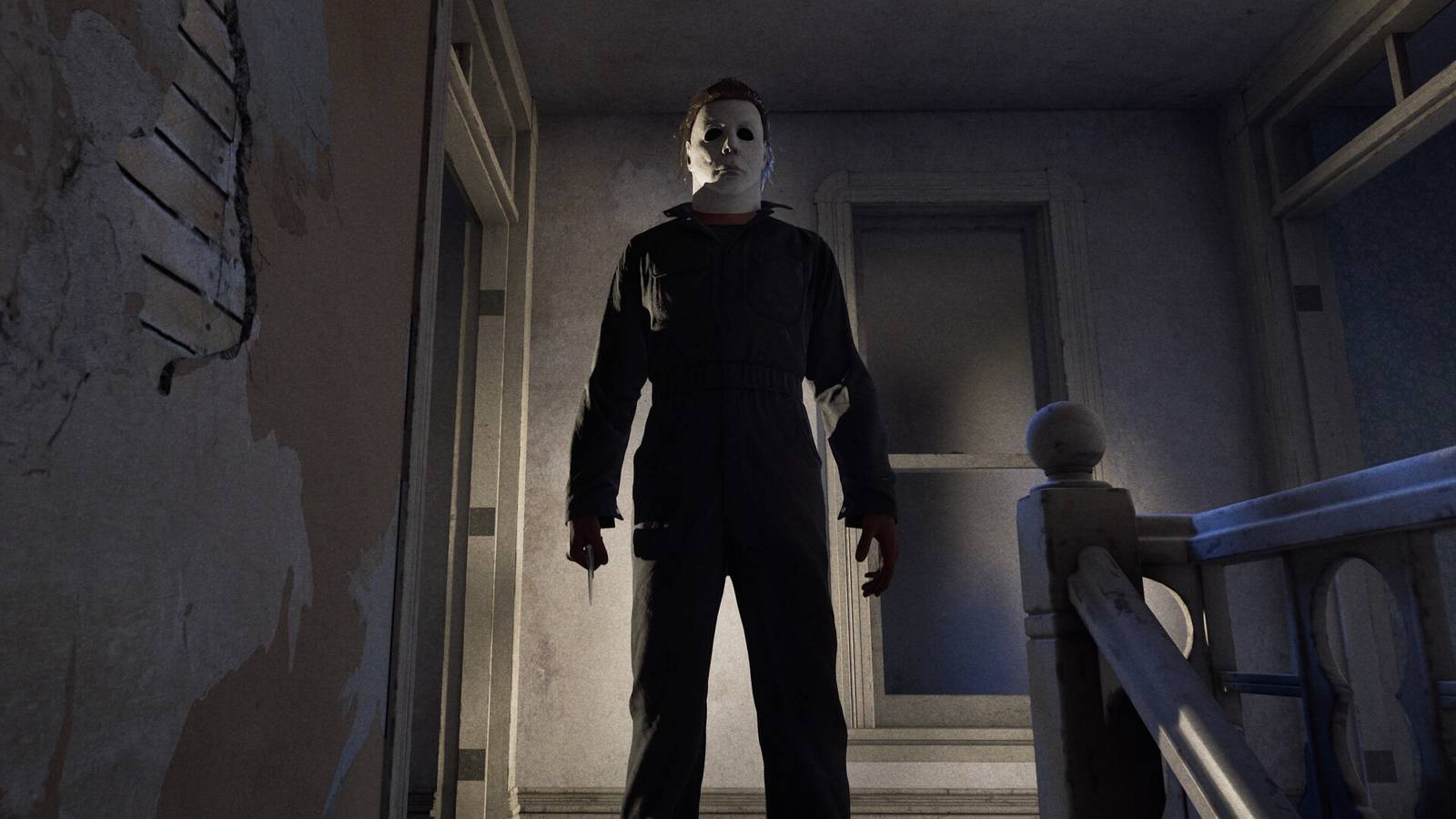
Illfonic’s Line in the Sand
Faced with this roadblock, Illfonic was given a choice familiar to many mature-rated developers: alter the game to meet CERO’s strict compliance parameters or accept the exclusion. Modifying the title would have required toning down the violence, censoring gore, and stripping out narrative context that defines the Michael Myers mythos.
In an official statement released via the game’s official X (formerly Twitter) account, Illfonic made its stance clear:
"We have determined that regulating the content to achieve compliance would significantly compromise the worldview of the original film, and would also prevent us from providing the gameplay experience that players expect."
By holding firm, Illfonic ensured that international players on other ecosystems—specifically Windows PC and Xbox Series X/S—could still purchase the game digitally, leveraging the IARC system to bypass CERO’s physical-centric monopoly. PlayStation users in Japan, however, are left entirely without access.
The Oceania Classification Saga
Japan is not the only territory where Halloween: The Game has run afoul of censors. Prior to the Japanese PlayStation ban, the Australian Classification Board delivered a devastating blow by refusing classification altogether, effectively banning the game from sale or importation down under.
The ACB’s decision did not stem solely from the game’s depiction of graphic violence—a common hurdle for horror games that Australia’s R18+ classification tier usually accommodates. Instead, the board targeted specific gameplay mechanics involving controlled substances that grant players advantages or buffs during matches. According to the ACB, incentivizing or gamifying drug use violates national classification guidelines, rendering the title unsuitable for Australian audiences.
Because of historical distribution and rating agreements between neighboring nations, New Zealand was initially caught in the same regulatory net. Illfonic initially neglected to file an independent review with New Zealand’s Office of Film and Literature Classification (OFLC), assuming the Australian denial would automatically stand.
However, following swift diplomatic and administrative outreach by the development team, the OFLC reviewed the game independently. New Zealand reversed its stance, granting permission for the title to be sold digitally within its borders—leaving Australia as the lone major Western holdout completely shut out of the launch.
Supporting Context & Metrics: The Cost of Global Distribution
Navigating the fragmented global landscape of video game censorship remains one of the most logistically complex hurdles for modern developers. Halloween: The Game joins a long, infamous lineage of titles that have clashed with international regulatory boards.
| Country / Region | Regulatory Body | Status for Halloween: The Game | Primary Reason for Dispute |
|---|---|---|---|
| Australia | Australian Classification Board (ACB) | Banned (Refused Classification) | Depiction and gamification of controlled substances granting in-game advantages. |
| New Zealand | Office of Film and Literature Classification (OFLC) | Approved (Digital Only) | Cleared following direct developer appeal after initial cross-rating block. |
| Japan (PlayStation) | CERO / Sony Interactive Entertainment | Blocked on PS Store | Denied CERO rating; Sony policy mandates CERO for high-maturity digital titles. |
| Japan (Xbox / PC) | IARC Framework | Approved (Digital Only) | Permitted via digital-first international rating pathways, bypassing CERO. |
| North America & EU | ESRB / PEGI | Approved (Mature 17+ / PEGI 18) | Standard mature classifications obtained without structural alterations. |
The CERO and IARC Disconnect in Japan
Japan’s unique dual-track rating system often creates friction for Western developers. While the IARC system has streamlined digital releases across mobile platforms, Nintendo Switch, and Microsoft’s Xbox ecosystem, major console manufacturers implement individual safety policies.

Sony’s stringent approach in Japan is designed to protect its brand image and comply with local industry self-regulation standards overseen by CERO. When a game is outright refused a rating by CERO, it signals to local legal and corporate compliance teams that the content pushes past acceptable boundaries for mainstream console ecosystems in the region.
While PC storefronts like Steam operate outside these strict console constraints—allowing Japanese PC gamers to access uncensored international versions with relative ease—PlayStation’s hardware monopoly in Japan makes a PS Store ban a catastrophic loss of potential market share for mid-to-large-scale multiplayer titles.
Official Statements and Industry Impact
The decision by Illfonic to forgo modifications rather than compromise the source material has ignited broader industry debates regarding creative freedom versus regional compliance.
Horror fans have largely praised the developer’s refusal to self-censor. Recreating the brooding, unrelenting terror of John Carpenter’s 1978 classic inherently demands a visceral atmosphere. Michael Myers is defined by his remorseless, brutal nature; diluting that presentation for the sake of platform compliance risks alienating the core demographic of horror enthusiasts who have waited decades for a definitive, high-budget adaptation.
At the same time, industry analysts point out the severe commercial realities of these bans. Asymmetrical multiplayer games rely heavily on healthy, globally distributed player bases for matchmaking liquidity and long-term community retention. Shutting out an entire national console market like Japan’s PlayStation user base, alongside the complete exclusion of Australia, places a heavy burden on the game’s launch metrics.
Illfonic has not announced any future plans to submit edited builds to CERO or the ACB, signaling that the current versions available on September 9 will stand as-is—complete in some regions, restricted in others, and entirely absent where local laws draw a hard line.
Future Outlook: What Lies Ahead for Halloween: The Game
As the September 9 release date rapidly approaches, all eyes are on how Illfonic will manage community expectations and technical deployment across fragmented regional markets.
- Post-Launch Support and Regional Hotfixes: While New Zealand successfully overturned its initial block, industry watchers are wondering if diplomatic appeals could eventually soften the stance of Australian regulators, or if Illfonic will ever issue a patched build specifically tailored to meet Australian guidelines regarding in-game items.
- The Precedent for Future Horror Titles: The situation surrounding Halloween: The Game serves as a stark reminder to independent and mid-tier developers that global day-and-date launches require exhaustive regional compliance audits. As digital storefronts tighten their grip on mature content—particularly regarding substance use and extreme violence—developers will increasingly be forced to choose between universal global access and uncompromising artistic vision.
- Player Reception and Community Workarounds: In Japan, resilient PlayStation fans eager to step into the boots of Michael Myers or try to survive the night will either need to pivot to PC and Xbox platforms or utilize alternative regional accounts—though such workarounds often face strict platform-side enforcement.
Ultimately, Halloween: The Game will launch into a world that is eager to celebrate its terror, even if governments and platform holders in Tokyo and Sydney have decided that Haddonfield’s most famous resident is simply too dangerous to let in.