Executive Overview
In the hyper-accelerated ecosystem of modern digital culture, few phenomena capture the internet’s unique capacity for hyper-fixation quite like "Doomsdale." Culminating on August 30, 2026, Doomsdale was not a geopolitical crisis, a macroeconomic collapse, or a natural disaster. Instead, it was an entirely internet-manufactured milestone: the exact date when controversial content creator and streamer Dalauan Sparrow, widely known online as Low Tier God (LTG), would officially fulfill a self-imposed prophecy of professional failure.
Six years prior, during a heated August 30, 2020 livestream, Sparrow made a definitive proclamation: if he were still primarily streaming for a living half a decade later rather than pivoting to loftier pursuits like mainstream acting, he would consider his career a failure. What began as a transient flash of bravado evolved, over 2,190 days, into an intricate, community-driven countdown.
As the calendar ticked down to August 2026, Doomsdale transcended a simple meme; it crystallized into a masterclass in collective internet persistence. Driven by dedicated communities across X (formerly Twitter), TikTok, YouTube, and Twitch, the event birthed dedicated countdown websites, viral video edits, millions of impressions, and a synchronized community vigil that demonstrated the unforgiving, ledger-keeping memory of the digital age. This report provides an exhaustive journalistic examination of Doomsdale—tracing its origins, charting its viral escalation, analyzing community metrics, and evaluating the broader cultural implications of accountability culture in the streaming era.
Detailed Chronology: From 2020 Prophecy to 2026 Reckoning
Phase 1: The Incubation (August 30, 2020)
The genesis of Doomsdale can be traced directly to an otherwise routine broadcast on August 30, 2020. Dalauan Sparrow, long polarizing for his abrasive personality, inflammatory commentary, and intense gaming streams, addressed his audience regarding his long-term career aspirations. Seeking to distance himself from the stigma often attached to full-time video game streaming, Sparrow established a strict personal benchmark.
"If I’m still streaming six years later, I’m a failure," Sparrow declared to his chat.
In the immediate aftermath, the statement passed like many reactionary soundbites in the fast-paced world of digital broadcasting. However, a contingent of viewers—recognizing the absolute permanence of digital media—clipped, archived, and saved the remark. They understood that the internet never forgets, and they quietly marked their calendars for precisely six years into the future: August 30, 2026.
Phase 2: The Slow Burn and Viral Acceleration (2023–May 2026)
For the first few years following the proclamation, the comment remained an inside joke within niche anti-fan communities and dedicated streaming circles. As Sparrow continued his broadcasting career on platforms like YouTube and Twitch, viewers frequently reminded him of the impending deadline in live chat rooms.
The meme reached a structural tipping point on May 23, 2026, when YouTuber Gene Starwind uploaded a compilation and breakdown featuring a recent clip of Sparrow responding to a viewer who had dared to bring up the "six years later" milestone. In the clip, Sparrow outwardly dismissed the significance of his past statement, pivoting to boast about his financial stability, longevity, and status as a pioneering Black independent creator, while simultaneously berating his audience for working conventional jobs and watching him for a living.
The video struck a nerve, accumulating over 328,000 views within three months and thrusting the looming date into mainstream internet consciousness.
Phase 3: The Final Countdown (Summer 2026)
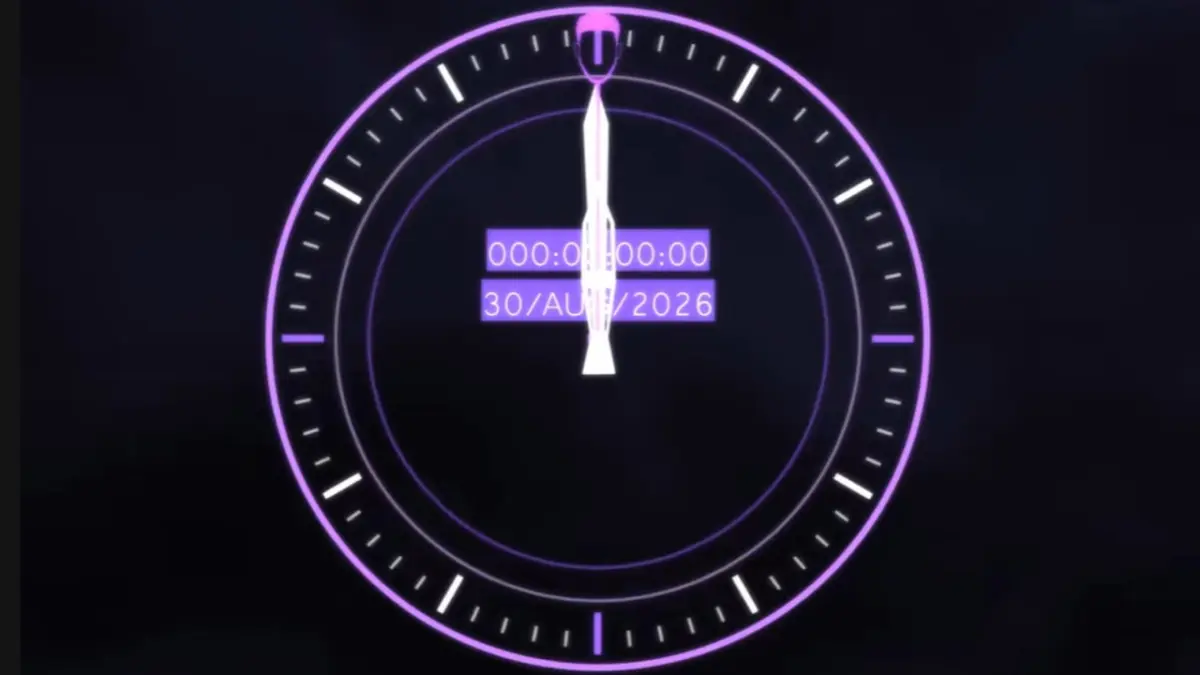
As August 2026 approached, the "Doomsdale" narrative transformed from a passive joke into an active cultural event. Grassroots developers and community members launched dedicated infrastructure to track the occasion. Most notably, the satirical website doomsdale.com went live, featuring a high-stakes, apocalyptic countdown clock reminiscent of Cold War-era nuclear threat trackers.
Content creators across platforms began publishing retrospective essays, speculative video essays, and emotional "corecore" edits that framed the impending date as a monumental turning point in internet history. The digital underworld of detractors and casual observers alike synchronized their watches, transforming August 30 into a red-letter day on the digital calendar.
Phase 4: Doomsdale Unleashed (August 30, 2026)
When August 30, 2026, finally dawned, the internet experienced a localized viral saturation. Major aggregator accounts on X, such as @FearedBuck, posted reminders that "Doomsdale is officially in 2 hours," racking up over 1.2 million views and 34,000 likes within a single day.
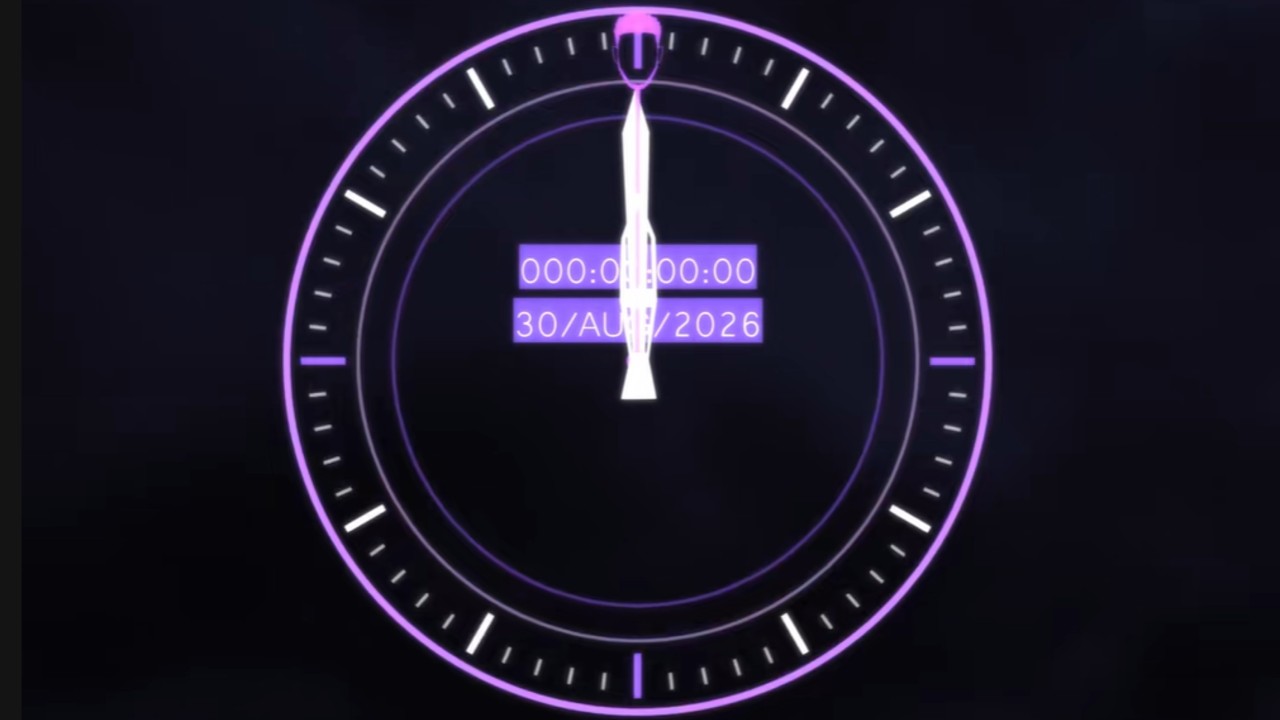
As the doomsdale.com clock finally struck zero, clips of the countdown hitting its climax flooded social media. Concurrently, live streams hosted by Sparrow saw unprecedented surges in viewership and chat velocity as thousands of spectators flooded in to witness the historical moment, turning his chat room into a chaotic digital colosseum.
Supporting Context & Metrics: The Scale of a Digital Phenomenon
To understand the cultural resonance of Doomsdale, one must examine the quantitative footprint it left across the social media landscape. While traditional news outlets largely ignored the event, its metrics within algorithmic platforms rivaled those of major entertainment releases.
| Platform / Metric | Key Data Point / Milestone | Significance |
|---|---|---|
| X (formerly Twitter) | @FearedBuck post: 1.2M+ views, 34K+ likes (Aug 30, 2026) | Demonstrated broad cross-pollination of niche streaming lore into general internet feeds. |
| TikTok (#Doomsdale) | User @deprones edit: 1.4M+ views in 24 hours | Highlighted the aesthetic, melancholic, and ironic framing younger creators applied to the event. |
| Website Traffic | doomsdale.com peak concurrent traffic |
Illustrated the technical mobilization of communities to build custom infrastructure for a joke. |
| Chat Velocity | YouTube/Twitch chat overload during broadcast hours | Showcased real-time participatory culture, where viewers actively engineered the spectacle they came to watch. |
| Secondary Content | Gene Starwind YouTube upload: 328K+ views | Proved the sustained, multi-year compounding interest in Sparrow’s accountability. |
The metrics reveal a decentralized yet highly organized digital ecosystem. Doomsdale succeeded not because of institutional backing or corporate marketing, but because it operated on organic, user-generated momentum. It served as a symbolic arena where the traditional power dynamic between creator and audience was temporarily inverted; the audience held the creator accountable to his own words using the immutable architecture of the internet archive.
Official Stances and Public Reactions
The reaction to Doomsdale was characterized by a sharp dichotomy between the targeted creator’s defiant self-preservation and the internet’s relentless, satirical schadenfreude.
The Creator’s Response: Defiance and Dismissal
Throughout the escalation, Dalauan Sparrow maintained a posture of aggressive indifference. Rather than ignoring the date or quietly pivoting away from streaming, Sparrow utilized the incoming pressure as content. In his May 2026 streams leading up to the event, he doubled down on his autonomy, arguing that streaming on his own terms—generating substantial revenue and maintaining total creative control—represented the antithesis of failure.
To Sparrow, the obsession of his detractors proved his enduring relevance. In his view, a "failure" would be someone who succumbed to public pressure or faded into obscurity, whereas he remained front and center, monetizing the very outrage and mockery directed at him.
The Community’s Perspective: Irony as Art
Conversely, the internet viewed Doomsdale through a deeply ironic, theatrical lens. TikTokers produced elaborate cinematic edits set to dramatic music—such as Malice Mizer’s "Le Ciel"—treating the countdown with the gravity of a historical tragedy.
Commentators on X marveled at the sheer dedication of what they termed "the most dedicated haters on the internet." Users like @axdaxis posted incredulous reactions to the doomsday clock hitting zero, noting the surreal nature of building technological infrastructure solely to mock a streamer’s six-year-old quote.
Rather than manifesting as genuine malice, the vast majority of Doomsdale content operated within the realm of postmodern performance art. It was an exercise in collective myth-making, where an ordinary Tuesday in a streamer’s career was elevated to epic, mythological proportions through sheer collaborative imagination.
Future Outlook: The Legacy of Doomsdale
As the dust settles on August 30, 2026, Doomsdale leaves behind a fascinating legacy regarding the permanence of speech in the digital age and the shifting relationship between content creators and their communities.
- The Permanence of the Digital Ledger: Doomsdale serves as a cautionary tale for public figures and streamers alike. In an era where every offhand comment, boast, or self-deprecating remark can be clipped, cataloged, and converted into an immutable countdown timer, creators can no longer rely on the ephemerality of live broadcasting.
- The Evolution of Audience Engagement: The event highlights a shift toward hyper-participatory fandom and anti-fandom. Audiences are no longer content to merely consume content; they actively script narratives, build external applications (
doomsdale.com), and orchestrate synchronized cultural moments around the lives of internet personalities. - The Paradox of Modern Notoriety: Ultimately, Doomsdale proved that in the attention economy, negative metrics often translate to sustained engagement. While the internet gathered to declare Sparrow a "failure" based on his own definitions, the immense visibility generated by Doomsdale guaranteed that his streams remained packed, his name trended globally, and his brand remained intensely relevant.
In the end, Doomsdale did not mark the end of Low Tier God’s career, nor did it spark a profound existential crisis for the streamer. Instead, it cemented itself as a landmark chapter in internet folklore—a testament to what happens when the collective memory of the web decides to take a creator entirely, hilariously, and unyieldingly at their word.