Executive Overview
As the United States hurtles toward a hyper-connected future driven by the rapid expansion of wireless communications and broadband networks, a quiet crisis is unfolding thousands of feet above the ground. Driven by Federal Communications Commission (FCC) mandates, commercial broadcasters and telecommunications giants are racing against aggressive regulatory deadlines to upgrade infrastructure, transition television channels, and expand rural internet access.
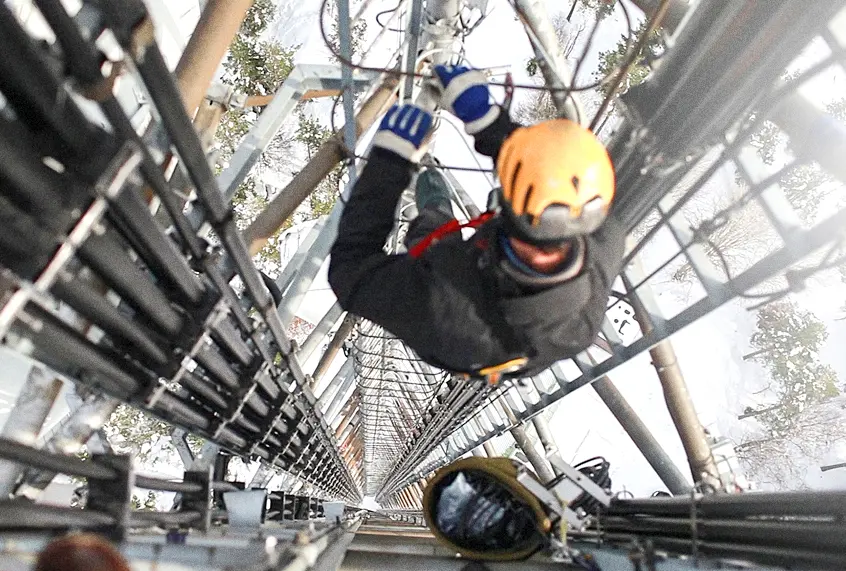
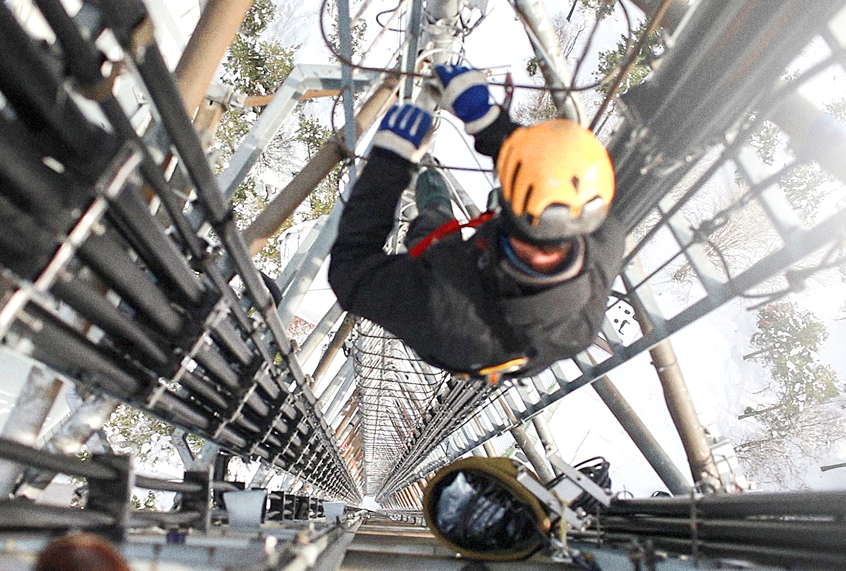
However, this technological sprint is outpacing human safety. Tower climbers—the specialized laborers who scale broadcasting masts often soaring up to 2,000 feet into the air—are paying the ultimate price for the nation’s connectivity. Plagued by a critical shortage of qualified personnel, a glaring lack of industry-specific federal oversight, and intense economic pressure to cut corners, the sector has seen a surge in fatal accidents.
While lawmakers and industry lobbyists push to accelerate the transition timeline in the name of economic necessity, safety experts, engineering leads, and labor advocates issue a sobering warning: the current rush to expand service is not just gambling with the reliability of broadcast signals; it is gambling with human lives.
Detailed Chronology of Tragedy: Recent Failures Atop the Towers
The human cost of the nationwide infrastructure overhaul is starkly illustrated by a string of preventable catastrophes that have laid bare the dangers of high-altitude tower work.
In September, a routine antenna replacement project in Miami Gardens, Florida, turned deadly. Working on behalf of WSVN-Channel 7, a crew of three young men scaled a communications tower to upgrade equipment. The operation ended in unimaginable sorrow when all three workers—23-year-old Brachton Barber of Longwood, Florida; 35-year-old Benito Rodriguez of Tampa, Florida; and 31-year-old Marcus Goffena of Sidney, Ohio—fell to their deaths. The incident sent shockwaves through the broadcasting community, serving as an immediate, visceral warning of the risks inherent in the post-auction spectrum repack.
Just months later, the structural integrity of aging American infrastructure failed catastrophically in the Midwest. In April, a massive 1,980-foot broadcast tower utilized by Ozarks Public Television in Fordland, Missouri, suffered a catastrophic structural collapse. The disaster claimed the life of 56-year-old Stephen Lemay of Blaine, Washington. The collapse not only snuffed out the life of a veteran worker—remembered by his community as a devoted father—but also severed broadcast services to the region, triggering complex, prolonged investigations into structural fatigue, equipment stress, and safety protocols.
These incidents are part of a grim and continuous tally. According to industry trackers and occupational safety data, fatal accidents continue to claim the lives of tower technicians with alarming regularity, highlighting an industry pushed to its absolute limits by regulatory and economic demands.
The Root Causes: Rushed Timelines, Labor Shortages, and Regulatory Voids
At the heart of this safety crisis lies a monumental logistics challenge dictated from Washington, D.C. Under FCC initiatives and aggressive transition schedules, nearly 1,000 television stations are legally mandated to shift to new broadcasting channels. Concurrently, telecommunications firms are racing to densify networks and extend high-speed broadband into underserved rural areas.
The Post-Auction "Repack" Deadlines
The FCC set a firm deadline of July 2020 for the massive spectrum "repack." This timeline requires thousands of broadcast towers to be retrofitted, structurally reinforced, or completely rebuilt with new antennas and transmission lines.
The logistical reality of this task is staggering. Modern communications towers routinely reach heights of 1,000 to 2,000 feet—considerably taller than iconic skyscrapers like One World Trade Center, which stands at 1,776 feet. Operating at these extreme altitudes exposes workers to severe environmental hazards, including punishing winds, ice, electrical interference, structural instability, and the constant, unforgiving risk of a catastrophic fall.
A Critical Shortage of Skilled Labor
Despite the immense danger and specialized skill required for the job, the industry faces a severe workforce deficit. Jim Tracy, chairman of the National Association of Tower Erectors (NATE), addressed Congress bluntly, stating an undeniable physical truth: "There is one inescapable fact. There are not, at present, enough qualified workers to perform all the tower work we will be required to complete."
When demand vastly outstrips the supply of certified, experienced tower climbers, companies are often forced to onboard less-experienced personnel or push existing crews to work longer hours under grueling conditions. The result is a dangerous erosion of safety standards on job sites across the country.
Supporting Context and Metrics: The Disproportionate Dangers of Tower Work
Statistical data underscores just how hazardous communications tower maintenance is compared to almost any other profession in the American labor market.
- Sky-High Mortality Rates: Historical assessments by the Occupational Safety and Health Administration (OSHA) place the risk of fatal injury for a tower worker at roughly 25 to 30 times higher than that of the average American worker.
- The 2013 Spike: The systemic dangers of the industry came under intense national scrutiny following a particularly deadly year in 2013, when 13 communication tower workers were killed on the job—surpassing the total fatalities of the previous two years combined.
- The Regulatory Vacuum: Despite these staggering mortality rates, OSHA has historically lacked safety standards explicitly tailored to the unique, multi-faceted hazards of communications tower work. While the agency began drafting specialized communication tower safety rules during the Obama administration, critics argue that enforcement remains weak, and penalties for safety violations are often too small to deter negligent corporate behavior.
- Corporate Lobbying vs. Worker Safety: While tower technicians face mounting risks on unyielding steel structures, the commercial broadcasting and telecommunications industries continue to wield immense political influence in Washington. In 2017 alone, commercial TV and radio stations spent nearly $29 million in federal lobbying, advocating for favorable policies, expedited timelines, and deregulation.
Official Statements and the Washington Battleground
The conflict between rapid technological modernization and worker protection has created a sharp divide between industry experts and political leaders.
Warnings from the Ground and Engineering Leads
Engineering professionals responsible for station reliability have been vocal about the misplaced priorities of the federal mandate. Bill Hayes, director of engineering for Iowa Public Television, captured the ethical dilemma facing the broadcasting sector:
"You can be gambling at best with the reliability of your station’s service, and at worst you’re gambling with people’s lives."
Similarly, Jim Tracy of NATE repeatedly warned congressional leaders against treating the television repack as a simple administrative checklist that could be rushed without severe human consequences.

Political Pressure for Accelerated Timelines
Despite warnings from safety advocates, a powerful bloc of 56 members of Congress—including prominent figures such as Rep. Steve Scalise (R-La.) and Rep. Darrell Issa (R-Calif.)—pushed back against any delays. In formal correspondence, they urged FCC Chairman Ajit Pai to hold firm to the July 2020 completion deadline, framing the rapid deployment as an absolute economic imperative.
"Ultimately, it’s a matter of economic necessity in today’s globally-connected world," the lawmakers wrote, prioritizing the expansion of rural broadband and commercial competitiveness over the cautionary pleas of labor safety organizations.
Academic and Expert Assessments
Independent experts argue that the structural challenges of America’s wireless grid are compounding by the day. Thomas Fuller, a researcher and professor at Illinois State University, has pointed out that tower climbing remains a largely under-regulated industry with sparse federal oversight.
Testifying before OSHA, Fuller emphasized the hidden dangers of aging infrastructure:
"As towers age and additional antennae are added, they become more hazardous. Often, workers and tower climbing companies are hesitant to report structural problems for fear of losing the work. There is no federal agency to report unsafe structural conditions to and expect a timely response."
David Michaels, who served as assistant labor secretary under the Obama administration, echoed these sentiments during federal safety hearings, labeling the occupational hazards faced by tower technicians as "clearly unacceptable."
Future Outlook: A Crossroads for Infrastructure and Safety
As the telecommunications landscape continues to evolve—with the ongoing rollout of 5G networks, continuous upgrades to broadcast facilities, and relentless consumer demand for instant, seamless connectivity—the systemic pressures placed on America’s tower infrastructure will only intensify.
The tragedy of the post-auction repack serves as a sobering lesson in the hidden costs of technological progress. Without robust, specialized federal oversight, enforceable safety regulations tailored specifically to high-altitude work, and a willingness by policymakers to prioritize human life over rigid corporate deadlines, tower climbers will continue to bear the heaviest burden of the nation’s digital ambitions.
Until structural reform catches up with the speed of wireless innovation, every new antenna erected and every broadcast channel shifted will cast a long, dangerous shadow over the workers whose courage and labor keep America connected.