Executive Overview
Long before the modern era of high-definition, cross-platform mobile gaming—and years prior to the advent of the iPhone App Store—pioneering developers were already pushing the boundaries of what portable hardware could achieve. While industry giants like Square Enix experimented with early iterations of Final Fantasy and Dragon Quest for Japan’s proprietary, pre-smartphone cellular networks, a distinct market was brewing for original, natively built intellectual properties.
Among the most celebrated and historically significant of these pioneers is Zenonia, an action role-playing game developed and published by Gamevil. First launching in South Korea in 2008 before making its way to Western markets via the Apple App Store in 2009 and the Google Play Store in 2010, Zenonia proved that portable devices could house sprawling, console-quality adventures completely independent of established, pre-existing console IP.
Now, more than 15 years after its initial mobile debut and following a frustrating period of digital obscurity where it vanished from modern app storefronts, Zenonia 1 is making an officially licensed return. Thanks to a brand-new port, modern gamers can experience the title on PC via Steam. This release offers a nostalgic look backward while simultaneously serving as a compelling case study on game preservation, the evolution of mobile development, and the enduring charm of 2-bit sprite-based design.
Detailed Chronology: From Feature Phones to PC Desktops
To truly appreciate the significance of Zenonia’s return, one must chart its historical trajectory through the volatile landscape of mobile and handheld gaming hardware.
The Pre-Smartphone Genesis (Late 2000s)
The landscape of mobile gaming in the mid-2000s was vastly different from today’s unified ecosystem. Before the iPhone disrupted the industry in 2007, developers targeted advanced Japanese flip phones and regional smart devices. Square Enix, for instance, developed entries like Before Crisis: Final Fantasy VII utilizing unique hardware quirks, such as built-in phone cameras, as core gameplay mechanics.
However, these games were predominantly extensions of massive legacy franchises. Gamevil took a risk by betting on an entirely original concept. When Zenonia launched in South Korea in 2008, it immediately captured the attention of players starved for deep, narrative-driven experiences on-the-go.
Western Expansion and Handheld Crossovers (2009–2011)
Recognizing global demand, Gamevil brought Zenonia to the United States. The game officially touched down on the iOS App Store in 2009, followed by the Google Play Store in 2010. Its transition to touchscreens was remarkably smooth, utilizing virtual on-screen directional pads and action buttons.
The title’s immense popularity transcended traditional mobile borders. Capitalizing on its success, Gamevil expanded Zenonia onto dedicated portable gaming hardware, releasing ports for the Nintendo DSi (via DSiWare) and the PlayStation Portable (PSP). This multi-platform flexibility cemented Zenonia not merely as a mobile novelty, but as a legitimate, highly respected action-RPG franchise that could stand shoulder-to-shoulder with contemporaries on dedicated handheld consoles.
The Digital Dark Age and Removal from App Stores
As mobile operating systems rapidly evolved, older applications frequently fell victim to software obsolescence. Changes in 32-bit to 64-bit architecture app mandates, shifting developer tools, and the lack of proactive preservation by publishers caused many foundational mobile classics to break. Zenonia eventually vanished from the iOS App Store and Google Play Store, leaving a generation of fans unable to legally access or play the title that defined their early mobile gaming experiences.
The PC Renaissance (2026)
Rectifying a decade-long absence, Gamevil has officially brought the original Zenonia back to life. Released on Steam, this new PC port translates the classic top-down adventure to desktop architecture. By swapping out touch controls for native keyboard, mouse, and controller support, the release bridges the gap between historical preservation and modern accessibility.
Supporting Context & Metrics: Anatomy of a Classic
To understand why Zenonia retains a dedicated cult following, one must examine its core gameplay loops, mechanics, and stylistic choices.
Narrative and Aesthetic Influences
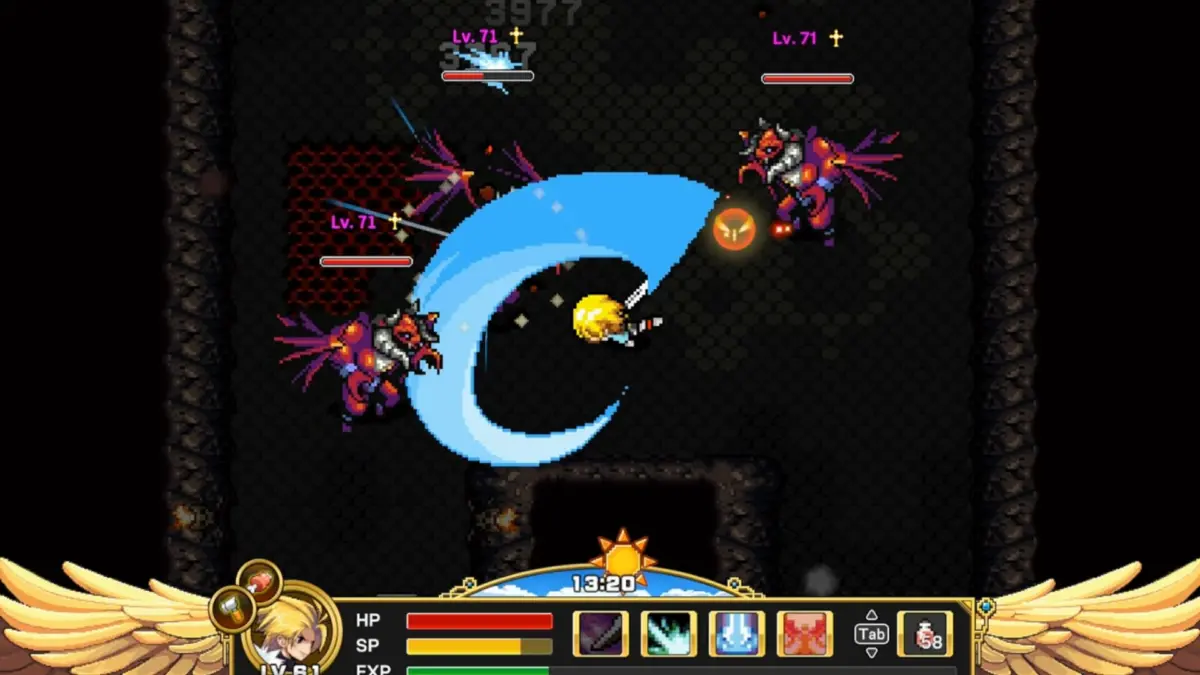
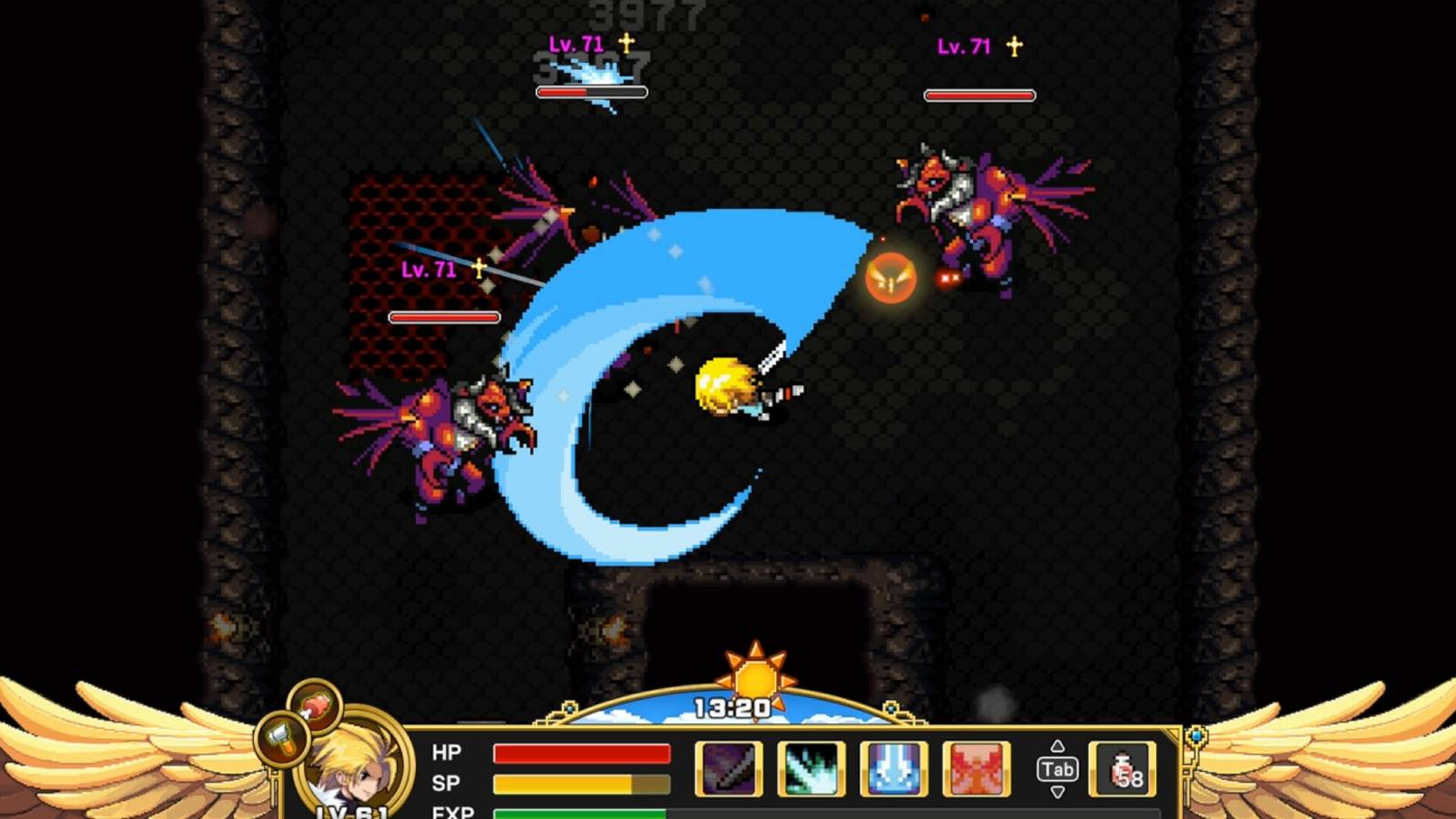
Visually, Zenonia 1 wears its inspirations proudly on its sleeve. The game heavily evokes the timeless aesthetic of 16-bit masterpieces—most notably resembling an upgraded, high-contrast evolution of The Legend of Zelda: A Link to the Past.
Players step into the shoes of Regret, a 17-year-old protagonist whose character design instantly recalls early drafts of Cloud Strife from Final Fantasy VII, complete with aggressively spiky blond hair and an oversized greatsword. Regret’s narrative journey is a classic coming-of-age fantasy trope: he embarks on an odyssey to uncover the mysterious circumstances surrounding the death of his adoptive father, navigating political intrigue, ancient evils, and personal identity along the way.
Mechanical Depth: Classes, Combat, and Customization
Unlike many shallow tap-to-play mobile titles of its era, Zenonia offered authentic, action-heavy role-playing mechanics:

- Class Selection: Players choose one of three distinct classes at the outset: the defensive and steadfast Paladin, the heavy-hitting Warrior, or the lightning-fast, high-damage Assassin. Each class features a comprehensive, branching skill tree.
- Real-Time Combat: Battles take place in real-time from a top-down perspective. Rather than relying on turn-based menus, players must manually maneuver, dodge enemy telegraphs, time their sword swings, and execute mapped special abilities.
- Loot and Equipment: The game features hundreds of unique weapons, shields, and armor pieces, allowing for deep customization of stats and playstyles.
Unique Survival and Alignment Mechanics
What truly elevated Zenonia above simple clones of retro RPGs were its nuanced simulation mechanics:
- The Dynamic Alignment System: Player choices actively shape Regret’s moral compass, pushing his alignment toward either "Good" or "Evil." Completing altruistic side quests requested by non-player characters increases goodness, while certain ruthless actions shift the scale downward.
- Survival Elements: Players must actively monitor Regret’s physical state. Hunger mechanics dictate that failing to keep the protagonist fed will actively decrease his Skill Points (SP). Conversely, overloading him with too much heavy armor and gear will physically hinder his movement speed on the overworld map.
Playtime and Scope
A standard playthrough of Zenonia 1 offers a substantial amount of content, typically spanning anywhere from 15 to 30 hours depending on exploration, side-quest completion, and mastery of the combat systems.
Official Statements and Industry Impact
While specific corporate press releases surrounding the stealth-drop PC port have remained modest, industry analysts and veteran mobile developers have long pointed to Zenonia as a watershed moment for portable game development.
Industry historians note that Zenonia single-handedly proved that consumers were willing to invest significant time and emotional energy into deep, single-player RPGs on portable devices, paving the way for everything from Genshin Impact to mobile ports of console classics.
Furthermore, the decision by Gamevil to officially preserve and port the original title to Steam highlights a growing industry trend: recognizing that early digital-only releases are culturally significant artifacts worthy of preservation, rather than disposable software meant to be abandoned when operating systems update.
Future Outlook: What’s Next for the Franchise?
The return of the original Zenonia on PC opens up fascinating possibilities for both nostalgic veterans and curious newcomers. By removing the barriers of defunct mobile operating systems and introducing modern control schemes, Gamevil has successfully rescued a vital piece of gaming history from digital oblivion.
As the industry continues to grapple with the preservation of digital-only media, projects like the Zenonia 1 Steam port serve as a vital blueprint. Fans of retro action-RPGs, structural design studies, and classic mobile history now have a rare opportunity to experience the foundational title that proved epic adventures could fit comfortably in the palm of your hand—and now, comfortably on your desktop monitor. Whether this modern resurgence will spark remasters of subsequent entries in the beloved series remains to be seen, but for now, the Legend of Regret lives on.