Executive Overview
From the very genesis of her solo stardom, Beyoncé Giselle Knowles-Carter has understood fashion not merely as aesthetic decoration, but as a sophisticated instrument of communication. Long before she became a fixture of European haute couture houses—securing her place as a global style icon and corporate luxury darling—her sartorial choices functioned as narrative extensions of her music.
The camouflage bikinis and militant army cosplay in Destiny’s Child’s "Survivor" video broadcasted a message of unbreakable resilience. The clingy, diamanté-encrusted minidress at the dawn of the "Naughty Girl" visual declared an unapologetic exploration of allure. However, it wasn’t until the release of the 2006 sophomore studio album B’Day—and specifically its seminal track, "Freakum Dress"—that this fashion philosophy crystallized into a cultural manifesto.
“’Cause when they act wrong / That’s when you put it on,” she declared over a blistering, brass-heavy beat. “This is your song / Hold out your back / Time to impress / Pull out your freakum dress.”
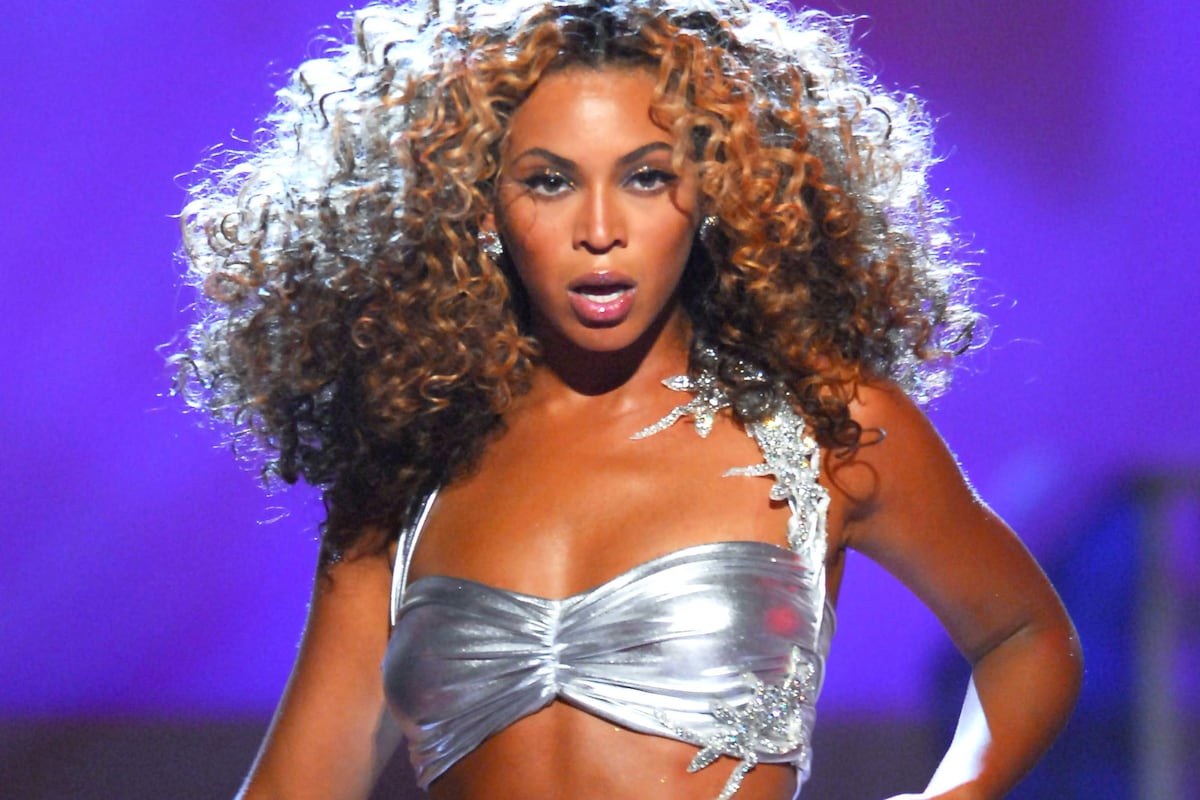
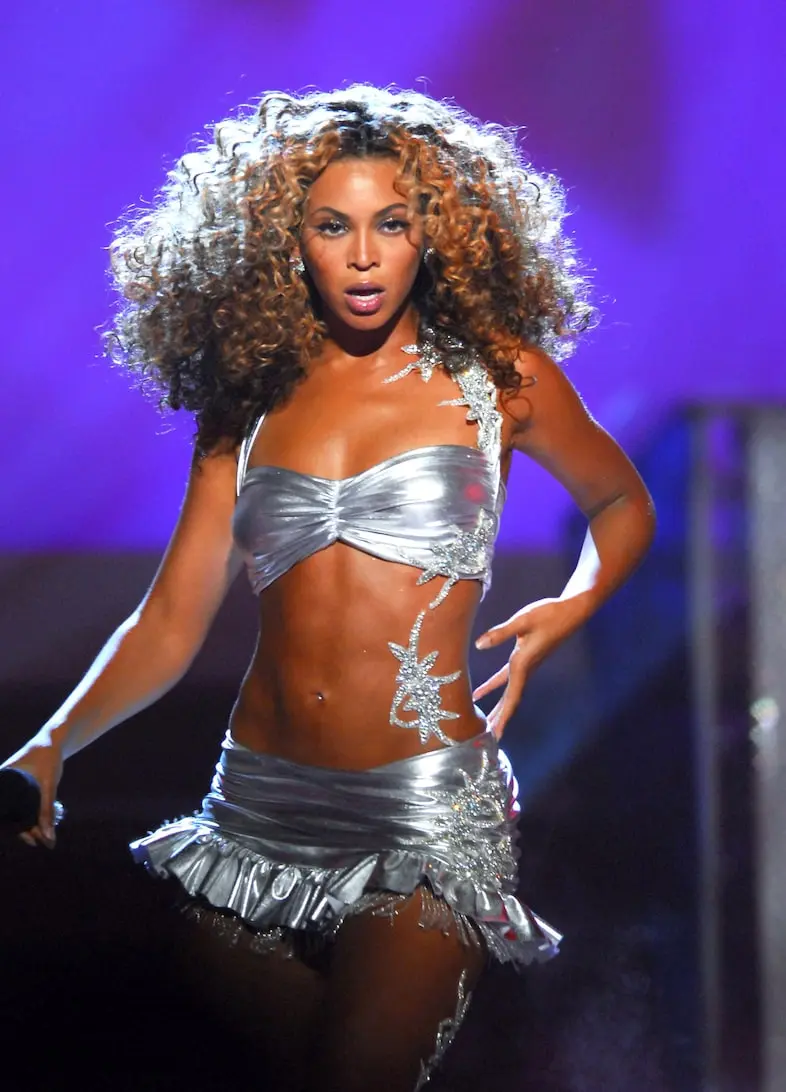
In 2006, the universal antidote to heartbreak, disrespect, or life’s myriad trials was straightforward: slide into your spangliest minidress, step out onto the pavement, and paint the town red. It was a philosophy of self-possession and empowered glamour to which Beyoncé was intimately attuned. She stormed through the B’Day album cycle enveloped in a blinding whirlwind of metallic hues, cascading crystals, sparkling sequins, and sun-kissed skin. Though she was not yet the primary muse for legacy Parisian and Milanese ateliers—relying heavily instead on creations from her mother Tina Knowles and partner-in-design Byron Hunter via their family line, House of Deréon—her vision was undeniably sharp, establishing a high-impact aesthetic that has echoed across pop culture for twenty years.
To mark the 20th anniversary of this landmark R&B era, we look back, analyze, and rank Beyoncé’s top ten definitive "freakum dresses" from the B’Day era—a masterclass in high-octane glamour, empowerment, and unapologetic visibility.
Detailed Chronology: The Top Ten "Freakum Dresses" of the B’Day Era
10. The World Music Awards (2006)
Beyoncé’s schedule during the 2006 World Music Awards was nothing short of exhaustive. Beyond sharing the stage with pop royalty to present Michael Jackson with a lifetime achievement honor and gracefully accepting the award for Best R&B Artist directly from designer Tommy Hilfiger, she delivered a blistering, high-energy medley of "Déjà Vu," "Ring the Alarm," and "Irreplaceable."

For the evening’s red carpet and presentation duties, she selected a crystallized geometric minidress. The garment utilized precise, architectural lines covered in refractive stones, catching every flashbulb in the arena. It was a masterclass in stage-to-street versatility, proving that architectural rigidity and body-hugging sex appeal could coexist harmoniously.
9. The American Music Awards (2006)
Continuing her reign of bold, unmitigated glamor at the 2006 American Music Awards, Beyoncé leaned entirely into her signature silhouette: the bedazzled mini paired with sky-high diamanté heels.
While the establishment fashion press often overlooked House of Deréon in favor of European imports, this custom creation—thought to be designed in-house by the Knowles-Hunter creative unit—spoke volumes. The dress relied heavily on micro-sequins and heavy jewel embellishments that clung to her frame like a second skin, cementing the rule that during the B’Day cycle, more was always more.

8. The 40/40 Club Anniversary, Atlantic City (2006)
In a rare stylistic pivot away from the ubiquitous silver and gold metallics that defined the era, Beyoncé stepped out for the first anniversary party of Jay-Z’s upscale sports lounge, the 40/40 Club, in Atlantic City, wearing a deviation that still honored the core "freakum" ethos.
Though stepping outside her metallic comfort zone, the dress retained the essential requirements: arresting length, structural confidence, and an undeniable gravitational pull. It proved that the spirit of the freakum dress was rooted not just in the fabric choice, but in the commanding aura of the wearer.
7. The Beyoncé Experience World Tour (2007)
As B’Day was translated into a global live spectacle via her first major solo headlining tour, The Beyoncé Experience, the wardrobe had to match the physical demands of stadium-scale choreography.

During the tour, Beyoncé transformed into a literal, living disco ball. She commanded the stage in a sweeping, floor-length silver gown that dazzled under the arena lighting—before executing a dramatic mid-performance rip-away, shedding the bottom half of the garment to reveal a high-octane, fringed minidress underneath. It was a theatrical manifestation of the freakum dress philosophy: functional, transformative, and designed to shock the senses.
6. The MTV Video Music Awards (2007)
During the 2007 VMAs circuit, Beyoncé’s wardrobe choices reflected an artist hitting her stride as a solo headliner. The tour-adjacent appearances required looks that could transition effortlessly from high-fashion red carpet moments to sweat-soaked performance art.
The silver iteration worn during this period emphasized vertical lines and liquid-metal draping, creating an optical illusion of motion even when standing completely still. It remains one of the most underrated styling feats of the late-2000s pop landscape.

5. The London After-Party with Chris Martin (2006)
Following Jay-Z’s triumphant 2006 concert at the historic Royal Albert Hall, the subsequent after-party in London produced one of the most iconic tabloid images of the decade. Escorting her friend Chris Martin of Coldplay through a sea of paparazzi, Beyoncé wore a dress so intensely arresting that it inspired immediate pop-culture folklore.
As the story goes, the sheer visual impact of the dress left onlookers completely flustered. Photographs from the end of the night—capturing Beyoncé resting in the back of a black cab looking wonderfully undone after a long night of celebration—became instant meme history long before the term was ubiquitous.
4. The Golden Globes (2007)
At the 2007 Golden Globes, where she received a Best Actress in a Motion Picture – Musical or Comedy nomination for her role as Deena Jones in Dreamgirls, Beyoncé took the event’s metallic naming convention to heart.

She arrived in a breathtaking, custom golden Elie Saab gown that shimmered with old-Hollywood grandeur while retaining the hyper-feminine, body-skimming construction of the B’Day universe. It was a rare, formal expansion of the freakum dress ethos—proving that regal red-carpet elegance and the fierce energy of an R&B anthem could merge seamlessly.
3. The BET Awards (2007)
Though Beyoncé overwhelmingly championed her family’s label and independent designers during the B’Day era, she made a monumental exception for the 2007 BET Awards.
Strutting down the carpet, she chose a striking silver Dolce & Gabbana creation defined by dramatic 1970s-inspired bishop sleeves and a sharply structured metal-boned corset. The juxtaposition of flowing, ethereal fabric with hard, industrial metal hardware perfectly encapsulated the dual nature of her public persona: soft yet formidable, glamorous yet lethal.

2. The MTV Video Music Awards Performance (2006)
For her unforgettable live performance of "Ring the Alarm" at the 2006 VMAs, Beyoncé descended upon the stage like a high-fashion superhero detective.
She opened the number in a structured gabardine trench coat dress custom-designed by her mother, Tina Knowles. Seconds into the track, backup dancers whipped the heavy outerwear away to reveal a fierce leopard-print corset paired with matching PVC hotpants. It was an explosive piece of performance art design that married theatrical narrative with undeniable sex appeal.
1. The BET Awards Performance (2006)
There could only be one reigning champion. While technically a two-piece ensemble rather than a traditional dress, the silver metallic look Beyoncé wore for her blistering performance of "Déjà Vu" at the 2006 BET Awards pushed the concept of the "freakum" aesthetic to its absolute outer limits.

As she transitioned from commanding the center microphone to executing floor-rumbling choreography, her fringed miniskirt and matching halter top caught the light, the air, and the camera lenses with hypnotic precision. It was the undisputed pièce de résistance of the entire era—a cultural reset that permanently linked high-energy choreography with high-impact couture.
Supporting Context & Metrics: The Business and Impact of B’Day
To view these garments solely through the lens of red-carpet vanity is to misunderstand their economic and cultural gravity. Released on September 4, 2006, to coincide with her 25th birthday, B’Day debuted at number one on the US Billboard 200, selling over 541,000 copies in its first week alone. It earned Beyoncé a Grammy Award for Best Contemporary R&B Album and yielded multi-platinum global smash hits like "Irreplaceable" and "Déjà Vu."
The fashion accompanying the album served as a vital commercial vehicle for House of Deréon, the contemporary women’s fashion line founded in 2004 by Beyoncé and her mother, Tina Knowles, named in honor of Beyoncé’s grandmother, Agnéz Deréon. At a time when major luxury fashion houses were largely hesitant to embrace pop stars from southern R&B lineages—preferring traditional Caucasian Hollywood actresses for global campaigns—House of Deréon allowed the Knowles family to bypass the gatekeepers entirely. Every crystallized minidress, structured corset, and metallic fringe skirt functioned as an organic billboard, driving millions of consumers to retail partners and solidifying Beyoncé’s transition from a girl-group breakout star to an independent economic powerhouse.

Official Statements and Archival Reflection
Reflecting on the styling philosophy of the B’Day era, Tina Knowles-Carter has often noted the intentionality behind every stitch and sequin. In retrospective interviews regarding the early years of House of Deréon, Knowles emphasized that the clothing was engineered to project unyielding strength and self-worth:
"We weren’t just making clothes for a red carpet; we were making armor for women who wanted to walk into a room and own it. When Beyoncé sang about putting on that dress, she wasn’t talking about clothes to impress someone else—she was talking about a psychological transformation. You put it on, and suddenly you are untouchable."
Fashion historians and cultural critics have similarly re-evaluated the era. While early 2000s fashion was frequently critiqued for its chaotic blend of Y2K excess and fast-trend saturation, Beyoncé’s B’Day styling has aged remarkably well, viewed today as a foundational blueprint for modern pop-star branding where music, merch, and high fashion operate as a single, unified ecosystem.

Future Outlook: The Enduring Legacy of the Freakum Dress
As we celebrate the 20th anniversary of the B’Day era, the cultural footprint of the "freakum dress" extends far beyond nostalgic retrospectives. The core ethos of the track—using personal style, glamour, and visual self-expression as a tool for reclamation, resilience, and personal joy—has become a central pillar of modern feminism and pop culture.
Today, artists across genres routinely adopt the "put on your freakum dress" methodology when navigating public reinventions, breakups, or artistic eras. The visual language established by Beyoncé, Tina Knowles, and their creative collaborators in 2006 demonstrated that style is not passive; it is an active reclamation of space. Two decades later, as Beyoncé continues to redefine global fashion through projects like Renaissance and Cowboy Carter, the glittering, high-octane minidresses of the B’Day era remain the sparkling bedrock of a legendary career—a reminder that when the world acts wrong, the ultimate response is to shine brighter, stand taller, and wear your armor with pride.