The European summer festival circuit of 2026 reached its cultural crescendo amidst the emerald expanse of Gothenburg’s Slottsskogen park, where the iconic Way Out West festival once again redefined the parameters of contemporary music gatherings. Blending mainstream heavyweights with deeply curated underground subcultures, this year’s three-day multi-genre celebration drew tens of thousands of revellers into a landscape that photographer Imogen aptly characterizes as a "Scandinavian pixie dream."
From stadium-ready anthems delivered by pop royalty to sweat-soaked, highly experimental after-hours club sets, Way Out West 2026 operated as a dual-natured beast. It successfully balanced the commercial demands of a world-class European festival with a relentless commitment to grassroots artistry, queerness, and community connection. This comprehensive retrospective explores the festival’s meticulous curation, standout performances from artists such as COBRAH, Lorde, Oklou, and Zara Larsson, and the hidden cultural undercurrents—ranging from packed barricades to clandestine wooded caravans—that defined the weekend’s living archive.
Detailed Chronology: A Three-Day Journey Through Slottsskogen
Day One: The Awakening of the Park and the Rise of the Undercurrents
As the gates of Slottsskogen swung open on the first day of August 2026, the atmosphere was thick with anticipation. The festival grounds—traditionally a serene sanctuary of towering trees, manicured lawns, and winding lakes—transformed almost instantaneously into a vibrant metropolis of sound, style, and shared energy.
Early arrivals were greeted by an expansive line-up that immediately set a high benchmark for the weekend. The opening hours were characterized by exploratory wandering, as fans familiarized themselves with the layout that seamlessly integrated natural topography with world-class stage production. Photographers and early-bird attendees alike quickly realized that Way Out West’s magic lay not merely in its headline acts, but in the micro-communities forming organically across the grass. Friends lounged side-by-side beneath the canopy, trading festival schedules and staking out prime real estate near the primary stages.
As dusk settled over Gothenburg, the energy shifted palpably. The transition from daylight folk and indie sounds to heavier, more synthesized electronic and pop textures marked the beginning of the evening rush. The crowd density swelled around the main arena, setting the stage for breakthrough and legacy acts alike to test the limits of the Scandinavian sound system.
Day Two: Peak Euphoria, Pop Anthems, and Hometown Heroics
The second day of Way Out West delivered the emotional and sonic peak of the weekend. Underneath crisp blue skies, the festival grounds thrummed with a singular collective heartbeat. It was a day dominated by monumental pop moments and unapologetic queer self-expression.
One of the undeniable emotional apexes of the daytime programming occurred when photographer Imogen, alongside thousands of ecstatic Swedes, joined the massive crowd swaying and dancing to Zara Larsson’s performance of "Midnight Sun." Widely hailed as the undisputed summer anthem of 2026, the track’s soaring melodies echoed across the Slottsskogen parkland, uniting diverse demographics in a moment of pure, unadulterated communal joy. Fans at the barrier mirrored the singer’s magnetic stage presence, screaming lyrics back with a fervor that demonstrated the deep cultural bond between Larsson and her domestic fanbase.
However, the day’s most culturally vital performance arguably belonged to Sweden-born singer-producer COBRAH. Playing a triumphant hometown set that can only be described as a masterclass in modern electronic-pop performance art, COBRAH delivered an unbelievably sexy, deeply queer-coded spectacle. Described by onlookers as absolute royalty—or simply "MOTHER"—her set galvanized the local underground scene, proving that uncompromising, sex-positive electronic music holds a sacred and celebrated space on major festival main stages.
Day Three and Beyond Dark: The Subterranean Pulse of "Stay Out West"
As the final day of outdoor programming drew to a close, the festival’s pulse migrated away from the park and deep into the heart of Gothenburg for the legendary "Stay Out West" after-hours programme. Spreading across a network of city-centre venues, this nocturnal extension catered to the festival’s more adventurous, avant-garde appetites.
In sweaty, roaring, intensely intimate club spaces, acts like Jane Remover and Ninajirachi pushed the sonic boundaries of the weekend. These late-night sessions provided a stark, exhilarating contrast to the open-air daytime sets, offering a raw, unfiltered environment where electronic music enthusiasts could lose themselves until dawn.
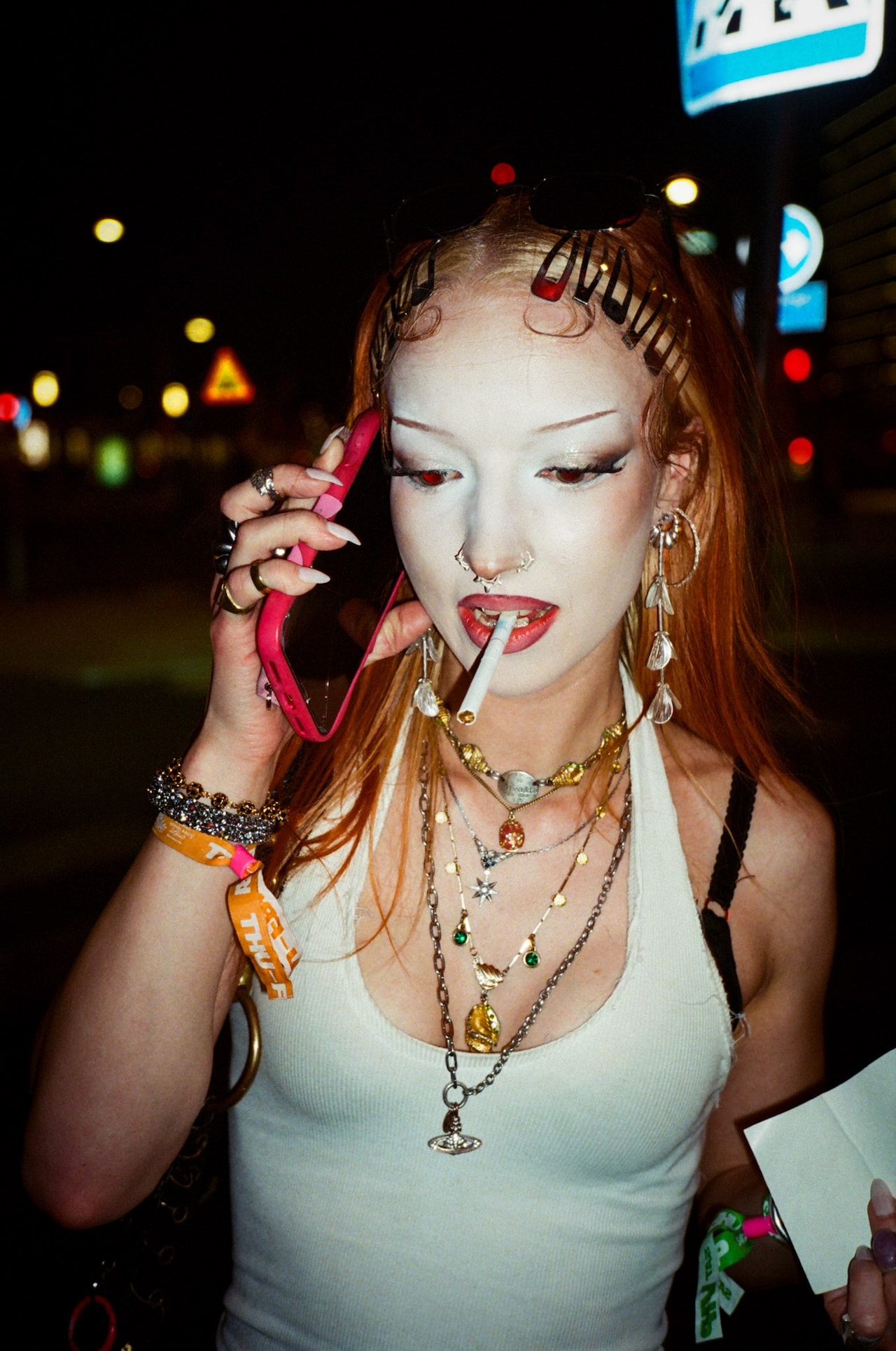
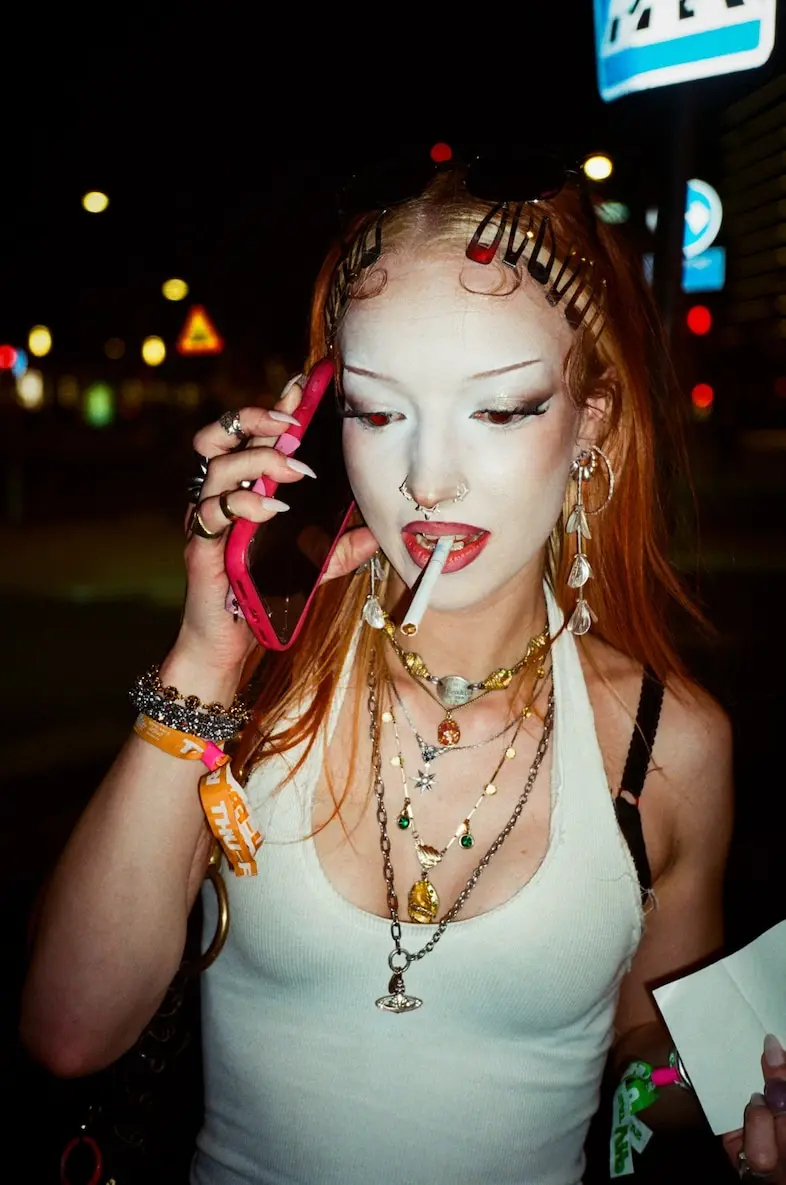
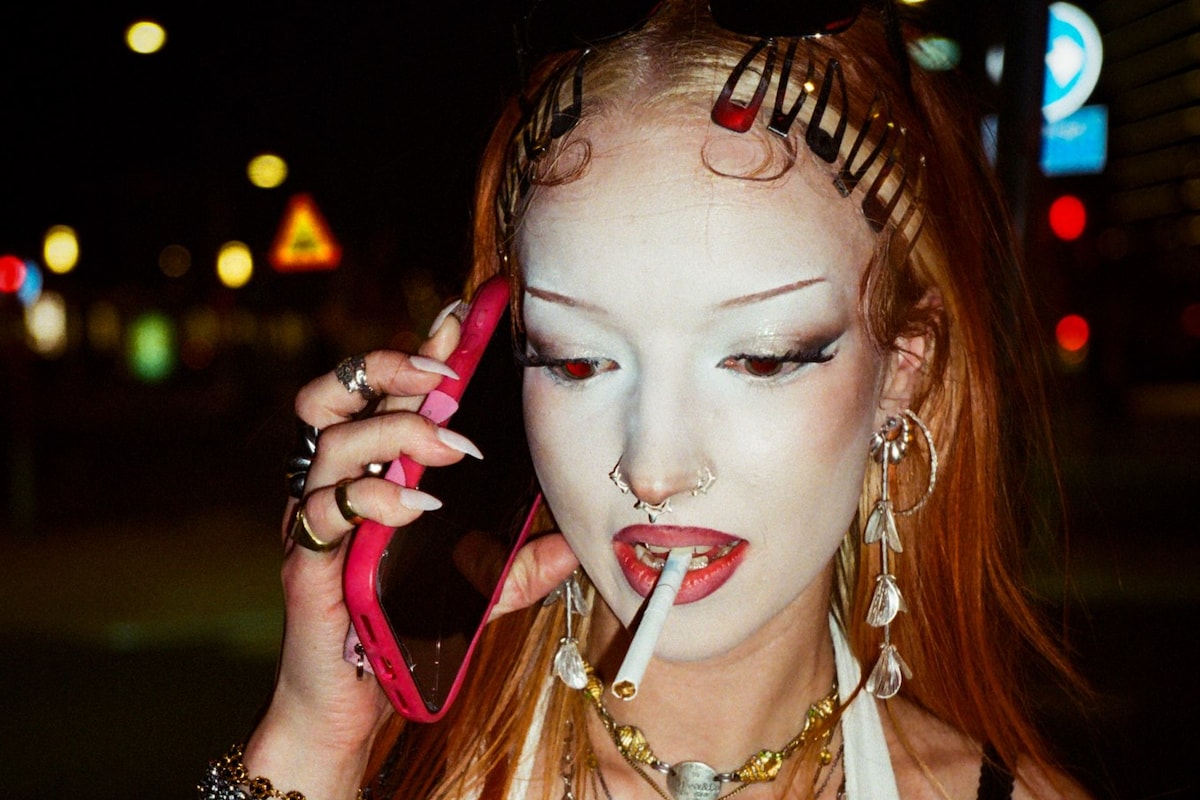
Yet, some of the most enduring memories of the final stretch occurred entirely off-script. Weaving through the wooded peripheries of the primary grounds, attendees stumbled upon spontaneous micro-gatherings. Most notably, a wooded smoking area housed inside an unassuming, vintage caravan—affectionately dubbed the "lesbian smoking caravan" by its temporary inhabitants—became an impromptu sanctuary. Adorned in an unofficial uniform of layered tank tops, graphic slogan tees, flowing scarves, and heavy studded belts, festival-goers carved out their own autonomous zone of connection, creativity, and queer solidarity away from the corporate gaze.
Supporting Context & Metrics: Cultural Impact and Artistic Curation
Way Out West 2026 did not occur in a vacuum; it operated as a pivotal nexus within the broader ecosystem of European summer festivals. Analyzing the metrics and structural philosophy behind this year’s edition reveals why Gothenburg remains a gold standard for sustainable, culturally progressive event management.
Demographics and Attendance Metrics
- Total Estimated Attendance: Approximately 35,000 to 40,000 daily attendees, drawing a balanced mix of domestic Swedish music lovers and an increasing influx of international cultural tourists from across Europe, the UK, and North America.
- Line-Up Diversity: Spanning over 80 distinct acts across three primary outdoor stages and multiple indoor after-hours partner venues.
- Genre Distribution: A carefully calibrated 40/60 split between legacy alternative/rock acts (such as the historic inclusion of The Cure) and bleeding-edge contemporary pop, hyperpop, and underground electronic artists (including Oklou, COBRAH, and Lorde).
The Intersection of High Fashion, Subculture, and Photography
The visual documentation of Way Out West 2026—particularly through the lens of embedded artists like Imogen—highlights a fascinating shift in festival style. Eschewing the conventional, hyper-commercialized bohemian aesthetics often associated with festivals like Coachella, Way Out West audiences leaned heavily into a utilitarian yet deeply stylized Scandinavian streetwear ethos.
The presence of micro-communities within the crowd, such as the frequenters of the wooded caravan, underscores the importance of safe, queer-affirming spaces within large-scale music events. For photographers and creatives documenting the festival, these unscripted, human-scale interactions served as the primary wellspring of inspiration, proving that the true value of a festival lies in its capacity to foster genuine interpersonal connection amidst sensory overload.
Official Statements and Curatorial Vision
Reflecting on the overarching ethos of the 2026 festival, the curatorial team and contributing artists emphasized the delicate balance between mainstream accessibility and underground authenticity.

"In my work, I am constantly drawn to queerness, raw expression, and absolute uniqueness," noted photographer Imogen, summarizing her visual approach to documenting the festival’s underbelly. "I wanted to capture the underground side of the festival that is perhaps less visible at a more mainstream event like Way Out West. It’s unexpected moments of connecting with my community that make the whole experience so special and fuel my creativity."
Festival organizers have consistently maintained that Way Out West functions not merely as a commercial booking agency for touring pop stars, but as a cultural reflection of Gothenburg itself—progressive, environmentally conscious, and fiercely protective of its artistic integrity. By providing a platform where global icons like Lorde and Zara Larsson could share cultural space with boundary-pushing avant-pop acts like Oklou and COBRAH, the festival reinforced its reputation as a visionary leader in European music programming.
Future Outlook: The Evolution of the European Festival Circuit
As the curtains close on the summer 2026 festival season, Way Out West leaves behind a blueprint for how large-scale music gatherings must adapt to survive and thrive in an increasingly homogenized cultural landscape.
The success of this year’s edition points toward several key trends for the future of the industry:
- The De-Centralization of Main Stages: Attendees increasingly demand authentic, micro-experiential zones—such as hidden woodland spaces, impromptu community hubs, and intimate club after-parties—that offer respite from the monolithic scale of main stage headliners.
- Queer-First Curation: The triumphant, career-defining sets delivered by artists like COBRAH signal that explicitly queer-coded, high-energy electronic music is no longer a niche subgenre, but a driving force of mainstream festival culture.
- Environmental and Spatial Harmony: Way Out West’s continued mastery of utilizing urban parklands (Slottsskogen) without compromising natural beauty serves as an essential model for sustainable festival design in an era of heightened ecological awareness.
Looking ahead, Way Out West has cemented its status as an indispensable anchor of the global music calendar. By prioritizing artistic risk, inclusivity, and the preservation of unexpected subcultural corners, the festival ensures that its legacy will endure long after the last tent is packed away and the autumn leaves begin to fall over Gothenburg.