Executive Overview
In a strategic pivot designed to navigate shifting regulatory landscapes and aggressive trade policies, French automotive giant Renault Group has announced that it is relocating the production of its wildly popular, ultra-low-cost Dacia Spring electric vehicle (EV) from China to Europe. Originally manufactured in Hubei, China, the compact battery-electric vehicle (BEV) will now roll off the assembly lines at the Revoz plant in Novo Mesto, Slovenia—the very same facility where Renault currently builds its Twingo E-Tech city car.
This major operational realignment is primarily motivated by a desire to qualify for lucrative local financial incentives and government-backed EV subsidies, particularly in France, where strict carbon-footprint scoring rules have increasingly penalized vehicles manufactured outside of the European Union. By securing eligibility for these regional incentives, Renault can dramatically slash the effective retail price of the vehicle for everyday consumers.
While the base Manufacturer’s Suggested Retail Price (MSRP) for the revamped Dacia Spring stands at an accessible €17,900 (approximately $20,789), the application of maximum French EV credits can reduce the out-of-pocket cost to as little as €12,200 (roughly $14,169). This aggressive pricing strategy cements the Spring’s status as arguably the cheapest fully electric vehicle available on the European market today.
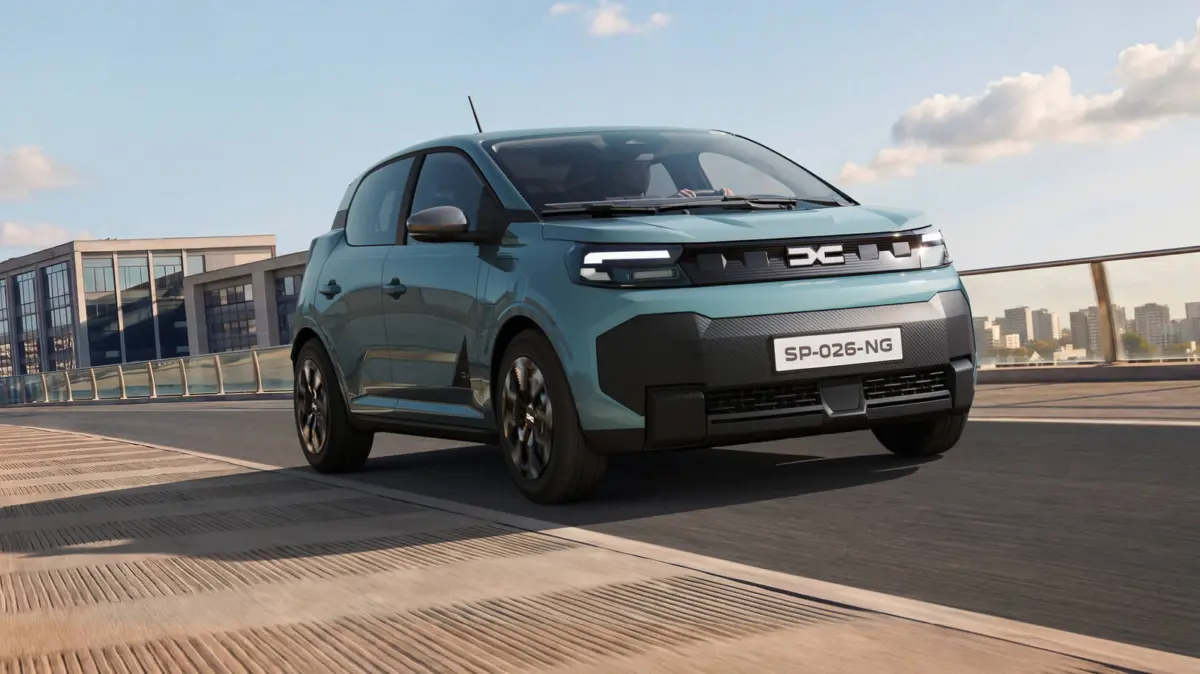
At the same time, Renault is capitalizing on this manufacturing move to introduce a comprehensive mid-cycle refresh. The latest iteration of the Dacia Spring features a striking exterior redesign that moves away from the traditional, utilitarian "econobox" aesthetic toward a more muscular, robust, and modern SUV-inspired posture. Inside, the vehicle benefits from upgraded technology, slightly enhanced cargo capacities, and a restructured cabin layout.
However, despite these visual and digital upgrades, the Dacia Spring remains unashamedly committed to its core identity: an ultra-affordable, lightweight, and modest city car tailored specifically for urban and suburban commuters. With a compact 27.5 kWh battery pack, a WLTP-rated range of 155 miles, and a restrained 80-horsepower electric motor, the Spring is intentionally engineered to avoid the excessive weight, complexity, and high costs that plague many larger, long-range modern EVs.
For Renault Group, the stakes could not be higher. As European regulators push forward with ambitious decarbonization roadmaps—including a mandated 90 percent reduction in fleet emissions by 2035 compared to 2021 levels—automakers are under intense pressure to deliver genuinely affordable electric mobility to the masses. The Dacia Spring has already proven to be a commercial success, racking up over 210,000 global sales since its initial launch in 2021. By bringing production home to Europe, Renault is safeguarding its profit margins against potential import tariffs while ensuring that its budget EV remains competitive against an incoming wave of inexpensive Chinese rivals.
Detailed Chronology of the Dacia Spring and the European Shift
To fully understand the weight of Renault’s decision to move the Dacia Spring’s production lineage, it is essential to trace the vehicle’s journey from its conceptual roots to its current European homecoming.
2021–2023: The Chinese-Built Genesis and Rapid Market Penetration
When the Dacia Spring first debuted in European showrooms in 2021, it arrived with a disruptive value proposition: a fully electric vehicle priced well below the psychological €20,000 threshold. To achieve this unprecedented price point, Renault leveraged its deep manufacturing ties within the Renault-Nissan-Mitsubishi Alliance, building the Spring in Shiyan, Hubei, China, alongside its mechanical sibling, the Renault City K-ZE.
The strategy was an immediate success. European consumers, battered by inflation and eager to transition to zero-emission driving without breaking the bank, rushed to buy the compact crossover. By the end of 2023, cumulative global sales surpassed 210,000 units. The Spring quickly established itself as a staple of urban car-sharing fleets, eco-conscious delivery services, and budget-conscious private households, particularly in markets like France, Italy, and Germany.
Late 2023–Early 2024: Regulatory Headwinds and the Subsidies Squeeze
Despite its commercial triumph, the Dacia Spring faced a looming existential threat: tightening European trade policies and green subsidy frameworks. Governments across the continent—most notably France—grew increasingly uncomfortable using taxpayer-funded incentives to subsidize vehicles manufactured outside of the European Union, particularly from China, where domestic auto manufacturing benefits from heavy state support.
In late 2023, the French government introduced a revised eco-bonus scheme. The new framework calculated a vehicle’s eligibility for cash-back subsidies based on a complex "environmental score," which factored in the carbon emissions generated during the entire manufacturing process, raw material sourcing, and maritime transportation. Because the Dacia Spring was shipped thousands of miles from a coal-heavy energy grid in China, its carbon footprint score plummeted, rendering it ineligible for the very financial incentives that made it so attractive to buyers.
Realizing that the loss of French subsidies would instantly price the Spring out of its competitive sweet spot, Renault’s leadership activated a contingency plan: repatriate assembly to European soil.
Mid-2024: The Comprehensive Facelift and Slovenian Integration
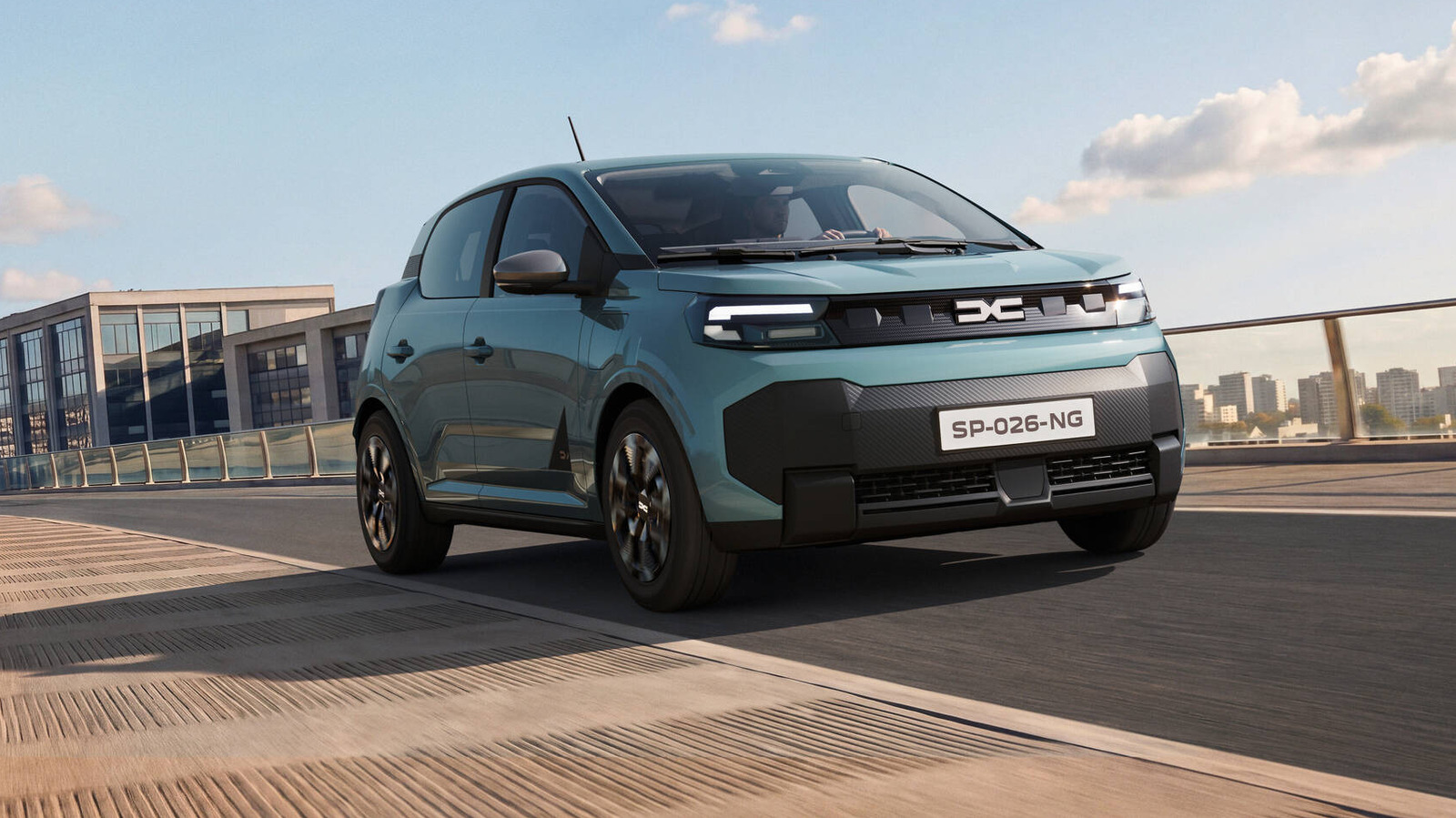
Concurrently with the supply chain migration, Dacia engineers and designers went to work on a major refresh for the vehicle. Moving away from the somewhat plain aesthetic of the first-generation model, the updated Spring received a thoroughly modern design language. The vehicle grew slightly in overall stance, adopting sharper body lines, redesigned front and rear fasciae, and distinctive black contrasting accents.
Inside, the cabin was overhauled to incorporate contemporary digital interfaces, replacing analog setups with a 7-inch digital instrument cluster and a 10.1-inch central touchscreen running modern infotainment software.
Late 2024–Future: The Novo Mesto Transition
The final piece of the puzzle involved securing a dedicated European manufacturing footprint. Renault selected its Revoz manufacturing plant in Novo Mesto, Slovenia, as the new European home for the Spring. The factory, which has a long history of producing compact urban vehicles for the Renault family (such as the Twingo), underwent tooling and process adjustments to accommodate the EV.
With production now officially shifting to Slovenia, the Dacia Spring successfully vaults over regulatory hurdles, regaining full access to local green subsidies and ensuring its viability in a fiercely competitive and rapidly evolving European automotive market.
Supporting Context, Specifications, and Financial Metrics
The Dacia Spring is an exercise in radical engineering restraint. In an industry obsessed with packing ever-larger battery packs, 500-horsepower motors, and heavy luxury amenities into vehicles that often weigh well over two metric tons, the Spring takes a refreshingly minimalist approach.
Powertrain, Performance, and Battery Architecture
The vehicle is built around a modest 27.5 kWh lithium iron phosphate (LFP) battery pack. LFP chemistry was deliberately chosen for its cost-effectiveness, chemical stability, and long-term durability, bypassing the expensive nickel and cobalt requirements of higher-end energy storage systems.
This battery feeds a front-mounted electric motor that generates 80 horsepower and 129 pound-feet of torque. Performance figures reflect the city-car mission statement: acceleration is leisurely, and top speeds are optimized for urban ring roads and metropolitan highways rather than the autobahn.
Under the World Harmonised Light Vehicle Test Procedure (WLTP), the Spring delivers an official range of up to 155 miles. Converted to the more conservative EPA standard, this translates to roughly 133 miles of real-world driving range per full charge. While this might sound modest compared to long-range cruisers, Dacia’s internal customer data indicates that it is more than adequate for the target demographic. According to Dacia’s usage metrics, average Spring owners drive just 21 miles per day, with roughly 75 percent of all charging operations taking place overnight at home.
Charging Infrastructure and Flexibility
For those occasions when longer journeys are required, the Spring offers flexible charging solutions:
- AC Charging: Connected to a standard domestic 6.6 kW AC outlet or wallbox, the vehicle can replenish its battery from empty to full in approximately nine hours—perfect for overnight residential charging.
- DC Fast Charging: Dacia offers an optional 50 kW DC fast-charging capability (available for an extra €500). When plugged into a compatible rapid charger, the Spring can sprint from 15 percent to 80 percent state-of-charge in just 28 minutes.
Exterior Dimensions and Cargo Space
Despite its classification as a sub-compact micro-crossover, the latest design iteration has optimized interior volume without sacrificing its easy-to-park footprint:
- Stance: The vehicle sits 5.9 inches longer and 7.1 inches wider than its predecessor, imparting a more planted and stable visual posture.
- Luggage Capacity: Rear cargo volume has been expanded to 11.9 cubic feet (up from 10.9 cubic feet), an impressive figure for a vehicle of this size.
- Max Cargo Volume: With the 50:50 split-folding rear bench seat laid flat, total cargo capacity expands dramatically to 45.3 cubic feet, allowing owners to haul bulky groceries, luggage, or furniture items.
Technology and Interior Amenities
The cabin strikes a careful balance between modern digitalization and tactile, cost-saving mechanical controls. Drivers are greeted by a crisp 7-inch digital driver display, complemented by a prominent 10.1-inch central touchscreen infotainment system in higher-tier trims. Crucially, Dacia has retained physical knobs and switches for climate control and essential functions, ensuring that drivers do not have to navigate complex digital sub-menus while on the move.
The vehicle is available with smartphone integration features like Apple CarPlay and Android Auto, a reversing parking camera, and keyless entry. However, to maintain the headline-grabbing base price of €17,900, these advanced creature comforts are generally bundled into higher trim levels or option packages costing roughly $1,500 extra.
Official Statements and Industry Perspective
Renault Group executives have been vocal about the strategic imperative behind the Dacia Spring’s European relocation. In official corporate press releases and stakeholder communications, leadership has framed the move not merely as a reaction to trade policy, but as a masterclass in agile industrial planning.
"The Dacia Spring has proven that European consumers are eager to embrace electric mobility, provided that the financial barrier to entry is removed," noted a senior Renault Group spokesperson during the manufacturing announcement. "By bringing production to Novo Mesto, Slovenia, we are aligning our supply chain with our core markets, securing our compliance with local environmental standards, and ensuring that sustainable transport remains genuinely accessible to working families."
Industry analysts have widely praised the maneuver. As Chinese automakers ramp up their export campaigns into Europe—introducing low-cost EVs that threaten legacy European brands—incumbents like Renault are under intense pressure to defend their home turf. By leveraging its established European manufacturing footprint (the Revoz plant in Slovenia) and capitalizing on regional subsidies, Renault has effectively neutralized the price advantage held by imported Chinese rivals.
Furthermore, the vehicle directly supports Renault Group’s overarching long-term roadmap. The company has established aggressive targets under its corporate electrification strategy, aiming for a 100 percent electrified sales mix in Europe by 2030, divided evenly between pure battery-electric vehicles and hybrids.
This transition is not optional. Regulatory bodies within the European Union have ordained that average corporate fleet emissions must drop by 90 percent by 2035 compared to 2021 benchmark levels. Without high-volume, zero-emission entries like the Dacia Spring anchoring their volume sales, legacy automakers face crushing non-compliance penalties.
Future Outlook and Market Implications
As the revamped, European-built Dacia Spring rolls off the assembly lines in Novo Mesto, its market trajectory carries profound implications for the wider automotive landscape.
1. The Battle for the Budget EV Segment
The sub-€20,000 EV market is widely considered the final frontier for mass-market automotive electrification. While premium brands have saturated the €40,000-plus segment, the truly high-volume adoption required to meet EU climate targets depends entirely on securing affordable options for budget-conscious consumers. With the Spring’s subsidized price dropping as low as €12,200 in markets like France, Renault has effectively set a benchmark that competing legacy manufacturers—such as Volkswagen, Stellantis, and Ford—will struggle to match without similar manufacturing gymnastics.
2. Supply Chain Resilience and Geopolitical Realities
The decision to relocate production from Hubei, China, to Slovenia highlights a broader industrial trend: the localization of EV supply chains. As geopolitical tensions fluctuate and trade barriers, tariffs, and carbon border adjustment mechanisms take effect, automakers are increasingly pivoting toward regionalized manufacturing models. By insulating the Dacia Spring from external tariff shocks and regulatory penalties, Renault has future-proofed one of its most important profit and volume drivers.
3. Redefining Consumer Expectations
Perhaps the most lasting impact of the Dacia Spring lies in its philosophical challenge to consumer culture. For years, the automotive industry operated under the assumption that electric vehicles needed to be heavy, highly digitized, long-range luxury pods packed with every conceivable gadget.
The Spring proves that there is a massive, underserved appetite for rational, lightweight, fit-for-purpose urban transport. By shedding excess battery weight and focusing on efficiency, Dacia has demonstrated that clean mobility does not require environmental compromise at the manufacturing stage or financial ruin at the dealership.
As European cities grapple with congestion, parking shortages, and stringent low-emission zones, the Dacia Spring stands ready to lead the charge. Backed by European manufacturing, fortified by local subsidies, and sharpened by a modern redesign, Renault’s budget champion is well-positioned to dominate the affordable EV landscape for years to come.