Executive Overview
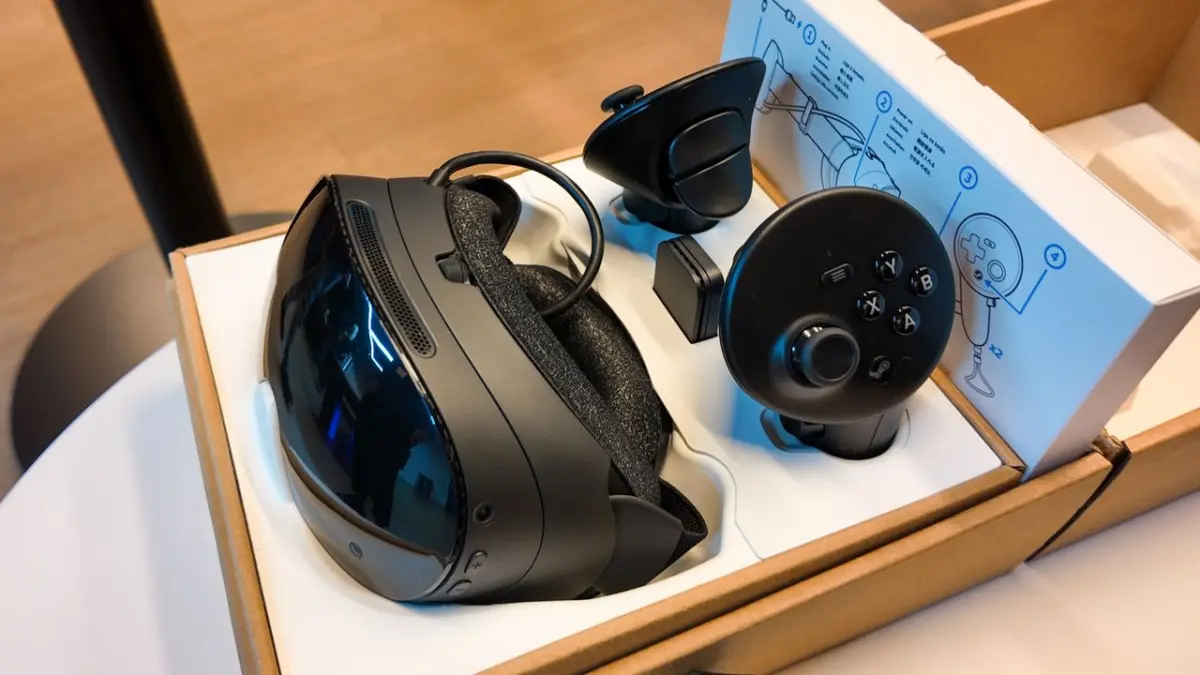
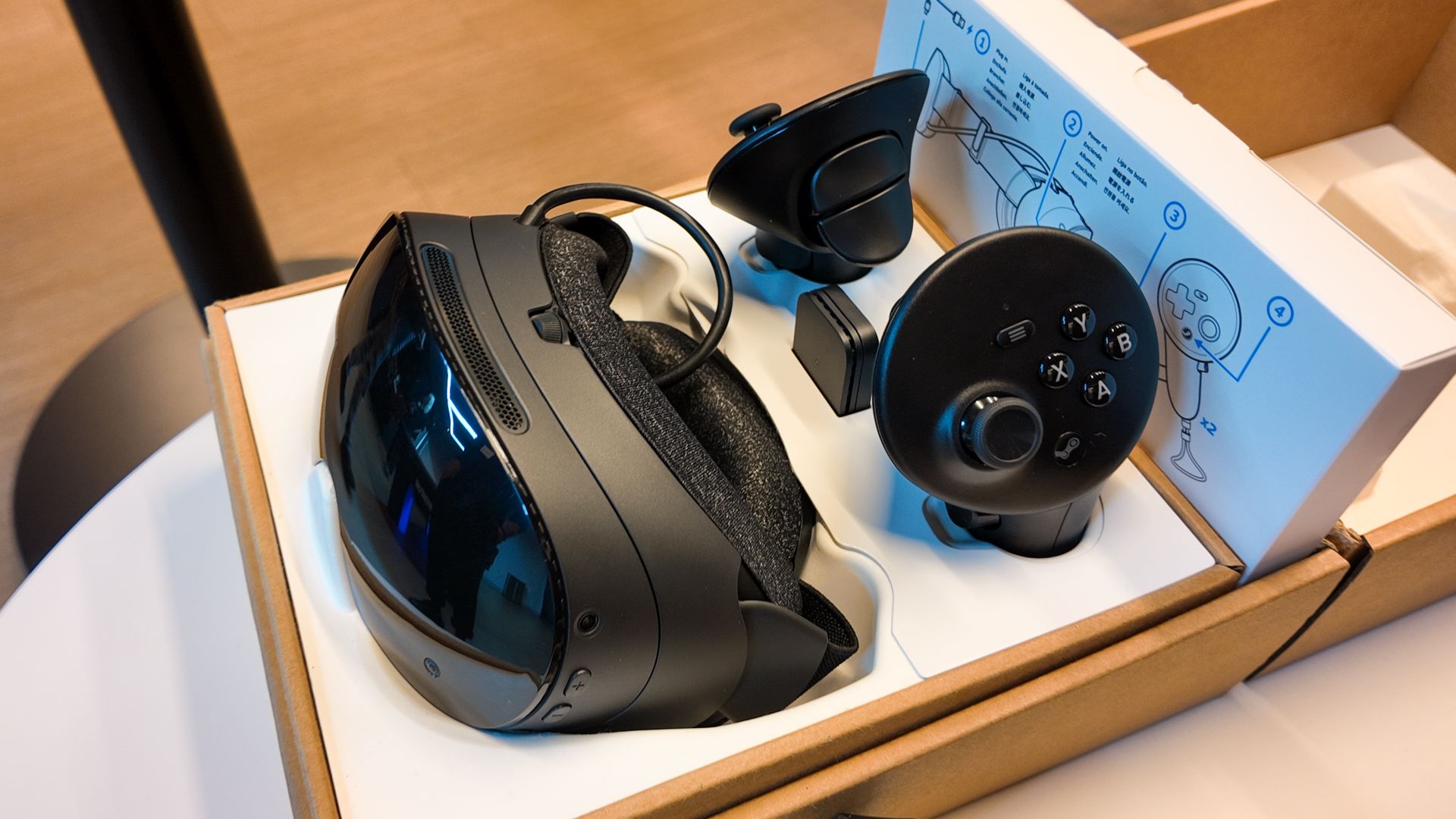
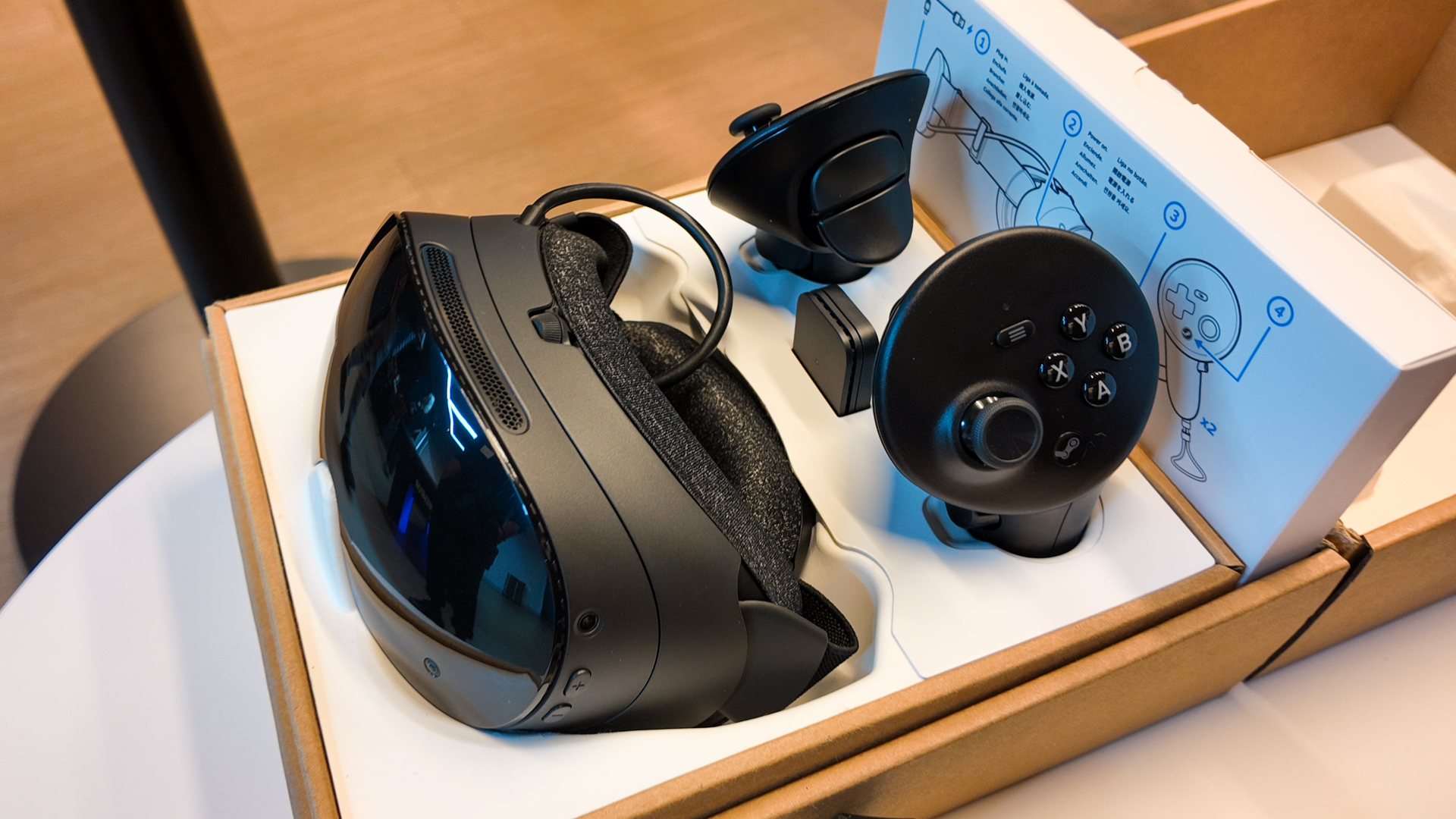
Valve Corporation appears to be inching closer to the official launch of its highly anticipated next-generation virtual reality headset, tentatively known as the Steam Frame. While the Bellevue-based gaming giant has kept official details regarding a release date, specifications, and pricing under strict wraps, recent data-mining efforts have shed new light on the hardware’s deployment trajectory.
Prominent VR leaker and hardware analyst Brad Lynch recently uncovered a hidden reservation system baked directly into Steam’s back-end infrastructure. This infrastructure explicitly accommodates two distinct Stock Keeping Units (SKUs) of the unannounced headset. Although the system is not yet live for consumers—sporting an amusing placeholder date of December 31, 1969, to prevent accidental activation—its existence confirms that Valve is actively laying the groundwork for a hardware rollout.
This discovery follows a pattern established by Valve’s recent hardware ecosystem expansions, including the Steam Machine and the newly redesigned Steam Controller. With demand for Valve’s physical hardware reaching unprecedented heights in recent years, the implementation of a reservation queue suggests that the Steam Frame may face constrained initial supplies. As the industry watches closely, the discovery of the Steam Frame in Steam’s architecture marks a significant milestone in what could be one of the most consequential hardware launches in the virtual reality space since the debut of the Valve Index.
Detailed Chronology of the Leak
The trail leading to the Steam Frame’s back-end discovery began with meticulous routine checks of Steam client updates and database changes by the virtual reality community. Over the past several months, rumors surrounding Valve’s next standalone or PC-tethered VR device have swirled through developer forums and social media channels. However, tangible proof of the hardware’s manufacturing and distribution readiness remained elusive until late August.
Unearthing the SKUs
Brad Lynch took to social media platform X (formerly Twitter) to share screenshots and technical insights pulled directly from Steam’s content delivery and storefront databases. According to Lynch’s findings, two distinct hardware variants—or SKUs—associated with the Steam Frame name have been formally registered within Valve’s internal inventory systems.
The inclusion of multiple SKUs typically points to tiered offerings, such as varying storage capacities, bundled peripheral options (such as controllers or base stations), or differences in processing capabilities. Historically, Valve has utilized tiered configurations for hardware to appeal to both enthusiast-tier adopters and mainstream consumers.
The 1969 Placeholder Trap
Accompanying the SKU registration was a screenshot of a draft lottery drawing notification email. The email system, designed to handle high-demand hardware releases fairly, featured a placeholder completion date of December 31, 1969.
In computing, December 31, 1969 (or January 1, 1970) represents the Unix Epoch—the zero point for time tracking in Unix-based operating systems. Software developers frequently use this date as a zero-value fallback or dummy placeholder to ensure automated notification scripts do not prematurely fire. Lynch was quick to temper community expectations regarding the leak, posting:
"Expect nothing. It isn’t ready."
He further clarified to eager followers that manipulating or exploiting the data-mined URLs would grant no competitive advantage in beating whatever lottery or reservation system Valve ultimately deploys.
Supporting Context & Metrics: Valve’s Hardware Strategy
To understand the significance of the Steam Frame reservation system, one must examine Valve’s recent history with physical product rollouts. Over the last few years, Valve has successfully transitioned from a purely digital storefront and software developer into a formidable hardware ecosystem architect.
The Steam Machine and Steam Controller Precedent
When Valve launched the updated Steam Machine earlier this year, consumer demand immediately outpaced initial manufacturing forecasts. To manage the rush and deter scalpers, Valve implemented a structured reservation queue. Similarly, the latest iteration of the Steam Controller faced an overwhelming surge of interest upon announcement.
Current metrics regarding these product pipelines highlight the ongoing logistical hurdles Valve faces:
- Steam Machine Queues: While initial wait times stretched for months following its June release, Valve’s supply chain optimizations mean the reservation queue for the Steam Machine is expected to be largely caught up by the end of the year.
- Steam Controller Bottlenecks: Demand for the new Steam Controller has proven so intense that Valve has publicly warned consumers that new reservations placed today may not be fully fulfilled until well into 2027.
Why a VR Reservation System Matters
The presence of a similar reservation framework for the Steam Frame carries two major implications:
- An Imminent Launch Window: Companies do not typically configure back-end lottery and reservation architecture unless a product is nearing the final stages of manufacturing, regulatory certification, and marketing preparation.
- Supply Chain Scarcity: Given the complex nature of manufacturing high-end VR optics, custom micro-OLED or LCD panels, and advanced tracking sensors, initial production runs for the Steam Frame are likely to be limited. Valve appears to be applying lessons learned from past hardware launches to ensure a fairer distribution method than open-market "first-come, first-served" stampides, which are frequently exploited by automated botting software.
Comparative Market Landscape
Should the Steam Frame materialize in the near future, it will enter a fiercely competitive virtual reality market dominated by standalone ecosystems and PC-VR heavyweights.
| Feature / Aspect | Meta Quest Series | Valve Index (Legacy) | Steam Frame (Expected) |
|---|---|---|---|
| Primary Ecosystem | Meta Horizon Store / PCVR | SteamVR | SteamOS / SteamVR |
| Form Factor | Standalone / Wireless | Tethered (DisplayPort) | Rumored Hybrid / Standalone |
| Target Audience | Mass Market / Casual | Hardcore Enthusiasts | PC Gamers / VR Purists |
| Distribution Model | Global Retail & Direct | Direct via Steam | Reservation Queue / Direct via Steam |
While competitors like Meta have captured significant market share through aggressive pricing and standalone accessibility with the Quest line, Valve has historically catered to enthusiasts prioritizing fidelity, ergonomic precision, and deep integration with the Steam library. If the Steam Frame bridges the gap between standalone convenience and SteamVR’s expansive library, it could redefine user expectations for PC-driven and portable virtual reality.
Official Statements and Industry Reactions
As of press time, Valve Corporation has maintained its traditional corporate silence regarding unannounced hardware. Representatives for the company have declined to comment on the leaked back-end reservation system or confirm the existence of the Steam Frame SKUs.
Industry analysts, however, view the silence as standard operating procedure for Valve. The company famously prefers to let leaks organically build anticipation before dropping official trailers, technical breakdowns, and pricing structures on its own terms.
Independent developers working within the SteamVR ecosystem have expressed cautious optimism. The introduction of new Valve-backed VR hardware could inject much-needed capital and consumer interest back into a PC VR market that has seen slower software growth compared to standalone mobile VR platforms over the last few years.
Future Outlook: What to Expect Next
With the Steam Frame’s reservation infrastructure now visible in the back-end data, industry watchers are speculating on when Valve might break its silence.
- Regulatory Filings: The next concrete sign of an impending launch will likely come via regulatory bodies such as the Federal Communications Commission (FCC) or Bluetooth SIG, where wireless transmission testing documents must be filed weeks or months prior to commercial sale.
- Official Reveal: Should Valve follow its historical playbook, an unceremonious blog post accompanied by store page updates and hardware specification sheets could drop at any moment, shifting the Steam Frame from a data-mined rumor to an official market contender.
For now, prospective buyers are advised to exercise patience. As Brad Lynch noted, the system is not yet live, and attempting to game the data-mined back-end will yield no results. However, one thing remains certain: Valve is gearing up for its next major hardware deployment, and virtual reality enthusiasts should prepare for movement on the Steam front.