Executive Overview
In the fast-moving ecosystem of internet culture, viral phenomena often emerge from unexpected intersections of high-profile true crime, prestige television, and absurdist comedy. On September 6, 2026, A24 released the official teaser trailer for You Can See Everything, a documentary produced by comedian and auteur Nathan Fielder that chronicles the tumultuous final chapters of Theranos founder Elizabeth Holmes prior to her federal indictment and conviction for wire fraud.
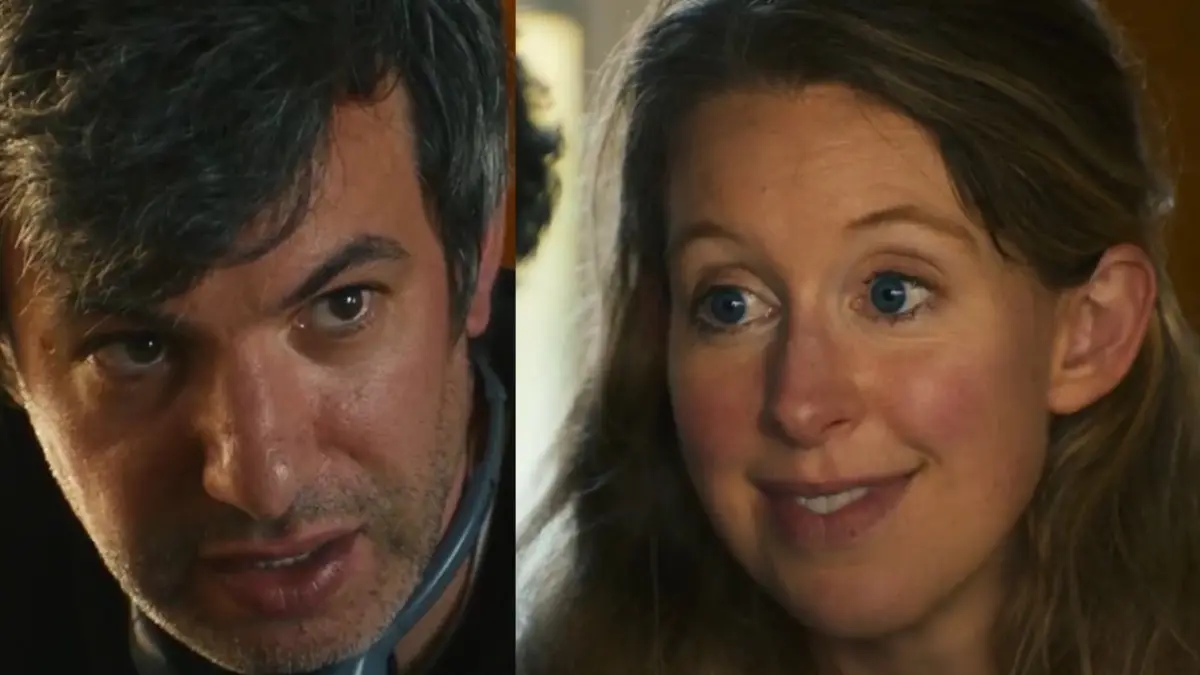
Within hours of its release, a single exchange from the teaser—in which Fielder probes Holmes about potential deception, and she responds with an unblinking, wide-eyed stare and the defensiveness of, "Why would I deceive you?"—fractured into a dominant meme template across X (formerly Twitter), Instagram, and alternative social platforms.
This article explores the anatomy of the "Why Would I Deceive You?" meme. We examine its rapid ascent, the sociological underpinnings of why internet users immediately weaponized Holmes’s notorious public persona paired with Fielder’s signature deadpan skepticism, and the ways this micro-trend reflects broader digital engagement with corporate fraud, modern relationships, and everyday social white lies.
Detailed Chronology: From A24 Teaser to Digital Omnipresence
The lifecycle of the meme moved at a breakneck pace, moving from a niche film trailer drop to mainstream social saturation in less than forty-eight hours.
Phase 1: The Drop (September 6, 2026)
A24 dropped the teaser trailer for You Can See Everything on the morning of September 6, instantly generating intense media buzz. Unlike traditional true-crime treatments that rely strictly on solemn narration and courtroom footage, the documentary’s incorporation of Nathan Fielder’s signature psychological discomfort immediately signaled a unique tone. The clip featuring Holmes’s intense, unblinking denial became an instant talking point. High-profile accounts, including political commentator and journalist Yashar Ali (@yashar), reposted the trailer, which quickly racked up over 32 million views within its first three days online.
Phase 2: Early Adaptations and Relatable Subversions (September 7, 2026)
As internet users isolated individual frames of Holmes’s wide-eyed stare and Fielder’s skeptical scrutiny, the first wave of macro-captions emerged. Early on September 7, X user @flapprdotnet published a side-by-side juxtaposition of the duo under the mundane yet passive-aggressive caption: "I bought us tickets to the pumpkin patch that’s an hour away on Labor Day."
This post struck a chord, pulling in over 22,000 likes within 48 hours and establishing a distinct comedic blueprint: pairing high-stakes corporate malfeasance iconography with painfully ordinary domestic or social inconveniences.
Later that day, the trend expanded into self-deprecating humor and behavioral commentary. User @jarvis_best applied a screenshot of Holmes to late-night internal monologues, writing, "The look bourbon gives me when I’m searching for a solution to my problems," while content aggregator @TSDmemes utilized the template for universally recognizable social white lies: "Yours is perfect. The big ones hurt too much."
Phase 3: Cross-Platform Expansion and Saturation (September 8, 2026)
By the second full day of the trend, the meme had broken containment from X into Instagram, TikTok, and meme-specific community boards.
- Domestic Dynamics: X user @TonyMichaelX captured the eternal stalemate of meal planning with a caption reading, "Seriously, what do you want for dinner? I want you to decide," turning the tense Holmes-Fielder standoff into a domestic dispute.
- Pet Care Mechanics: Instagram’s viral aggregator page @overheard applied the format to pet ownership, documenting the silent psychological warfare of trying to slip a medicinal pill past an uncooperative dog, capturing over 183,000 views and 7,300 likes in a single day.
- Corporate and Customer Service Despair: Creators like Isaiah Granet (@zaygranet) mapped the template onto automated customer service loops ("I’m going to transfer you to the right department" / "You’re sure it’s not going to hang up or reroute me"), demonstrating the template’s immense versatility across institutional frustrations.
Supporting Context & Metrics: Cultural Resonance and Engagement
The instantaneous viral traction of the "Why Would I Deceive You?" meme cannot be understood without examining the cultural baggage attached to both central figures.
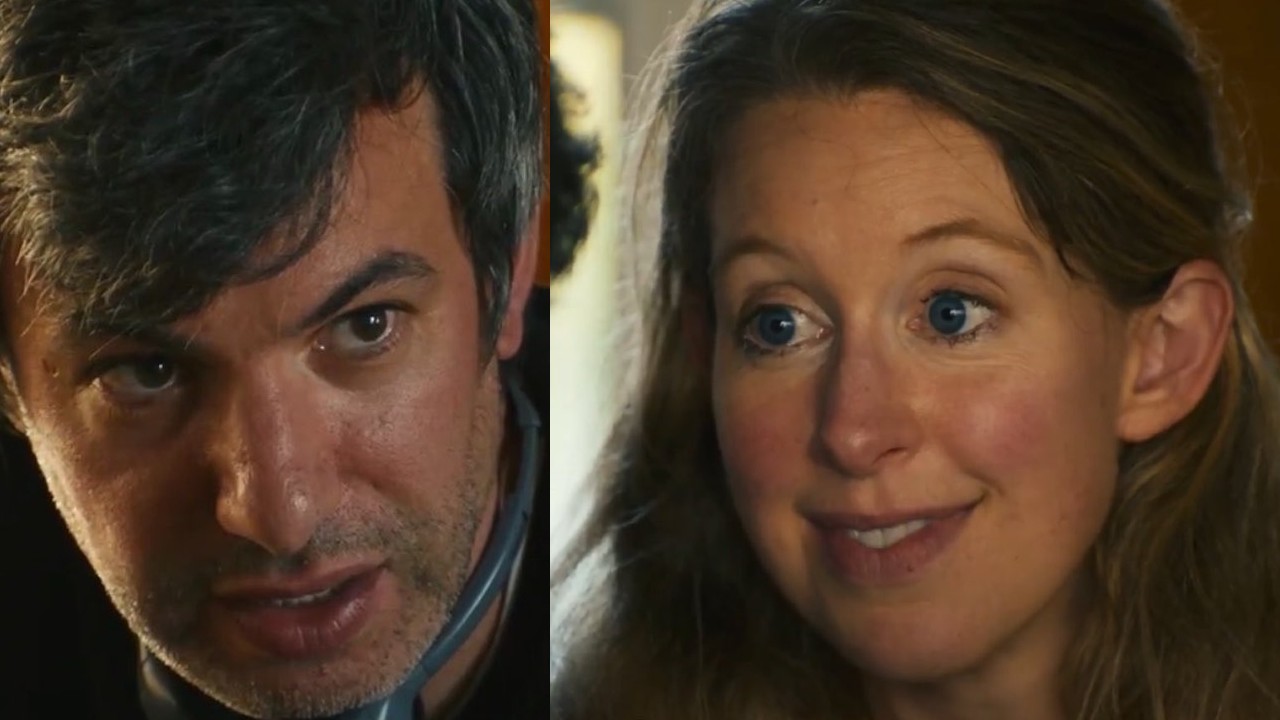
Elizabeth Holmes as a Cultural Archetype
Since the unravelling of Theranos in the mid-2010s, Elizabeth Holmes has occupied a unique space in the modern American psyche. Her intentional adoption of a low-pitched baritone voice, her Steve Jobs-inspired black turtlenecks, and her unwavering defense of a demonstrably fraudulent blood-testing technology have made her a modern avatar for corporate sociopathy and delusional self-belief. When Holmes looks into a camera and asks, "Why would I deceive you?", it carries the weight of a decade’s worth of public fascination with high-level white-collar deception.
Nathan Fielder as the Agent of Discomfort
Nathan Fielder, known for his critically acclaimed docuseries Nathan For You and The Rehearsal, specializes in exposing social awkwardness, forced interactions, and the elaborate deceptions ordinary people (and corporations) practice upon one another. Pairing Fielder’s investigative gaze with Holmes’s historic lack of candor creates a dynamic where the observer is just as unreliable as the subject.
Quantitative Reach
- Trailer Velocity: Yashar Ali’s repost on X surpassed 32 million impressions within 72 hours of launch, proving that the subject matter retained immense public pull.
- Engagement Yield: Individual meme iterations posted by accounts such as Matt’s Idea Shop and various lifestyle commentators consistently cleared 100,000 views and thousands of likes within hours of posting, indicating high algorithmic favorability and active user retweeting.
- Cross-Demographic Adoption: The template successfully bridged political commentators, crypto traders ("Just keep buying the dip… ether will bounce back"), parents dealing with homework arguments, and lifestyle meme pages.
Official Statements and Industry Reactions
While neither Elizabeth Holmes nor Nathan Fielder directly commented on the specific social media meme formats, representatives for A24 and independent media analysts noted the unusual promotional flywheel generated by the teaser.
In a statement to entertainment trades regarding the digital response to You Can See Everything, a distribution strategist remarked:
"In the contemporary media landscape, a trailer does not merely need to inform audiences about a project’s existence; it must provide immediate native currency for social platforms. By capturing a moment of profound psychological tension and dark comedy, the creative team inadvertently supplied the internet with a new lens through which to process everyday dishonesty."
Cultural critics have similarly pointed out that the meme highlights our collective exhaustion with institutional gaslighting. By reducing monumental corporate fraud down to minor domestic inconveniences—such as lying about being on the way, pretending to enjoy a grueling social outing, or managing cryptocurrency portfolios—users effectively neutralize the terrifying scale of real-world deception through humor.
Future Outlook: The Legacy of You Can See Everything
As You Can See Everything moves closer to its official theatrical and streaming release windows, the "Why Would I Deceive You?" meme stands as a masterclass in organic viral marketing.
Sustained Cultural Relevance
Meme templates driven by strong facial expressions and binary character dynamics tend to have long shelf lives. Unlike text-based trends that cycle out in hours, reaction-image formats featuring distinct, recognizable personalities (such as the classic Drake Hotline Bling or Bernie Sanders in mittens) endure because they can be endlessly reskinned to match shifting news cycles and everyday grievances.
Impact on Promotional Strategy
The rapid weaponization of the Holmes-Fielder dynamic serves as a blueprint for future documentary and scripted releases. Studios are increasingly learning that cultivating moments of uncanny human behavior or deliberate awkwardness provides the ideal raw material for digital communities to remix.
Ultimately, the meme proves that whether we are dealing with billion-dollar medical startups or simply trying to convince our partners that we are entirely happy to spend an hour driving to a remote pumpkin patch, humanity remains perpetually fascinated by the fragile boundary between truth and absolute delusion.