Executive Overview
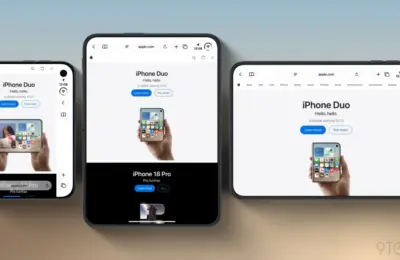
The waiting game is officially over. After years of market speculation, patent filings, supply chain whispers, and intense industry anticipation, Apple has finally entered the foldable device arena. In a landmark hardware launch event that is reshaping the trajectory of the mobile communications landscape, the Cupertino-based tech giant pulled back the curtain on its debut foldable device: the iPhone Duo.
Long heralded by competitors—most notably Samsung, which pioneered and iteratively refined the book-style foldable form factor over half a decade—Apple’s entry instantly legitimizes and accelerates the mainstream viability of folding screen technology. Yet, the iPhone Duo was not the only heavy hitter on stage. Apple also detailed its traditional flagship pipeline, introducing the iPhone 18 Pro, a device that introduces advanced photographic hardware, including a groundbreaking variable aperture camera system. However, in an ironic twist of consumer and media attention, the traditional flagship finds itself sharing the spotlight—and potentially being entirely overshadowed—by Apple’s long-awaited folding marvel.
In this comprehensive deep-dive, we examine the nuances of the iPhone Duo, evaluate the engineering and market strategy behind the iPhone 18 Pro, analyze the competitive landscape shaped by Samsung and Apple, and review the expert insights shared on the latest Engadget Podcast, hosted by Devindra Hardawar and Engadget Senior Reporter Karissa Bell, with production by Ryan Fernandez.
Detailed Chronology: The Road to the iPhone Duo and the Fall Hardware Lineup
To understand the gravity of the iPhone Duo’s arrival, one must look at the protracted timeline of Apple’s product development cycle. For years, rival original equipment manufacturers (OEMs) chided Apple for lagging behind the curve. While Samsung iterated through successive generations of the Galaxy Z Fold—addressing hinge durability, crease reduction, and software multitasking—Apple remained notoriously tight-lipped, quietly buying up ultra-thin glass patents, experimenting with dual-screen prototypes, and stress-testing hinge mechanics behind closed doors.
The culmination of this rigorous R&D phase manifested during Apple’s recent autumn hardware showcase. The event opened with a retrospective nod to mobile innovation before shifting directly into high gear with the announcement of the iPhone Duo.
The Key Announcements:
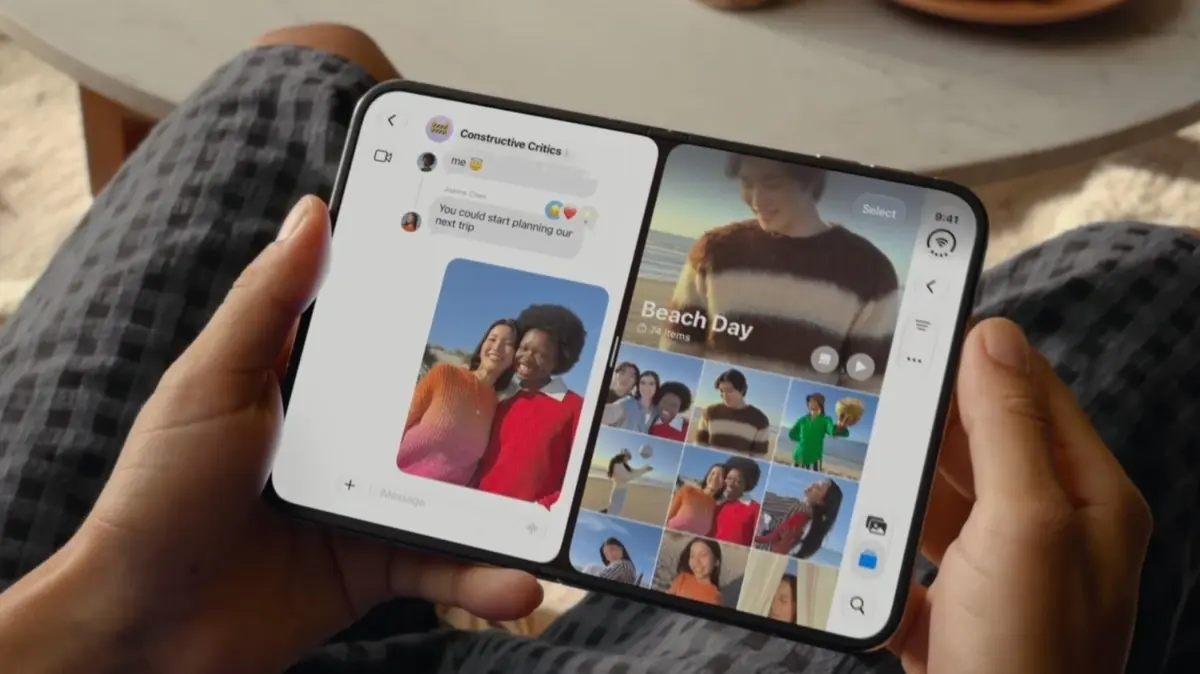
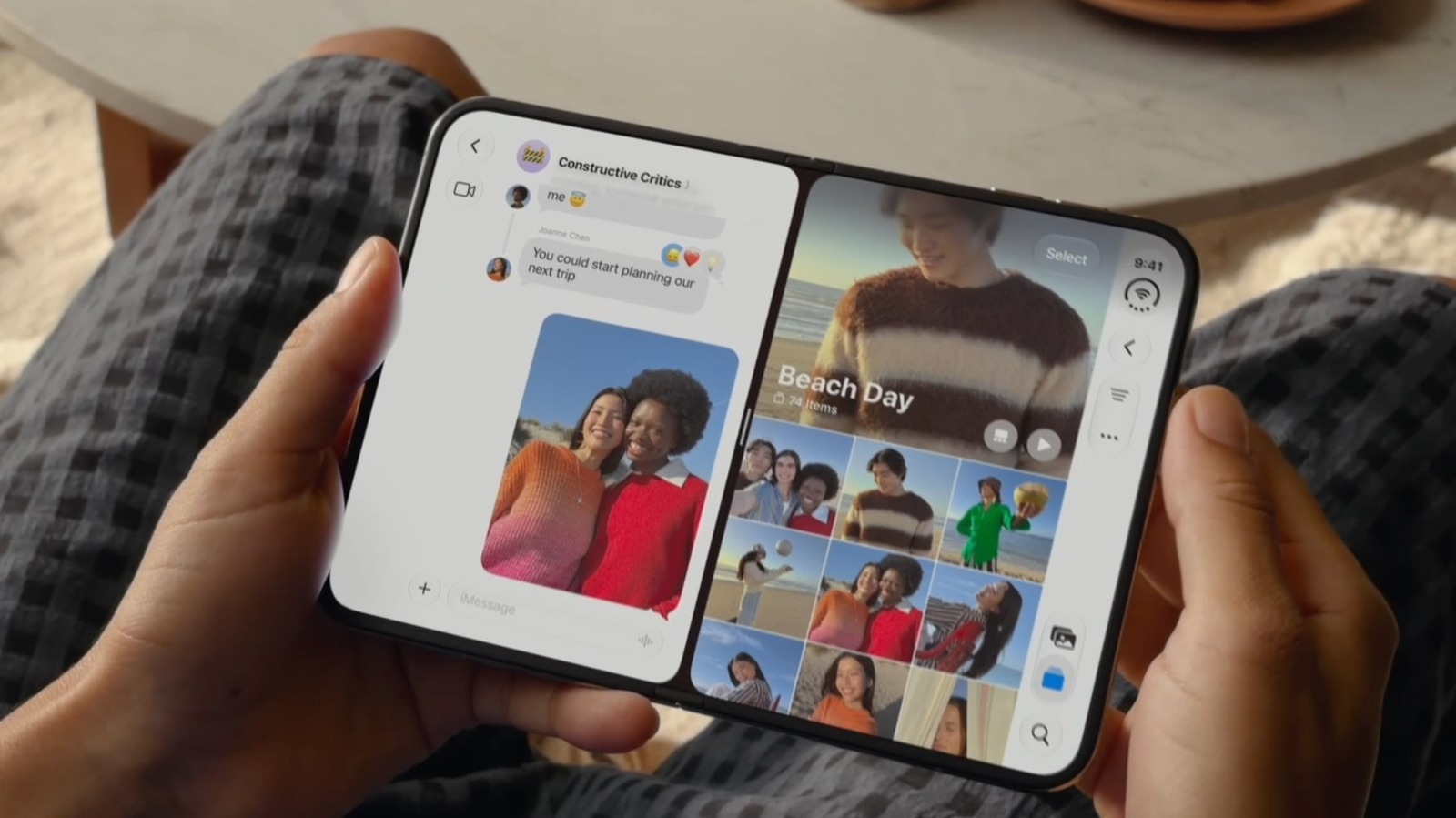
- The iPhone Duo: Apple’s first commercially available foldable iPhone. Eschewing the conventional single-screen constraints, the Duo opens up into a tablet-sized canvas while maintaining the sleek, premium ergonomics synonymous with the Apple brand ecosystem.
- The iPhone 18 Pro: Apple’s conventional flagship for the cycle. While evolutionary in design, it introduces a major optical upgrade via a new variable aperture camera system, designed to give mobile photographers unprecedented control over depth of field and low-light performance.
- Ecosystem Harmonization: Both devices ship with deeply integrated software suites designed to maximize screen real estate on the Duo while enhancing computational photography capabilities on the 18 Pro.
During the post-event breakdown on the Engadget Podcast, hosts Devindra Hardawar and Karissa Bell dissected the atmosphere of the keynote, noting that while the technical specifications of the iPhone 18 Pro would normally command the entirety of a tech news cycle, the oxygen in the room was entirely consumed by the presence of the iPhone Duo.
Supporting Context & Metrics: Analyzing the Hardware and Market Dynamics
When a dominant market leader like Apple enters a mature category, the dynamics shift instantly. Competitors can no longer dismiss foldables as a "niche enthusiast product." Instead, the market enters a hyper-competitive phase focused on refinement, price-to-value ratios, and software optimization.
1. The iPhone Duo: Form Factor and Engineering
The iPhone Duo enters a market where consumers are increasingly fatigued by incremental year-over-year slabs of glass and aluminum. Foldable devices offer a genuinely novel utility: pocketability paired with productivity-grade screen space.
- The Hinge and Crease Engineering: Apple’s engineering team reportedly spent years solving the persistent foldable pain points—namely, the display crease and mechanical wear-and-tear at the hinge joint. Early hands-on reports indicate that the Duo features a custom-engineered multi-gear hinge mechanism that allows the device to shut completely flat while minimizing internal panel stress.
- Display Technologies: Utilizing a cutting-edge flexible OLED panel protected by ultra-thin, hyper-durable composite layers, the Duo balances ruggedness with color fidelity, hitting peak brightness thresholds that easily eclipse previous-generation folding phones.
2. The iPhone 18 Pro: The Variable Aperture Revolution
It is easy to overlook the iPhone 18 Pro given the seismic impact of its foldable sibling, but Apple’s engineering division clearly refused to let the traditional slab phone stagnate.
- Variable Aperture Camera: The standout feature of the iPhone 18 Pro is its mechanical variable aperture lens system. Unlike software-simulated portrait modes, a true variable aperture allows physical blades within the lens assembly to expand or contract. This grants the sensor direct control over light entry and depth of field, bridging the gap between computational photography and traditional DSLR mechanics.
- The Shadow Effect: Despite these impressive optical leaps, Bell and Hardawar noted during their podcast discussion that the 18 Pro risks becoming an afterthought for mainstream consumers. When a brand introduces an entirely new hardware category (like a foldable), buyer curiosity inevitably gravitates toward the radical departure from the norm, leaving even the most advanced incremental upgrades fighting for attention.
Official Statements and Expert Insights
The industry reaction to Apple’s announcements has been swift and analytical. On the Engadget Podcast, Devindra Hardawar and Karissa Bell offered a granular critique of the hardware, framing Apple’s strategy within the broader context of the mobile industry.
"We’re back with a recap of Apple’s iPhone Duo launch event! In this episode, Devindra and Engadget Senior Reporter Karissa Bell break down their thoughts on Apple’s first foldable, and how the company is building on a form factor that Samsung pioneered. Also, we dive into the curious case of the iPhone 18 Pro, which has a new variable aperture camera, but will likely be overshadowed this year by the Duo."
Key takeaways from the expert discussion include:
- The "Apple Tax" on Innovation: Apple rarely builds the absolute first version of a technology, but they frequently build the version that standardizes it for the mass market. By letting Samsung and other Android manufacturers navigate the painful early phases of consumer education, durability trials, and software growing pains, Apple has entered the ring with a mature, highly polished product.
- Software as the Real Battlefield: Hardware is only half the battle when it comes to foldables. The success of the iPhone Duo will ultimately hinge on how well third-party developers adapt their applications to seamless multitasking and dynamic aspect ratios—an area where iPadOS and iOS 19/20 frameworks provide a strong foundation.
- Cannibalization Concerns: Apple has historically managed product cannibalization with surgical precision (e.g., the iPad eating into Mac sales, or the Max models affecting smaller flagships). However, the hefty price tag traditionally commanded by first-generation foldables means the iPhone Duo will likely target ultra-premium buyers, leaving the iPhone 18 Pro to satisfy enterprise users and traditional upgraders.
Future Outlook: What the iPhone Duo Means for the Industry
The launch of the iPhone Duo marks a permanent turning point for the mobile industry. As we look ahead over the next 12 to 36 months, several key trends and ripple effects are expected to materialize:
1. Accelerated R&D Among Competitors
With Apple officially validating the book-style foldable form factor, Android competitors such as Samsung, Google, OnePlus, and Honor cannot afford to rest on their laurels. We can expect a rapid acceleration in thinness wars, battery density improvements, and sub-screen camera integrations as brands vie to out-engineer Apple’s first-generation hardware.
2. App Ecosystem Standardization
For years, foldable apps on Android suffered from fragmentation due to varying aspect ratios across different brands. Apple’s entry introduces a singular, highly lucrative target platform for app developers. As studios optimize their software for the iPhone Duo’s specific dimensions, the overall quality of tablet- and foldable-optimized mobile software is expected to rise exponentially.
3. Pricing and Mainstream Adoption Curves
Currently, first-generation Apple foldables command a premium price tag that places them out of reach for the average consumer. However, if historical Apple product lifecycles are any indicator, manufacturing efficiencies, component cost reductions, and subsequent iterations will eventually drive prices down. Over time, foldables will transition from being an ultra-luxury luxury good to a staple of the standard iPhone lineup.
Conclusion
Apple’s fall hardware event will be remembered as the moment the foldable smartphone graduated from an experimental tech-enthusiast novelty into a pillar of mainstream consumer electronics. While the iPhone 18 Pro delivers impressive engineering feats—particularly its sophisticated variable aperture camera—it is the iPhone Duo that captures the imagination of the tech world. As developers build for the new canvas and consumers begin folding their phones in public en masse, Apple has once again proven that while it may not always be first to the starting line, it knows precisely how to command the finish line.