Executive Overview
The video game industry thrives on anticipation, but the recent announcements at BlizzCon have introduced a perplexing new cadence to how major publishers manage their marquee franchises. For years, the general consensus among developers and players alike was that revealing a game more than a few years ahead of its actual release date was an outdated relic of the past—a practice guaranteed to exhaust consumer goodwill and invite the fatigue of an over-extended hype cycle. Yet, Blizzard Entertainment shattered that modern standard with a pair of staggeringly distant release dates: the announcement of Diablo 5 slated for 2029, and a brand-new, open-world shooter iteration of StarCraft targeted for an ambitious 2030 launch.
While the initial reveal of a returning StarCraft franchise sent a momentary shockwave of electric excitement through the convention center, that euphoria was almost instantly deflated by the appearance of the "2030" release marker and the controversial confirmation that the beloved real-time strategy (RTS) pioneer would be radically transformed into an open-world shooter. Compounded by the surprisingly compressed timeline for Diablo 5—arriving a mere half-decade after its predecessor, in stark contrast to the historical 11-year gap separating Diablo 3 and Diablo 4—the gaming community has been left grappling with a mix of confusion, skepticism, and analytical curiosity.
Behind these hyper-distant project roadmaps lies a complex corporate narrative. Blizzard President Johanna Faries has defended the strategy, framing it as a bold assertion of organizational confidence under the sprawling umbrella of Microsoft. However, industry analysts and labor observers cannot divorce these announcements from the broader macroeconomic pressures facing the studio. With looming workforce reduction waves scheduled across the Xbox ecosystem by 2027, Blizzard’s aggressive posture of structural expansion and multi-year pipeline visibility functions not just as a consumer-facing marketing push, but as an internal beacon of stability, creative autonomy, and talent retention.
Detailed Chronology: The Road to BlizzCon’s Shocking Reveals
The trajectory leading up to this year’s BlizzCon announcements was marked by feverish speculation and a shroud of secrecy typical of modern AAA development. For over a decade, the StarCraft universe had languished in a state of creative hibernation. Following the conclusion of StarCraft II: Legacy of the Void and the subsequent cancellation of various experimental spin-offs, fans had largely resigned themselves to the belief that the Koprulu Sector would remain untouched, preserved only in the annals of esports history and cooperative commander modes.
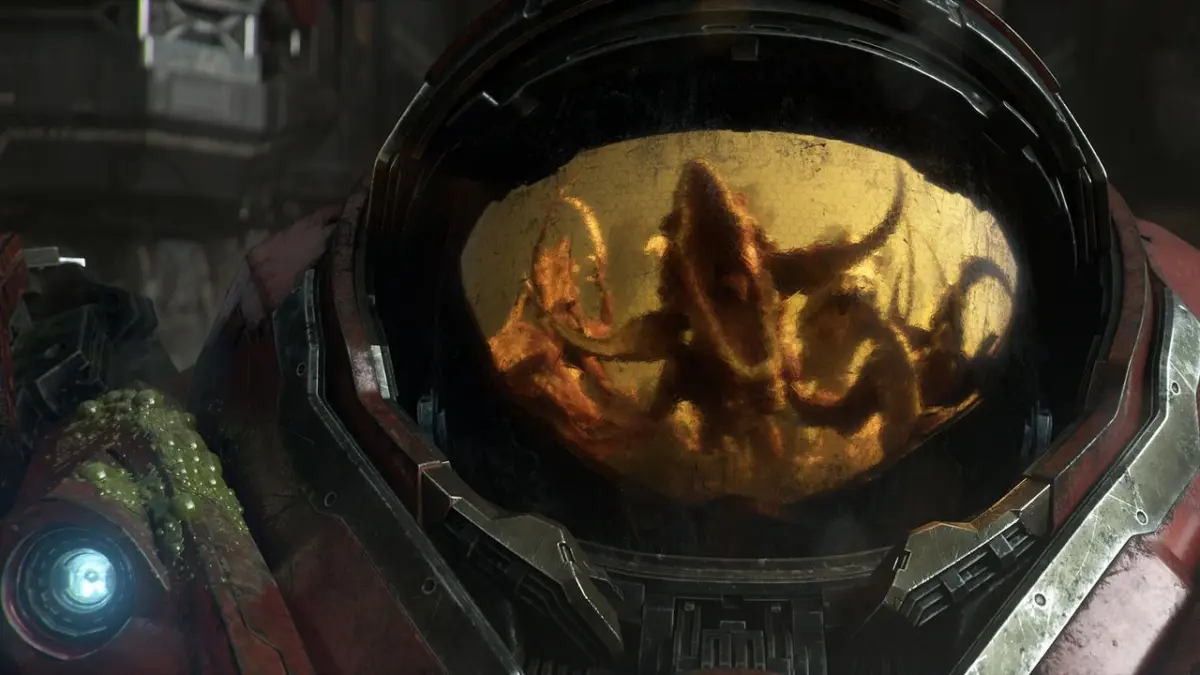
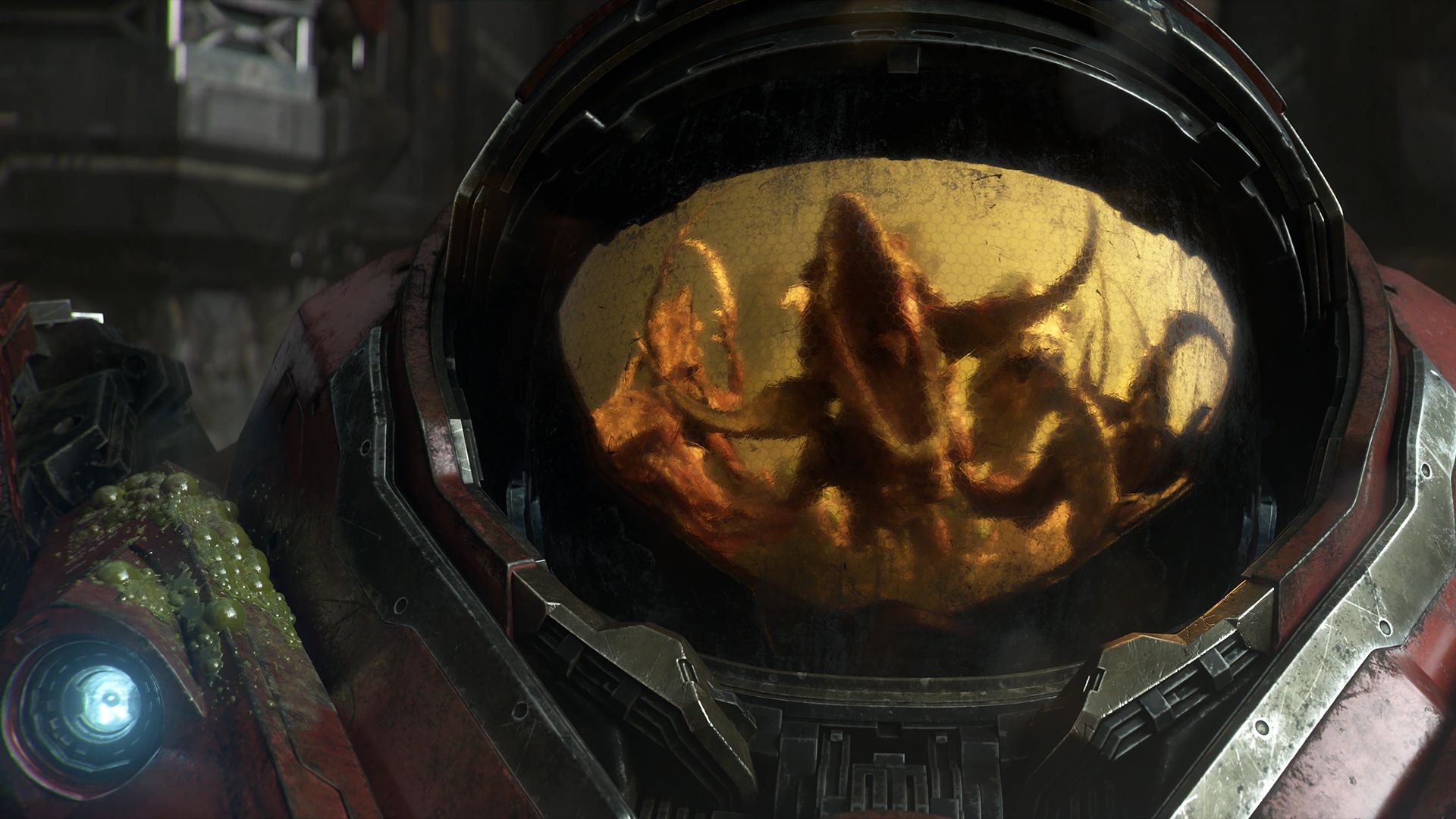
Speculation reached a boiling point in the weeks preceding BlizzCon, driven by subtle leaks and insider whispers suggesting that Blizzard was preparing to revitalize one of its dormant intellectual properties. When the lights dimmed and the cinematic trailer for the new StarCraft project flickered to life, the initial response was rapturous. The cinematic production values—a hallmark of Blizzard’s legendary art and animation departments—evoked the dark, gritty realism of the franchise’s military science-fiction roots, depicting brutal front-line engagements between Terran forces and alien horrors.
However, the communal euphoria proved short-lived. As the cinematic drew to a close, the tonal shift on the convention floor was palpable. The title card did not herald an impending beta test or a holiday season release; instead, it boldly stamped the year 2030 across the screen. The realization that fans were looking at a four-to-six-year wait for a game that was simultaneously revealed to be abandoning its strategic roots in favor of an open-world shooter format triggered an immediate, vocal backlash across social media and gaming forums.
This announcement was closely mirrored by the surprise unveiling of Diablo 5. Given the arduous 11-year development and conceptual cycle between Diablo 3 (2012) and Diablo 4 (2023), the industry expected Sanctuary’s next major chapter to remain a distant conceptual dream. Instead, Blizzard confirmed that Diablo 5 is scheduled to launch in 2029—a mere six-year turnaround. This rapid acceleration of development cycles for two of the company’s most resource-intensive properties signaled a seismic shift in how Blizzard intends to manage its intellectual property portfolio under Microsoft’s stewardship.
Supporting Context & Metrics: The Shifting Economics of AAA Development
To understand why Blizzard’s strategy has ignited such fervent debate, one must examine the changing economics and psychological parameters of game marketing in the late 2020s. Historically, the "long-lead announcement" was a staple of the industry. Publishers would announce projects years in advance to secure investor confidence, boost stock valuations, and establish a dominant cultural narrative at major trade shows like E3 or BlizzCon.
However, the modern gaming landscape has largely abandoned this paradigm. Extended hype cycles have proven to be treacherous waters. When games are announced four to six years prior to launch, developers frequently encounter severe turbulence: leadership changes, technological paradigm shifts, creative reboots, and the inevitable reality of delays. Consequently, consumers have grown cynical, treating distant release windows with a heavy asterisk—assuming delays are inevitable and watching initial excitement curdle into apathy long before the software ever hits digital storefronts.
| Game Franchise | Previous Gap / Context | Announced Release Window | Genre Shift / Key Detail |
|---|---|---|---|
| StarCraft | Years of dormancy post-Legacy of the Void | 2030 | Pivoted to an Open-World Shooter format |
| Diablo Series | 11-year gap between Diablo 3 and Diablo 4 | 2029 (Diablo 5) | Compressed 6-year cycle; procedural dungeons, expanded classes |
The decision to break this modern rule of thumb—announcing titles nearly half a decade out—suggests that Blizzard is playing a very different game. In an era where parent companies demand predictable, high-margin revenue pipelines, declaring multi-year visibility is a method of projecting corporate fortitude. Yet, it places an immense burden of expectation on development teams who must maintain momentum, morale, and technological relevance across an excruciatingly long runway.
Furthermore, the genre metamorphosis of StarCraft into an open-world shooter represents a calculated risk. While the real-time strategy genre has seen a niche resurgence, AAA publishers continue to chase the vast, recurring revenues associated with open-world action and shooter hybrids. Blizzard is clearly betting that the broad market appeal of an open-world shooter will outweigh the alienation of hardcore RTS purists—a gamble that has historically yielded mixed results when applied to legacy strategy franchises.
Official Statements: Navigating Corporate Confidence and Workforce Pressures
Addressing the skepticism head-on, Blizzard President Johanna Faries spoke candidly with Bloomberg prior to the convention, offering insight into the psychological and strategic motivations driving these ultra-early revelations.
"We want to convey confidence in some of our biggest bets coming forward," Faries explained when questioned about the wisdom of locking in multi-year release windows. "We’re a Blizzard that’s going to ship, and ship big, and ship on time, and all hands on deck to set those projects up for success."
This rhetoric of unwavering corporate velocity comes at a critical historical juncture for the studio. Following its acquisition by Microsoft, Blizzard has thus far managed to navigate the initial waves of industry-wide downsizing that have ravaged other Xbox studios. However, structural adjustments and rumors of further workforce rationalizations—including potential waves of restructuring projected for the coming years—hang like a dark cloud over the corporate campus in Irvine, California.
In this light, announcing a massive, sprawling slate of future projects serves a dual purpose. Externally, it reassures shareholders and consumers that Blizzard is investing heavily in its future. Internally, it acts as a stabilizing force. Demonstrating a rich, multi-year production roadmap signals to existing and prospective talent that the studio is not winding down, but rather scaling up for a massive decade of production.
Faries acknowledged the delicate balancing act required to maintain studio culture amidst ongoing corporate consolidation:
"Preserving that has been my ultimate focus," Faries stated, referencing the distinct cultural and creative identity of Blizzard. "The unique special sauce that is Blizzard both culturally and creatively. And to the extent that we can perform well for Microsoft, I think that should be seen as a mutual win."
While Faries steered clear of directly addressing impending labor shifts during her pre-convention interviews, her emphasis on transforming BlizzCon into "an oasis, a moment for real joy" underscored the acute awareness leadership has regarding employee morale during periods of intense corporate evolution.
Future Outlook: What Lies Ahead for Blizzard and Its Fans?
As the dust settles on BlizzCon, the gaming community finds itself at a fascinating crossroads with Blizzard Entertainment. The timeline stretching out to 2029 and 2030 feels almost science-fictional in its distance, yet it provides a clear, unvarnished look at where the legendary publisher’s ambitions lie.
For Diablo fans, a 2029 release window for the fifth installment implies that Blizzard intends to treat its premier action-RPG property as a continuous, high-velocity franchise rather than a once-in-a-generation event. With promises of expanded class rosters, procedurally generated dungeons, and refined loot loops reminiscent of Diablo 2, the team is attempting to synthesize the best elements of the franchise’s history while accelerating its production pipeline.
Conversely, the road to 2030 for StarCraft will undoubtedly be fraught with intense scrutiny. Transforming a pillar of competitive strategy gaming into an open-world shooter is a monumental pivot that will be picked apart by fans and critics alike every step of the way. Whether this radical reinvention can capture the cultural zeitgeist the way its predecessors did—or whether it will face the uphill battle of winning over a skeptical fanbase—remains the most compelling storyline in PC gaming for the remainder of the decade.
Ultimately, Blizzard’s strategy is a high-stakes wager on endurance, brand loyalty, and corporate resilience. By planting its flag firmly in the next decade, the studio has made its intentions clear: it is done playing it safe in the shadows. Whether this bold declaration of future dominance becomes a triumphant blueprint for a new golden era, or a cautionary tale of over-extended ambition, will be judged by the history books as the 2030 finish line finally draws near.