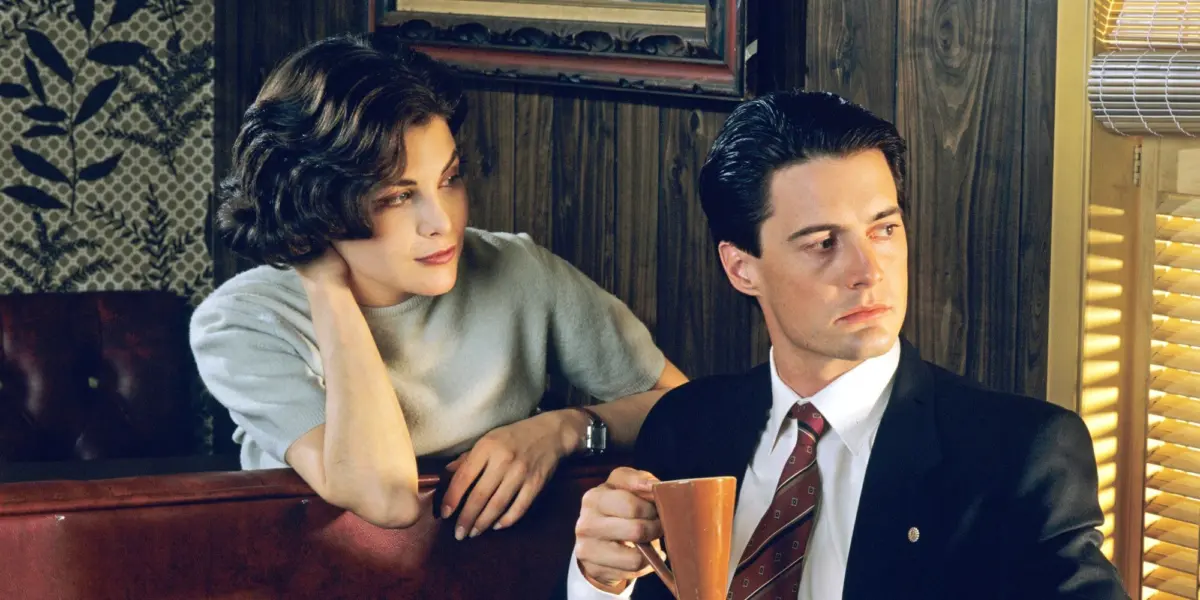
As the autumn season settles in, bringing with it overcast skies, falling leaves, and an appetite for atmospheric storytelling, television enthusiasts frequently look toward the small screen for comforting yet chilling escapes. Among the pantheon of prestige television, few settings evoke the crisp, melancholic aesthetic of autumn quite like the fictional lumber town of Twin Peaks. Developed by visionary auteur David Lynch and writer Mark Frost, the groundbreaking series initially debuted on ABC in the spring of 1990, capturing the cultural zeitgeist before fracturing expectations, enduring cancellation, and eventually achieving a historic revival in 2017 with Twin Peaks: The Return.
Today, the cultural footprint of the series remains unmatched. Far transcending the procedural constraints of standard network detective dramas, Twin Peaks established a mood-first paradigm that continues to influence contemporary psychological thrillers and supernatural mysteries—from Stranger Things to The X-Files. For both nostalgic longtime fans and curious first-time viewers seeking the ultimate autumn binge, the entire saga is currently available to stream for free on Pluto TV. This availability offers a timely invitation to step through the red curtains and immerse oneself in one of the most eccentric, beautifully shot, and deeply influential worlds in television history.
Detailed Chronology: From Network Sensation to Cult Phenomenon and Revival
To understand the cultural magnitude of Twin Peaks, one must trace its turbulent timeline across three distinct eras: its meteoric 1990–1991 broadcast run, its cinematic detour, and its triumphant 2017 resurrection.
The 1990 Genesis and Network Zenith
When Twin Peaks premiered on ABC on April 8, 1990, it disrupted the television landscape. Opening with one of the most iconic images in television history—the discovery of homecoming queen Laura Palmer’s corpse, wrapped in plastic and washed ashore near a cold Pacific Northwest riverbank—the pilot episode drew massive ratings, captivating over 34 million viewers in the United States alone.
Created by David Lynch and Mark Frost, the series promised a straightforward whodunit: Who killed Laura Palmer? However, viewers quickly realized that Lynch and Frost were using the murder investigation merely as a Trojan horse. Within its initial two seasons, the show introduced a sprawling ensemble of quirky townsfolk, secret affairs, high school drama, illicit drug rings, and a pervasive, creeping malevolence centered around the supernatural entity known as "Killer BOB."
Network Interference and Premature Cancellation
As the novelty of the first season faded, network pressures began to mount. ABC executives demanded that Lynch and Frost resolve the central mystery of Laura Palmer’s murder early in the second season. Reluctantly acquiescing to network interference, the creators revealed the killer in Episode 7 of Season 2.
While the reveal was a narrative watershed moment, it removed the primary narrative engine driving casual viewers. Ratings plummeted, and despite passionate fan campaigns, ABC ultimately canceled the series in 1991, leaving a legacy of unresolved plot threads and a famously surreal cliffhanger.
Fire Walk With Me and the 2017 Resurrection
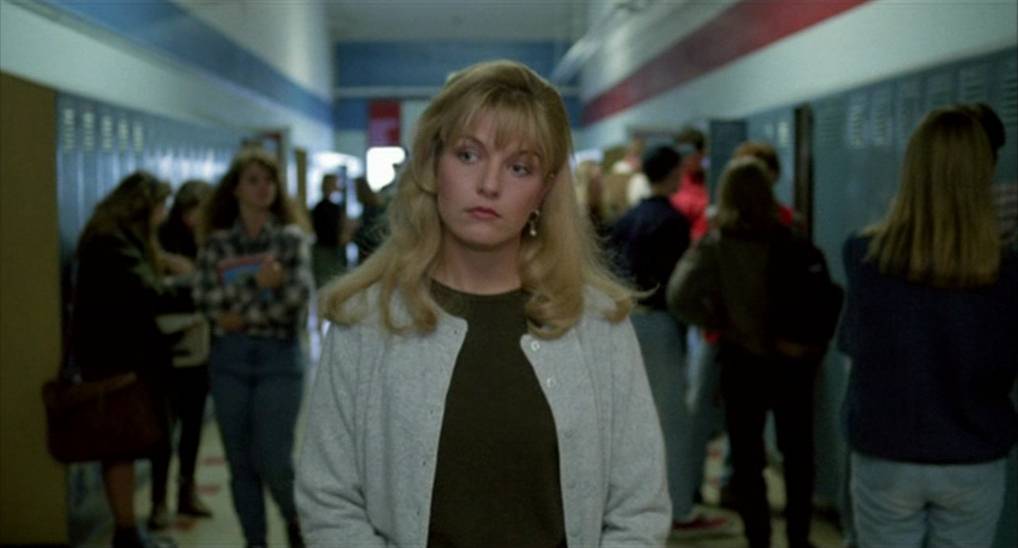
In 1992, Lynch returned to the material with the prequel feature film Twin Peaks: Fire Walk With Me. Initially reviled by mainstream audiences at the Cannes Film Festival for its dark, harrowing, and uncompromising focus on Laura Palmer’s final days of abuse and trauma, the film has since undergone a massive critical reevaluation, now recognized as a tragic masterpiece.
Twenty-five years later—fulfilling a chilling prophecy made by Laura Palmer to Agent Cooper in the original series finale—Showtime greenlit Twin Peaks: The Return (also known as Twin Peaks Season 3). A singular 18-hour cinematic event entirely directed by Lynch and co-written with Frost, the 2017 revival shattered television conventions entirely. Eschewing cozy small-town nostalgia, Twin Peaks: The Return expanded the scope of the mythology across dimensions, atomic bomb test sites, and existential philosophy, solidifying the series not merely as a cult classic, but as a monumental work of 21st-century art.
Supporting Context & Metrics: The Anatomy of a Masterpiece
The enduring legacy of Twin Peaks is defined by a unique combination of stylistic choices, sonic mastery, and cultural impact that continues to resonate decades after its inception.
The Aesthetics of Autumn and Isolation
The sensory experience of Twin Peaks is inextricably linked to the Pacific Northwest. Shot primarily in the towns of Snoqualmie and North Bend, Washington, the show weaponizes its geography to create an environment where nature feels simultaneously majestic and menacing. Towering Douglas firs, mist-shrouded mountains, and howling winds serve as silent witnesses to human corruption and supernatural intrigue. This specific visual grammar has become the blueprint for any modern television series attempting to capture autumnal dread.
Angelo Badalamenti’s Haunting Score
No discussion of Twin Peaks is complete without acknowledging the late composer Angelo Badalamenti, whose Grammy Award-winning musical score provides the emotional lifeblood of the series. The iconic "Falling"—a lush, melancholic synthesizer ballad featuring Julee Cruise’s ethereal vocals—immediately evokes the dreamy, suspended state of the town. Badalamenti’s jazz-infused, noir-drenched cues shift seamlessly from cozy diner warmth to terrifying, avant-garde dissonance, perfectly mirroring the duality of the show’s inhabitants.
Cultural and Critical Metrics
The "Twin Peaks" Effect: The series is universally credited by television historians as the catalyst for the "First Golden Age of Television." By proving that a cinematic auteur could bring an idiosyncratic, novelistic vision to a serialized weekly format, it paved the way for prestige dramas like The Sopranos, Lost, Breaking Bad, and True Detective.
Critical Acclaim:Twin Peaks routinely ranks near the top of all-time greatest television lists published by outlets such as Rolling Stone, Time, Empire, and TV Guide. The Return was named the best TV show of 2017 by numerous publications, including IndieWire and The New York Times.
Accessibility: For decades, tracking down physical media or expensive digital rentals was required to experience the full saga. The recent addition of the series to free, ad-supported streaming platforms like Pluto TV marks a democratization of Lynch’s work, introducing new generations to the Red Room without a paywall barrier.
Official Statements and Creator Insights
The creative philosophy behind Twin Peaks remains a subject of fascination for film scholars, largely due to the contrasting yet complementary partnership between David Lynch and Mark Frost.
Reflecting on the network-mandated decision to solve Laura Palmer’s murder in season two—a creative turning point that many believe signaled the beginning of the end for the original run—Mark Frost shared candid reflections in a 2024 interview with Variety:
"David always said, ‘We should never solve the mystery—this should go on forever.’ And there’s a part of me that thinks he may well have been right."
Frost’s realization highlights the tension between commercial television structures and pure artistic expression. While traditional television relies on narrative closure, Twin Peaks thrived in ambiguity, favoring mood, texture, and unanswered questions over tidy resolutions.
David Lynch has consistently downplayed the importance of intellectual comprehension in his storytelling, viewing cinema and television through the lens of pure emotional and sensory transference. In a 2017 interview with Variety discussing the inception of his projects, Lynch explained the organic, almost mystical way ideas present themselves to him:
"It comes in a burst. An idea comes in, and if you stop and think about it, it has sound, it has image, it has a mood, and it even has an indication of wardrobe, and knowing a character, or the way they speak, the words they say."
This intuitive methodology explains why Twin Peaks cannot be neatly categorized or summarized by traditional plot synopses. It is an experience designed to bypass the analytical mind and speak directly to the subconscious.
Future Outlook: The Eternal Resonance of the Woods
As the television landscape becomes increasingly dominated by algorithmic optimization, predictable IP revivals, and hyper-serialized comfort viewing, the radical artistic freedom of Twin Peaks stands as a towering monument to what the medium can achieve when placed in the hands of uncompromising auteurs.
Though David Lynch has stepped back from directing following health disclosures in recent years, and the likelihood of a fourth season remains slim, the universe of Twin Peaks continues to expand outward through fan analysis, academic study, literary companion pieces like Frost’s The Secret History of Twin Peaks, and ongoing retrospectives.
The availability of Twin Peaks for free on Pluto TV serves as an invaluable cultural bridge. It ensures that the citizens of Washington state—Agent Dale Cooper, Laura Palmer, the Log Lady, and the erratic denizens of the Double R Diner—remain vividly alive. For viewers willing to surrender logic in exchange for atmosphere, to embrace the warmth of a damn fine cup of coffee and a slice of cherry pie while peering into the dark abyss of the woods, there is simply no better destination this autumn.