Executive Overview
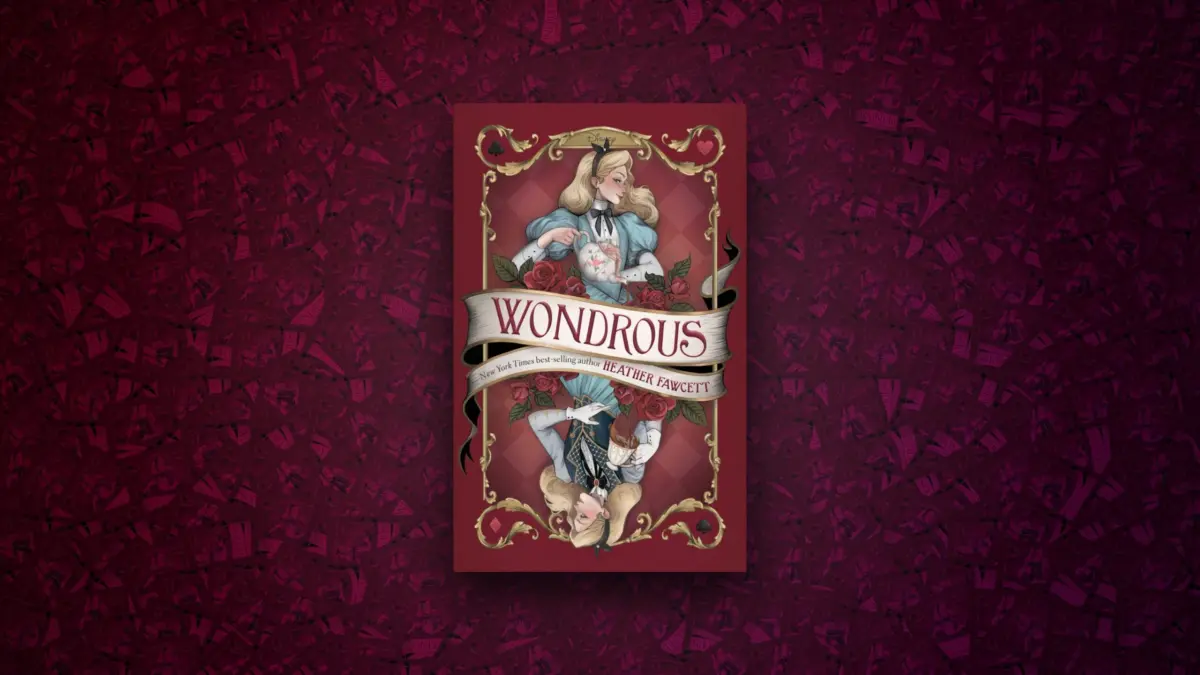
To commemorate the monumental 75th anniversary of its celebrated 1951 animated classic Alice in Wonderland, The Walt Disney Company, in strategic partnership with Random House, is officially returning audiences to the nonsensical depths of Wonderland. Rather than relying solely on anniversary merchandise, theatrical re-releases, or digital remasters, Disney is taking a remarkably literary route. The crown jewel of this diamond jubilee celebration is a brand-new, young adult (YA) fantasy novel titled Wondrous, penned by critically acclaimed author Heather Fawcett, widely known for her enchanting work on Emily Wilde’s Encyclopaedia of Faeries.
Set against the atmospheric backdrop of 19th-century Victorian London, Wondrous picks up years after the events of Disney’s original cinematic masterpiece. It subverts the comforting conclusion of the 1951 film—where young Alice awakens from what she believes to be an elaborate daydream to return to polite society—by dragging her back down the rabbit hole to escape the stifling expectations of marriage and aristocracy.
As part of the promotional rollout leading up to its October 6 release, Random House and Disney have granted media outlets an exclusive first look at the book’s opening chapter. This comprehensive report explores the narrative premise of Wondrous, the legacy of the 1951 film, the creative vision of Heather Fawcett, and what this high-profile literary expansion means for Disney’s broader intellectual property strategy.
Detailed Chronology: From Lewis Carroll to the 1951 Masterpiece and Beyond
To fully appreciate the significance of Wondrous, it is essential to trace the historical and creative lineage that has kept the cultural footprint of Alice vibrant for well over a century.
The Literary Origins (1865)
The journey began in Victorian England when Oxford mathematician Charles Lutwidge Dodgson, writing under the pen name Lewis Carroll, published Alice’s Adventures in Wonderland in 1865. The book revolutionized children’s literature by subverting traditional moralizing tales in favor of imaginative nonsense, biting satire, and surreal wordplay. It quickly became an international touchstone, cementing itself in the global literary canon alongside its 1871 sequel, Through the Looking-Glass, and What Alice Found There.
The Disney Adaptation (1951)
Decades later, Walt Disney sought to translate Carroll’s chaotic episodic narratives into a cohesive animated feature. Released on July 28, 1951, Alice in Wonderland initially faced a lukewarm critical reception and modest box office returns. Critics of the era felt the film lacked the emotional warmth and straightforward narrative structure of earlier Disney triumphs like Snow White and the Seven Dwarfs or Cinderella.
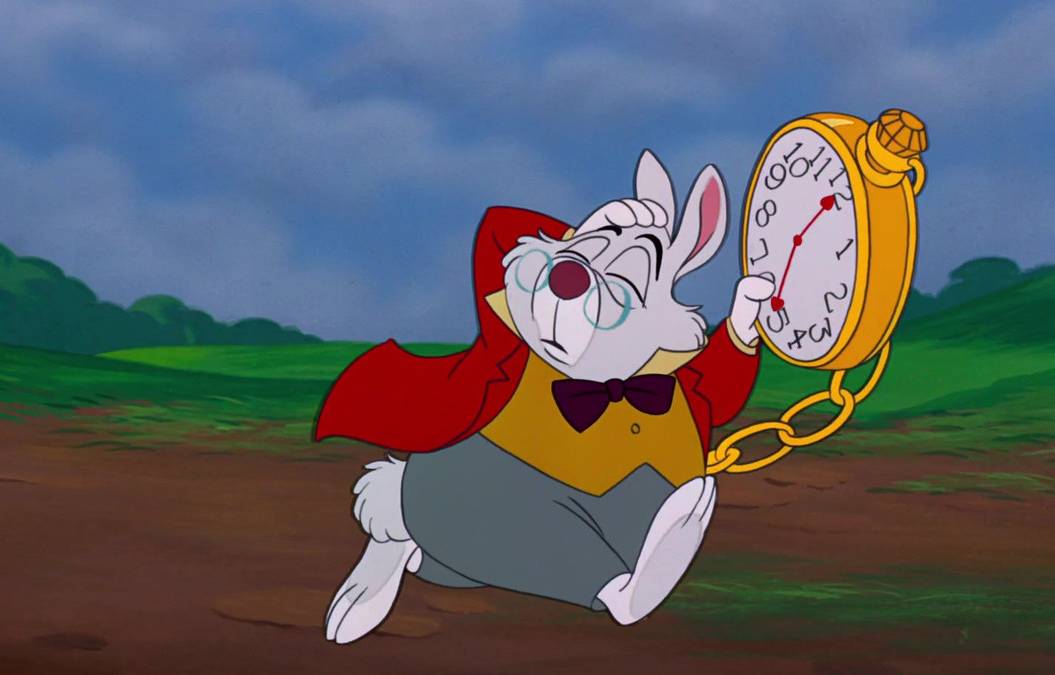
However, the film’s fortunes changed dramatically during the counterculture movement of the late 1960s and 1970s. Its vibrant color palette, psychedelic imagery, and themes of reality versus illusion resonated deeply with a new generation of audiences. Today, the 1951 adaptation is rightfully regarded as an artistic masterpiece. Its iconic characters—the Cheshire Cat, the Mad Hatter, the Queen of Hearts, and the White Rabbit—have been woven permanently into the fabric of popular culture, theme park attractions, and global merchandise lines.
The 75th Anniversary Expansion (2026)
As the intellectual property approaches its diamond anniversary, Disney and Random House recognized that a simple re-release would not suffice for a modern audience hungry for deeper, character-driven storytelling. Entering the literary scene is Wondrous, bridging classic animation nostalgia with contemporary YA fantasy sensibilities. By casting a spotlight on a slightly older, more rebellious Alice facing real-world societal pressures, the novel offers a mature yet faithful continuation of the Disney animated canon.
Supporting Context & Metrics: The Mechanics of Wondrous
While Lewis Carroll’s original texts and various cinematic adaptations—including Tim Burton’s billion-dollar live-action blockbusters in 2010 and 2016—have explored older versions of Alice, Wondrous specifically anchors itself as a direct thematic successor to the 1951 Disney film aesthetic.
The Plot: Rebellion, Tea Shops, and Identity Crisis
In Wondrous, Alice is no longer a wide-eyed child exploring a confusing domain out of sheer curiosity. Set in 19th-century London years after her initial descent, she finds herself cornered by familial expectations. Her parents, facing financial strain and desperate to secure their estate, intend to marry Alice off to a wealthy, uninspiring Baron.
Refusing to be treated as a mere bargaining chip to preserve family lands, Alice hatches a daring escape plan. Her true ambition? To open a traveling magic tea shop—a humble yet whimsical dream that defies the rigid gender roles and domestic constraints of the Victorian era.
When she flees her estate and returns to Wonderland, she discovers that time and memory operate differently there. Worse still, she is not the only "Alice" to have arrived. A multitude of young women from various timelines have all tumbled into Wonderland, each fiercely claiming to be the true Alice.

To resolve the identity crisis and prove her authenticity, the volatile Queen of Hearts devises a high-stakes trial: the various Alices must successfully subdue a trio of ferocious mock dragons. Those who succeed earn a place in Wonderland; those who fail face permanent exile from the realm.
An Exclusive Glimpse Into Chapter One
The early chapters of Wondrous establish a tone that balances dark Victorian realism with whimsical fantasy. In the exclusive excerpt provided to media, Alice executes a midnight escape from her family’s sprawling estate with the help of her young niece, Tansy.
Navigating the familiar yet oppressive grounds of her father’s property—where wildflower meadows and sheep-trimmed pastures are viewed merely as financial collateral—Alice reflects on the commodification of women in her society. “A daughter could be bartered away, while a field could not,” she observes, highlighting the novel’s sharper thematic undertones.
Accompanied not by her beloved cat Dinah (who was cruelly confiscated by her parents as both punishment and a disciplinary bargaining chip) but by a notoriously nippy hedgehog named "Hedgewitch," Alice hurls herself back down the glowing rabbit hole. Rather than feeling fear, she experiences a rush of profound liberation as Wonderland rushes up to greet her like an old friend.
Official Statements and Creative Vision
The creative force behind Wondrous, Heather Fawcett, has built a stellar reputation for crafting immersive, whimsical, and sharply witty fantasy literature, most notably demonstrated in Emily Wilde’s Encyclopaedia of Faeries. Translating that distinct literary voice into the beloved, hyper-stylized world of Disney’s 1951 animation required a delicate balance of reverence and innovation.
"Writing Wondrous was an exercise in honoring the chaotic, brilliant DNA of Disney’s classic film while allowing Alice to grow up and grapple with the very real burdens of growing older in a restrictive world," Fawcett noted during early promotional discussions. "Alice isn’t just running away from a forced marriage; she’s running toward agency, independence, and a definition of self that she gets to write on her own terms. Wonderland has always been a mirror for human absurdity, and what is more absurd than 19th-century high society?"

Random House executives have similarly championed the project as a milestone publishing event for the fall 2026 literary season. By blending nostalgia for one of Disney’s most visually arresting animated features with modern young adult tropes—such as institutional rebellion, identity verification trials, and found family—the publisher anticipates broad cross-generational appeal. Parents who grew up watching the 1951 VHS tapes will find a nostalgic anchor, while teen readers will discover a fierce, independent protagonist navigating relatable struggles of autonomy.
Future Outlook: The Expanding Universe of Disney Literature
The release of Wondrous on October 6, 2026, represents a growing trend within The Walt Disney Company’s intellectual property management: utilizing high-end, author-driven publishing partnerships to deepen lore and expand classic animated universes outside of traditional cinematic sequels.
While live-action remakes have historically dominated Disney’s strategy for revisiting older properties, the literary space offers creative freedoms that Hollywood studio pipelines often restrict. Novels like Wondrous allow for deeper psychological exploration, richer world-building, and darker, more atmospheric tones that might not fit the traditional family-film demographic, yet perfectly capture the surreal, subversive edge of Lewis Carroll’s original vision.
As fans eagerly count down the days until Wondrous officially hits bookshelves worldwide, the cultural endurance of Alice remains undisputed. Seventy-five years after her first animated tumble down the rabbit hole, Alice proves that some journeys are worth taking twice—especially when freedom, magic, and a traveling tea shop are waiting on the other side.