In the grand tapestry of video game history, hardware missteps often outshine runaway successes when it comes to sheer fascination. For every generation-defining powerhouse like the original PlayStation or the PlayStation 2, there is a bizarre, ill-fated hardware curio that serves as a cautionary tale of corporate ambition outpacing market reality. Long before Nintendo ventured into the virtual reality space with the ill-fated Virtual Boy, or Sega attempted to rescue the Genesis with the unwieldy 32X add-on, Sony engineered a machine so uniquely peculiar that it was kept strictly within the borders of Japan.
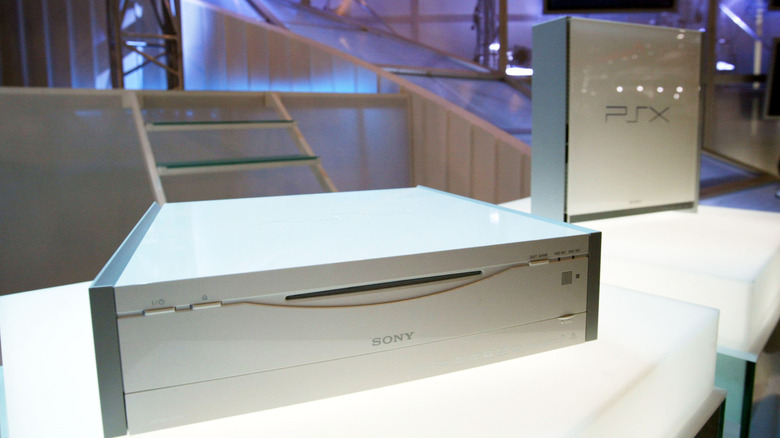
That machine was the PSX—not to be confused with the internal development codename for the original 32-bit PlayStation, but rather a completely distinct, commercially released hybrid media center. Launched in December 2003 at the absolute height of the PlayStation 2’s cultural dominance, the PSX attempted to fuse a fully functional gaming console with a high-end Digital Video Recorder (DVR), a DVD burner, a television tuner, and a broadband-ready networked entertainment hub.
Ultimately, the PSX became one of Sony’s most staggering commercial failures. It was a victim of conflicting corporate divisions, exorbitant pricing, a confused identity that alienated both die-hard gamers and home-theater enthusiasts, and a regulatory landscape that made international distribution virtually impossible. More than two decades after its quiet disappearance from shelves, the PSX remains an enigmatic ghost in the machine of gaming history—a precursor to modern media convergence that arrived years before the market was ready to embrace it.
Detailed Chronology: The Rise and Fall of a Hybrid Experiment
1. The Genesis of Convergence (Late 2003)
The early 2000s marked a pivotal transitional period for consumer electronics. The boundary lines separating living room devices were beginning to blur. Televisions were getting smarter, digital storage was becoming cheaper, and broadband internet was steadily replacing dial-up. Sensing an opportunity to dominate the entire living room ecosystem rather than just the television monitor, Sony’s corporate leadership envisioned an all-in-one entertainment appliance.
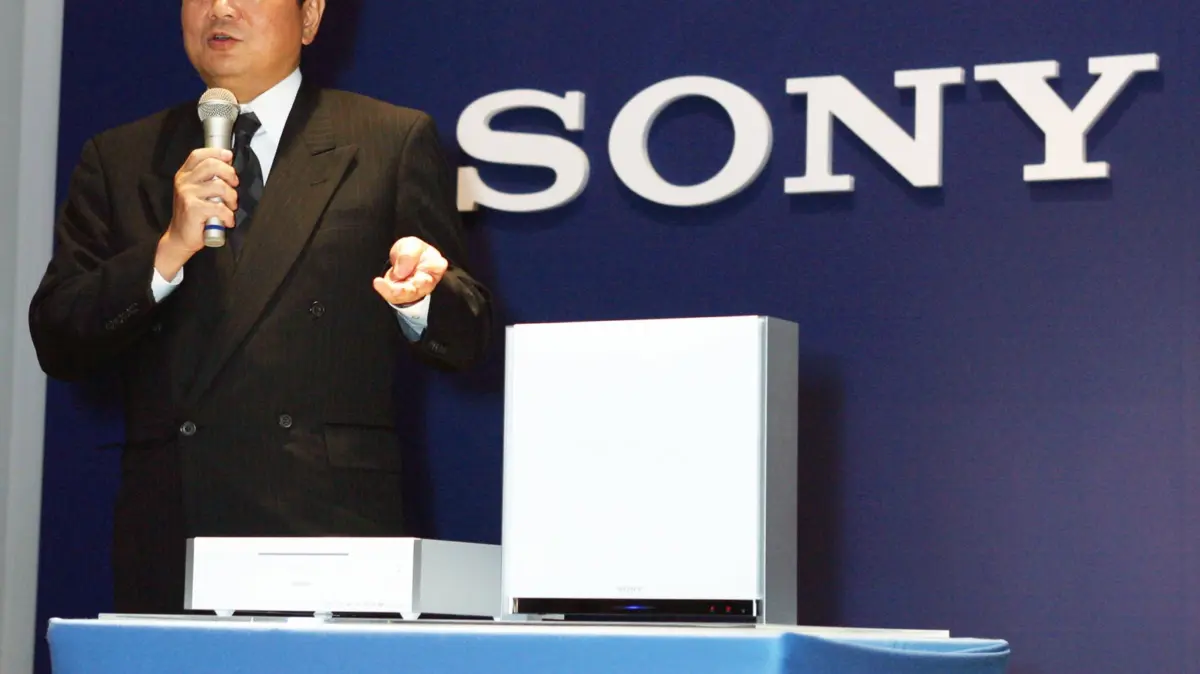
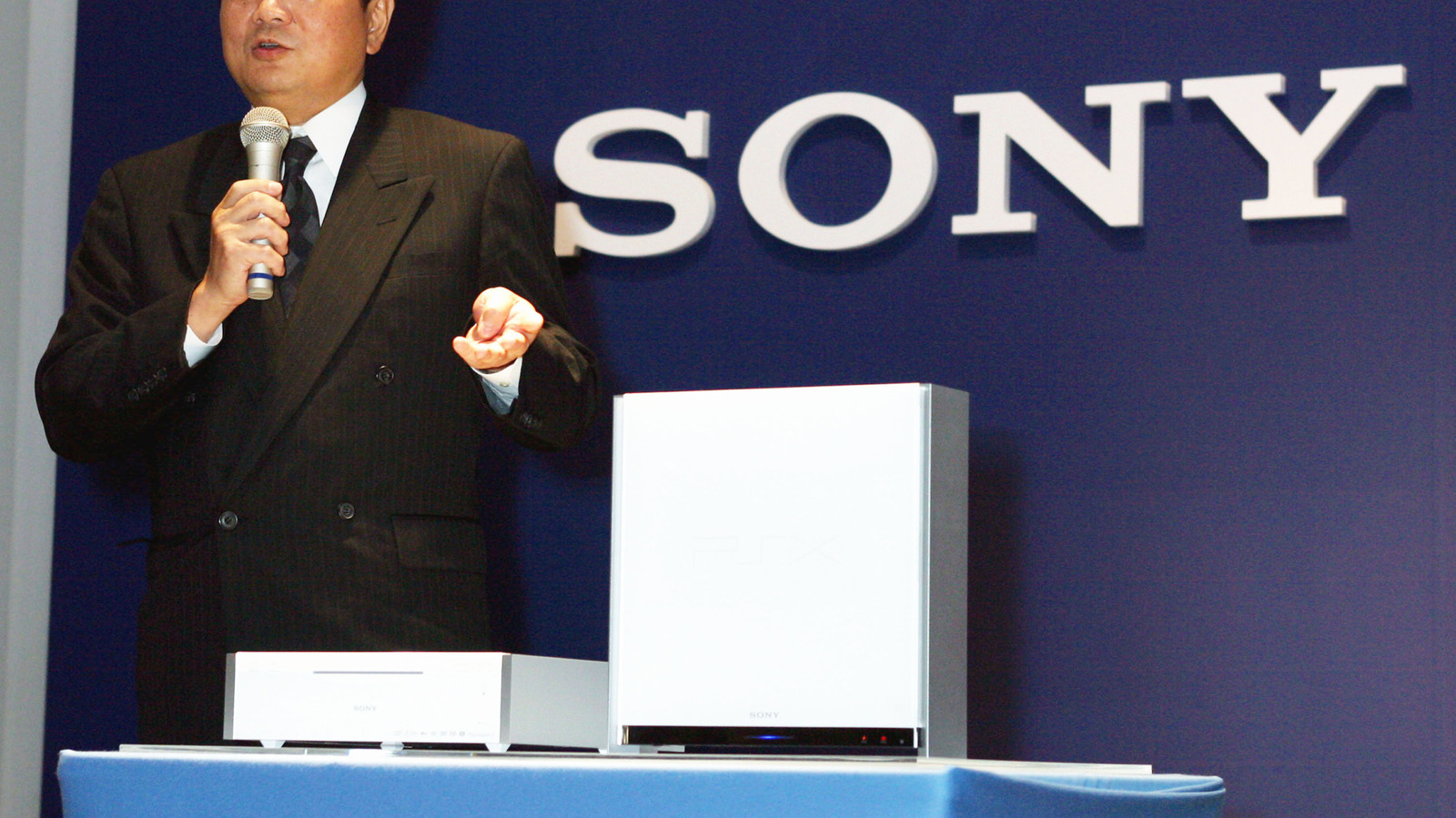
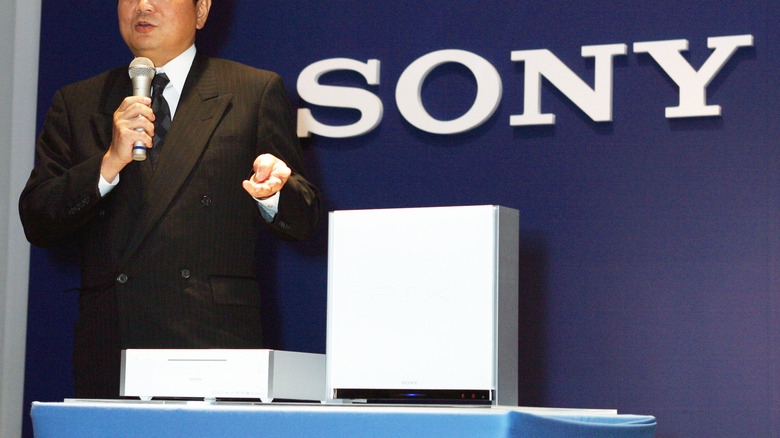
Unveiled by legendary Sony executive Ken Kutaragi, the PSX was formally released in Japan on December 13, 2003. Sony marketed the device under its overarching corporate umbrella rather than the dedicated "PlayStation" brand, signaling to consumers that this was not merely a video game console, but a sophisticated home appliance. At launch, the base model retailed for an eye-watering ¥79,800 (approximately $730 USD at the time), while the high-capacity variant commanded a staggering ¥99,800 (roughly $910 USD).
2. Initial Hype and Rapid Stagnation (2004)
Initially, curiosity drove early adopters to store shelves. During its launch week in Japan, the PSX shifted an encouraging 100,000 units. For a fleeting moment, it appeared that consumers might be willing to pay a massive premium for the ultimate convenience device.
However, the honeymoon phase was short-lived. Sales quickly plummeted as critical flaws surfaced. Early hardware bugs plagued the operating system, rendering basic recording tasks frustratingly unreliable. Recognizing these issues, Sony rushed out a hardware and software update in mid-2004, trying to stabilize the software and streamline the user interface.
Despite these patches, momentum was irretrievably lost. Japanese sales figures flatlined, and Sony grew increasingly reluctant to share concrete performance metrics with the public.
3. Internal Friction and Quiet Demise (2004–2005)
The structural reasons for the PSX’s failure ran much deeper than software bugs or high price points. According to insider reports that emerged from industry publications like GameSpot in the spring of 2004, the machine was doomed by internal corporate warfare.
An anonymous source close to Sony revealed that the development process was plagued by an unrealistic approach to engineering and inter-departmental politics. Specifically, Sony’s interactive entertainment division (the gaming side) and its optical disc/Blu-ray development departments were forced to collaborate on the project. The two factions allegedly struggled to find common ground, resulting in a fractured product that failed to satisfy either demographic: it was too complex and expensive to be a successful game console, yet too finicky and closed-off to excel as a dedicated consumer electronics DVR.
By early 2005, Sony quietly began phasing out production of the PSX, bringing its brief, tumultuous life cycle to an unceremonious end.
Supporting Context & Metrics
To truly understand why the PSX failed to catch fire, one must examine the stark economic and technical landscape of the consumer electronics market in 2003.
The Price Disparity Problem
The primary barrier to entry for the PSX was its astronomical cost.
Metric / Feature
Standard PlayStation 2 (Late 2003)
Sony PSX (Launch)
Japanese Launch Price
~¥19,800 (~$179 USD in US markets)
¥79,800 (160GB) / ¥99,800 (250GB)
Primary Function
Dedicated Video Game Console
Hybrid DVR, DVD Burner, and PS2 Console
Internal Storage
Expansion Bay (Optional HDD add-on)
Built-in 160GB or 250GB Hard Disk Drive
Operating Interface
Standard PS2 Browser Menu
XrossMediaBar (XMB)
Media Capability
DVD/CD Playback, PS1/PS2 Discs
DVD Recording, TV Tuner, PS1/PS2 Playback
While the standard PlayStation 2 was enjoying an era of unprecedented dominance—ultimately selling over 155 million units worldwide and seeing aggressive price drops to make it ubiquitous in households—the PSX was priced like a luxury specialty item for affluent early adopters. For the price of a single 250GB PSX, a Japanese consumer could purchase multiple standard PlayStation 2 consoles alongside a library of blockbuster games.
Technical Architecture and the XMB Legacy
Despite its commercial failure, the PSX introduced a revolutionary piece of software architecture that would define Sony’s hardware ecosystem for the next decade: the XrossMediaBar (XMB).
The XMB provided a sleek, horizontal icon-based navigation menu intersected by a vertical sub-menu. This interface proved to be intuitive, responsive, and aesthetically light-years ahead of the utilitarian menus common in early 2000s consumer electronics. While the interface debuted on the PSX, it was later refined and popularized globally by the PlayStation 3 and the PlayStation Portable (PSP), as well as Sony’s line of Bravia televisions.
Furthermore, the PSX was an absolute powerhouse on paper. It featured a modified version of the PlayStation 2’s Emotion Engine CPU, integrated a specialized Graphics Synthesizer, and packed a massive internal IDE hard drive (either 160GB or 250GB)—a luxury at a time when most computers were still shipping with modest storage capacities. It also included a built-in television tuner, allowing users to pause, rewind, and record live television broadcasts directly to the hard disk drive, much like a TiVo unit.
Official Statements and Industry Insights
The anatomy of the PSX’s collapse offers a fascinating case study in corporate misalignment. In post-mortem analyses, industry analysts frequently point to the friction between distinct corporate branches within multinational conglomerates.
An unnamed source interviewed by GameSpot during the height of the crisis summarized the internal discord bluntly:
"A lot of things have been said about the failure of the PSX inside the company, but it was probably due to the unrealistic way that its development was conducted… The game division and the consumer electronics divisions couldn’t work too well together, and we ended up with a machine that’s neither a game console nor a DVD recorder."
Compounding these internal struggles was the insurmountable hurdle of regional broadcasting standards. Because the PSX was engineered specifically around the Japanese analog television broadcasting infrastructure, porting the device to North America or Europe would have required a massive, cost-prohibitive redesign of the internal tuner hardware. Furthermore, Sony would have been forced to navigate a labyrinthine web of regional broadcasting regulations, copyright laws, and telecommunications certifications with foreign regulatory bodies like the FCC in the United States. Given the sluggish sales figures in its domestic market, investing millions of dollars into overseas compliance was deemed a financial non-starter.
Future Outlook: The PSX’s Place in Modern Retro Collecting
More than twenty years after Ken Kutaragi pulled back the curtain on the sleek, matte-white console, the PSX occupies a fascinating niche in the modern retro gaming and hardware collecting landscape.
While general consumers roundly rejected the device in 2003, modern collectors view functioning PSX units as holy grails of hardware preservation. Because production numbers were strictly limited to Japan, and a large percentage of units likely suffered from early mechanical failures or hard drive degradations over the decades, finding a pristine, working unit has become increasingly difficult and expensive.
Ironically, the core concept behind the PSX—the merging of dedicated gaming hardware with comprehensive streaming, recording, and media-consumption capabilities—eventually became the industry standard. Modern consoles like the PlayStation 5 and Xbox Series X function as all-in-one entertainment hubs, supporting streaming services, digital media playback, and high-capacity internal solid-state storage.
Sony’s PSX was simply a visionary product cursed by poor timing, exorbitant manufacturing costs, and internal corporate silos. It attempted to live in the future, but in doing so, it tripped over the present—leaving behind a legacy as one of the most intriguing, misunderstood hardware experiments in video game history.