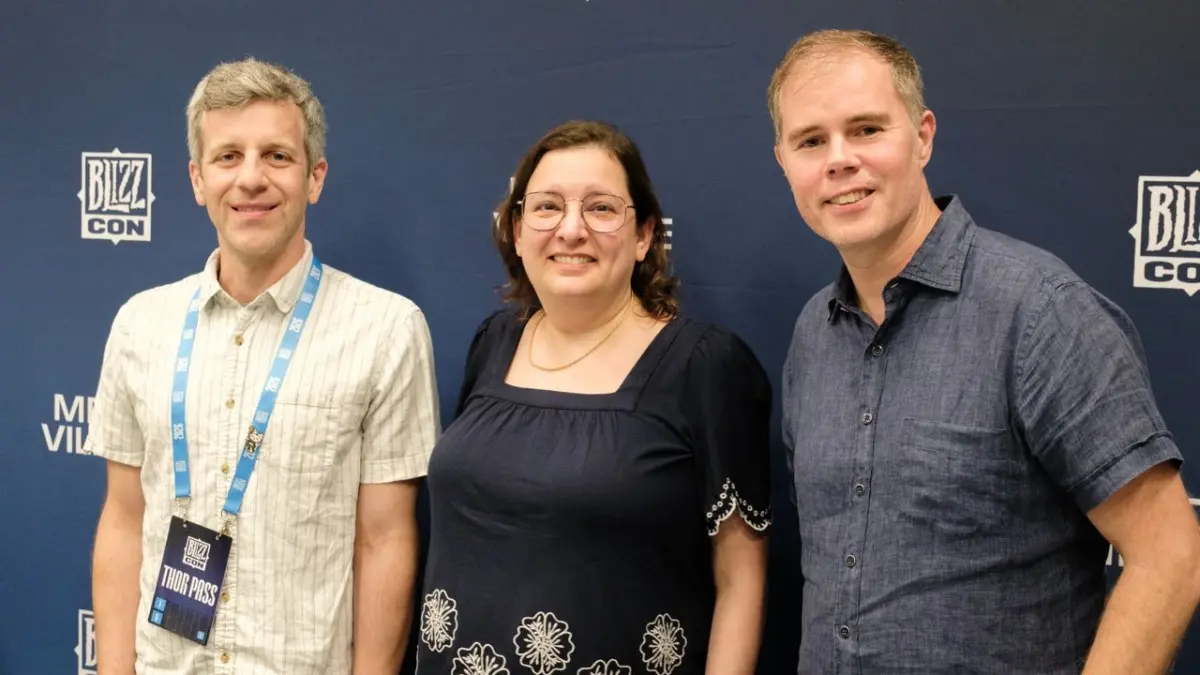
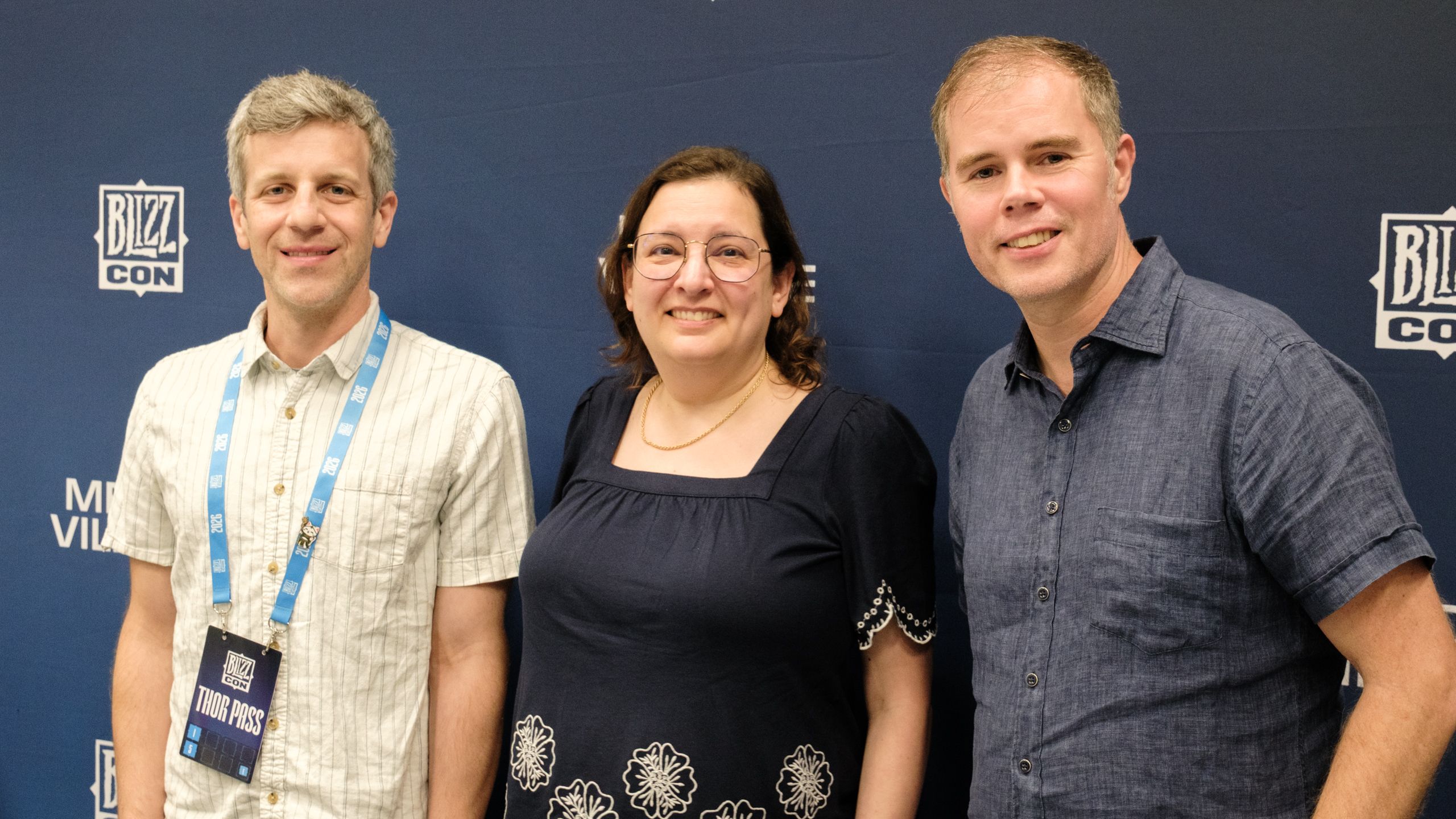
SAN FRANCISCO — As the gaming community continues to dissect the sprawling announcements coming out of Blizzard Entertainment regarding the future of its flagship action-RPG franchise, fresh details have emerged surrounding the development of Diablo 5. Speaking in a recent group interview with industry press, senior game director Joe Shely confirmed that the upcoming title will fully embrace cooperative play, allowing adventurers to brave the forces of Hell alongside their friends just as they have in previous iterations of the iconic series.
However, the confirmation of cooperative mechanics arrives alongside a web of intriguing design shifts. Diablo 5 promises to plunge players into a lonelier, more desolate world ravaged by a supreme demon lord, all while experimenting with radically different structural choices—most notably a return to procedurally generated environments. With a targeted release window set for 2029, Blizzard is straddling the line between honoring the multiplayer foundation laid by Diablo 4 and forging a darker, more isolated narrative experience that hearkens back to the roots of the franchise.
Executive Overview: Bridging Isolation and Community in Sanctuary
For decades, the Diablo franchise has maintained a delicate balancing act. On one hand, it tells deeply personal, gothic horror stories about lone champions descending into claustrophobic dungeons to face unimaginable evils. On the other hand, it has evolved into a sprawling social sandbox where communities of players team up to pulverize hordes of demons, trade rare loot, and conquer endgame bosses.
With Diablo 5, Blizzard is attempting to reconcile these two opposing design philosophies. The narrative tone leans heavily into isolation—casting players as desperate wanderers traversing a ruined continent aboard a vulnerable caravan, trying to reclaim a land warped by a dominant demon lord. Yet, the gameplay reality remains fundamentally flexible.
"Like Diablo 4, it is a game that you can play solo or multiplayer, however you please, and you should be able to play all of the content with your friends," Joe Shely stated during the briefing.
This duality raises critical questions regarding how Diablo 5 will handle player interaction in its virtual world. While the creative team has explicitly confirmed cooperative continuity, they have simultaneously kept mum on broader MMO-lite mechanics—such as shared persistent open worlds and random player encounters—citing the distance from the game’s projected 2029 launch as the primary reason for holding back specifics.
Detailed Chronology: The Evolution Leading to Diablo 5
To understand the weight of Blizzard’s recent disclosures, it is essential to examine the trajectory of the franchise over the past several years:
- The Diablo 3 Era (2012–2020): Blizzard shifted the series toward a more vibrant, arcade-like cooperative experience. Through major updates like Reaper of Souls, multiplayer became seamless, anchored by Adventure Mode, Rifts, and seasonal themes that encouraged rapid group farming.
- The Diablo 4 Paradigm Shift (2023–Present): Moving away from the stylized aesthetic of its predecessor, Diablo 4 embraced a grimdark visual identity while pivoting heavily into shared-world mechanics. Players routinely encountered strangers in open zones, participated in public World Boss events, and gathered in hubs like towns. This turned Sanctuary into a living, breathing MMO-lite ecosystem.
- The BlizzCon Reveal and Beyond: During recent Blizzard showcases, early gameplay details for Diablo 5 shocked purists and modern fans alike. Beyond confirming a wider array of starting classes than ever before, the studio revealed that Diablo 5 would feature procedurally generated overworlds and dungeons—a massive structural departure from the static map design of Diablo 4.
- The 2029 Horizon: With a release window stretching out to the end of the decade, Blizzard has outlined an extended development and communication pipeline. Next year marks the beginning of regular community update blogs, designed to gauge player sentiment and refine features long before launch.
Supporting Context & Metrics: Analyzing the Shift to Procedural Generation
The most jarring reveal concerning Diablo 5 is its commitment to procedural generation—not just for its traditional dungeons, but for the overworld itself. In previous franchise entries, particularly Diablo 4, the overworld was a fixed, hand-crafted masterwork. Every canyon, swamp, and fortress existed in the exact same geographic location for every player across the globe. This static environment allowed for predictable world events, fixed altars of Lilith, and carefully choreographed campaign pacing.
By shifting to a procedurally generated overworld in Diablo 5, Blizzard is attempting to emulate the shifting, unstable nature of a continent actively falling apart under demonic corruption. As players travel across the landscape with their caravan, cleansing pockets of evil, the terrain itself is rumored to warp and change.
However, this design choice introduces significant technical and philosophical hurdles, particularly regarding multiplayer:
- The Illusion of Isolation: A core tenet of gothic horror is vulnerability. If a player is constantly bumping into other heroes adorned in hyper-stylized microtransaction cosmetics—a hallmark of modern live-service monetization carried over from Diablo 4—the terrifying atmosphere of being a lone hero fighting off the forces of Hell risks evaporating.
- Instance Management: If every player or cooperative group experiences a procedurally generated version of Sanctuary tailored to their journey, how does the game handle seamless matchmaking in the open world? In Diablo 4, shared coordinates allowed players to organically group up for legion events or helltides. In a randomized world, instancing architecture becomes infinitely more complex.
- Loot and Progression Economics: The return of Diablo 2-style loot distribution systems has been heavily teased by developers. Balancing randomized item drops, player economies, and trade viability within procedurally generated spaces requires meticulous oversight to prevent exploits and inventory degradation.
Official Statements & Industry Perspectives
While executive producer Matt Zitterman and narrative director Jennifer Hepler have focused heavily on grounding the story in a desperate fight for survival, Joe Shely’s reassurance regarding co-op remains the anchor for fans concerned about the series losing its social appeal.
"We know how important it is for our players to share these experiences," said a source close to the development team who spoke on condition of anonymity. "The cooperative loop is woven into the DNA of what makes an action-RPG successful today. People want to build synergies, show off their gear, and grind through high-tier challenges with friends. At the same time, the narrative team is fighting hard to ensure that when you want to feel alone in the dark against the terrors of the abyss, the game respects that mood."
Industry analysts note that Blizzard is walking a tightrope. On one side are veterans who yearn for the moody, isolating atmosphere and itemization depth of Diablo 2. On the other side are modern gamers who grew accustomed to the social convenience, continuous live-service events, and persistent cosmetics marketplace of Diablo 4.
Future Outlook: What to Expect Next
As the gaming world looks ahead, concrete answers regarding the true scope of Diablo 5‘s multiplayer capabilities remain out of reach. Blizzard has explicitly stated that definitive information outlining how cooperative play intersects with the new procedurally generated overworld will not be shared until the project moves closer to its anticipated 2029 debut.
Nevertheless, relief is on the horizon for eager fans. Beginning next year, Blizzard will roll out a structured series of developer updates and community deep-dives. These periodic check-ins are intended to serve as a testing ground for public sentiment, allowing the studio to pivot or fine-tune features based on how the community responds to early design philosophies.
Whether Diablo 5 successfully marries the lonely, terrifying atmosphere of classic dark fantasy with the robust, modern demands of cooperative online gaming remains to be seen. But with development officially underway and Blizzard actively soliciting community feedback, the journey toward Sanctuary’s next chapter has only just begun.