For decades, avid video game enthusiasts in North America have watched with a mixture of awe and envy as Japanese publishers released hyper-exclusive, highly coveted merchandise native to their flagship domestic storefronts. Items spanning iconic intellectual properties like Resident Evil, Street Fighter, Monster Hunter, and Mega Man frequently remained trapped behind geographical and logistical barriers, accessible only to those fortunate enough to visit physical retailers in districts like Shibuya and Akihabara.
That dynamic is about to undergo a significant shift. Beginning Saturday, September 19, 2026, Japanese gaming titan Capcom is officially bridging the Pacific by launching its first-ever official U.S. pop-up store. Located at Little Akihabara within the vibrant cultural hub of Los Angeles’ Little Tokyo neighborhood, this temporary retail oasis promises to deliver a curated selection of exclusive goods typically reserved for the Capcom Store located inside Tokyo’s Shibuya PARCO department store.
Operating for a strictly limited one-month window—closing its doors on October 18—the pop-up is more than just a retail venture. It serves as a cultural bridge coinciding with the global fervor surrounding the Tokyo Game Show (TGS) 2026. Alongside plushies, charms, apparel, and collectibles, the event features playable hands-on demos of highly anticipated titles such as Mega Man: Dual Override, setting the stage for what is shaping up to be one of the most consequential autumn seasons for Capcom in recent memory.
Detailed Chronology: From Shibuya to Little Tokyo
The conceptual genesis of the Los Angeles pop-up traces back to the overwhelming international demand for Capcom’s localized merchandise. While digital connectivity has allowed global fanbases to consume software simultaneously across borders, physical merchandise has historically suffered from rigid regional distribution models.
The timeline for this landmark West Coast activation unfurls across several key milestones throughout September and October 2026:
September 16, 2026 (10:00 AM ET): Capcom kicks off its broadcast campaign with the Capcom Spotlight TGS 2026, delivering major developmental updates, trailers, and release windows for its premier portfolio, including Monster Hunter Wilds: Ascendance DLC, Dragon’s Dogma 2: Dark Arisen, Pragmata, Onimusha: Way of the Sword, and Street Fighter 6.
September 17 to September 21, 2026: Asia’s premier gaming convention, the Tokyo Game Show, opens its doors for a historic five-day run—its longest schedule in history—to commemorate its landmark 30th anniversary.
September 19, 2026: The Capcom U.S. Pop-Up Store officially opens at Little Akihabara in Los Angeles’ Little Tokyo. Concurrently, the venue initiates exclusive, highly restricted playable demos for Mega Man: Dual Override. To reward early adopters, the first 50 visitors on opening day (and September 20) receive a limited-edition Tokyo Game Show commemorative handkerchief featuring signature Capcom artwork.
September 19–20, 2026: The exclusive opening-weekend experiential window for Mega Man: Dual Override demos takes place, expected to draw massive queues of eager fans looking to test the Blue Bomber’s latest platforming iteration.
October 18, 2026: The pop-up store concludes its historic month-long run, shuttering its Little Tokyo storefront and returning remaining inventory to logistical pipelines.
Supporting Context & Metrics: The Anatomy of Capcom’s Global Retail Strategy
To understand the weight of this pop-up, one must evaluate the economic and cultural heft of Capcom’s domestic retail presence. The permanent Capcom Store in Shibuya PARCO has long functioned as a pilgrimage site for international tourists and domestic fans alike. It offers high-end lifestyle goods, limited-edition apparel, and intricately crafted collectibles that elevate video game merchandise from niche novelties to coveted fashion and art pieces.
+-----------------------------------------------------------------+
|               CAPCOM GLOBAL RETAIL & EVENT ECOSYSTEM            |
+-----------------------------------------------------------------+
                         [ Shibuya PARCO ]
                       (Permanent Flagship)
                                |
                  +-------------+-------------+
                  |                           |
                  v                           v
     [ Tokyo Game Show 2026 ]        [ L.A. Pop-Up Store ]
    (Sept 17 - 21 | 30th Anniv.)    (Sept 19 - Oct 18, 2026)
                  |                           |
                  +-------------+-------------+
                                |
                                v
               [ Exclusive Demos & Merchandise ]
             (Mega Man: Dual Override, Capcom Gear)
Bringing a satellite version of this experience to Los Angeles represents a calculated test of the North American physical retail market. While internet sales and global shipping have streamlined cross-border commerce, pop-up stores generate localized community engagement, viral social media marketing, and immediate brand reinforcement.
Furthermore, the timing directly aligns with the Tokyo Game Show’s historic expansion. Celebrating its 30th anniversary, TGS has extended its traditional schedule to a five-day format to accommodate unprecedented exhibitor demand and global media scrutiny. By anchoring the Los Angeles pop-up to the exact weekend of TGS, Capcom ensures that West Coast fans feel intrinsically connected to the festivities unfolding thousands of miles away in Chiba, Japan.
Official Statements and Industry Perspectives
Capcom’s executive team has emphasized both the excitement and the operational constraints surrounding the historic North American retail venture. In an official press release detailing the opening weekend, the company addressed the expected logistical hurdles regarding hands-on software access:
"Participation will be extremely limited throughout opening weekend," Capcom noted, addressing the anticipated congestion surrounding the Mega Man: Dual Override playable stations on September 19 and 20.
Industry analysts tracking the event have pointed out that while the merchandise selection spans heavy-hitters like Resident Evil and Monster Hunter, internet chatter has humorously fixated on the deeper cuts of Capcom’s vast catalog—with fan communities jokingly speculating on whether niche lifestyle items (such as life-sized character body pillows or hyper-specific franchise memorabilia) might eventually find their way to domestic shores.
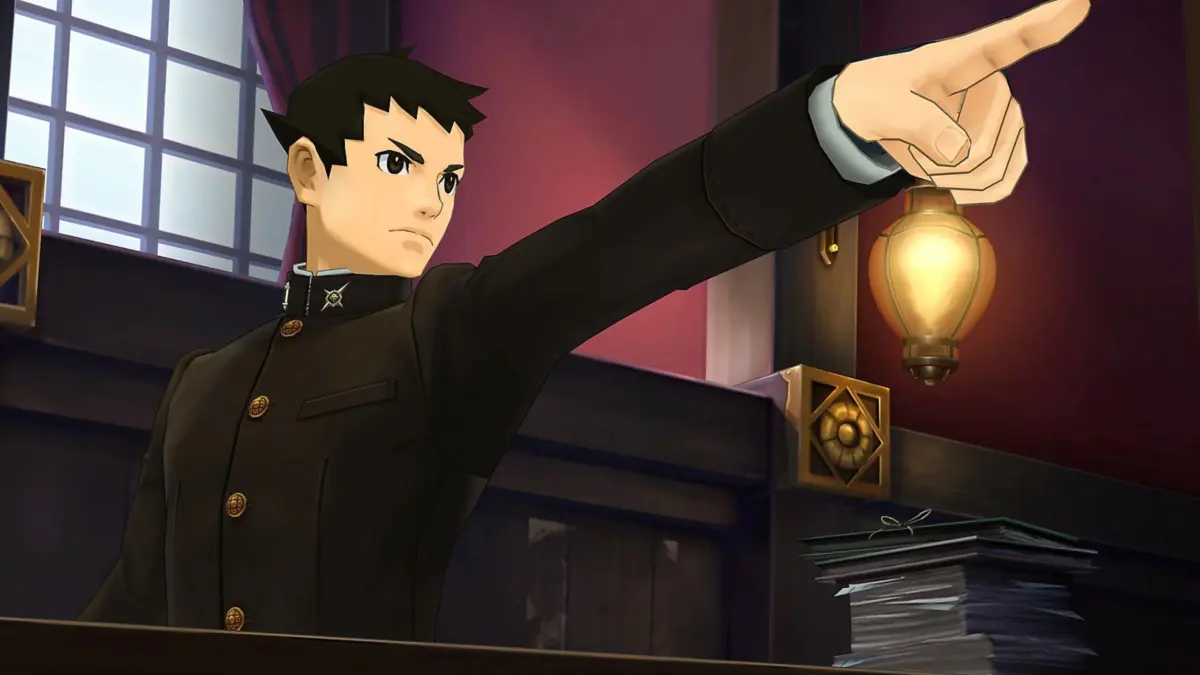
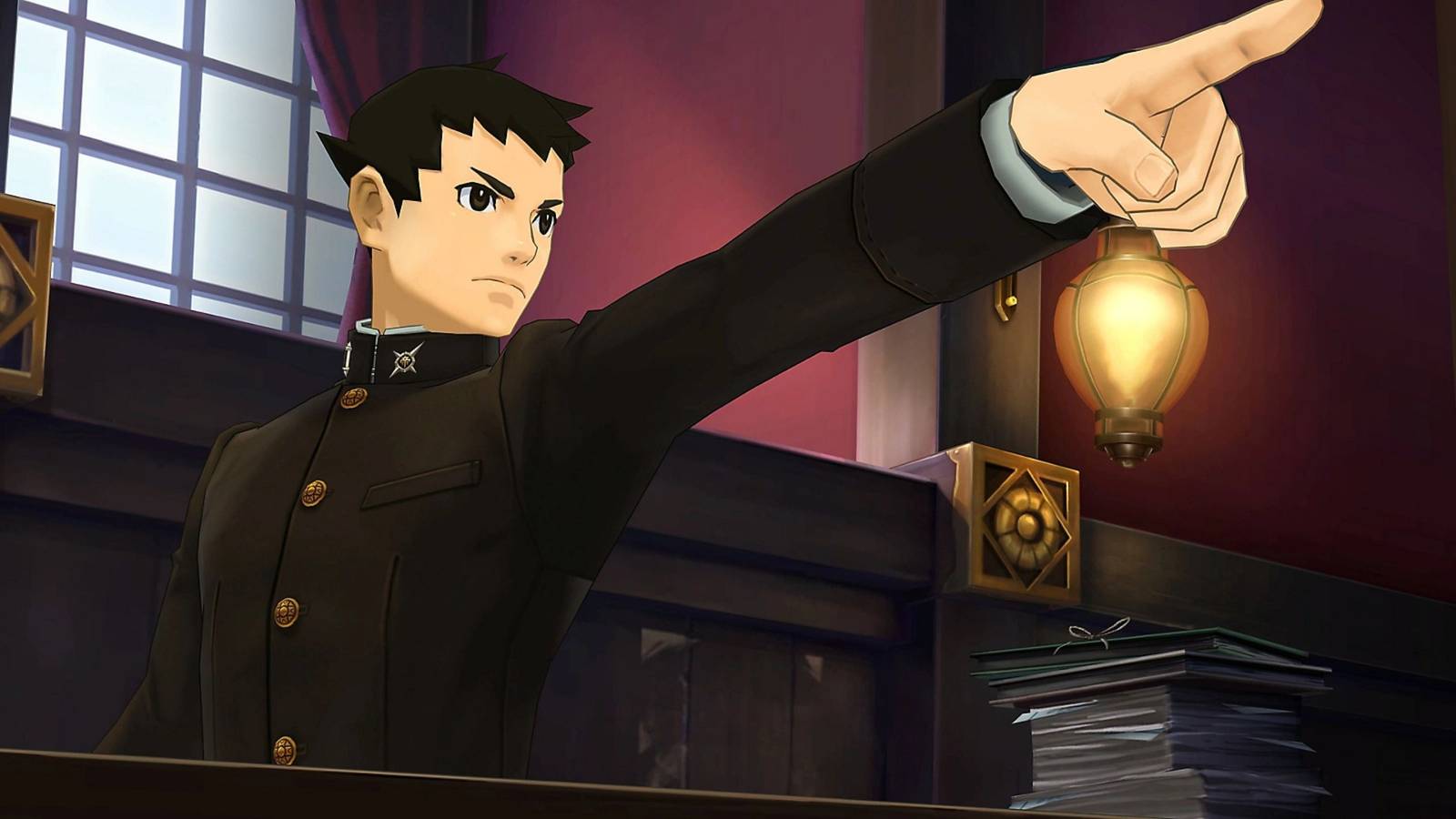
Meanwhile, the digital showcase lineup announced for September 16 has generated intense speculation. While properties like Monster Hunter Wilds: Ascendance DLC and Pragmata dominate the spotlight, notable omissions—most prominently the long-dormant Ace Attorney franchise, which approaches its 25th anniversary next month—have left dedicated adventure-game aficionados holding out hope for a surprise eleventh-hour reveal during the TGS festivities.
Future Outlook: What This Means for West Coast Gaming Culture
The success of the Little Akihabara pop-up store could fundamentally alter how Japanese game publishers approach North American physical retail in the post-pandemic era. For years, conventions like Anime Expo, San Diego Comic-Con, and PAX served as the primary battlegrounds for exclusive merchandise sales. However, standalone, branded pop-up stores operating independently of major trade shows offer a more sustained, immersive brand experience.
If the Los Angeles experiment yields strong foot traffic, robust merchandise turnover, and positive community sentiment, it opens the door for permanent or recurring satellite retail operations in major North American metropolitan areas. Fans of franchises like Street Fighter and Resident Evil in cities like New York, Chicago, and Vancouver will undoubtedly monitor the Little Tokyo experiment closely.
For now, Southern California gamers have a rare, one-month window to experience a slice of Shibuya culture without booking a transpacific flight. Whether you are queuing up at dawn to secure a limited-edition TGS handkerchief, braving the lines for a first look at Mega Man: Dual Override, or simply browsing shelves filled with imported collectibles, Capcom’s bold West Coast venture marks a triumphant chapter in bridging the geographical divide between Japanese game developers and their global audiences.