Executive Overview
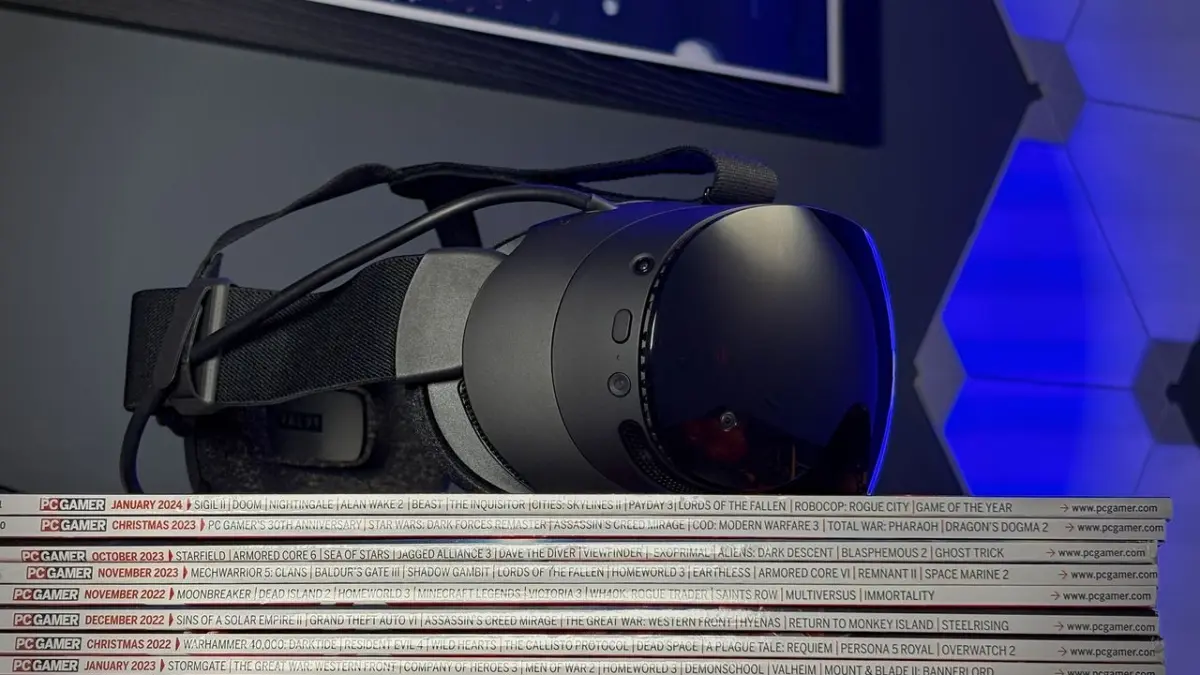
The virtual reality landscape has shifted once more with Valve’s official pricing and release strategy for the Steam Frame, its highly anticipated next-generation VR hardware. Australian consumers now face a steep financial barrier to entry, with the 256GB model starting at AU$1,609 and the high-capacity 1TB tier reaching AU$1,969—both packages inclusive of Valve’s dedicated VR controllers.
While these figures match the baseline pricing of Valve’s Steam Machine ecosystem, they arrive against the backdrop of a punishing global hardware market. The ongoing semiconductor and memory crisis has thoroughly disrupted component supply chains, forcing Valve into a pricing structure that company representatives admit is higher than originally intended.
Compounding the pricing anxiety is a high-demand distribution model. Mirroring the scarcity hurdles that plagued previous hardware launches, Valve has implemented a reservation lottery system. Running until September 18, 2026, at 3:00 AM AEST, this lottery gives eager buyers a chance to secure a unit early. Those who miss this critical window will find themselves relegated to a conventional, non-randomized queue—a situation virtually guaranteed to stretch delivery estimates deep into the future.
Despite the premium price and logistical hurdles, early hardware evaluations from PC Gamer suggest that Valve has engineered a technological marvel. Awarding the headset an impressive 80/100, reviewers have hailed the Steam Frame as arguably the most cohesive, high-performing all-around VR headset currently available on the market, albeit one that requires serious financial justification for prospective buyers.
Detailed Chronology of the Launch and Supply Chain Bottlenecks
The Long Road to Next-Gen VR
Valve’s journey toward the Steam Frame has been defined by deliberate, methodical hardware iterations. Ever since the massive cultural footprint left by the Valve Index, enthusiasts have waited for the company to spearhead the next evolution of standalone and tethered virtual reality. Rumors, developer leaks, and patent filings swirled for years before Valve officially pulled back the curtain on the Steam Frame.
However, the hardware development cycle collided with an unforgiving economic reality: a global memory and storage component crisis. As production lines for high-speed RAM and flash storage tightened globally, tech manufacturers across the board were forced to pivot, absorb massive cost inflations, or pass those expenses directly onto the consumer.
The Lottery System and Critical Deadlines
Because component shortages strictly limit initial production capacity, Valve recognized that a traditional "first-come, first-served" storefront launch would immediately result in bot scalping, chaotic server crashes, and profound consumer frustration.
To combat this, Valve instituted a reservation lottery framework:
- The Lottery Phase: Active immediately and running until September 18, 2026, at 3:00 AM AEST. During this window, prospective buyers can register their interest via the Steam client. Selection is randomized, giving every eligible account an equal opportunity to secure the right to purchase a unit during the initial waves of distribution.
- The Open Queue Phase: For anyone failing to register or missing the September 18 cutoff, a standard, non-randomized queue opens immediately afterward. Because of the lingering memory crisis and constrained factory outputs, orders placed in this open queue will operate on a rolling backorder basis, meaning delayed gratification for latecomers.
Supporting Context & Metrics: Understanding the Australian Pricing Structure
When evaluating the Australian price tags of AU$1,609 (256GB) and AU$1,969 (1TB), local consumers must view these figures through multiple economic lenses, including import taxes, regional distribution overhead, and currency exchange rates.
Breaking Down the Cost
To contextualize the pricing, hardware analysts have compared the Steam Frame against prevailing market competitors like the Meta Quest 3 and high-end PC VR setups:
| Model / Tier | Included Hardware | Australian Price (AUD) | Target Demographic |
|---|---|---|---|
| Steam Frame (256GB) | Headset, VR Controllers | AU$1,609 | Early adopters seeking baseline next-gen performance. |
| Steam Frame (1TB) | Headset, VR Controllers | AU$1,969 | Enthusiasts with large VR libraries requiring local storage. |
The Competitive Dilemma
As PC Gamer’s hardware testing team noted, the Steam Frame presents a challenging value proposition. For users already embedded within the Meta ecosystem, the price delta between a Quest 3 and the Steam Frame is substantial.
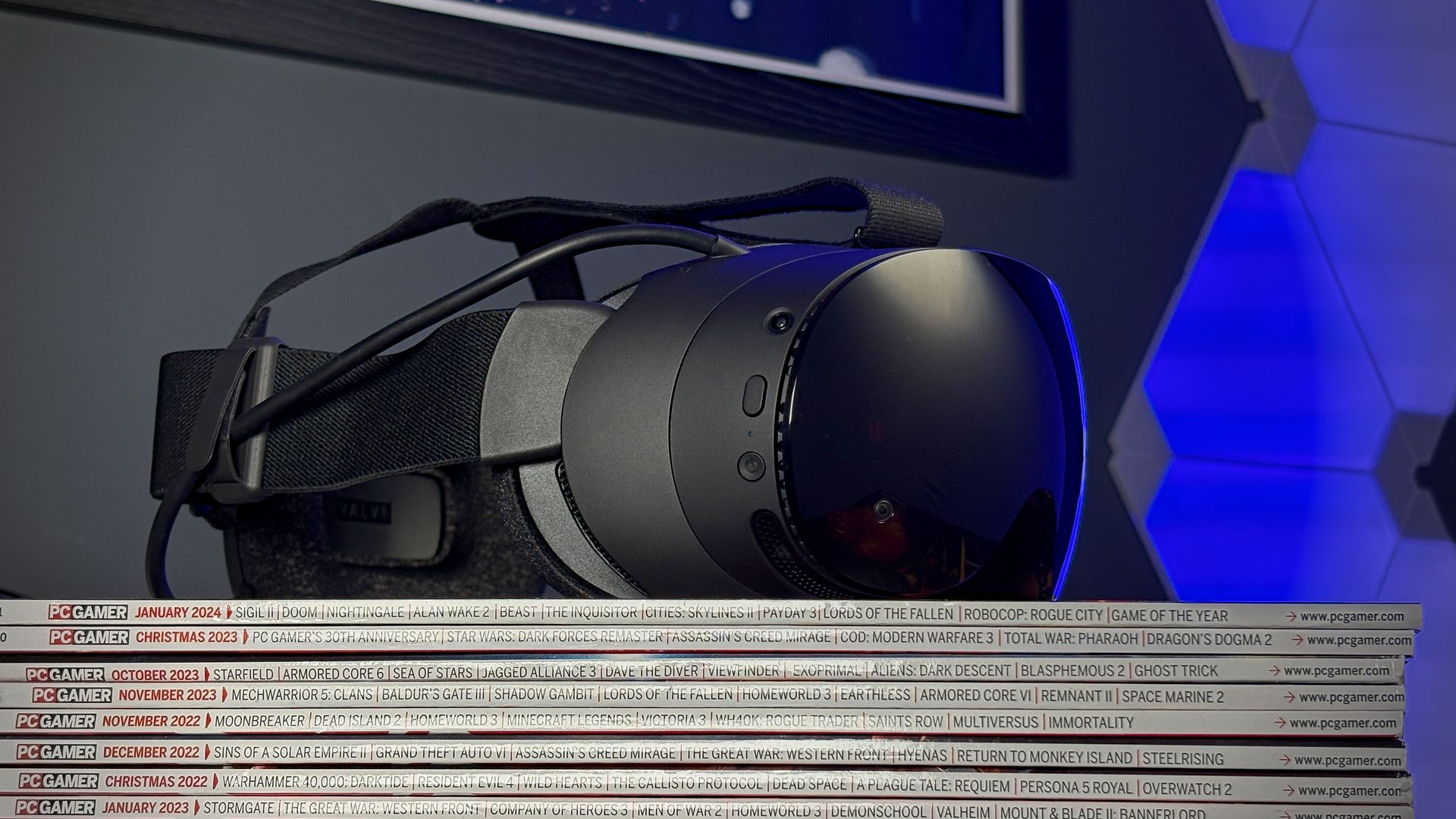
- The Cost-to-Performance Equation: While cheaper alternatives exist for consumers taking their absolute first steps into virtual reality, the Steam Frame leverages Valve’s deep integration with SteamOS, streamlined PC streaming capabilities, and a proprietary ergonomic footprint.
- Storage Realities: In the modern era of massive virtual reality assets—where AAA ports and high-fidelity texturing routinely bloat file sizes—the choice between the 256GB entry-level model and the 1TB powerhouse is critical. Given the standalone capabilities anticipated for the Frame, local storage will fill up rapidly, making the AU$1,969 price tag a necessary investment for heavy users.
Official Statements and Industry Insights
Valve’s leadership has been notably transparent regarding the financial hurdles facing the Steam Frame. In statements addressing the community, Valve representatives expressed clear disappointment that they could not hit their initial, more aggressive pricing targets.
"We targeted a lower price for the Steam Frame, then the memory crisis happened," internal Valve sources lamented ahead of the launch. "I wish we could have shipped it at the price that we were at last year."
This candor reflects a broader industry sentiment. Consumer electronics companies are increasingly caught between the rising costs of raw silicon components and consumer demand for affordable entertainment hardware. By absorbing what they could while passing necessary adjustments along, Valve attempted to balance corporate sustainability with community goodwill.
Expert Analysis from the Field
PC Gamer’s hardware review—authored by Jacob Ridley, who awarded the device a stellar 80/100—provides a grounded assessment of what users are actually getting for their money:
"It’s admittedly a tough sell as an upgrade to a Quest 3, or as someone’s first step into VR when other options are much cheaper, but the Steam Frame is the best all-round VR headset I’ve used to date."
The review highlights several key strengths that justify the device’s engineering pedigree:
- Exceptional Ergonomics: Weight distribution and facial interface comfort outclass many competitors, minimizing fatigue during extended play sessions.
- Seamless Ecosystem Integration: For PC gamers heavily invested in Steam, the friction-free transition between desktop gaming libraries and standalone VR is smoother than any competing third-party software solution.
- Visual Fidelity: The optical stack and display panels deliver crisp immersion, mitigating the screen-door effect and motion blur that historically plagued wireless and standalone headsets.
Future Outlook: What Lies Ahead for Valve’s VR Ecosystem?
The launch of the Steam Frame marks a pivotal turning point for Valve, but it also raises pressing questions about the immediate future of the VR market in Australasia and globally.
1. The Shadow of the Memory Crisis
The longevity and scaling of Steam Frame production will remain tethered to the health of the global semiconductor supply chain. If memory manufacturing stabilizes heading into late 2026 and 2027, consumers might eventually see price optimizations, hardware bundles, or improved stock availability that bypasses the need for lottery reservation systems. Conversely, prolonged shortages could keep the Steam Frame restricted to a niche enthusiast luxury item.
2. Developer Adoption and Software Support
Hardware is only as good as its software library. With the Steam Frame now reaching reviewers and soon arriving in the hands of lottery winners, the spotlight shifts entirely to developers. Valve’s push for open platforms and seamless PCVR compatibility means the device can run existing libraries effortlessly, but the creation of native, made-for-Frame standalone titles will determine whether the platform achieves long-term cultural dominance.
3. The Verdict for Australian Buyers
For Australian gamers, the immediate action item is clear: anyone hoping to secure a Steam Frame before the end of the year must register via the reservation lottery before September 18, 2026, at 3:00 AM AEST.
While the investment is undeniably heavy—requiring upwards of AU$1,600 to AU$1,900—the consensus from testing labs indicates that Valve has crafted an uncompromising piece of hardware. For those willing to pay the premium, the Steam Frame represents the absolute peak of contemporary virtual reality engineering.