Executive Overview
In the sprawling, infinitely creative ecosystem of internet fandoms, few intellectual properties are subjected to as much remix culture, homebrew lore, and conceptual expansion as Nintendo’s Super Mario franchise. Over the decades, fans have moved far beyond merely drawing their favorite heroes and heroines; they have engineered intricate family trees, alternate dimensions, and satirical expansions of the Mushroom Kingdom.
The latest phenomenon to sweep platforms like TikTok, X (formerly Twitter), and DeviantArt is the sudden, explosive virality of Wawario and Wawaluigi—fan-made "rivals to the rivals." Conceived initially as abstract, joke-tier counters to Wario and Waluigi, these characters have transitioned from obscure corners of wiki-editing history into mainstream internet lore.
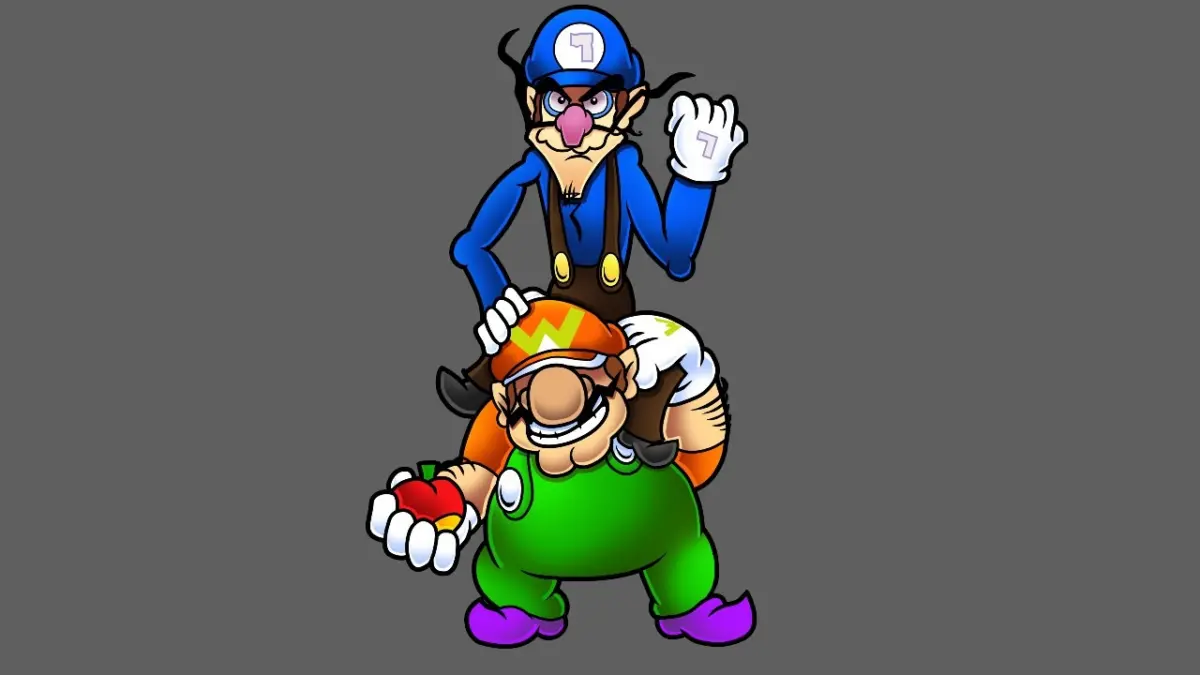
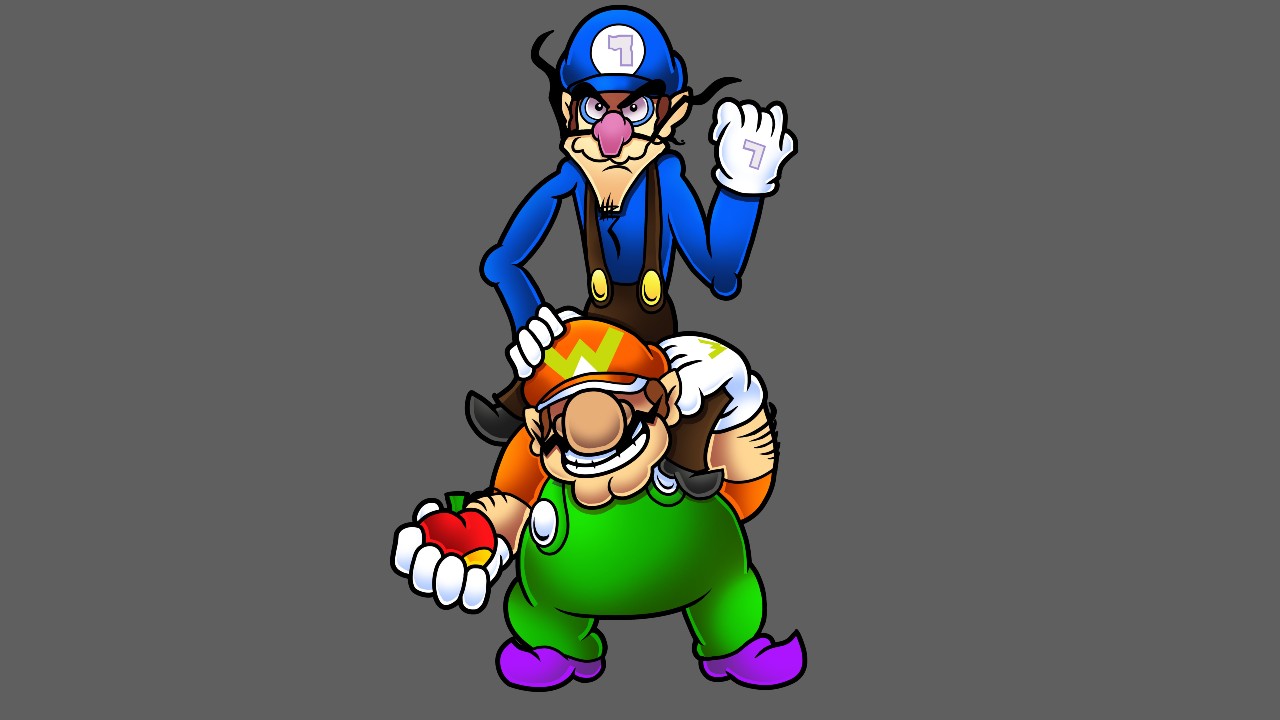
Characterized by deeply unsettling, exaggerated designs—Wawario typically lacks eyes entirely, sporting a missing tooth and an iconic orange-and-green palette, while Wawaluigi is cast as a lanky, grotesque, rat-like parasite wearing blue and black—the duo represents a fascinating case study in internet myth-making. This report investigates the origins, the slow-burn evolution, and the explosive late-summer 2026 virality of Wawario and Wawaluigi, mapping out how grassroots creativity continues to reshape modern pop culture.
Detailed Chronology: From Obscure Forums to Viral Stardom
The timeline of Wawario and Wawaluigi spans over a decade, charting a course from isolated, eccentric creative sparks to a cohesive meme movement. Far from appearing overnight, the characters were forged through years of independent contributions across YouTube animations, Fandom wikis, and social media charting exercises.
2015–2016: The Genesis of the "Wa-Wa" Concept
The earliest known footprint of the Wawario concept dates back to June 23rd, 2015. A YouTuber operating under the moniker Theguywhoplaysgames published a rudimentary animation depicting Wario encountering a shadowy, unnamed, or conceptually embryonic rival. Though modest in viewership at the time, this video planted the conceptual seed for a tier of villainy existing one layer deeper than Wario himself.
Shortly thereafter, the conceptual architecture expanded to include Waluigi’s counterpart. On September 19th, 2016, a user named JoeTheDerp created a dedicated entry on the "The Amazing Waluigi" Fandom wiki, formally codifying "Wawaluigi." This early documentation captured a lanky, highly exaggerated, and distinctly grotesque caricature of Waluigi, setting a visual tone that would heavily influence future iterations.
2017–2021: Conceptual Mapping and Definitive Design Evolution
As internet culture grew increasingly obsessed with layered, absurdist hierarchies, fan-made characters began to populate structured speculative charts. On November 6th, 2017, X user @kiophen published a satirical "Mario Brother Cube" map. This conceptual grid attempted to chart out an entire matrix of fan-made Super Mario Bros. characters along axes of morality and "brotherly dimensionality," prominently featuring both Wawario and Wawaluigi. The post served as an early aggregator, drawing attention to these fringe creations.
The definitive visual identities of the characters crystallized in the early 2020s:
- May 2017: DeviantArt user savagewaluigi2000 uploaded what would become the template for the most popular design of Wawaluigi.
- September 19th, 2021: A Fantendo wiki user named Cutman1987 published a dedicated page for "Wawario," cementing the visual standard of a large, stout man clad in an orange hat and shirt paired with green overalls—an inversion and mutation of Wario’s classic yellow-and-purple motif.
2024–2026: Video Compilations and Mainstream Explosion
For several years, Wawario and Wawaluigi existed primarily as niche easter eggs within wiki spaces and deep-cut fan art communities. However, the vector for their eventual mainstream breakthrough arrived via video-sharing platforms.
On June 23rd, 2024, YouTuber RedMario published a video presenting an exhaustive lineup of Mario Bros. fan characters. As a voice read aloud the absurdly escalating names—culminating in Wawario and Wawaluigi—the video struck a chord with audiences, quietly amassing over 800,000 views.
The tipping point occurred in mid-2026:
- July 9th, 2026: YouTuber A.J.N. released a musical tribute video featuring a similar roster of fan-made characters, which quickly cleared 100,000 views.
- September 2nd, 2026: TikTok creator @muddyk1pp re-uploaded a segment of the video, framing it as an "absolute gem," which drove over 133,000 views in two weeks and triggered a cascade of algorithmic promotion.
- Mid-September 2026: Platforms like TikTok and X were flooded with derivative memes, audio trends, and fresh fan art. Illustrators such as @Redbassdumb and @V0IDEYEDPANDA posted stylized renderings of the characters, while short-form video creators utilized audio clips of the names to construct fast-paced, surreal montage edits.
Supporting Context & Metrics: Analyzing the Spread
The sudden surge of Wawario and Wawaluigi in late August and September 2026 highlights the mechanics of modern digital virality. While major media franchises rely on multimillion-dollar marketing campaigns to launch characters, the "Wa-Wa" duo achieved cultural saturation through organic, decentralized remixing.
Algorithmic Amplification via Short-Form Video
The transition of Wawario and Wawaluigi from niche wiki trivia to viral sensations can be directly tied to TikTok’s audio-sharing ecosystem. When creators like @muddyk1pp and subsequent users clipped the character roll-call audio from YouTube, they created a standardized template.
TikTok relies heavily on audio reuse; users could effortlessly slot their own visual creations—ranging from ironic slideshows and "CapCut" edits to low-poly 3D models and hand-drawn animations—over the rolling cadence of names: Mario, Luigi, Wario, Waluigi, Wawario, Wawaluigi. This structural repetition lowered the barrier to entry for content creation, allowing thousands of users to participate in the trend without needing deep prior knowledge of the lore.
Quantitative Engagement Metrics
- The RedMario Video (June 2024): Surpassed 800,000 views, acting as the foundational media artifact that bridged the gap between wiki obscurity and video-essay culture.
- TikTok Re-uploads (September 2026): Individual videos shared by creators such as @muddyk1pp and @tabbyarrow13585 rapidly accumulated between 99,000 and 133,000 views within days of posting.
- Fan Art Validation: Illustrations posted to X by community artists regularly garnered thousands of engagements—for instance, @V0IDEYEDPANDA’s greasy, highly detailed rendition of the duo pulled in over 5,900 likes in under a week, proving that the aesthetic appeal of the characters resonated strongly with traditional digital artists.
Cultural Significance: Why Do We Invent Rivals for Rivals?
The creation and popularization of Wawario and Wawaluigi point to a deeper psychological and cultural impulse within modern gaming fandoms: escalation humor and systemic exhaustion.
Since Wario’s introduction in Super Mario Land 2: 6 Coins (1992) and Waluigi’s debut in Mario Tennis (2000), both characters have functioned as subversive, anti-heroic foils to the squeaky-clean image of Mario and Luigi. Over time, fandom culture transformed them from mere obstacles into beloved icons of chaotic energy.
By inventing "Wawario" and "Wawaluigi," fans are engaging in a satirical arms race. If Wario is the evil, greedy mirror to Mario, what lies beyond him? An even more degraded, structurally unhinged entity. The visual design choices—removing Wawario’s eyes entirely to make him blank and inscrutable, and rendering Wawaluigi as a rat-like, lanky gremlin—lean heavily into "surreal horror comedy." It is an intentional subversion of Nintendo’s polished corporate character design, pushing the boundaries of what a Mario universe resident can look like.
Future Outlook
As the initial wave of late-summer 2026 virality stabilizes, the long-term trajectory of Wawario and Wawaluigi mirrors that of other legendary internet creepypastas and fan characters.
- Institutionalization in Fan Communities: Just as Sanic (the poorly drawn MS Paint version of Sonic the Hedgehog) transitioned from a transient joke into an officially acknowledged nod by SEGA in the Sonic Movie franchise, characters like Wawario and Wawaluigi have now been permanently etched into the collective memory of Nintendo fandom wikis, ensuring they will never truly be forgotten.
- Indie Game & Mod Integration: Given the speed at which the Super Mario 64 and Super Mario World modding communities operate, it is only a matter of time before fully playable custom ROM hacks featuring Wawario and Wawaluigi emerge. Modders have historically seized upon viral fan characters to populate custom boss fights and meme tracks.
- The Endless Cycle of "Wa": Perhaps the most enduring legacy of this phenomenon is the open invitation it leaves for the community. If Wawario and Wawaluigi exist, logic dictates that the internet will eventually demand a Wa-Wawario—continuing an infinite regression of escalating absurdity that keeps grassroots gaming culture vibrant, unpredictable, and endlessly inventive.