Executive Overview
In the fast-paced ecosystem of modern video game development, the concept of longevity is frequently measured in quarters rather than decades. As computing architectures rapidly evolve, the widening chasm between legacy software and contemporary hardware often consigns classic titles to obsolescence—forcing them to rely on the tireless, voluntary efforts of dedicated modders and fan communities to remain playable.
Yet, exceptions do exist, proving that some software houses remain committed to the long-term stewardship of their digital heritage. Beamdog, the developer renowned for reviving and remastering classic Infinity Engine role-playing games, has once again surprised the PC gaming community. Nearly thirty years after the original release of Black Isle Studios’ magnum opus, Planescape: Torment: Enhanced Edition is receiving a brand-new beta patch.
This latest update, rolled out mid-September following an initial August beta preview, bridges a long-standing version gap. It brings Planescape: Torment in line with the 2.7 patch baseline already enjoyed by other titles in Beamdog’s Enhanced Edition catalog, such as Baldur’s Gate and Baldur’s Gate II. For players venturing once more into the City of Doors, the patch introduces critical quality-of-life improvements. Most notably, it implements modern UI scaling to prevent text and menus from shrinking into illegibility on high-resolution monitors, repairs functional bugs with Steam and GOG cloud saves, and significantly streamlines the modding process for the game’s massive script and dialogue files (dialog.tlk).
While a definitive release date for the full, non-beta deployment of the patch remains unannounced, its mere existence underscores a rare commitment to software longevity. This development not only highlights the shifting responsibilities of game preservation in the digital age, but also sets a high-water mark for how legacy titles should be maintained decades after their initial release.
Detailed Chronology: From Silicon & Synapse to Beamdog’s Modern Stewards
To understand the weight of Beamdog’s ongoing support for Planescape: Torment, one must look back at the arduous journey of the game’s development, release, and eventual revitalization.
1999: The Birth of a CRPG Titan
Released in late 1999 by Interplay Entertainment under its Black Isle Studios division, Planescape: Torment was an anomaly in the landscape of computer role-playing games (CRPGs). Built upon BioWare’s proprietary Infinity Engine—the same foundational tech that powered Baldur’s Gate—the game traded traditional high-fantasy tropes for the bizarre, philosophical realms of TSR’s Advanced Dungeons & Dragons Planescape campaign setting.
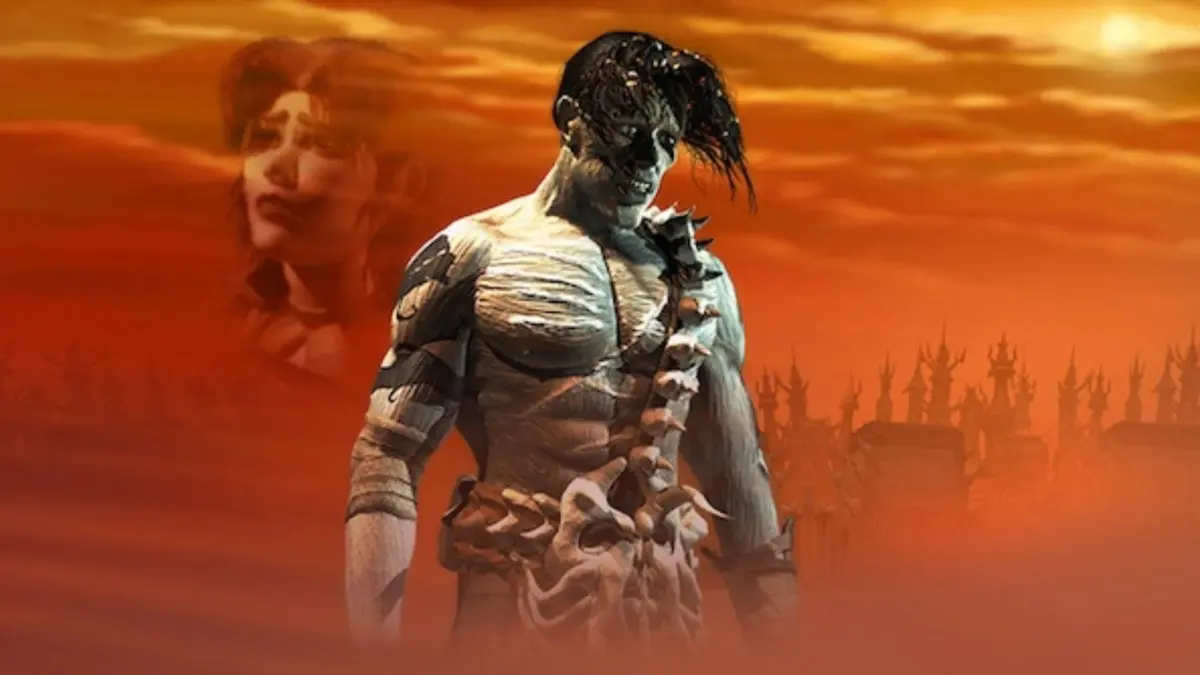
Players assumed the role of the Nameless One, an immortal, scarred figure waking up on a mortuary slab with absolute amnesia. Driven by a floating skull named Morte, the protagonist’s journey was less about slaying dragons and collecting loot, and more about uncovering past incarnations, confronting existential morality, and answering the iconic thematic question: "What can change the nature of a man?"
Despite universal critical acclaim for its breathtaking writing, profound philosophical depth, and unforgettable companion characters, Planescape: Torment was a commercial underperformer at launch. Its dense, text-heavy script—exceeding 800,000 words—and unconventional mechanics alienated mainstream buyers accustomed to the more straightforward hero’s journeys of its contemporaries.
The Wilderness Years and Fan Preservation
For over a decade, playing Planescape: Torment on modern operating systems required an act of digital archaeology. As Windows evolved through XP, Vista, 7, and beyond, the original CD-ROM release grew increasingly unstable.
During this dark age of preservation, the torch was carried entirely by the fan community. Modders and programmers developed community-made patches—such as Qwinn’s Ultimate Planar Fixpack and the widescreen mod—to force the game to run at native resolutions on widescreen displays and resolve hundreds of lingering bugs. Without this grassroots intervention, the game would have faded into playable obscurity.
2017: The Beamdog Enhancement
Recognizing the enduring hunger for classic CRPGs, Beamdog—founded in 2009 by former BioWare veterans Trent Oster and Cameron Tofer—stepped in. Having already revitalized Baldur’s Gate, Baldur’s Gate II, and Icewind Dale, Beamdog turned its attention to Planescape: Torment.
Released in April 2017, Planescape: Torment: Enhanced Edition brought native high-resolution support, interface scaling tweaks, bug fixes curated from community patches, and a remastered soundtrack by original composer Mark Morgan. While met with a degree of healthy skepticism from purists wary of interface alterations, the Enhanced Edition became the definitive, accessible way for a new generation of players to experience the masterpiece.
2024–Present: The 2.7 Beta Rollout
Even after long stretches of relative silence, Beamdog has continued to periodically revisit its catalog. Following surprise patches rolled out to the Baldur’s Gate Enhanced Editions years after release, Beamdog turned its focus back to the Cage.
Following an initial beta drop in August, a refined release candidate deployment on September 15 brought Planescape: Torment squarely into the modern 2.7 patch ecosystem. This update cements the studio’s long-term dedication to keeping its catalog compatible with rapidly shifting PC hardware standards.
Supporting Context & Metrics: The Technical Reality of Legacy Software
The challenges facing legacy video game maintenance are deeply rooted in the relationship between hardware evolution and software architecture.
The Resolution Bottleneck
In 1999, standard PC monitors operated at resolutions like 800×600 or 1024×768. Assets—including background pre-rendered art, character sprites, and user interface elements—were meticulously crafted around these pixel dimensions.
Fast forward to the modern era, where 1440p and 4K displays are standard, and ultra-wide monitors are increasingly common. When an unscaled legacy game is launched on a 4K display, its 1024×768 UI elements do not automatically stretch gracefully; instead, they shrink into microscopic, unreadable boxes clustered in the corner of the screen.
The primary breakthrough of Beamdog’s latest Planescape patch lies in its UI scaling option. By introducing a toggle that allows the interface to dynamically adapt to modern monitor resolutions without distorting the underlying art style, the patch eliminates the primary visual barrier preventing modern players from enjoying the game comfortably.
Cloud Save Architecture
Another quiet point of friction in modern PC gaming is cloud synchronization. Early iterations of game ports often relied on bespoke launcher solutions or hardcoded directory paths that conflicted with modern Steam Cloud and GOG Galaxy protocols.
The updated beta completely overhauls how cloud saves are handled:
- Steam Integration: Cloud saves are now natively toggleable directly through the Steam client preferences rather than buried within esoteric in-game settings menus.
- GOG Reliability: GOG Galaxy cloud saves have been overhauled to ensure seamless synchronization across multiple systems—a critical feature for players switching between desktop rigs and handheld gaming PCs like the Steam Deck.
Modding Accessibility (dialog.tlk)
For a game defined by its text, the dialog.tlk file is the beating heart of Planescape: Torment. It houses every line of dialogue, journal entry, and item description. Historically, modifying this file for total conversions, translation patches, or script additions was a cumbersome, error-prone endeavor.
The 2.7 beta update introduces backend optimizations that make dialog.tlk modding "significantly easier." While this change primarily benefits content creators and translation teams, it ensures that the game’s robust modding community has the foundational tools needed to continue expanding and refining the experience for years to come.
Official Statements and Industry Perspective
While Beamdog has kept formal press commentary around this specific patch cycle concise—relying instead on Steam community announcements and patch notes—the philosophy guiding the studio’s ongoing support has long been articulated by its leadership.
Trent Oster, co-founder of Beamdog, has frequently emphasized that the studio views its Enhanced Editions not merely as cash-grab ports, but as definitive digital preservation projects. In past interviews, Oster noted that keeping older games operational requires constant vigilance against the creeping obsolescence of operating system updates, DirectX deprecation, and shifting digital storefront APIs.
Industry analysts have noted that Beamdog’s approach stands in stark contrast to the broader games industry norm, where publishers frequently abandon games the moment their commercial life cycle concludes.
"In an era where digital storefronts can be shuttered overnight and games can be rendered unplayable by a single Windows update, official stewardship of legacy software is the exception, not the rule," observes software preservation advocate Marcus Vance. "When a studio goes back to a game released nearly three decades ago to fix cloud syncs and UI scaling, it sets a standard that the rest of the AAA and indie publishing spaces should pay close attention to."
Future Outlook: The Endless Journey of Software Preservation
As the video game industry marches further into an era dominated by live-service titles, digital-only distribution, and rapid technological turnover, the vulnerability of our digital heritage has never been more apparent.
Beamdog’s ongoing TLC for Planescape: Torment: Enhanced Edition serves as a reassuring beacon. While the studio has not yet announced when the current beta patch will transition to a full, public-facing release, the very existence of the update proves that classic titles can be actively maintained rather than left to rot in digital archives.
Fans will undoubtedly continue to keep these worlds alive long after modern corporate entities have shifted focus entirely. However, the willingness of a developer to provide official infrastructure updates nearly 30 years down the line demonstrates a profound respect for both the art form and the community that loves it.
Until the Nameless One’s journey finally reaches its definitive end, the Cage remains open, accessible, and better equipped than ever to welcome both returning veterans and brand-new arrivals into the shadows of the Sigil.