Executive Overview
Since its debut in 2014, Apple CarPlay has fundamentally transformed the modern driving experience. By bridging the gap between personal handheld technology and vehicular infotainment systems, CarPlay has provided millions of motorists with a standardized, safer, and more intuitive way to manage navigation, communication, and media consumption behind the wheel. Over the past decade, regular feature updates and deeper software integrations have turned the platform into an indispensable ecosystem component for iOS users worldwide.
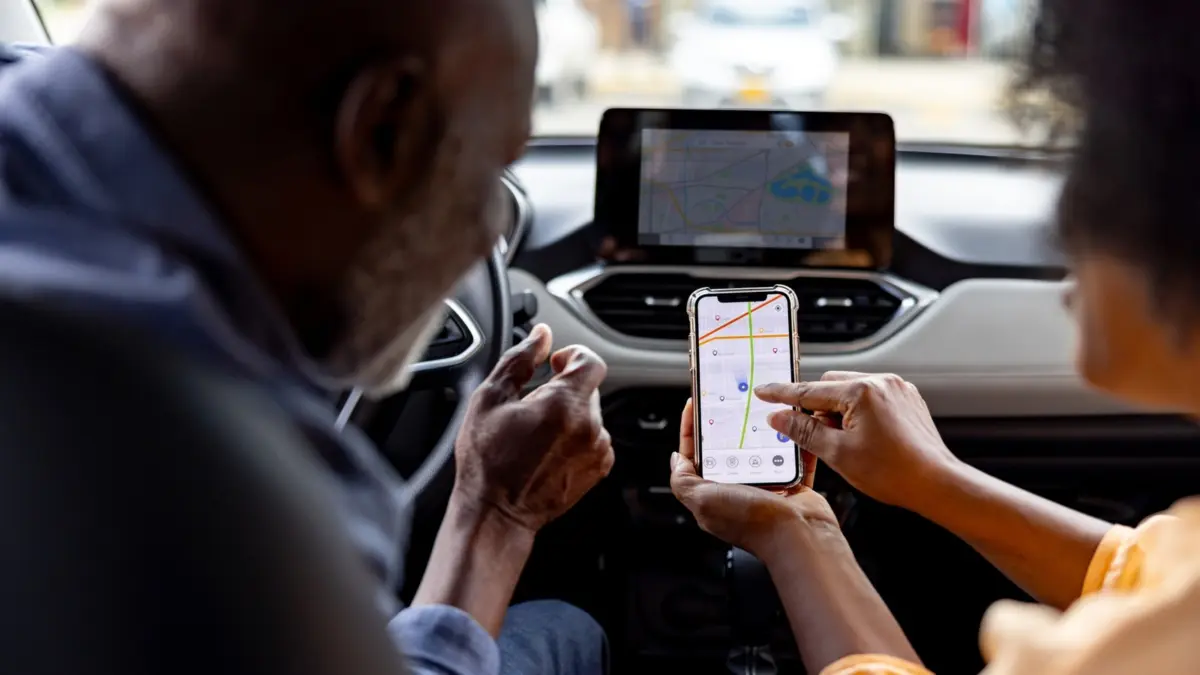
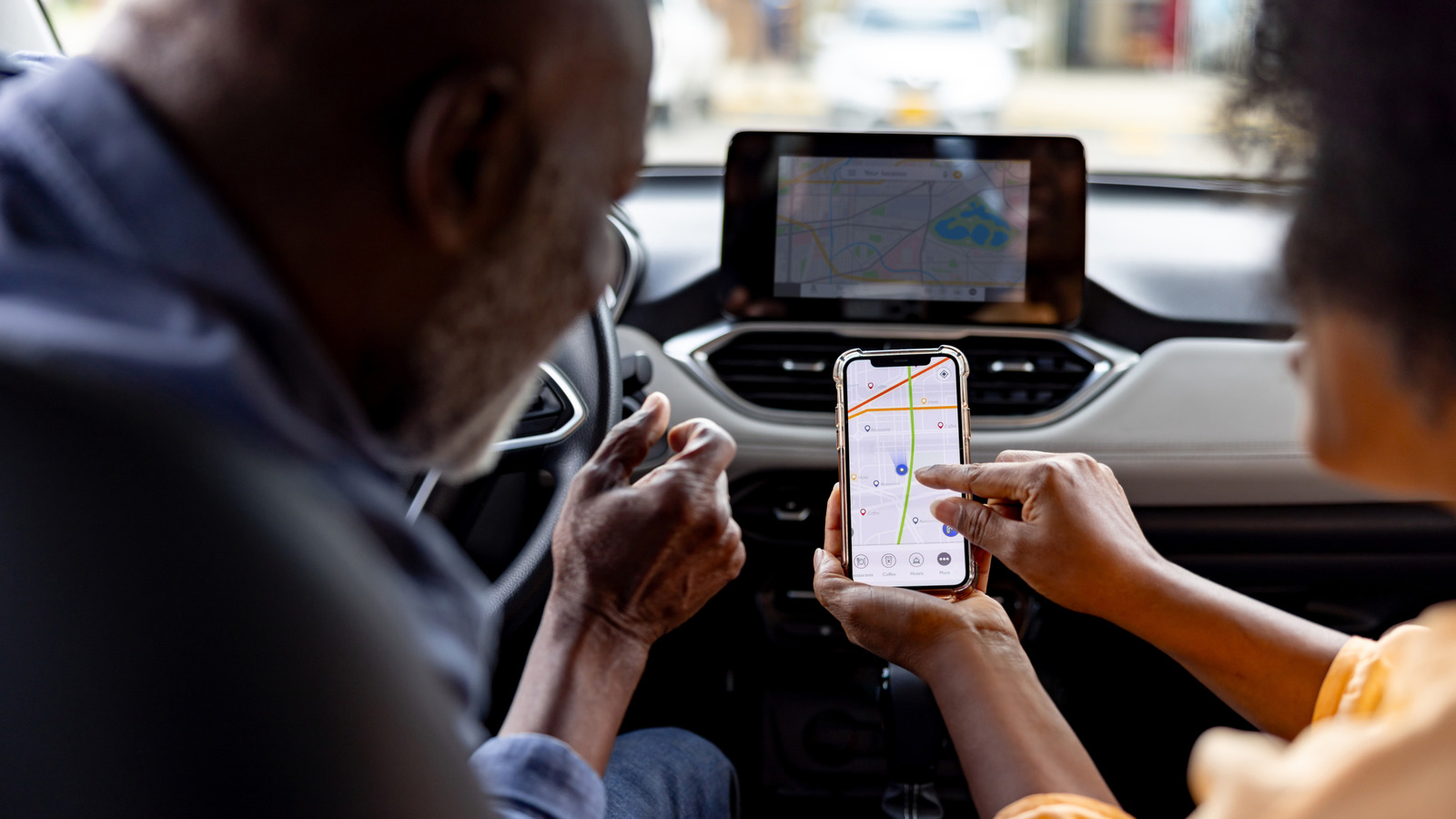
Yet, as with any technology designed to streamline daily routines, edge cases remain—and few are as universally frustrating as managing multi-device households. While setting up a single iPhone with a vehicle’s infotainment system is a straightforward task, introducing a second, previously paired device often shatters the illusion of seamless automation. When two smartphones familiar to the vehicle enter the cabin simultaneously, the car’s automated connection protocols frequently misfire, defaulting to the passenger’s device instead of the driver’s, or descending into a digital tug-of-war for the primary display.
The friction involved in swapping active CarPlay sessions exposes a persistent oversight in human-computer interaction design within automotive environments: it should simply be easier than this. For a system engineered to minimize distraction and maximize operational ease, the manual workarounds required to prioritize the correct device can feel archaic. This report investigates the mechanics of multi-phone CarPlay environments, examines the architectural limitations driving these friction points, evaluates native workarounds such as SharePlay and Spotify Jam, and explores what the future holds for multi-user vehicle interfaces.
Detailed Chronology: The Evolution of In-Car Smartphone Integration
To understand why managing multiple iPhones within a single vehicle remains a cumbersome task, it is necessary to retrace the evolutionary path of smartphone-to-vehicle connectivity.
The Wired Era (2014–2018)
When Apple officially launched CarPlay at the Geneva Motor Show in March 2014, the paradigm was strictly physical. Users connected their iPhones via a Lightning cable to compatible head units. While this wired architecture offered inherent stability and simultaneous device charging, it also imposed rigid single-user limitations. In a multi-driver household, the physical act of plugging in a device served as the definitive arbiter of who controlled the infotainment screen. If a passenger plugged their phone in to charge while the driver navigated, conflicts could arise, but the rules of engagement were tangible and easily understood.
The Wireless Transition (2019–2022)
As automotive manufacturers embraced Wi-Fi Direct and Bluetooth Low Energy (BLE) protocols, wireless CarPlay quickly became an expected standard, migrating from luxury models to mass-market vehicles. Wireless connectivity eliminated the clutter of cables, allowing the vehicle to establish a secure handshake with an iPhone the moment the driver unlocked the car doors or started the ignition.
However, this transition introduced a host of invisible background negotiations. Without a physical cable to designate priority, infotainment software had to rely on heuristics—such as last-connected status, signal strength, or user profiles—to determine which phone to project. In multi-user vehicles, these algorithms frequently prioritize the wrong device if a passenger’s phone responds slightly faster or was the last one actively paired outside the vehicle context.
The Ecosystem Expansion Era (2023–Present)
Modern iterations of CarPlay have expanded far beyond basic navigation and audio playback. Today’s implementations support complex software layers, including deep widget integrations, multi-screen layouts for instrument clusters, and collaborative features like SharePlay. Despite these software-level advancements, the foundational hardware handshake protocols remain largely unchanged, leaving drivers to contend with legacy device-prioritization quirks in increasingly sophisticated digital cabins.
Supporting Context & Metrics: The Multi-Device Dilemma
The prevalence of shared vehicles makes multi-phone connectivity a mainstream issue rather than an isolated edge case. According to recent automotive consumer research, more than 65% of households with two or more licensed drivers share primary or secondary vehicles regularly. Within these households, multi-user smartphone ecosystems are the norm, often combining multiple iPhones or a mix of iOS and Android devices.
When multiple CarPlay-compatible iPhones are present in a vehicle, the infotainment system initiates an automated discovery sequence. Ideally, the system should reference driver seat occupancy sensors or profile logins to project the correct interface. In practice, however, many legacy and even current-generation head units lack the granular intelligence required to differentiate between a driver and a passenger when both devices are broadcasting identical Bluetooth and Wi-Fi beacons.
Diagnostic Breakdown: Why the Handshake Fails
- Broadcast Race Conditions: Both the driver’s and passenger’s iPhones continuously broadcast availability for wireless pairing. Whichever device completes the Wi-Fi Direct and Bluetooth handshake sequence milliseconds faster claims the primary CarPlay session.
- Infotainment Profile Ambiguity: Many vehicle head units are designed with a single-user mindset. They prioritize the last connected device globally, regardless of whether that device belongs to the person currently occupying the driver’s seat.
- Wired Override Failures: Intuition suggests that physically plugging an iPhone into a USB port should force the infotainment system to bypass wireless signals and prioritize the wired connection. However, extensive user testing and community-sourced troubleshooting logs—such as those compiled on automotive forums and Reddit—reveal inconsistent behavior across manufacturers. Many modern head units maintain wireless priority over wired inputs to prevent accidental disconnections, rendering physical workarounds ineffective.
Manual Mitigation Strategies
Faced with these architectural limitations, users have developed several improvised workarounds to regain control of their dashboards:
- Infotainment Device Management: Navigating deep into the vehicle’s Bluetooth or device management settings allows users to establish a "primary" phone. While effective on select aftermarket head units and specific OEM systems (such as modern Hyundai and Genesis infotainment software), this menu is often buried multiple layers deep, violating the core tenet of minimizing driver distraction.
- The "Brute Force" Toggle: The most reliable, albeit frustrating, method involves manually disabling Wi-Fi and Bluetooth on the passenger’s iPhone. This immediately severs any competing signal, forcing the vehicle to search for and lock onto the driver’s device.
- Manufacturer-Specific Profiles: Premium marques have begun tying CarPlay preference to specific key fobs or digital seat memory profiles. When Driver A unlocks the vehicle with Key Fob A, the system loads Driver A’s preferred device configuration. Unfortunately, this feature remains largely restricted to high-end luxury segments.
Official Statements and Industry Perspectives
Automotive and technology analysts have increasingly turned their attention toward the friction points of in-cabin digital ecosystems. Speaking anonymously at an industry technology symposium, a senior software architect for a major tier-one automotive supplier acknowledged the challenges of device arbitration:
"The challenge isn’t merely software design; it’s a jurisdictional boundary between consumer tech giants and automotive engineering teams. Apple provides the CarPlay framework, and automakers provide the head unit hardware. When two Apple devices compete for a single pipeline, the arbitration logic often defaults to a ‘first-come, first-served’ model because the car has no deterministic way of knowing who is behind the steering wheel without integrated biometric or cabin-radar validation."
Apple, for its part, has consistently emphasized ecosystem flexibility through software-level sharing features rather than altering core hardware connection paradigms. By focusing on collaborative tools like SharePlay, Apple aims to neutralize the need to switch CarPlay sessions entirely when passengers simply want to participate in media curation.
Collaborative Workarounds: SharePlay and Spotify Jam
Rather than forcing a complete handoff of the primary CarPlay interface—which grants the passenger full access to navigation, personal messages, and communication apps—modern software offers elegant workarounds for the most common multi-user friction point: music control.
Apple SharePlay in the Vehicle
Introduced broadly with iOS 17, SharePlay integration for CarPlay allows passengers to interact with the active media session without taking over the entire infotainment display.
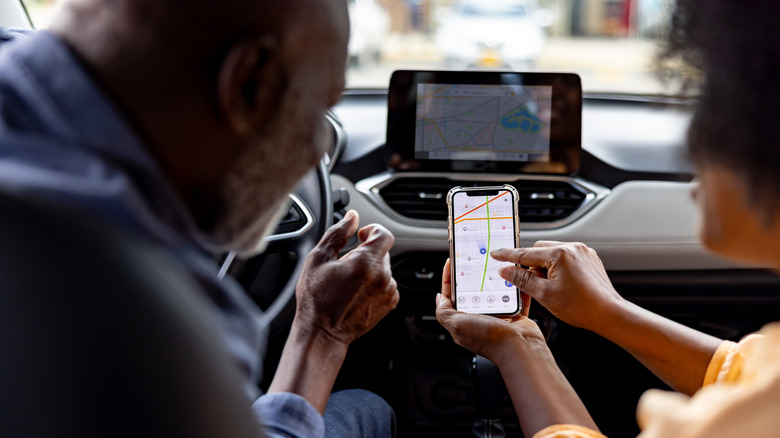
- Mechanics: As long as all occupants utilize devices running iOS 17 or later, passengers can seamlessly join the driver’s Apple Music session.
- Functionality: Participants can add, rearrange, or remove tracks from the active queue directly from their personal iPhones.
- Subscription Nuances: A significant advantage of in-car SharePlay is that passengers do not need individual Apple Music subscriptions; only the host (the driver) requires an active plan.
Spotify Jam
For households anchored in alternative streaming services, Spotify’s "Jam" feature offers parallel functionality.
- Mechanics: Spotify Jam creates a localized, shared listening session accessible via Bluetooth or local Wi-Fi discovery.
- Functionality: Anyone in the vehicle can join the session to contribute tracks to the collective playback queue in real time.
- Accessibility: Similar to Apple’s implementation, participants do not require a Spotify Premium account to add songs when participating in an in-person, proximate session.
The Limitations of Media-Centric Workarounds
While SharePlay and Spotify Jam successfully resolve passenger disputes over playlist curation, they represent an incomplete solution. These features are strictly partitioned to audio playback. If a passenger needs to check incoming messages, look up a secondary destination, or manage their own calendar appointments on the vehicle’s central display, media-sharing protocols are insufficient. In those scenarios, users must still resort to manual connection switching via the vehicle’s infotainment menus.
Future Outlook: Where In-Car Connectivity is Headed
As the automotive landscape transitions toward software-defined vehicles (SDVs) and next-generation infotainment architectures—exemplified by Apple’s delayed but anticipated rollout of next-generation CarPlay—the underlying mechanics of multi-device management are poised for a radical overhaul.
Ultra-Wideband (UWB) and Spatial Awareness
The integration of Ultra-Wideband (UWB) technology into smartphones and modern vehicles promises to eliminate the ambiguity of wireless handshakes. Unlike traditional Bluetooth beacons that broadcast omnidirectionally, UWB enables centimeter-precise spatial awareness.
In a future UWB-enabled automotive ecosystem, the vehicle’s interior sensors will precisely locate each paired device in three-dimensional space. The infotainment system will automatically recognize that the iPhone belonging to "Driver A" is positioned in the driver’s seat, while "Driver B’s" phone rests in the passenger seat or rear storage. Connection handshakes will no longer rely on race conditions or manual toggles; the vehicle will intelligently route primary CarPlay privileges to the correct seat occupants by default.
Multi-User Splits and Co-Pilot Interfaces
Looking further ahead, the conceptual framework of "one screen, one phone" is beginning to fracture. As center-console displays grow larger and curved panoramic dashboards become standard, upcoming software architectures are exploring multi-zone rendering. This evolution could eventually allow simultaneous, partitioned projections—permitting the driver to run navigation on the primary cluster while a passenger interacts with secondary media or utility apps on a dedicated segment of the display without relinquishing total control.
Conclusion
Until spatial awareness and advanced multi-user partitioning become industry standards, drivers will continue to grapple with the quirks of multi-device CarPlay environments. While tools like SharePlay and Spotify Jam alleviate passenger friction regarding media playback, the core challenge of device prioritization remains an unresolved design hurdle. For now, mastering the nuances of your specific vehicle’s device management menu—or keeping a quick-access finger ready to toggle off a passenger’s Bluetooth—remains an essential, if frustrating, part of the modern driving ritual.