Executive Overview
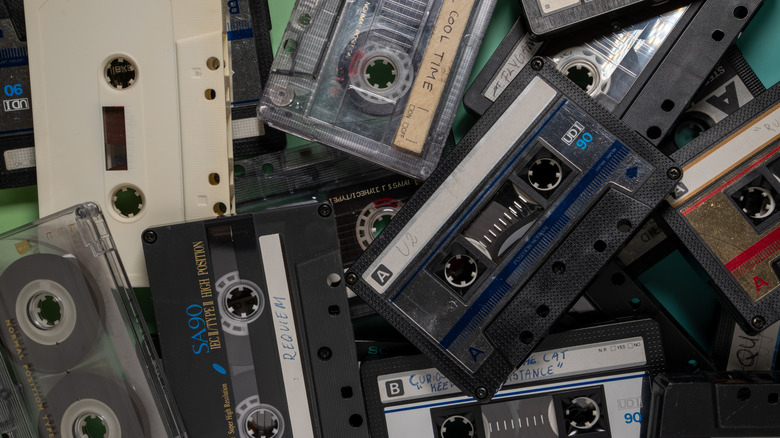
Long before the era of infinite algorithmic playlists, spatial audio, and high-bitrate streaming services like Spotify, musical discovery was tactile, physical, and often accompanied by the mechanical hum of a dual-well deck. For millions of people who grew up in the 1970s and 1980s, cassette tapes were the ultimate medium of personal expression. From commercial releases of iconic albums to painstakingly curated mixtapes recorded directly off FM radio—complete with the inevitable voice of the DJ clipping the intro—cassettes served as the sonic soundtrack of a generation.
Yet, as decades have passed, these relics of the analog age have largely been relegated to shoeboxes tucked away in dusty closets, damp basements, and sweltering attics. This raises an urgent, lingering question for music enthusiasts, archivists, and nostalgic consumers alike: Just how long are cassette tapes actually expected to last?
While conventional wisdom often cites a general lifespan of roughly 30 years under ideal conditions, the reality is far more nuanced. Cassette tapes are organic-chemical composites susceptible to environmental decay, physical wear, and chemical breakdown. Under optimal stewardship, high-quality magnetic tape can theoretically endure for up to a century, preserving auditory history for future generations. However, when exposed to improper temperature fluctuations, high humidity, and destructive magnetic fields, that lifespan can plummet to a fragile five years.
As younger demographics fuel retro revivals—championing the resurgence of vinyl records and even driving a surprising comeback for vintage iPods—interest in physical media is experiencing an unexpected renaissance. This comprehensive investigative report examines the mechanics of cassette degradation, optimal preservation strategies, digitization techniques, and the hardware landscape required to keep the tape spinning well into the future.
Detailed Chronology: The Rise, Fall, and Preservation of Magnetic Tape
To understand the fragility and resilience of the modern cassette tape, one must trace the trajectory of magnetic recording technology from its industrial origins to its current status as a cherished collectible.
1. The Genesis of Portable Audio (1960s–1970s)
Introduced by Royal Philips in 1963, the Compact Cassette was originally designed for dictation and speech recording. Early fidelity was mediocre at best, rendering it largely unsuitable for serious music reproduction. However, continuous engineering breakthroughs throughout the late 1960s and 1970s transformed the format. The development of advanced magnetic formulations—moving from standard iron oxide to high-bias chromium dioxide ($textCrO_2$) and metal particle tapes—drastically improved frequency response, signal-to-noise ratios, and dynamic range.
2. The Golden Age and Cultural Dominance (1980s)
The 1980s marked the undisputed golden age of the cassette tape. Propelled by Sony’s introduction of the Walkman in 1979, music became genuinely portable for the first time on a mass scale. Consumers were no longer tethered to living room hi-fi systems or car stereos; they could take their favorite albums anywhere.
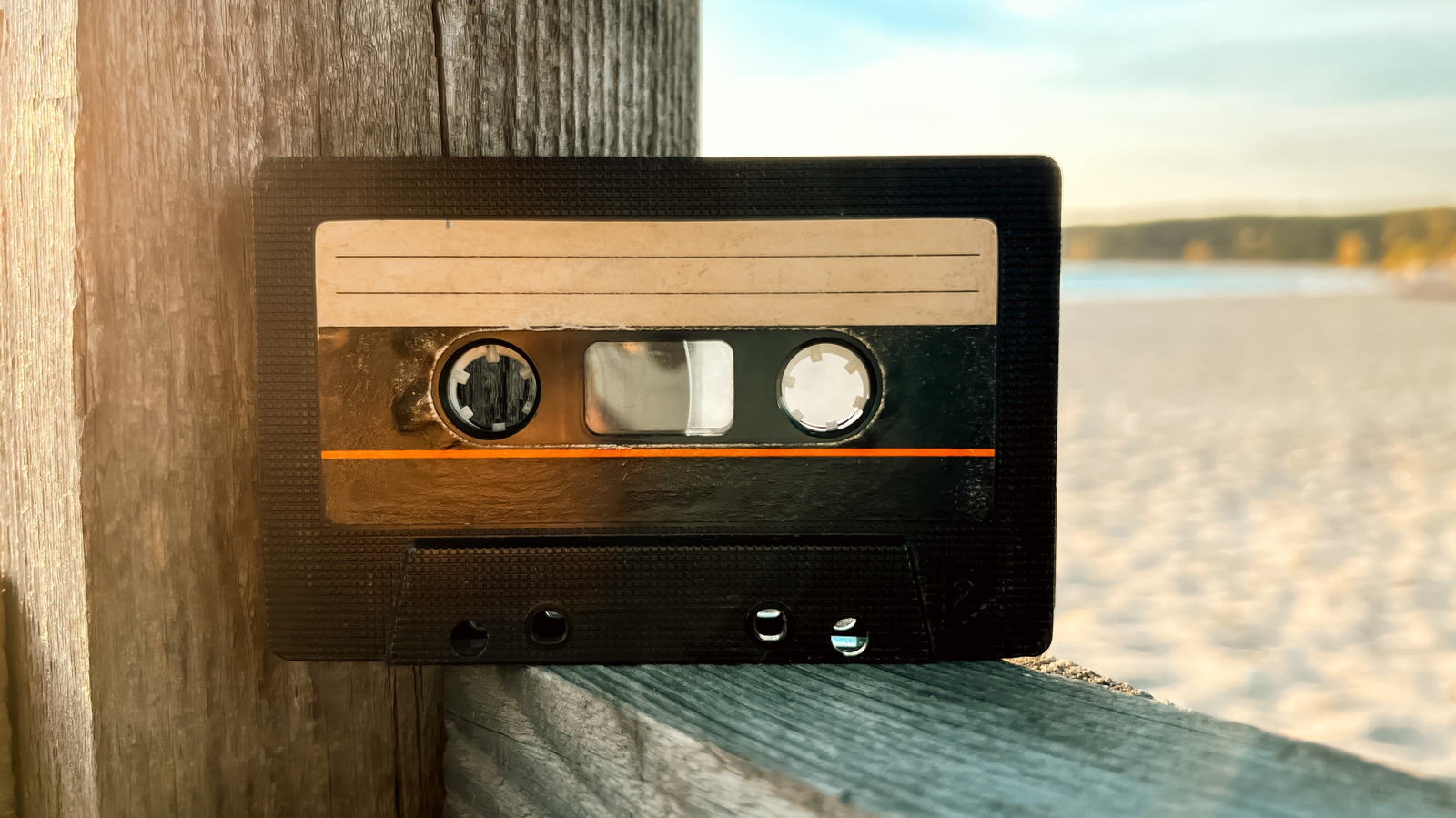
Furthermore, the blank cassette became a canvas for interpersonal communication. Mixtapes defined teenage romance, road trips, and social circles. By the mid-1980s, cassette sales officially surpassed those of traditional vinyl long-plays (LPs) in key markets, cementing the format as an economic and cultural titan.
3. The Digital Displacement (1990s–2000s)
The ascent of the Compact Disc (CD) in the late 1980s and throughout the 1990s initiated a slow, steady decline for the cassette. CDs offered pristine, noise-free digital audio, instant track skipping, and freedom from tape hiss and mechanical stretching. Major record labels began phasing out cassette releases by the early 2000s, leaving the format marooned in secondhand bins, garage sales, and household storage.
4. The Archival Era and Digital Reclamation (2010s–Present)
Today, surviving cassettes occupy a paradoxical space. On one hand, they are ticking time bombs of chemical decay; on the other, they are prized artifacts of counterculture and personal history. Archivists and casual listeners alike face a race against time, utilizing modern software suites and vintage hardware to rescue unique audio recordings from irreversible degradation before the magnetic ribbon gives way entirely.
Supporting Context & Metrics: Anatomy, Decay, and the Science of Preservation
To properly care for cassette tapes, one must first comprehend the delicate physics and chemistry operating inside that small plastic shell.
How a Cassette Tape Works
At its core, a cassette tape is an exercise in microscopic engineering. Inside the protective plastic shell lie two miniature reels connected by a thin, flexible strip of polyester film coated with a ferromagnetic material (typically iron oxide, cobalt-absorbed gamma ferric oxide, chromium dioxide, or pure metal particles).
When a cassette is inserted into a player and the play button is engaged:
- The Capstan and Pinch Roller: Work together to pull the magnetic tape across the tape head at a constant speed (standardized at 1.875 inches per second).
- The Magnetic Head: Reads the varying magnetic patterns imprinted along the ribbon.
- Transduction: These magnetic variations are translated into tiny electrical signals.
- Amplification: The signals travel through an amplifier circuit, ultimately driving your speakers or headphones with intelligible audio.
The Mechanics of Decay: Why Tapes Fail
Even when stored untouched, cassette tapes are subject to structural degradation. The primary culprit is the binder system—the chemical adhesive layer responsible for binding the ferromagnetic oxide particles to the polyester backing film.
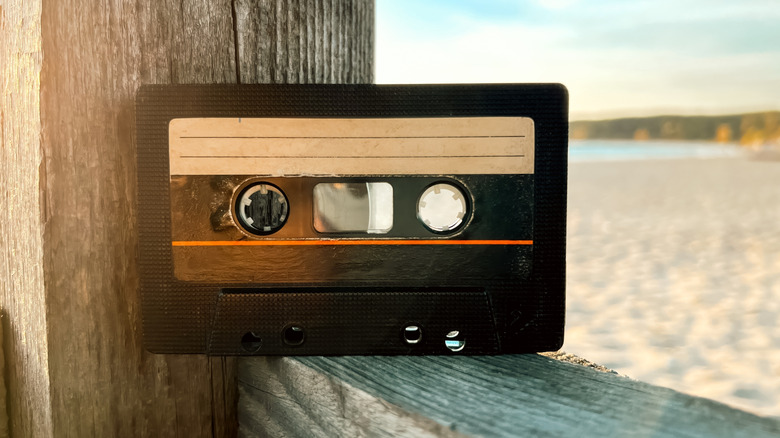
Over time, binders can suffer from moisture absorption, leading to a phenomenon known as "Sticky Shed Syndrome," where the binder loses its lubrication, becomes gummy, and sheds its magnetic coating directly onto the player’s tape heads and pinch rollers. Furthermore, the plastic components inside the shell can warp, and the internal lubrication sheets can dry out, causing high friction, wow-and-flutter, and catastrophic tape snapping.
Environmental Metrics for Optimal Storage
Research into archival conservation indicates that environmental conditions dictate the difference between a 5-year failure and a 100-year survival rate. The table below outlines critical storage thresholds:
| Environmental Factor | Suboptimal Conditions (High Risk) | Ideal Archival Conditions |
|---|---|---|
| Temperature | Above 78°F (25°C) or fluctuating wildly | 59°F to 73°F (15°C to 23°C), stable |
| Relative Humidity (RH) | Above 60% or below 20% | 25% to 55% relative humidity |
| Light Exposure | Direct sunlight, UV exposure | Complete darkness (closed cases, cabinets) |
| Magnetic Fields | Near speakers, amplifiers, CRT monitors | Isolated away from strong electrical currents |
| Container Type | Open piles, cardboard shoeboxes in attics | Individual hard cases inside sealed plastic tubs |
Best Practices for Care and Maintenance
- The "Blockbuster" Rule: Just like VHS tapes, always fully rewind your cassettes after listening. This minimizes uneven mechanical stress, prevents stretching at endpoints, and ensures uniform tension across the entire spool.
- Regular Playback: Tapes that sit completely dormant for decades can experience binder adhesion failure. Playing your tapes every few years helps keep the internal mechanical parts lubricated and prevents the tape pack from fusing together.
- Hardware Maintenance: Never insert a dirty or deteriorating tape into a pristine deck. Clean your tape heads, capstans, and pinch rollers regularly using isopropyl alcohol and cotton swabs to prevent residue buildup.
Official Statements and Industry Insights
Audio restoration technicians, cultural preservationists, and consumer electronics experts agree that while magnetic tape is inherently fragile, its longevity is largely within the owner’s control.
"The romantic notion of tossing a box of mixtapes into the attic and expecting them to sound pristine thirty years later is a recipe for heartbreak," notes Dr. Elena Vance, an audio archivist specializing in twentieth-century magnetic media. "Magnetic tape is a living, breathing chemical system. Without climate-controlled protection, moisture and temperature swings will systematically eat away at the binder until the music is quite literally scraped off the ribbon."
Industry engineers emphasize that digitization is no longer merely an option for professional studios, but a necessity for consumer preservation.
"If you have unique recordings—family oral histories, local band demos, or deeply personal mixtapes—do not wait for the medium to fail," advises Marcus Thorne, a veteran restoration engineer. "Connecting a quality deck to a computer interface and capturing the audio via software like Audacity is a straightforward afternoon project. It bridges the gap between analog nostalgia and digital permanence."
Future Outlook: The Analog Revival and Modern Hardware
As we look toward the future, the consumer electronics landscape is experiencing a fascinating cultural counter-revolution. Just as vinyl stubbornly refused to die in the face of CDs, and mechanical wristwatches survived the quartz and smartwatch revolutions, physical retro formats are finding passionate new audiences among younger generations.
Gen Z and the Hardware Renaissance
Generation Z, having grown up entirely in an intangible cloud-based streaming ecosystem, has demonstrated a surprising appetite for tactile, friction-heavy physical media. Following the unexpected cultural second wind enjoyed by vintage iPods and wired headphones, analog audio formats are poised for renewed appreciation.
However, enthusiasts face a distinct hardware bottleneck: finding reliable playback equipment.
Navigating Modern Playback Solutions
While vintage boomboxes and high-end Nakamichi decks from the 1980s are prized collector items on the secondhand market, they frequently require costly mechanical repairs, including the replacement of perished rubber drive belts and idler tires. Fortunately, the market is responding:
- Retro-Hybrid Systems: Modern audio manufacturers have introduced hybrid home stereo systems that seamlessly blend contemporary Bluetooth streaming capabilities with classic cassette decks.
- Portable Players: Affordable, modern Walkman-style portable cassette players have re-entered production, allowing a new generation to experience the ritual of carrying a pocket-sized player and a handful of tapes on their daily commutes.
Final Verdict: Preserving the Past for Tomorrow
Your old cassette tapes do not necessarily belong in the garbage, nor do they belong in a sweltering attic exposed to destructive thermal cycling. By moving your collection out of harm’s way into a temperature-controlled environment, properly rewinding and housing them in protective cases, and proactively digitizing irreplaceable recordings, you can ensure that the distinctive warmth, hiss, and soul of analog cassette tapes will survive to be enjoyed for decades to come.