
By the Entertainment & Technology Desk
Published September 20, 2026
Executive Overview
In a move that has sent shockwaves through the streaming community, The Walt Disney Company has officially updated its Disney+ subscriber agreement, introducing changes that dismantle the traditional boundaries of ad-free viewing. Under the newly revised terms, subscribers paying top dollar for the top-tier Disney+ Premium plan—long marketed as a pristine, uninterrupted cinematic experience—are now subject to promotional content and advertisements.
While the lower-priced, ad-supported tiers have always featured mid-roll commercial breaks that interrupt movies and television episodes, the Premium tier was previously heralded as a safe haven for users willing to pay a premium to avoid commercial interruptions. However, clause 1.1.e of the updated Service and Advertising section explicitly permits Disney to inject trailers, promotional material, and traditional ads at the beginning and end of programs across all subscription levels.
Compounding consumer frustration, Disney has simultaneously reinforced its technical countermeasures against ad-blockers, reserving the right to penalize users attempting to bypass the system by forcing tier upgrades or terminating accounts entirely. This controversial policy shift highlights a broader, alarming trend across the subscription video-on-demand (SVOD) landscape: consumers are increasingly asked to pay higher subscription fees while simultaneously receiving diminishing ad-free value.
Detailed Chronology: How Streaming Shifted from Ad-Free Havens to Commercial Hubs
To understand the weight of Disney’s latest policy shift, it is essential to trace the evolution of the modern streaming ecosystem over the past decade.
The Golden Age of Ad-Free SVOD (2010s–2021)
For years, the foundational promise of subscription-based streaming services like Netflix, Amazon Prime Video, and eventually Disney+ (launched in November 2019) was simple: cut the cord, pay a flat monthly fee, and enjoy your favorite movies and television shows completely uninterrupted by commercials. This model was positioned as the ultimate consumer-friendly alternative to traditional cable television. For a flat monthly price—initially hovering around $6.99 for Disney+—subscribers expected, and received, a pure content experience.
The Profitability Crunch and the Rise of Hybrid Tiers (2022–2024)
As production costs soared, content libraries expanded, and Wall Street shifted its focus from subscriber growth to sustained profitability, streaming services faced a harsh financial reality. Maintaining a massive, prestige-driven catalog of original and licensed content purely on subscription revenue proved unsustainable.
In late 2022, Disney+ followed in the footsteps of competitors by introducing an ad-supported tier alongside price hikes for its ad-free options. Consumers were presented with a choice: pay less and watch ads, or pay more to keep the ad-free experience intact. This bifurcation established a clear contract of trust between the platform and its highest-paying customers—a contract that has now been unilaterally rewritten.
The 2026 Subscriber Agreement Overhaul
Fast forward to September 2026, and the streaming landscape has entered a new, more aggressive monetization phase. In the latest update to the Disney+ subscriber agreement, the distinction between ad-supported and ad-free tiers has been intentionally blurred. Disney’s legal framework now grants the platform broad autonomy to push promotional content, trailers, and partner advertisements onto even the most expensive accounts.
Industry analysts note that this evolution reflects a race to maximize average revenue per user (ARPU) amid plateauing subscriber growth in saturated domestic markets. By redefining what constitutes an "ad"—categorizing promotional spots, brand integrations, and studio trailers differently from traditional commercial breaks—Disney has cleared the legal runway to monetize every square inch of the user interface and viewing experience.
Supporting Context & Metrics: The Financial Realities of Modern Streaming
The backlash against Disney’s policy update is amplified by the sheer economic weight consumers are already carrying. Streaming fragmentation, coupled with aggressive, year-over-year price hikes, has driven the cumulative cost of home entertainment to levels that rival, and sometimes surpass, traditional cable bundles.
Breaking Down the Costs
To contextualize the current pricing structure:

- Disney+ Basic (Ad-Supported): Currently priced at $11.99 per month. Subscribers accept mid-roll and pre-roll advertisements in exchange for a lower barrier to entry.
- Disney+ Premium (Ad-Free/Promotional-Inclusive): Priced at $18.99 per month.
Consumers shelling out an extra $7.00 per month—amounting to an $84 annual premium—did so with the explicit understanding that they were purchasing immunity from commercials. Under the revised terms, that $7 monthly tribute no longer guarantees a pristine viewing experience. While Premium subscribers are spared mid-show interruptions (which remain exclusive to the Basic tier), the insertion of pre-roll and post-roll promotions means that viewers are still paying to watch marketing materials.
The Ad-Blocker Crackdown and Technical Enforcement
Recognizing that tech-savvy users might attempt to bypass these new promotional intrusions using browser extensions or network-level ad-blockers, Disney has proactively fortified its terms of service.
According to the updated agreement:
- Streaming Restrictions: Disney reserves the right to suspend or entirely terminate streaming access for any user account detected utilizing an ad-blocker.
- Forced Upgrades: In one of the most aggressive clauses in modern digital media, Disney claims the authority to automatically transition a user caught using an ad-blocker to the Disney+ Premium tier (citing it as the "most similar features or functionality") and bill them the higher monthly rate from the date of the forced migration.
The Exception That Proves the Rule
Notably, the only user profiles entirely exempt from this ad expansion are Junior Mode accounts. Designed specifically for younger audiences, these profiles maintain strict ad-free parameters. However, for adult accounts—including family profiles, shared household accounts, and individual Premium subscribers—no amount of financial outlay currently guarantees an ad-free ecosystem.
Official Statements and Corporate Strategy
While Disney has not issued a dedicated press release drawing direct attention to the fine print changes in clause 1.1.e, corporate communications from The Walt Disney Company’s direct-to-consumer division have consistently emphasized the necessity of optimizing monetization avenues across their digital portfolio.
Industry insiders point out that media conglomerates are increasingly viewing their streaming apps not just as subscription portals, but as proprietary advertising networks. Disney’s ad sales technology stack has grown exponentially sophisticated, allowing for targeted, data-driven promotional placement that commands high CPMs (cost per thousand impressions) from advertisers.

When previously questioned about the blending of traditional subscription models with advertising, Disney executives have repeatedly stressed that consumer habits are shifting. The company argues that modern audiences—particularly younger demographics—are accustomed to blended digital experiences where promotional content, trailers, and sponsored segments are integrated seamlessly into the entertainment journey. However, critics and consumer advocacy groups argue that redefining a paid tier to include marketing materials is a classic "bait-and-switch" tactic that violates the consumer trust established when the Premium tier was first introduced.
Future Outlook: What This Means for the Future of SVOD
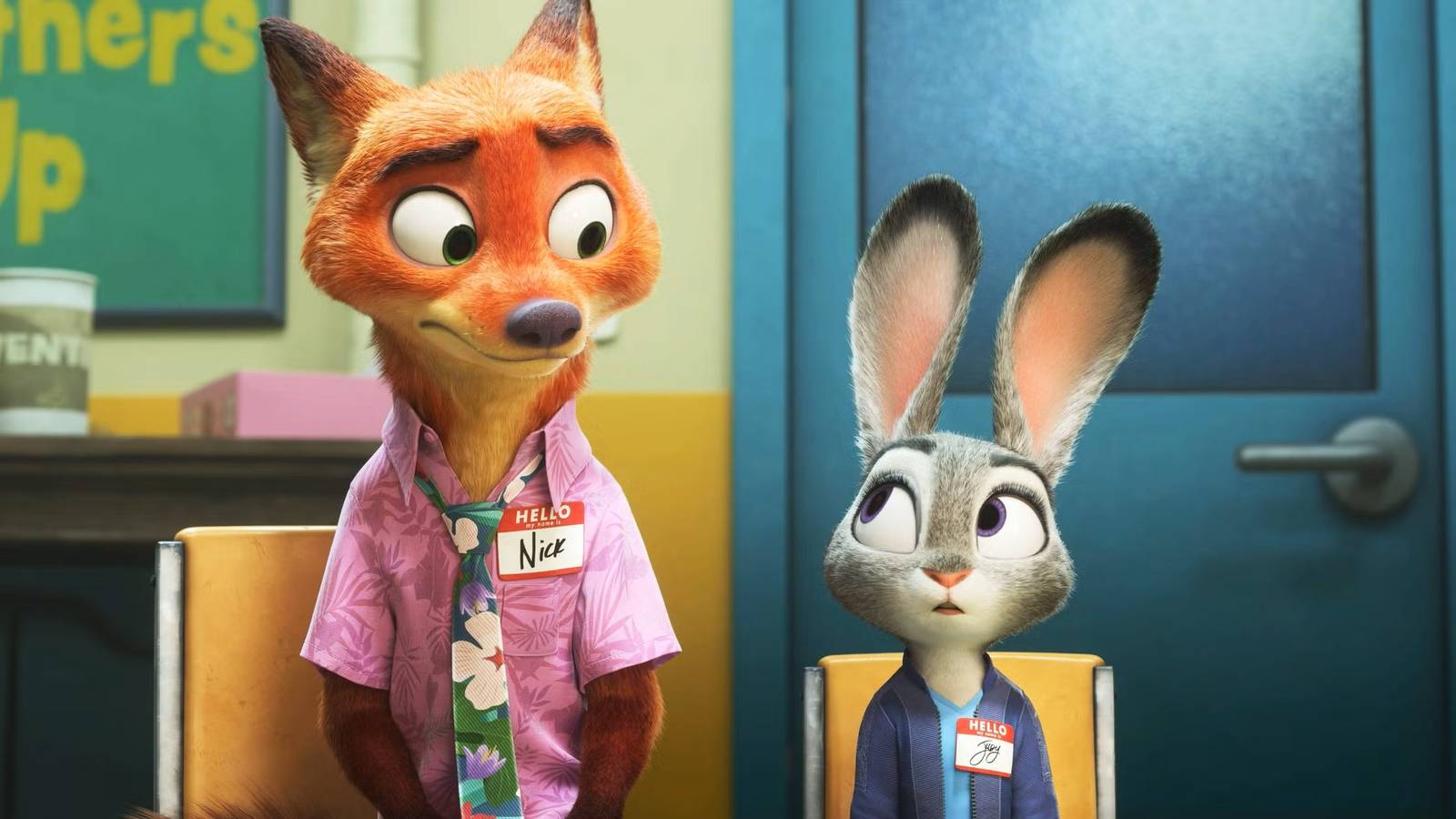
The implications of Disney’s policy update extend far beyond a few extra seconds of promotional footage at the start of Zootopia 2 or upcoming Marvel and Pixar releases. This moment may well serve as a watershed event for the entire entertainment industry.
1. The Death of the True Ad-Free Experience?
If Disney successfully normalizes pre-roll and post-roll promotions on its highest-priced tier without experiencing catastrophic subscriber churn, competing services—such as Netflix, Max, Paramount+, and Peacock—are almost certain to follow suit. The streaming industry operates on a copycat economic model; once one major player successfully extracts more revenue from premium users, others quickly adopt the playbook.
2. The Threat of "Subscription Fatigue" and Piracy
As legal streaming options become increasingly expensive, ad-laden, and heavily restricted by draconian terms of service, market researchers have begun tracking a concerning resurgence in digital piracy. When consumers feel nickel-and-dimed—paying top-tier prices only to be served ads and threatened with forced upgrades for using ad-blockers—the friction-free convenience of piracy begins to look appealing once more. The industry risks alienating its most loyal, paying customer base in pursuit of short-term ARPU gains.
3. Bundling as the Only "Value" Play
As standalone streaming apps become pricier and more commercialized, consumers are increasingly nudged toward bundled offerings (such as the Disney+, Hulu, and ESPN+ bundles). While these packages offer marginal financial relief compared to purchasing services individually, they also lock consumers deeper into closed ecosystems where tracking, data harvesting, and advertising saturation are inevitable.
Conclusion
Disney’s updated subscriber agreement marks a somber milestone for the streaming revolution. The dream of an ad-free, consumer-centric alternative to cable television is officially fading. As Premium subscribers prepare to encounter promotional content on screens they paid top dollar to keep clean, the message from major media conglomerates is unmistakable: in the modern digital economy, you will pay more, you will accept ads, and you will have fewer options to escape them.