Executive Overview
In the current landscape of digital entertainment, the barrier to entry for prestige television has never felt higher. Navigating the modern media ecosystem increasingly demands an intricate patchwork of monthly streaming subscriptions, leaving many viewers priced out of the cultural conversation. While pop-culture monoliths like Squid Game on Netflix or Mindhunter remain locked behind paywalls, a wealth of world-class, genre-defining television is quietly available to stream completely free of charge.
Platforms such as Pluto TV, Plex, Roku, and The CW have emerged as unexpected sanctuaries for discerning television fans. Far from being digital graveyards for forgotten content, these free ad-supported streaming television (FAST) platforms host some of the most intricate, psychologically complex thrillers ever produced for the small screen.
Psychological thrillers occupy a unique and revered space in television. Unlike traditional action-adventure narratives that rely on explosive set-pieces, or fast-paced procedurals designed for passive viewing, the psychological thriller thrives on temporal manipulation, claustrophobia, and the slow, agonizing burn of human anxiety. By stretching tension across episodic arcs, these shows allow fear and moral ambiguity to seep deep into the viewer’s consciousness. From the surreal, dream-logic investigations of David Lynch’s Twin Peaks to the devastating, modern deconstructions of classic horror in Bates Motel, this curated selection proves that viewers do not need to open their wallets to experience television at its absolute finest.
Detailed Chronology: The Evolution of Television Psychological Thrillers
To understand the weight of these five streaming masterpieces, one must trace how the psychological thriller has evolved within the television medium over the past three decades.

1. The Paradigm Shift (1990–1991): Twin Peaks
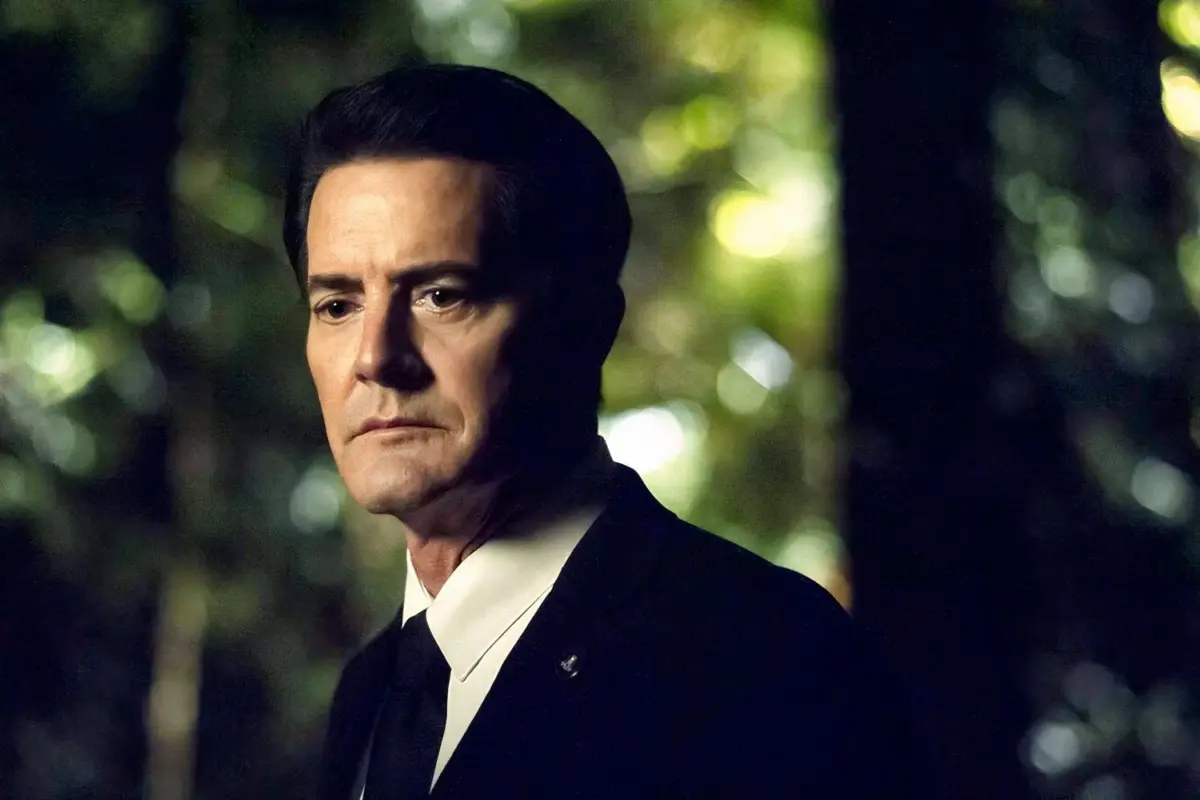
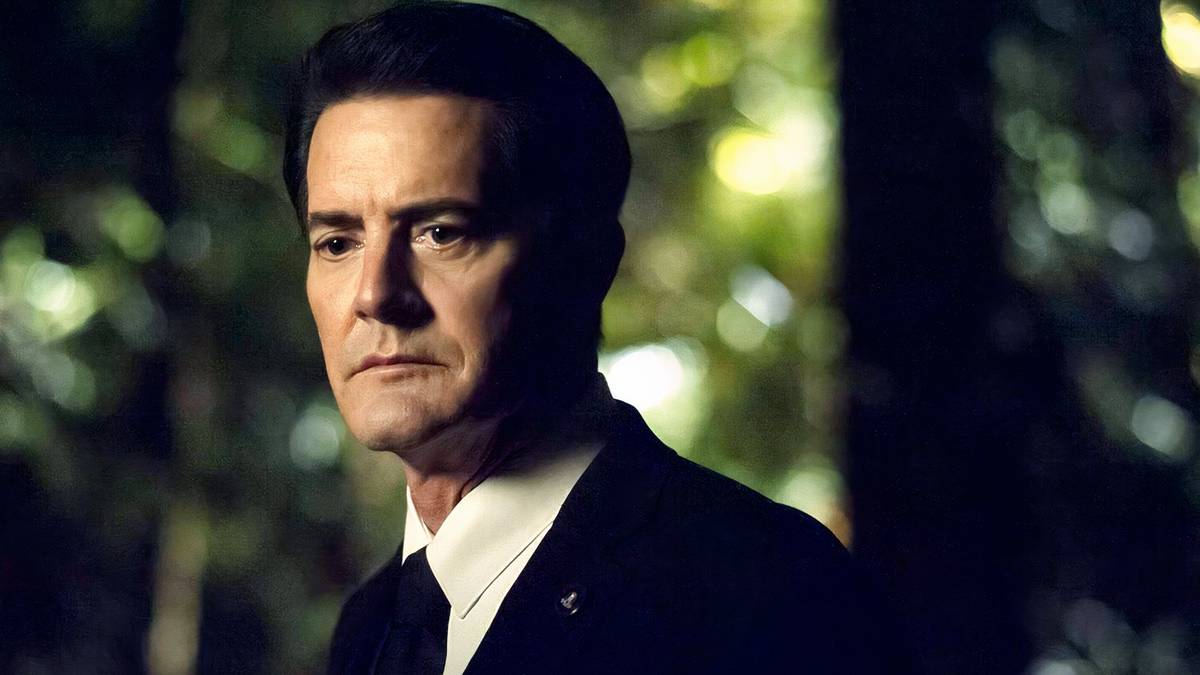
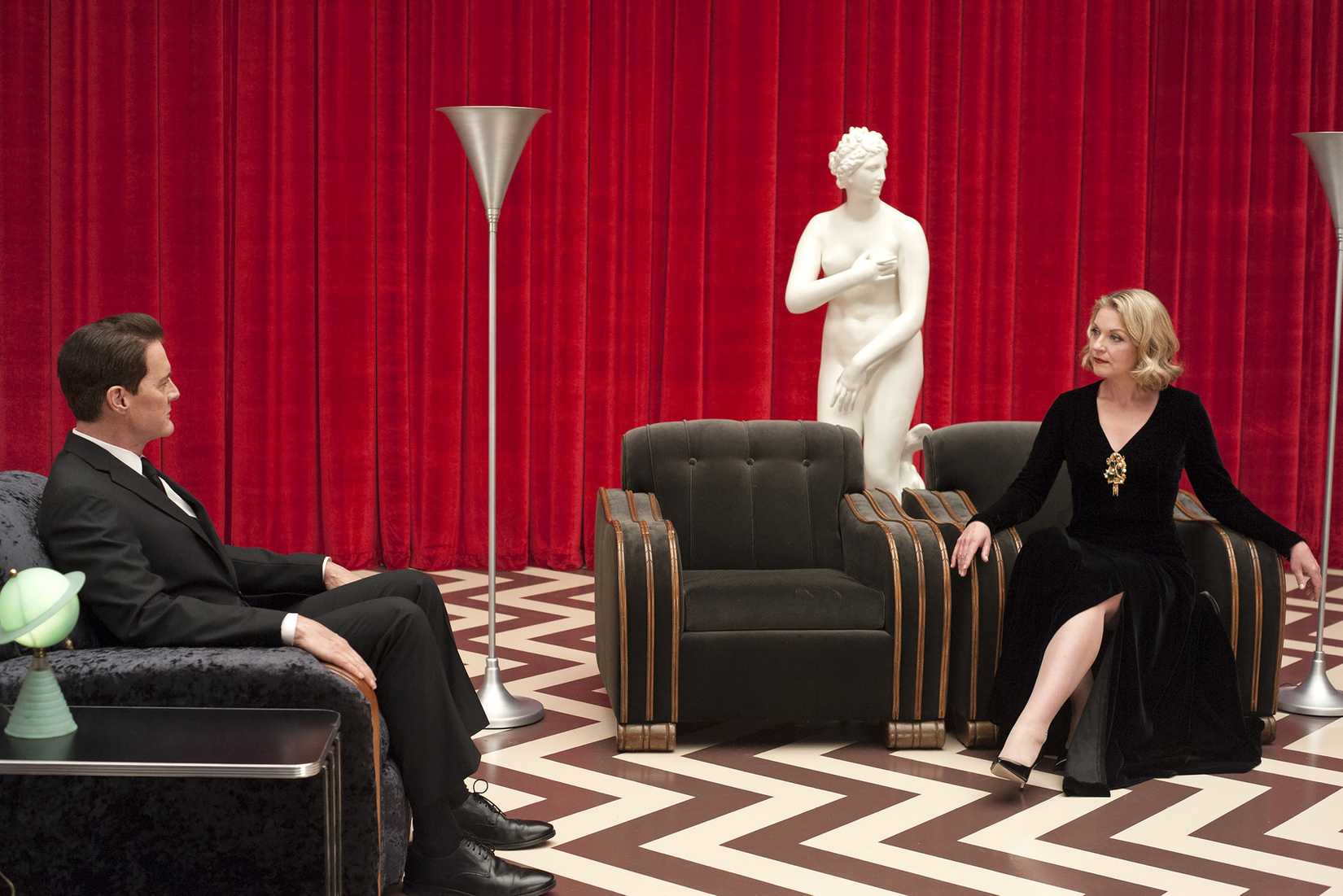
When David Lynch and Mark Frost introduced Twin Peaks to network television in 1990, the landscape of episodic storytelling was forever altered. Prior to the arrival of FBI Special Agent Dale Cooper in a logging town draped in mist and tragedy, network television relied heavily on self-contained episodes. Twin Peaks shattered this template by welding a traditional murder mystery—the death of homecoming queen Laura Palmer—with surreal horror, soap opera melodrama, and deep-seated psychological trauma. It birthed the modern "prestige mystery" format, proving that audiences would embrace serialized ambiguity, dream logic, and deeply flawed, haunted protagonists.
2. The Rise of the Psychological Cat-and-Mouse (2010s)
As cable and international broadcasting matured through the 2010s, creators shifted away from standard whodunit formulas toward "howcatchem" narratives and complex behavioral studies.
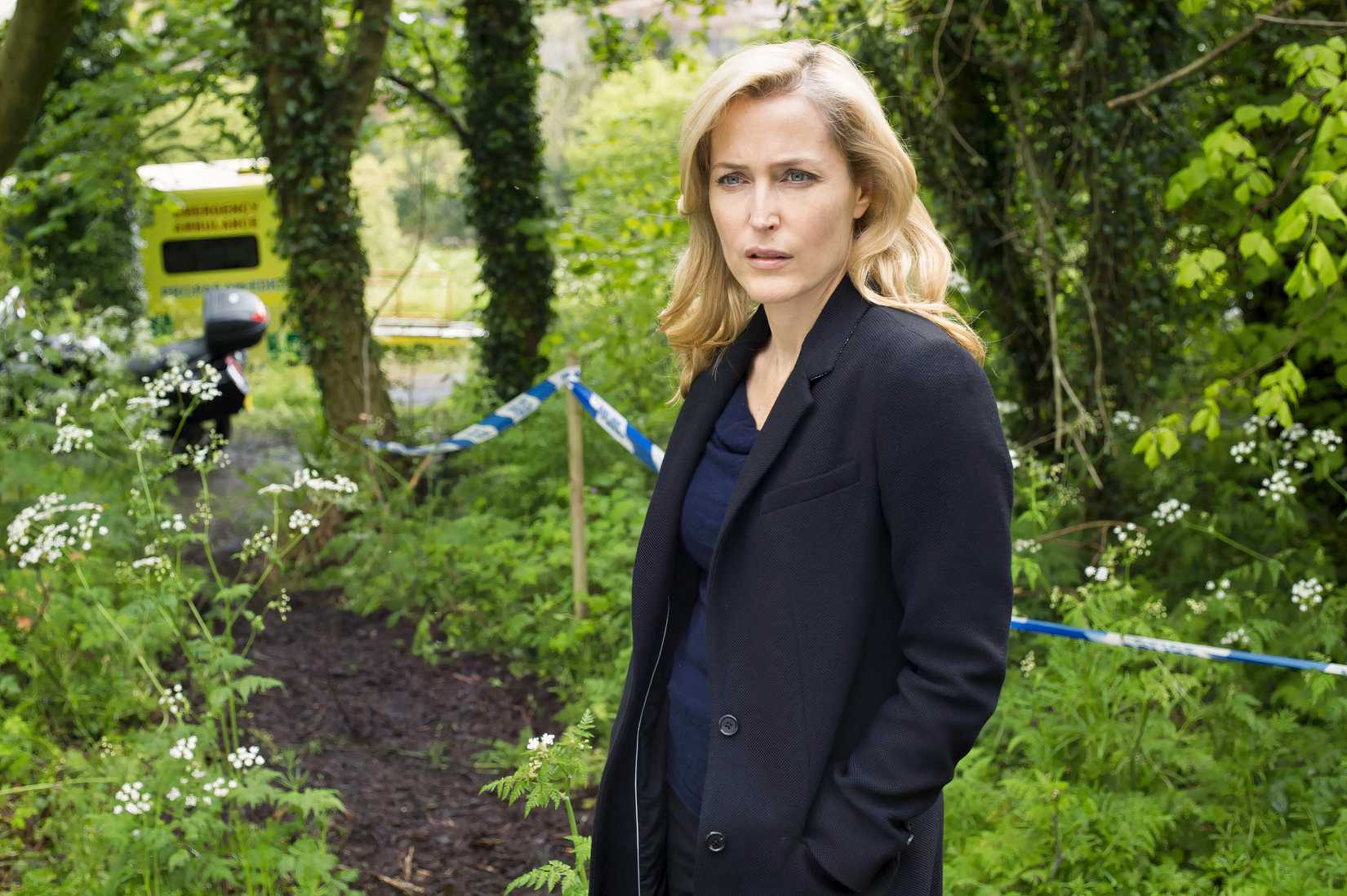
- 2013: BBC Two’s The Fall discarded the traditional mystery of who was committing murders in Belfast, instead placing the audience directly inside the meticulous, terrifying double life of serial killer Paul Spector and the hyper-focused mind of Superintendent Stella Gibson. That same year, Bryan Fuller’s Hannibal premiered on NBC, transforming Thomas Harris’s literary universe into a macabre, visually lush operatic tragedy exploring the toxic, empathic entanglement between Will Graham and Dr. Hannibal Lecter.
- 2014: Director Shinichirō Watanabe brought his auteur eye to the psychological anime space with Terror in Resonance, using the looming threat of domestic nuclear terrorism to examine the devastating psychological fallout of institutional abuse and childhood isolation on youth.
- 2013–2017: A&E’s Bates Motel reimagined Alfred Hitchcock’s cinematic milestone Psycho as a five-season masterclass in codependency and deteriorating mental health, charting the agonizingly slow psychological erosion of Norman Bates and his mother, Norma.
Supporting Context & Metrics: The Shift Toward FAST Platforms
The availability of these prestige titles on free, ad-supported streaming platforms represents a massive structural shift in how media companies monetize older, critically acclaimed intellectual property.
- The Economics of FAST: According to industry analysis, advertising revenue on FAST platforms has grown exponentially year-over-year. Traditional subscription video-on-demand (SVOD) services face increasing subscriber fatigue, prompting studios to leverage their back-catalogs on platforms like Pluto TV and Roku to capture ad revenue from cord-cutters.
- Demographic Engagement: Data indicates that viewers on FAST platforms are increasingly gravitating toward serialized, high-prestige dramas rather than just background reality television. Psychological thrillers, in particular, boast high completion rates on these services because their complex, serialized nature naturally encourages binge-watching behavior, even when interrupted by commercial breaks.
- Accessibility vs. Exclusivity: While streaming giants spend billions on proprietary content locked behind tiers costing $15 to $20 a month, the democratization of classic television via ad-supported apps ensures that financial barriers do not preclude audiences from experiencing cultural touchstones like Twin Peaks or Hannibal.
Deep Dive: The 5 Essential Free Psychological Thrillers
1. Twin Peaks
- Where to Watch: Pluto TV
- The Premise: The peaceful, picturesque logging town of Twin Peaks is upended when the naked body of high school golden girl Laura Palmer washes up wrapped in plastic. Enter FBI Special Agent Dale Cooper, whose unorthodox investigative methods soon pull back the town’s wholesome veneer to reveal a dark, esoteric underbelly populated by supernatural entities, doppelgängers, and profound psychological trauma.
- Why It’s a Masterpiece: Lynch and Frost crafted a series that refuses to be neatly categorized. At its core, Twin Peaks is a profound meditation on how communities—and families—bury their darkest secrets. The grief surrounding Laura Palmer’s final moments permeates every frame, making the show’s dive into surrealism feel grounded in raw, emotional agony. It remains the gold standard for atmospheric television.
2. The Fall
- Where to Watch: Roku
- The Premise: Set in Belfast, Northern Ireland, the series tracks two brilliant minds on opposing sides of the law. Superintendent Stella Gibson is brought in to audit a stagnant murder investigation, quickly realizing a methodical serial killer—bereavement counselor and family man Paul Spector—is operating in plain sight.
- Why It’s a Masterpiece: The Fall turns the serial killer genre on its head by eliminating the mystery immediately, focusing instead on the terrifying banality of evil and the psychological warfare between hunter and prey. Gillian Anderson and Jamie Dornan deliver chilling, understated performances that interrogate institutional misogyny, power dynamics, and the obsessive nature of justice.
3. Hannibal
- Where to Watch: Plex
- The Premise: Developed by Bryan Fuller, this psychological horror-drama explores the early relationship between troubled FBI criminal profiler Will Graham—who possesses an overwhelming capacity for radical empathy that lets him mentally reconstruct crime scenes—and the brilliant, aristocratic forensic psychiatrist Dr. Hannibal Lecter.
- Why It’s a Masterpiece: Hannibal is arguably one of the most visually stunning and philosophically rich shows ever broadcast on network television. It elevates murder to high art, utilizing lush visual metaphors, classical music, and avant-garde imagery. The predator-prey dance between Will and Hannibal is a masterclass in psychological manipulation, plumbing the depths of human darkness and codependency.
4. Terror in Resonance
- Where to Watch: Roku
- The Premise: Created by legendary anime auteur Shinichirō Watanabe, this gripping thriller follows two teenage boys known only as Nine and Twelve. Operating under the terrorist moniker "Sphinx," they steal a nuclear bomb prototype and begin staging calculated attacks across Tokyo, leaving cryptic riddles for the police to solve before disaster strikes.
- Why It’s a Masterpiece: Beneath its high-stakes terrorist plot lies a deeply melancholic character study about the scars of institutional trauma and government neglect. Detective Kenjiro Shibazaki’s pursuit of the boys forces him to navigate corrupt bureaucracies, while the series explores how profound isolation can warp the minds of the young, breeding a chilling mix of apathy and revolutionary zeal.
5. Bates Motel
- Where to Watch: The CW
- The Premise: Acting as a contemporary prequel to Alfred Hitchcock’s iconic 1960 film Psycho, Bates Motel charts the teenage years of Norman Bates and his fiercely protective mother, Norma, as they relocate to a coastal Oregon town to purchase a roadside motel and start anew following a family tragedy.
- Why It’s a Masterpiece: Rather than rushing toward the inevitable bloodshed, the series takes a slow, agonizingly intimate approach to Norman and Norma’s pathologically codependent relationship. Freddie Highmore and Vera Farmiga deliver tour-de-force performances, examining how untreated mental illness, small-town corruption, and relentless psychological trauma can forge a monster.
Future Outlook: The Resurgence of Ad-Supported Prestige TV
As the streaming wars enter a new era of consolidation and rising consumer costs, the future of television consumption is undergoing a profound recalibration. The sharp division between "premium subscription television" and "free ad-supported television" is rapidly dissolving.
Industry analysts predict that major studios will increasingly utilize FAST platforms not merely as dumping grounds for aging content, but as primary distribution channels for building cultural momentum around classic intellectual properties. For fans of the psychological thriller—a genre that demands patience, emotional investment, and deep analytical engagement—this shift is a massive win.
The availability of shows like Twin Peaks, Hannibal, and Bates Motel on free platforms signals a democratizing trend in media consumption. It proves that audiences do not need an expensive line-item budget for streaming subscriptions to access television that challenges, provokes, and disturbs the mind. As long as viewers remain hungry for complex narratives that explore the darkest corners of the human psyche, free streaming platforms will continue to serve as vital repositories for the best the medium has to offer.