Executive Overview
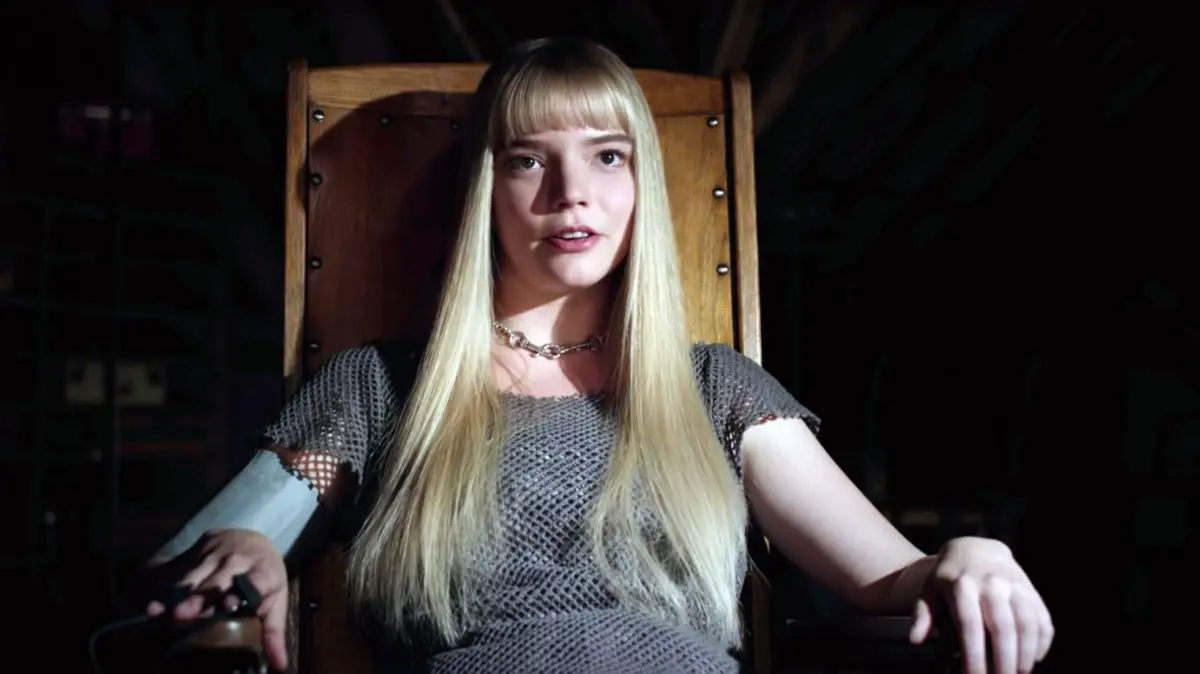
Ten years after its quiet and harrowing theatrical arrival, Robert Eggers’ The Witch (stylized as The VVitch: A New-England Folktale) remains a monumental touchstone in modern horror. Released in 2015, the A24 production served as a critical calling card, upending conventional genre tropes and introducing the world to two generational talents: director Robert Eggers, whose uncompromising commitment to historical authenticity would reshape auteur-driven cinema, and Anya Taylor-Joy, whose breakout performance as Thomasin redefined the archetype of the cinematic "final girl."
Set against the claustrophobic backdrop of 1630s New England, the film chronicles the unraveling of a devout Puritan family cast out from their religious community. As isolation, paranoia, and the creeping dread of the untamed wilderness take root, the family falls prey to unseen, malevolent forces. Yet, beyond its atmospheric dread and period-accurate archaic dialogue, The Witch endures because of its subversive thematic core. Unlike traditional horror narratives where heroines survive by combating evil through grit and martial prowess, Taylor-Joy’s Thomasin survives—and ultimately transcends her trauma—by surrendering to it.
As the film prepares to leave Netflix on October 1, a retrospective look reveals how this low-budget historical indie catalyzed a folk horror renaissance, forged enduring creative partnerships, and forever altered the trajectory of psychological and supernatural cinema.

Detailed Chronology: From Indie Experiment to Modern Classic
The Genesis of Authenticity (Pre-2015)
Before The Witch became an A24 darling, it was an arduous labor of love for first-time feature director Robert Eggers and producer Jay Van Hoy. Obsessed with the folklore, superstitions, and daily realities of early American settlers, Eggers conducted exhaustive historical research. He pored over primary source documents, journals, witchcraft trial records, and theological texts from the 17th century to ensure that the vernacular, societal pressures, and spiritual anxieties of the period were rendered with absolute fidelity.
Casting proved to be the ultimate hurdle. The production required an unknown young actress capable of holding her own against seasoned British character actors while conveying complex, subterranean emotional turmoil. Enter Anya Taylor-Joy, then a teenager with limited screen experience, whose distinct ethereal presence and expressive eyes immediately captivated Eggers. Paired with veterans Ralph Ineson (William) and Kate Dickie (Katherine), the cast was thrust into a grueling, rain-swept physical shoot in the remote Canadian wilderness, a setting that mirrored the profound isolation of their fictional counterparts.
The Sundance Breakthrough and Theatrical Run (2015–2016)
The Witch held its world premiere at the 2015 Sundance Film Festival, where it sent immediate shockwaves through the industry. Eggers walked away with the prestigious directing award in the U.S. Dramatic category, sparking a fierce bidding war. A24 ultimately acquired the distribution rights, recognizing the film’s potential to transcend niche horror demographics and appeal to high-art cinephiles.

Upon its wide release in early 2016, the film polarized general audiences—some of whom expected cheap jump scares rather than a slow-burn psychological tragedy—while receiving near-universal acclaim from critics. It grossed over $40 million worldwide against a modest $4 million budget, cementing A24’s reputation as a powerhouse studio for elevated horror and establishing Eggers as a visionary filmmaker unafraid of challenging contemporary palates.
Supporting Context & Metrics: The Anatomy of a Cultural Shift
Reimagining the Final Girl
In the lexicon of horror cinema, the "final girl" is a time-tested trope. From Laurie Strode in Halloween to Sidney Prescott in Scream, the archetypal survivor endures by fighting back, utilizing intelligence, physical resistance, and moral righteousness to vanquish the monster.
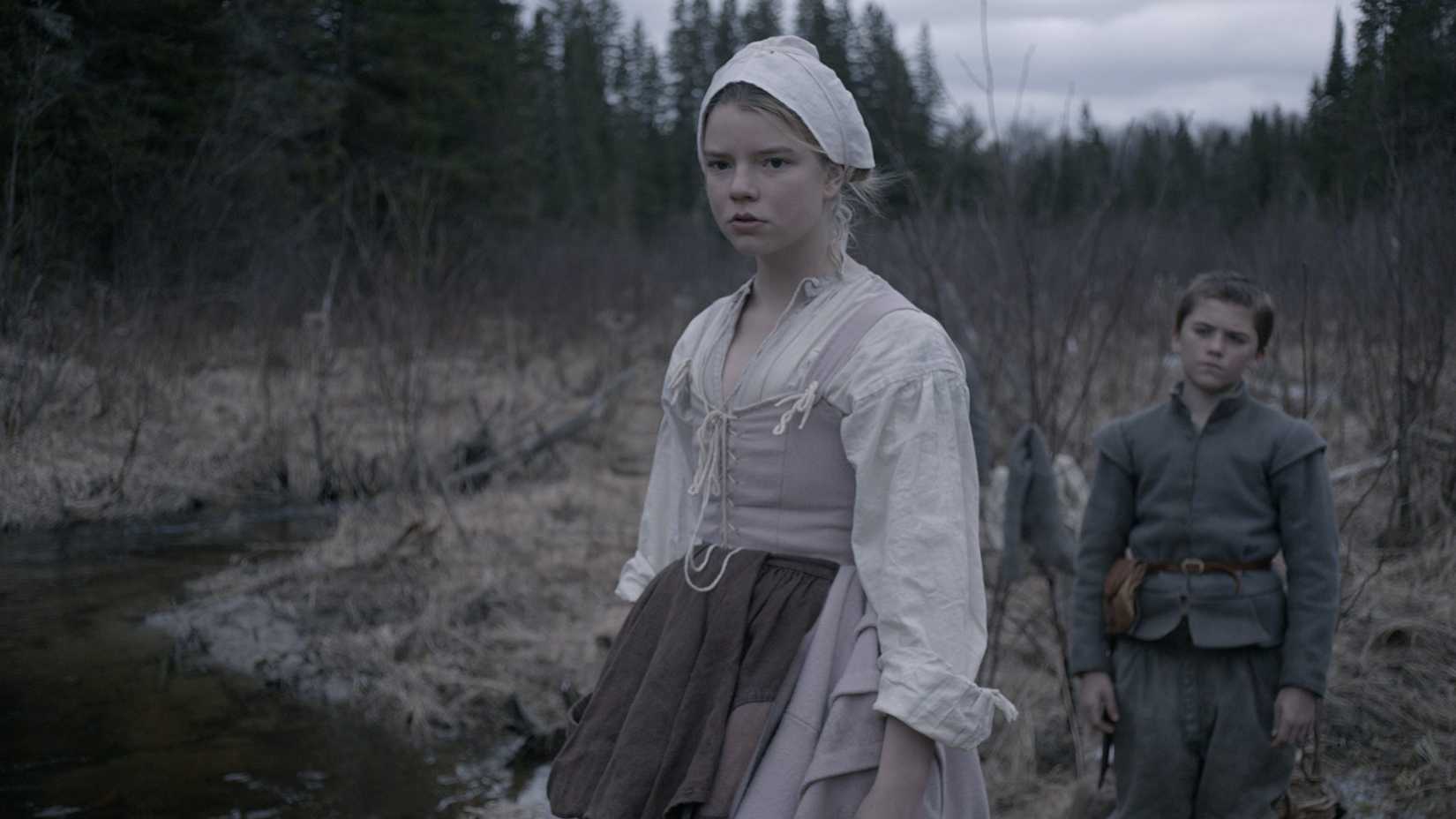
The Witch systematically dismantles this paradigm. Thomasin is not a beacon of modern empowerment; she is a teenage girl trapped inside the suffocating patriarchy of a fanatical Puritan household. Burdened by impossible domestic expectations, blamed for the sins of her parents, and subjected to the silent terror of a hyper-religious society that views female autonomy and developing sexuality as inherently demonic, Thomasin has no allies.
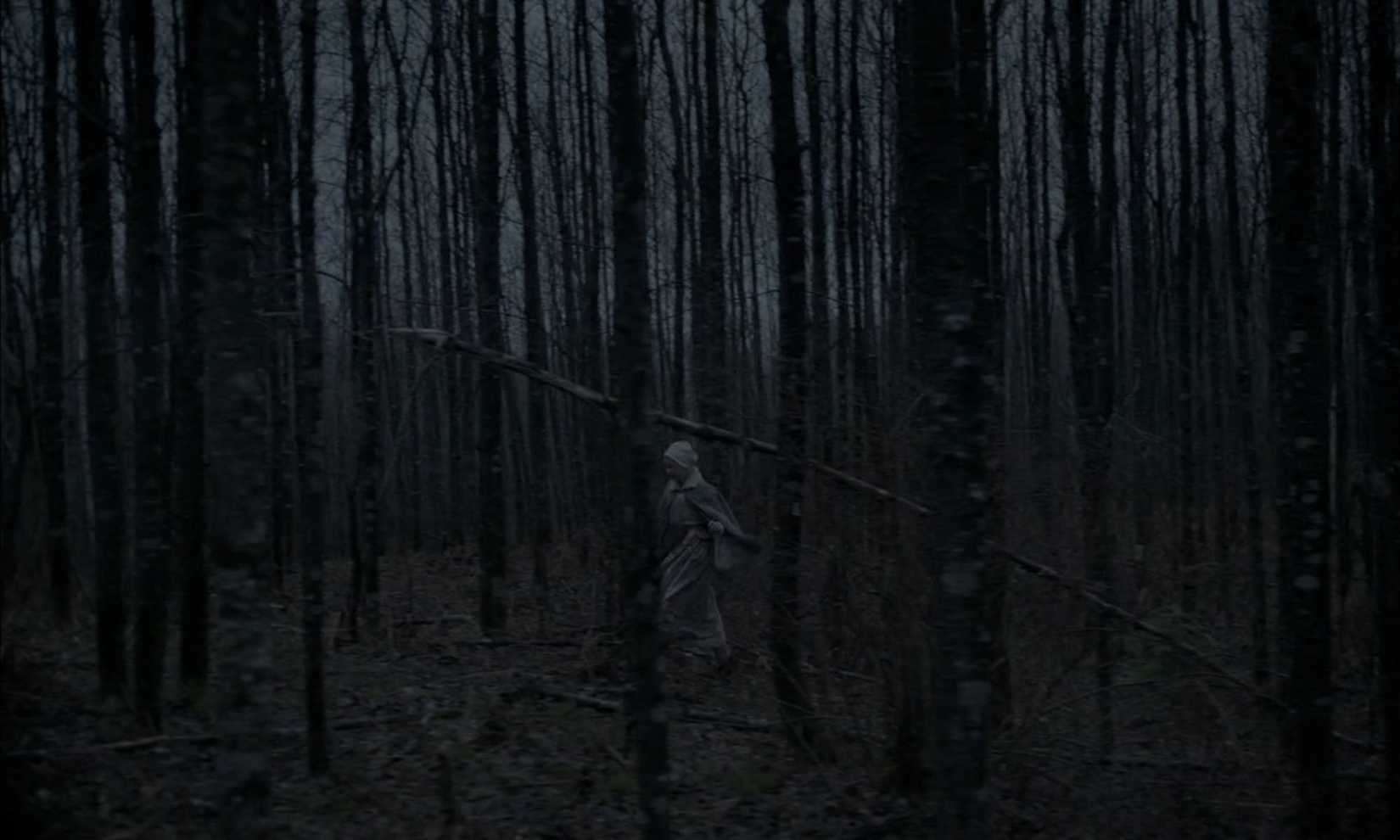
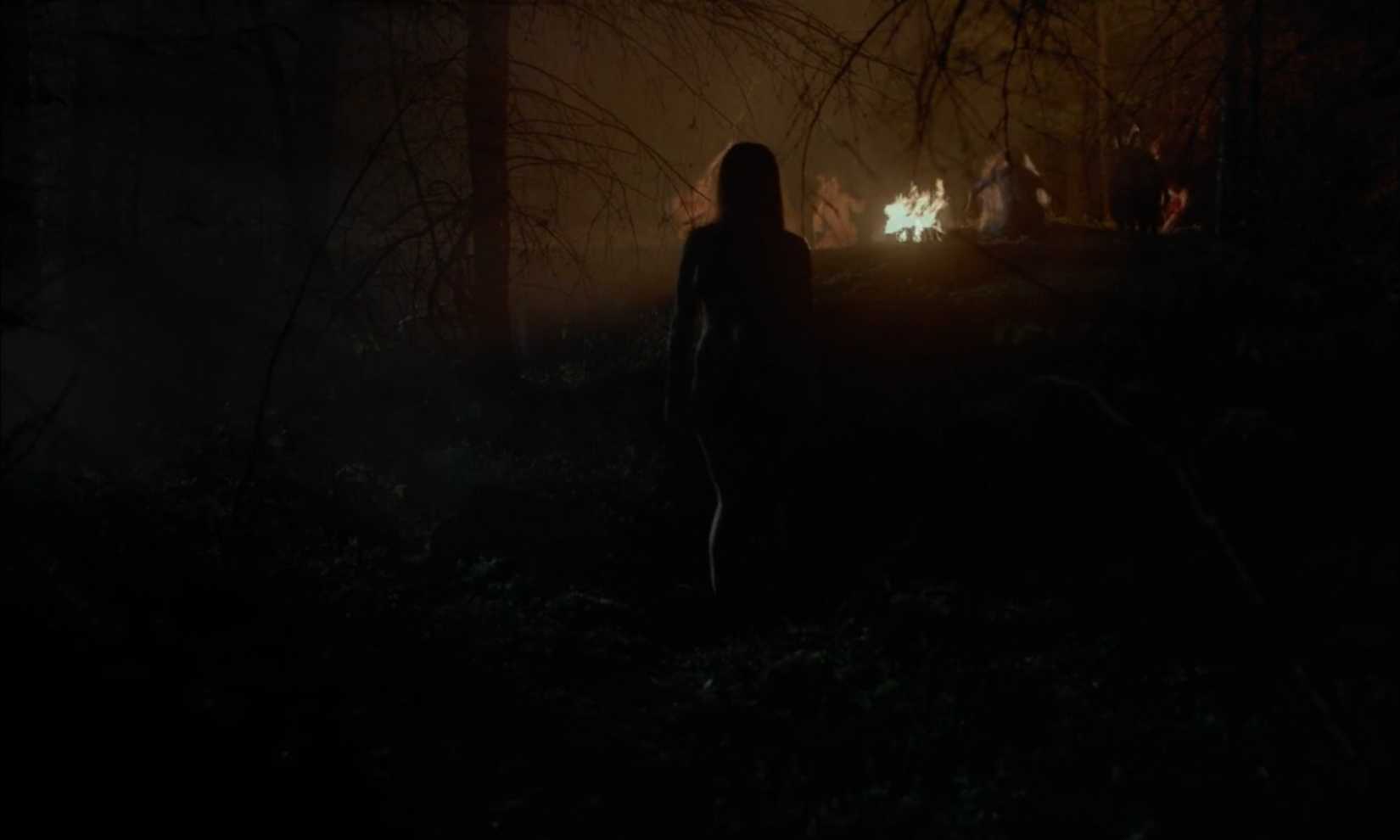
When the demonic goat Black Phillip poses his famous, seductive question—"Wouldst thou like to live deliciously?"—it does not sound like a threat. It sounds like the only viable alternative to a life of endless servitude, starvation, and persecution. Thomasin’s choice to sign the devil’s book, shed her garments, and float into the night sky with a coven of witches is not a defeat. It is a radical, subversive act of liberation. She does not defeat the monster; she becomes free by embracing it.
The Eggers-Taylor-Joy Synergy and Subsequent Legacies
The impact of The Witch on its principal creators cannot be overstated. For Anya Taylor-Joy, the film opened Hollywood’s doors wide. Over the ensuing decade, she transformed into one of the most bankable and versatile stars of her generation. Her credits range from blockbuster franchises like Mad Max: Fury Road (via Furiosa) and The Super Mario Bros. Movie to critically acclaimed television triumphs like Netflix’s The Queen’s Gambit—which earned her a Golden Globe Award—and prestige streaming ventures such as Apple TV+’s Lucky. Furthermore, her journey continues to intersect with high-profile sci-fi epics like Denis Villeneuve’s Dune: Part Three.
Meanwhile, Robert Eggers carved out a distinct niche as cinema’s premier historical purist. Each subsequent project has expanded his uncompromising vision:
- The Northman (2022): A brutal, mythologically accurate Viking epic that reunited Eggers with Taylor-Joy.
- Nosferatu (Recent/Ongoing Canon): A chilling reimagining of the classic vampire myth that strips away the romanticized anti-hero tropes popular in modern pop culture, returning the vampire to its roots as a grotesque, parasitic force of nature.
- Werwulf (Upcoming): Eggers’ upcoming December 25 theatrical release, starring Aaron Taylor-Johnson as a cursed man in 13th-century England, promises to dissect medieval lycanthropy with the same anthropological rigor.
Official Statements and Critical Reception
Industry analysts and horror historians have continually reassessed The Witch over the past ten years, elevating its status from a praised indie release to a foundational text of modern horror.
Reflecting on the film’s enduring legacy, retrospective film critics have frequently highlighted its unique tonal discipline. Unlike contemporary horror films that rely on bombastic musical cues, The Witch utilizes Mark Korven’s discordant, screeching score and Jarin Blaschke’s naturalistic, candle-lit cinematography to induce a state of visceral, creeping discomfort.
Robert Eggers himself has frequently spoken about the meticulous nature of the production, noting in past interviews that every prop, linguistic cadence, and architectural detail was derived from period-accurate sources to ensure that the supernatural elements felt terrifyingly real to a 17th-century mindset. "If you lived in 1630 New England," Eggers has observed, "the devil was not a metaphor. He was standing right outside your door in the woods."
Future Outlook: The Enduring Shadow of Black Phillip
As The Witch prepares to cycle off Netflix on October 1, its absence from major streaming subscription libraries serves as a reminder of the shifting sands of digital distribution. Yet, its cultural footprint remains indelible.
The film single-handedly revitalized interest in historical folk horror, paving the way for atmospheric successors like Ari Aster’s Midsommar and David Robert Mitchell’s upcoming works. It proved that audiences are hungry for intelligent, textually rich horror that trusts viewers to grapple with moral ambiguity, religious trauma, and psychological decay.
Ten years removed from its Sundance debut, The Witch stands tall not merely as a stepping stone for an A-list actress and an idiosyncratic auteur, but as a timeless cinematic nightmare. For those willing to step past the treeline into the dark, unmapped woods of New England, Thomasin’s fateful choice remains as intoxicating, haunting, and deliciously transgressive as it was a decade ago.