Bandai Namco and Project Aces have returned with what is arguably the crowning achievement of modern arcade flight combat: Ace Combat 8: Wings of Theve. Launching on October 1, 2026, with an expected price point of $80 / £55, this latest entry blends high-octane aerial maneuvers with a deeply theatrical, anime-inspired melodrama that soars well past the high-water marks set by its predecessors.
Reviewed on a rig packed with a Radeon RX 6600, a Ryzen 7 7700X, and 32GB of DDR4 RAM, the game delivers an astonishingly visceral experience. It captures not just the visual spectacle of jet combat, but the visceral, physical weight of pushing an F-18C through bone-crushing G-forces while enemy bandits lock onto your six o’clock. For aviation enthusiasts, long-time franchise veterans, and newcomers alike, Wings of Theve is a masterclass in pacing, mechanical evolution, and cinematic storytelling.
Detailed Chronology: Campaign Flow, Dogfights, and Unforgettable Set-Pieces
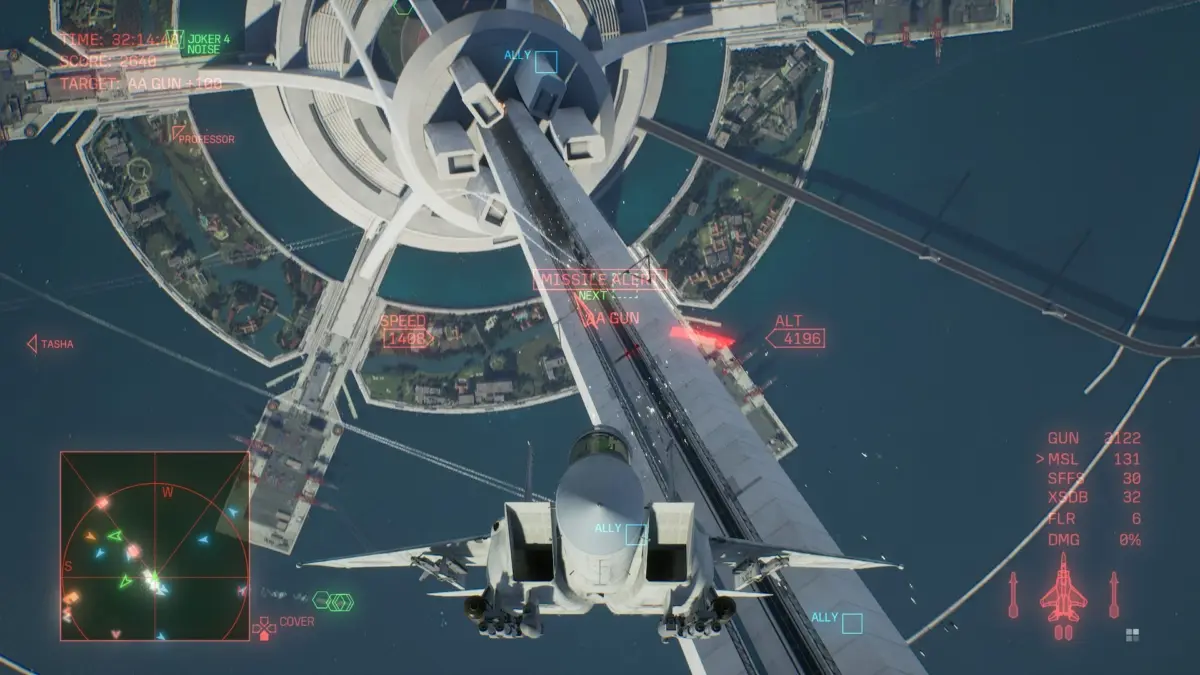
The campaign wastes no time thrusting players into the theatre of war. From the opening missions, the overarching narrative is told through desperate, shifting frontlines where your actions directly dictate the ebb and flow of massive military engagements. Diving from the clouds to unleash a punishing salvo of rockets on an advancing enemy tank column triggers ecstatic cheers from beleaguered ground allies, establishing an immediate sense of mechanical and narrative consequence.
The Dynamics of Combat and Weather
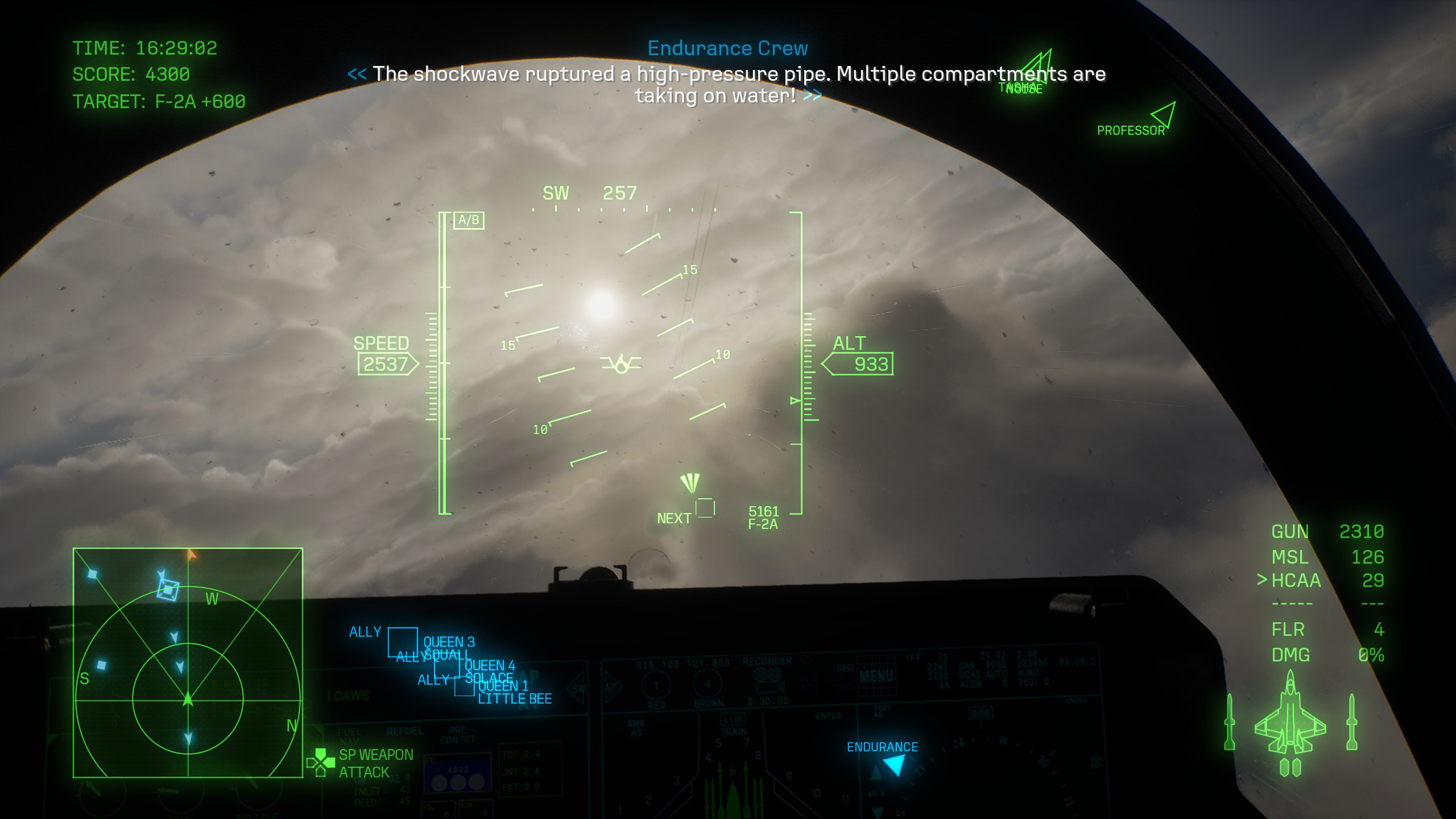
What truly sets Wings of Theve apart from Ace Combat 6 and 7 is its rejection of the repetitive "High-G Turn spam" that once defined close-quarters combat. Instead, Project Aces has engineered a dynamic, high-stakes dogfighting ecosystem anchored by a brilliant weather engine.
- Stratospheric Turbulence: Clouds behave like physical architectures, towering over the battlefield like concrete skyscrapers.
- Tactical Cover: While lunging into dense cloud cover provides an instantaneous reprieve from relentless missile barrages, it comes at a steep price: complete sensory disorientation, blinding ice buildup, and severe turbulence.
- Cat-and-Mouse Pursuits: Enemy aces actively utilize these meteorological hazards to ambush players. Pushing the throttle to Mach 3 in a blind, nose-down drag race while reading contrails like the racing lines of a tarmac track elevates the gameplay loop into a white-knuckle test of reflexes.
The Shadow Squadron and Immersion
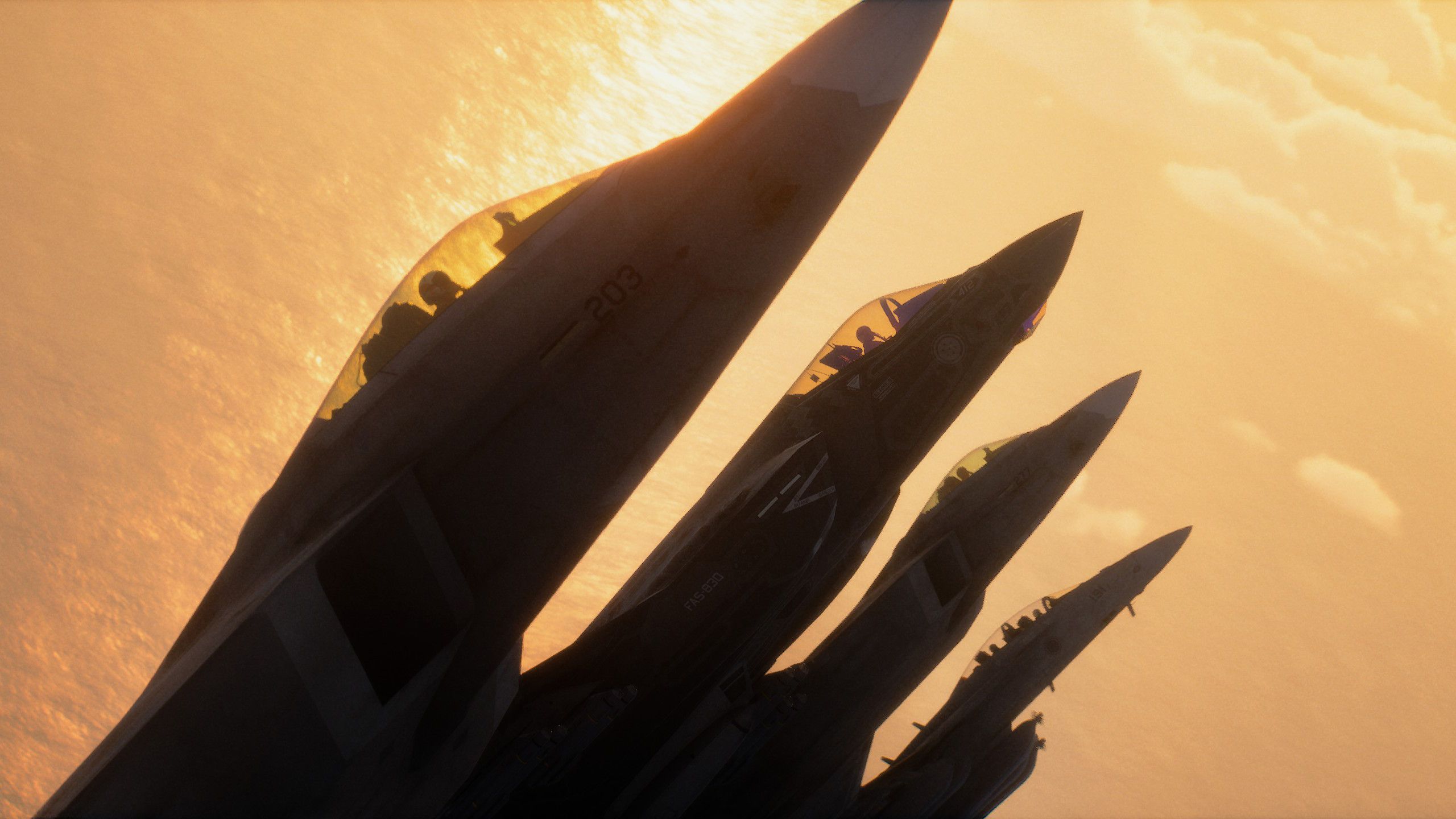
Opposing the player is the Republic of Sotoa’s elite fighter squadron, "The Shadows." While visually unified by a striking black-and-gold livery rather than distinct individual player skins, they possess a rich tapestry of character through localized combat chatter. Picking apart their formation unleashes reactive, emotional dialogue—ranging from the frantic, grief-stricken cries of a student who has just outlived her mentor, to the stoic, weary acceptance of a veteran flying his final mission.
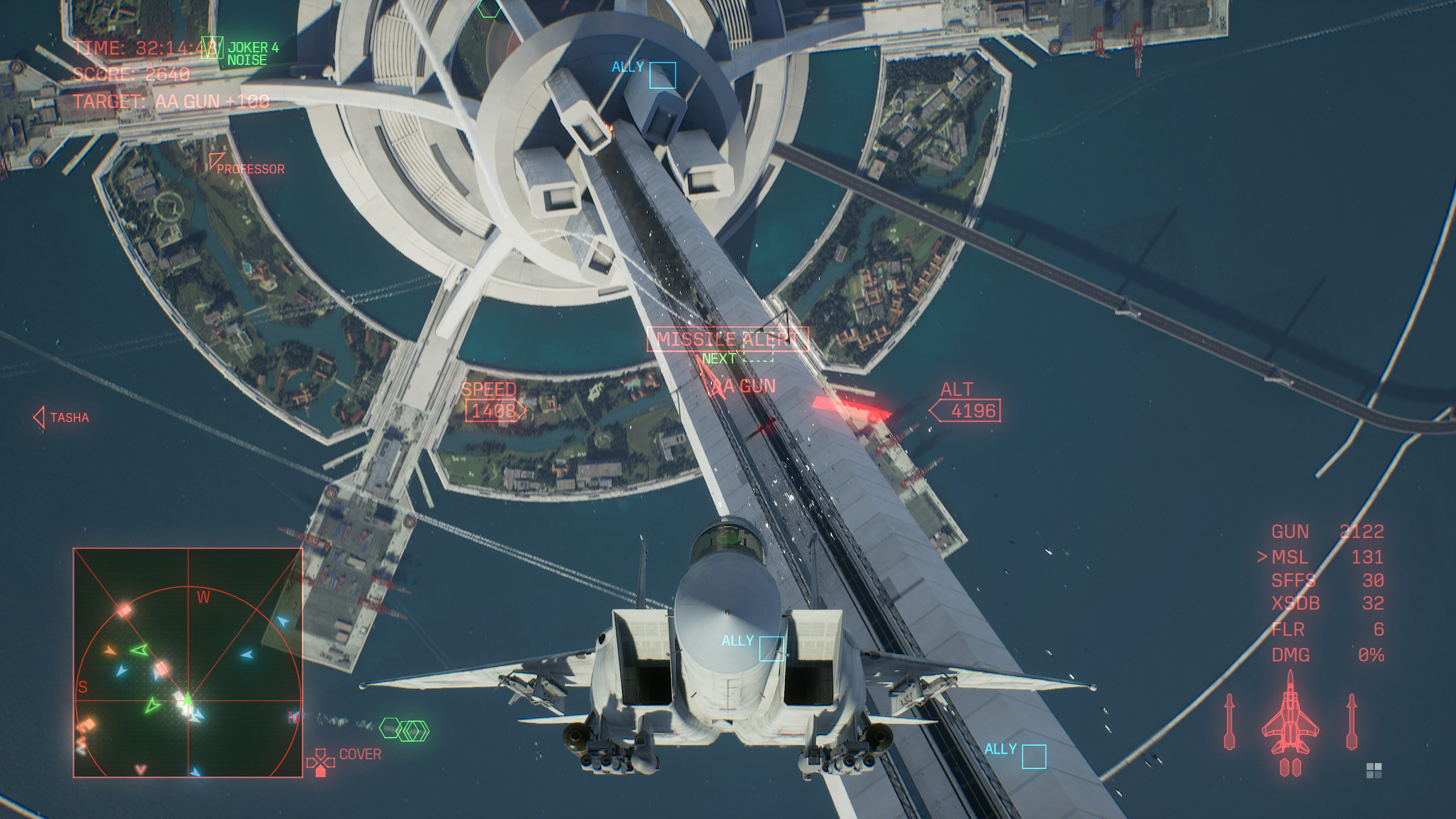
Quality-of-life additions further streamline the experience. Rather than forcing players to constantly decipher a cluttered radar screen, intelligence officers actively announce the make, model, and heading of incoming enemy reinforcements, allowing for pre-emptive strikes on local airfields and highways via rocket salvos or wingman commands.
Supporting Context & Metrics: Worldbuilding and Technical Performance
A Shift in Narrative Depth
Historically, the franchise’s worldbuilding occasionally leaned heavily on dated geopolitical tropes. Fortunately, Wings of Theve bypasses the clunky "War on Terror" parallels found in its prequel miniseries, Hour Zero.
Instead, the primary antagonist, the Republic of Sotoa, is framed as a desperate technocratic khanate. Fleeing the rapid, catastrophic desertification of their homeland caused by the rampant industrialization of neighboring superpowers, Sotoa seeks colonial expansion westward. Their invasion force is spearheaded by two terrifying technological marvels:
- Supermassive Land Battleships: Colossal amphibious war machines capable of blanketing skies in continuous railgun fire from hundreds of kilometers away.
- Kinetic Bombardment Satellites: An omnipresent orbital threat that casts a literal and figurative shadow over the entire campaign.
Superweapon Spectacle
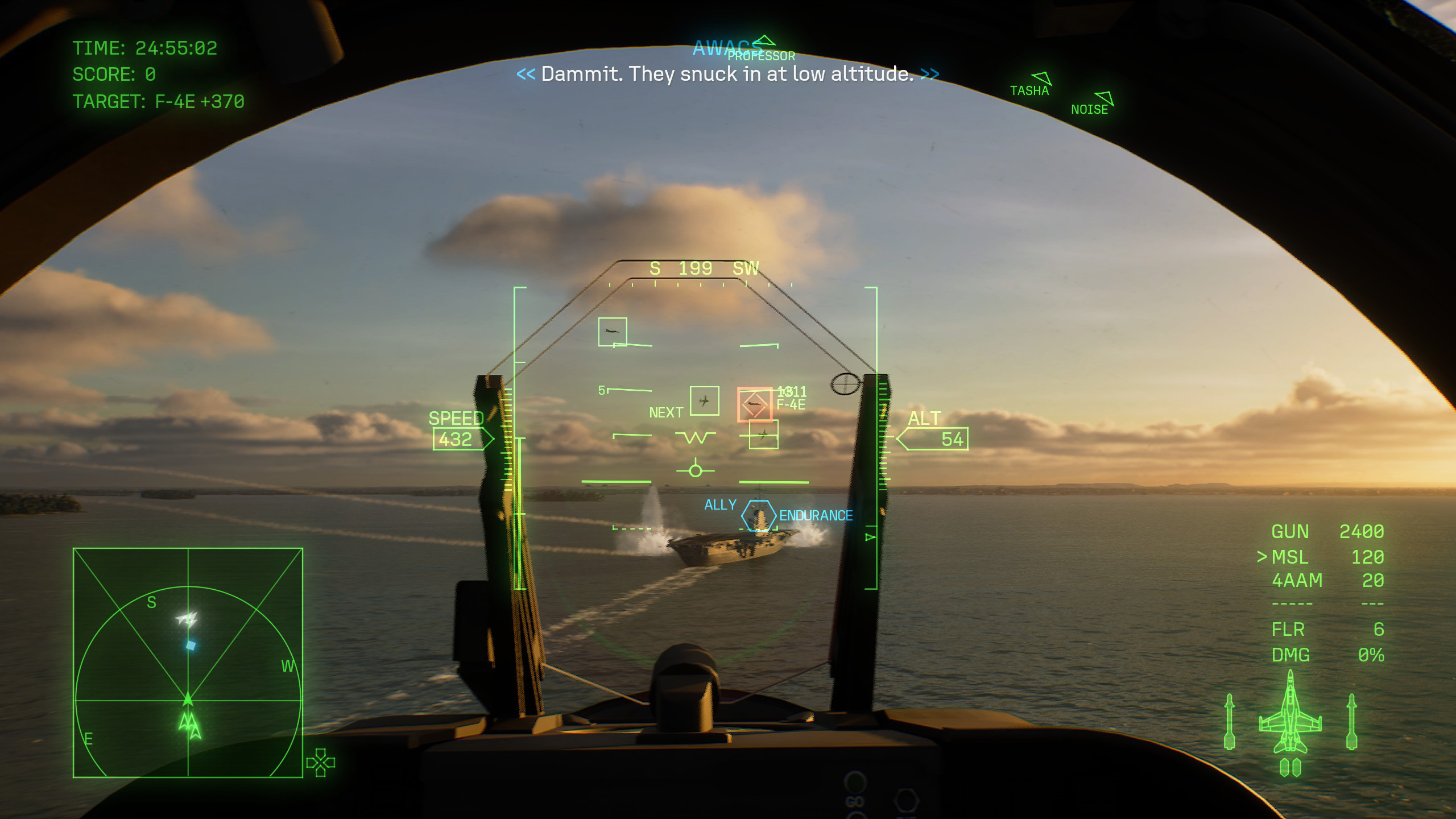
The campaign’s set-pieces are nothing short of legendary. An early D-Day-style beachhead invasion is shattered mid-operation by a land battleship firing across provincial borders, turning the midnight sky into a blazing sunrise of tungsten and fire. Later encounters pit the player against massive "Podarge" aerial transport crafts flying tight WWII-style bomber formations, laying down impenetrable walls of flak while shrouded by radar-jamming escorts.
Performance and Hardware Metrics
Running on mid-to-high-tier PC architecture (Radeon RX 6600, Ryzen 7 7700X, 32GB RAM), Wings of Theve maintains a remarkably stable performance profile at 1440p.
- Framerate: The game stays locked near 60+ FPS, only dipping slightly during ultra-dense cinematic cutscenes or when the screen is completely engulfed by gargantuan pyrotechnic explosions.
- Minor Hardware Quirks: The absence of a native Field of View (FOV) slider occasionally makes the cockpit view feel restricted—like looking through a narrow funnel. Furthermore, minor input ghosting on flight sticks was observed exclusively following sharp framerate drops, though these instances were exceedingly rare across multiple playthroughs.
Official Statements and Feature Breakdowns: Multiplayer and Audio Integration
The Return of Multiplayer
For veterans of the franchise’s darker live-service era, Ace Combat 8 introduces a modern, refined reimagining of the sixth-generation gacha-style relic, Ace Combat Infinity. Launching with both robust PvP dogfighting and PvE co-op missions, the mode brings back legendary raid bosses like the Chandelier railgun and the Alicorn submarine carriers. While single-player alone justifies the purchase, the promise of modernized cooperative operations will undoubtedly thrill series veterans who spent years grinding out legacy aircraft before Infinity shuttered its servers.
An Orchestral Masterpiece
The intersection of music, narrative, and sound design is where Wings of Theve achieves true greatness. The Sotoan hunting song serves as a pervasive leitmotif; every time a Shadow ace is shot down, a single voice is systematically removed from the enemy choir.
Player allies actively counter these chants by broadcasting their own rock anthems on open comms. This results in breathtaking, genre-blending audio layering: orchestral combat scores crashing against Tragically Hip-esque rock choruses and monastic tribal chanting. Coupled with Mark Bodie’s haunting, exhaustion-laden performance as the deceased ace Jane Rex Cope—whose ghost lingers with profound Shinto-inspired poetic weight—the auditory presentation is nothing short of transcendent.
Future Outlook: A New Standard for the Franchise
As the campaign builds toward its grueling, two-hour Macross-esque anime climax, Ace Combat 8: Wings of Theve solidifies its place not just as the definitive entry in the franchise, but as a watershed moment for the arcade flight genre as a whole.
By marrying high-stakes mechanical innovations—such as reactive weather engines and air-to-ground viability—with deeply human storytelling and an unforgettable score, Project Aces has raised the bar infinitely high. For anyone with a love for aviation, tactical aerial combat, or sweeping dramatic narratives, Wings of Theve isn’t just recommended viewing; it is an absolute must-play masterpiece.