Executive Overview
With the official release of the highly anticipated iPhone Duo now less than a month away, consumer curiosity has reached a fever pitch. Apple’s first foray into the foldable smartphone market represents a massive paradigm shift in mobile engineering, promising to redefine how users interact with portable displays. However, as pre-order hype builds, a significant demographic of prospective buyers is facing a persistent, yet often overlooked, technological hurdle: ergonomics for left-handed users.
The iPhone Duo’s hardware design leans heavily toward right-handed operation. From the placement of the hinge to the positioning of critical user interface (UI) elements on the outer display, the device assumes a traditional book-like opening mechanism that naturally favors right-handed interaction. For the approximately 10% of the global population that is left-handed—as well as right-handed users who habitually cradle their devices in their left hands to keep their dominant hand free—this design philosophy raises critical questions regarding comfort, reachability, and long-term usability.
Recently, a firsthand look at left-handed operation emerged on social media, courtesy of tech reviewer Tom Hitchins. While the initial footage provides a glimmer of hope—suggesting the device "works well enough" despite asymmetrical UI constraints—it also highlights potential friction points. This deep-dive investigative report examines the hardware layout of the iPhone Duo, analyzes early left-handed usability tests, explores the software accessibility implications, and offers a comprehensive guide for prospective buyers trying to determine if Apple’s newest form factor will suit their daily workflow.
Detailed Chronology: The Road to the iPhone Duo and the Ergonomic Debate
To understand why left-handed ergonomics have become a focal point of the iPhone Duo’s launch cycle, it is necessary to retrace the timeline of Apple’s foldable development and the subsequent public discourse.
- Late 2024 to 2025 – Rumors and Prototyping: Speculation regarding an Apple foldable device intensified as supply chain analysts reported secured patents for flexible OLED panels and specialized hinge mechanisms. Early concept designs universally assumed a book-style folding mechanism, mirroring competitors like Samsung and Google, but little thought was publicly given to asymmetrical software adaptation.
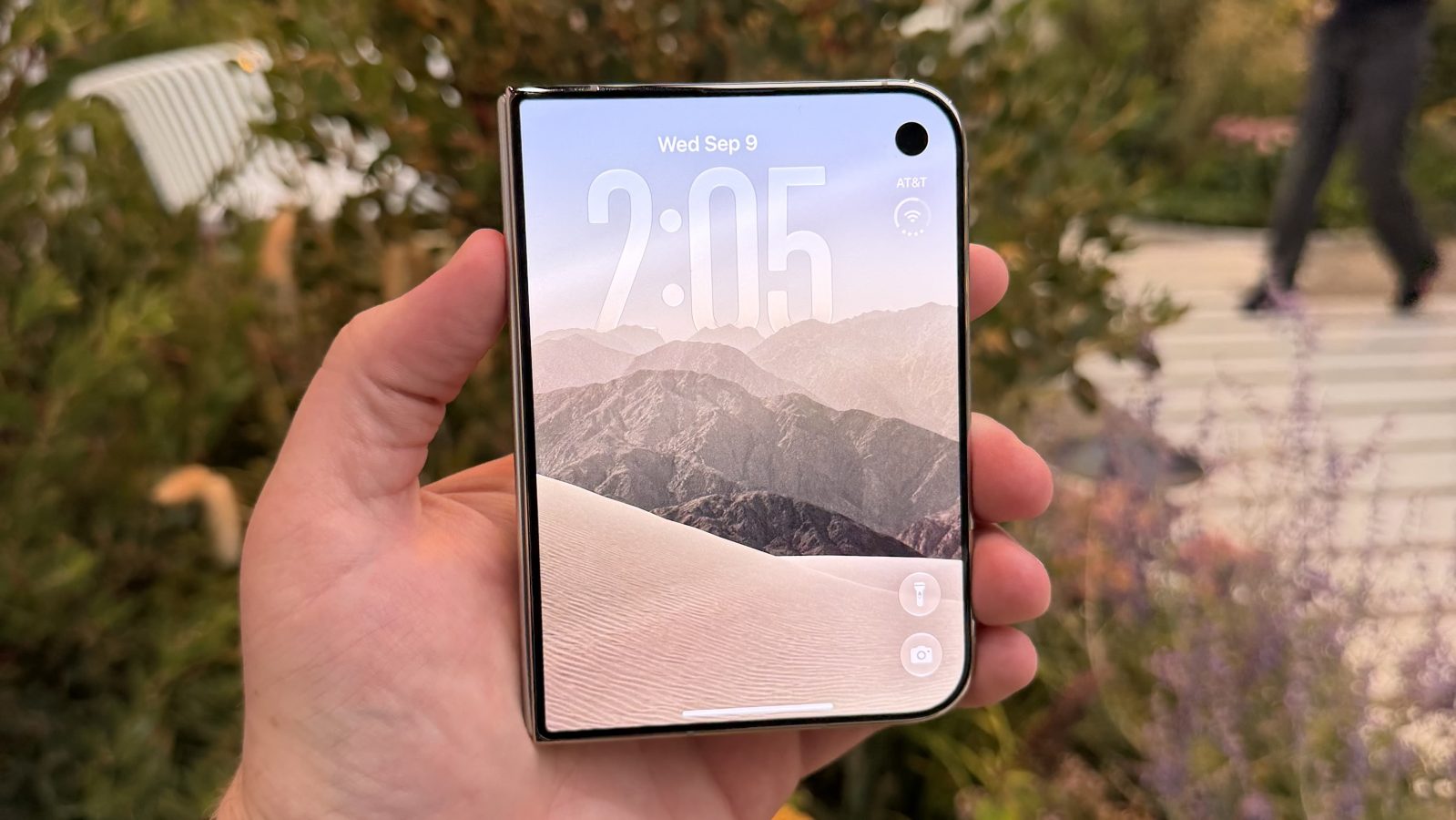
- Early 2026 – Form Factor Standardization: As leaks solidified around the "iPhone Duo" moniker, structural diagrams revealed an asymmetrical outer chassis. The left edge of the device houses the spine and hinge assembly, maintaining a rigid, straight profile, while the right edge incorporates curved corners to facilitate opening.
- September 2026 – Apple Confirms Release Date: Apple officially announced the iPhone Duo release date for October, triggering an avalanche of accessory announcements, spec sheets, and initial hands-on previews for media outlets.
- Mid-September 2026 – The Left-Handed Usability Gap Identified: As journalists and reviewers spent time with the hardware, consumer advocacy groups and left-handed tech enthusiasts pointed out a glaring omission in early software walk-throughs: the permanent placement of the system dock on the right side of the primary display.
- Late September 2026 – First Left-Handed Field Test: Tech creator Tom Hitchins (@bytereview) published the first video demonstration specifically testing the iPhone Duo from a left-handed perspective on Instagram, sparking widespread debate across tech forums and social media platforms.
Supporting Context & Metrics: Analyzing the Hardware and Software Asymmetry
The physical architecture of the iPhone Duo dictates how the human hand interacts with the device. Unlike traditional slate smartphones, which feature symmetrical bezels and uniform left-and-right weight distribution, foldables introduce mechanical divides that change the physics of one-handed use.
The Asymmetrical Chassis Design
When closed, the iPhone Duo presents two distinct lateral profiles:
- The Left Flank: Composed entirely of the spine and mechanical hinge assembly. This edge is completely flat, lacking the ergonomic contouring traditionally found on standard iPhone models.
- The Right Flank: Features rounded, curved corners designed to offer tactile feedback and comfort when a user slips their thumb or fingers under the display to pry the device open.
For a right-handed user, the right edge rests naturally against the palm or provides easy access for the right thumb to grip and open the device. For a left-handed user, however, the rigid, unyielding spine rests against the sensitive palm area, while the opening mechanism requires the user to reach across the display or use their right hand to assist in unfolding.
The UI Conundrum: The Dock and Reachability
Beyond physical grip, software layout plays a monumental role in daily smartphone ergonomics. On the iPhone Duo’s outer screen, Apple’s default dock—housing primary application shortcuts—is anchored permanently to the right-hand side.
- The Reachability Deficit: When operating the device with the left hand, stretching the thumb from the far-left edge all the way across the display to tap an app icon in the right-aligned dock requires an unnatural hyper-extension of the thumb joint.
- The Accessibility Question: Apple has built a stellar reputation for inclusive design, featuring robust accessibility settings such as "Reachability" (which pulls the top of the screen down) and various AssistiveTouch options. However, as of the pre-launch phase, Apple has not confirmed whether a dedicated software toggle will allow left-handed users to mirror the dock and primary interface elements to the left side of the screen.
The Hybrid User Phenomenon
Ergonomic studies consistently show that smartphone handling habits do not always align neatly with biological handedness. A surprisingly high percentage of naturally right-handed individuals—estimated by informal surveys to be upwards of 35%—habitually operate their smartphones using their left hand. This behavior allows them to keep their dominant hand free for writing, holding coffee cups, navigating public transit rails, or working on secondary tasks.
Consequently, the iPhone Duo’s right-biased design creates a double-edged sword: it presents potential friction not only for true left-handed users but also for a massive cohort of right-handed minimalists who rely on left-handed one-handed operation.

Official Statements and Hands-On Evidence: What the Tests Show
With direct access to pre-production hardware tightly controlled by Apple, public insights into left-handed operation rely heavily on the pioneering work of independent content creators.
The primary piece of empirical evidence currently circulating is the aforementioned Instagram video by Tom Hitchins (@bytereview). In the widely discussed reel, Hitchins deliberately operates the iPhone Duo using his left hand to evaluate how the hardware handles the physical strain of single-handed navigation.
Breaking Down the Video Evidence
- Initial Impressions: Upon first glance, Hitchins appears slightly constrained while handling the device. The reach from the outer left boundary to the right-aligned dock requires a deliberate, sweeping thumb motion.
- The Creator’s Clarification: In the comments section of the post, Hitchins clarified that his slight awkwardness on camera was largely due to his own natural right-handedness. He performed the left-handed test specifically to model the experience for the sinistral community.
- The Verdict: Despite the ergonomic mismatch, the video concludes that the iPhone Duo "works well enough." The device’s touch sensitivity registers inputs accurately, and standard thumb spans are capable of bridging the gap to the right-aligned dock, provided the user has average-to-large hand dimensions.
Industry and Community Reception
Reactions within the tech community have been mixed. While power users on platforms like Reddit and X (formerly Twitter) have expressed frustration over Apple’s failure to include an immediate software-mirroring toggle for the dock, hardware enthusiasts argue that foldables inherently demand a two-handed workflow.
"Foldable phones are fundamentally transitional devices," notes one leading mobile UX analyst. "While slate phones can be mastered entirely with one hand, a foldable device—especially one as ambitious as the iPhone Duo—invites a hybrid interaction model where the left hand cradles and the right hand navigates, or vice versa."
Future Outlook: What Buyers Should Do Before October
As the October release date rapidly approaches, prospective buyers—particularly left-handed consumers and left-hand-dominant multitaskers—must weigh their enthusiasm for Apple’s latest engineering marvel against practical usability concerns.

Actionable Advice for Prospective Buyers
- Do Not Pre-Order Blindly: If you are strictly left-handed and rely heavily on single-handed navigation, purchasing the iPhone Duo without a physical test run carries a tangible risk of ergonomic fatigue.
- Utilize Apple Store Demo Units on Day One: When the iPhone Duo hits retail shelves in October, visit a local Apple Store specifically to test the device in your non-dominant hand. Pay close attention to thumb strain when reaching for the right-aligned dock and evaluate how comfortably the hinge rests against your palm.
- Monitor Post-Launch Software Updates: Apple frequently responds to consumer feedback during the initial launch window. Keep a close eye on iOS update logs and developer release notes for any whispers of a "Left-Handed UI Mode" or customizable dock positioning that could alleviate these hardware-induced software hurdles.
- Consider Hybrid Habits: If you are right-handed but use your left hand out of habit, you may find the transition to a right-handed-first device surprisingly seamless, as your muscle memory adapts to the physical cues of the device’s curved right edge.
The iPhone Duo undoubtedly represents the pinnacle of modern mobile design, pushing the boundaries of what a pocket-sized computer can achieve. However, as hardware form factors evolve beyond the traditional slate, manufacturers must continue to refine their software ecosystems to ensure that accessibility and ergonomics are distributed equitably—regardless of which hand a user writes with.
Are you a left-handed user, or do you habitually use your iPhone in your left hand? Does the asymmetrical design of the iPhone Duo cause you concern, or do you plan to pick one up regardless? Let us know your thoughts in the comments below.
Disclaimer: We use income-earning auto affiliate links. For more information, please visit our affiliate disclosure page.