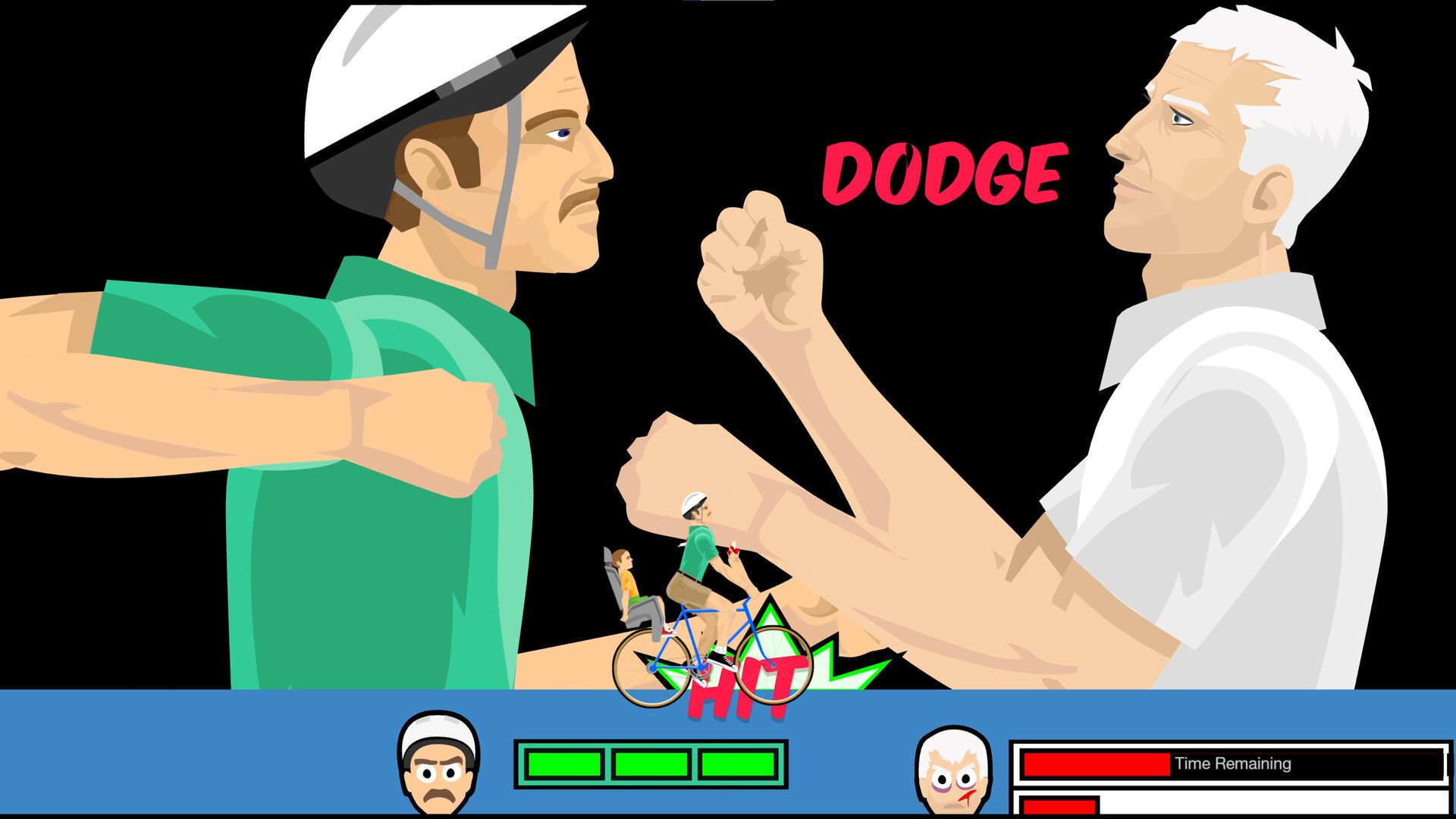
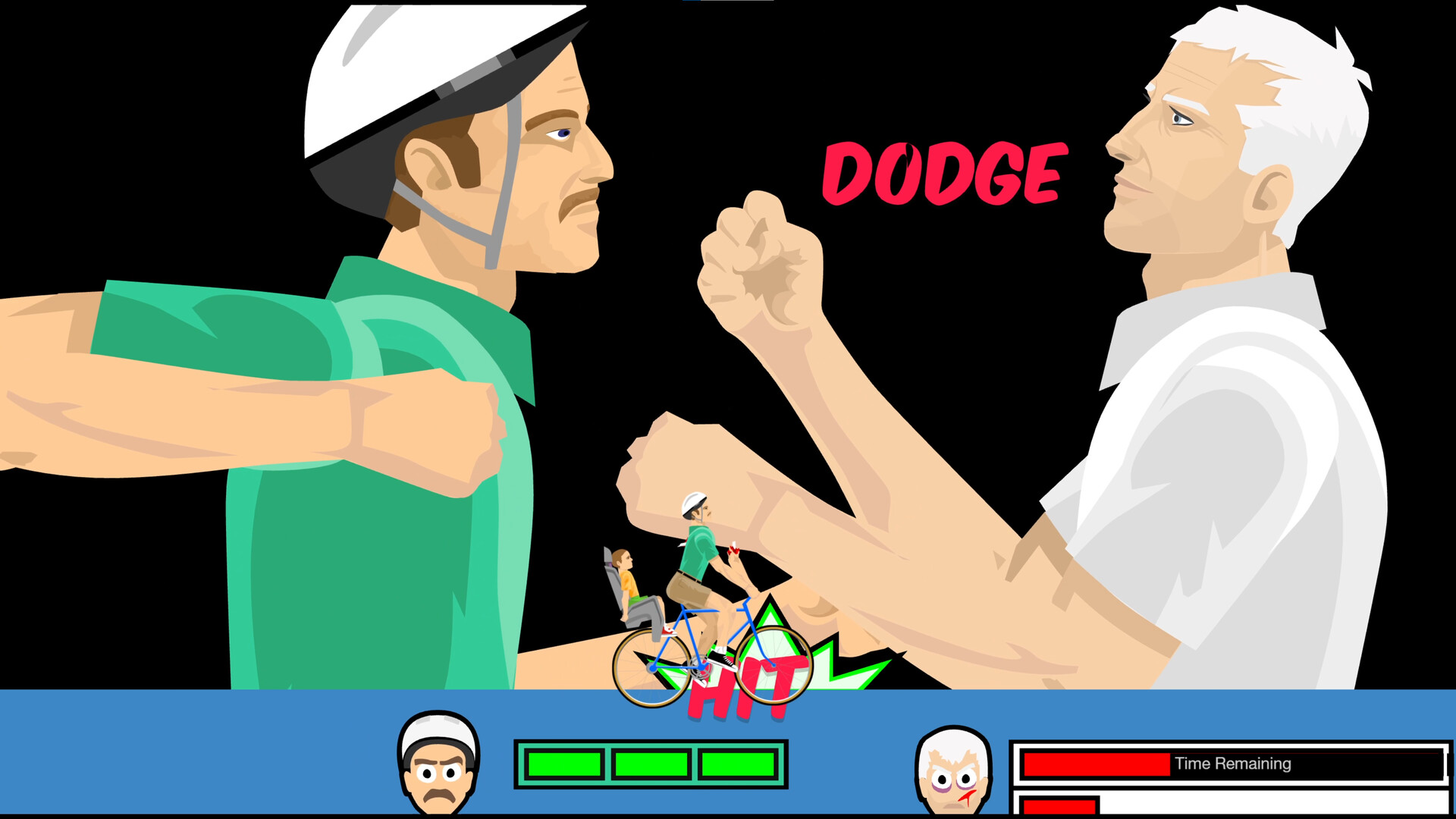
The video game industry is no stranger to unexpected viral sensations, but few modern triumphs match the sheer nostalgic gravity of Happy Wheels. Originally launched 16 years ago as a browser-based monument to chaotic physics and gleefully grotesque slapstick, Jim Bonacci’s magnum opus has officially cemented its enduring cultural footprint. Following its surprise debut on Steam—priced at an accessible $5—the game rocketed past even the most optimistic projections, accumulating a staggering 750,000 wishlists ahead of its release.
For a veteran independent developer operating without industry-backed public relations contacts or massive corporate funding, this milestone represents an extraordinary anomaly. It also signals a broader industry trend: the unyielding, monetizable power of millennial and Gen Z gaming nostalgia, particularly for the artifacts of the golden age of Adobe Flash. As Happy Wheels transitions from browser relics to a polished Steam storefront presence, this report examines the mechanics of its historic launch, the dark shadow of the 2021 Adobe Flash deprecation, and the unprecedented community response that left its creator speechless.
Detailed Chronology: From Browser Phenomenon to Steam Sanctuary
To understand the magnitude of the Happy Wheels Steam launch, one must retrace the harrowing journey of browser-based game development over the past two decades.
The Genesis of a Cult Classic
Launched publicly in 2008 by independent creator Jim Bonacci, Happy Wheels quickly established itself as an outlier in the casual gaming landscape. Eschewing the conventional safety rails of mainstream titles, the game offered players an uncompromisingly brutal, physics-driven obstacle course. Controlling characters ranging from a businessman riding a Segway to a father-son duo on a bicycle, players navigated user-generated levels filled with sawblades, harpoons, mines, and bottomless pits.
The core appeal lay in its unforgiving ragdoll mechanics. Every misstep resulted in hilarious, albeit profoundly gory, dismemberment—a feature that turned Happy Wheels into a staple of early YouTube "Let’s Play" culture, where creators like PewDiePie built massive audiences largely off the back of screaming reactions to Bonacci’s devilish creations.
The Flash Apocalypse and the JavaScript Pivot
For over a decade, Happy Wheels lived primarily on website portals, powered by Adobe Flash. However, the writing was on the wall for the multimedia software standard as security vulnerabilities piled up and modern web standards evolved.
In January 2021, Google Chrome—alongside other major web browsers—pulled the plug on Adobe Flash entirely. The deprecation event wiped out an entire ecosystem of classic web games overnight, threatening to consign a generation of internet culture to the digital ether. Recognizing the impending doom, Bonacci engineered a complete rewrite of the game in JavaScript in 2020. This heroic technical pivot ensured that Happy Wheels could survive outside the confines of Flash, keeping the community alive while laying the groundwork for a more permanent, stable home.
The Steam Arrival
Fast forward to the present day: Bonacci took a monumental leap of faith by bringing Happy Wheels to Steam for a modest $5 price tag. Far from being a quiet, nostalgic footnote, the game triggered an immediate avalanche of consumer interest. Within two weeks of appearing on the storefront, the game’s wishlist counter broke all internal expectations, setting a high-water mark that startled even the game’s veteran creator.
Supporting Context & Metrics: Analyzing the 750,000 Wishlist Phenomenon
To put the Happy Wheels Steam launch into proper economic and industry context, one must analyze the raw metrics reported in the wake of its release window.
The Wishlist Disparity: Independent developers traditionally celebrate hitting 5,000 to 10,000 wishlists prior to launching a paid PC title, as such figures typically correlate with a sustainable launch. Happy Wheels eclipsed those baseline metrics by more than 70 times, accumulating 750,000 wishlists.
The 16-Year Gap: Very few titles maintain active community mindshare across a 16-year operational lifespan without major corporate reboots or cinematic adaptations. Happy Wheels achieved this purely through organic word-of-mouth, historical internet lore, and its foundational status in influencer history.
The Accessibility Factor: By pricing the Steam iteration at a modest $5, Bonacci lowered the barrier to entry to a nominal fee, effectively turning a nostalgic impulse buy into a frictionless transaction for hundreds of thousands of former players.
Industry analysts note that indie titles capitalizing on early-2010s nostalgia are carving out a uniquely resilient market segment. As AAA gaming becomes increasingly homogenized, expensive, and hardware-demanding, millions of players are rediscovering the raw, unpolished, and mechanically immediate joy of games built purely around emergent chaos and player-driven humor.
Official Statements: "I Sit in Terror"
The sheer velocity of the game’s reception was as terrifying as it was exhilarating for its sole creator. Speaking candidly about the milestone, Jim Bonacci reflected on the surreal nature of the launch:
"Moments before this release of Happy Wheels, I sit in terror looking at the 750,000 wishlists statistic," Bonacci admitted.
"I realistically was thinking maybe 5k at best, and then maybe it would gain some momentum as it casually settles into its new environment. After all, the game has been publicly available for 16 years."
As an independent developer who navigated the industry without elite corporate connections or a massive publishing house, Bonacci expressed profound gratitude toward the community that carried his creation across decades of technological upheaval:
"As a 20+ year Steam connoisseur and a game developer with zero contacts in the industry, it’s both shocking and supremely welcoming to get this type of reception in the form of this absurd number 2 weeks after adding it to the store. Thank you so much to those that, for some unfathomable reason, still find Happy Wheels at least somewhat interesting."
Future Outlook: What Next for the King of Ragdoll Carnage?
The successful transition of Happy Wheels to Steam opens up compelling questions regarding the preservation and monetization of classic web gaming relics. With 750,000+ prospective and active players diving into the Steam ecosystem, Bonacci and his support structures face a new set of operational challenges:
Community Content and Level Editors: A massive component of the original Happy Wheels lifecycle was its robust, user-generated level editor. Ensuring seamless integration of these custom-built death traps into Steam Workshop capabilities will be paramount to sustaining long-term player retention.
Modern Quality-of-Life Updates: While players crave the authentic, unadulterated chaos of the original browser levels, transitioning to a dedicated PC application allows for improved frame-rate stability, controller support, and modern anti-cheat measures for community leaderboards.
The Blueprint for Flash Preservation: The triumph of Happy Wheels serves as a case study for other developers whose formative works were casualties of the 2021 Flash extinction event. If titles like Happy Wheels can command three-quarters of a million wishlists after a decade and a half, other classic browser developers may find viable commercial pathways on Steam and console marketplaces.
Ultimately, Happy Wheels has proven that true cult classics never truly die—they merely migrate. For the legions of players who spent their middle-school computer labs launching unfortunate cyclists into buzzsaw blades, the $5 Steam release is not just a game purchase; it is a welcome ticket back to a simpler, bloodier era of the internet.