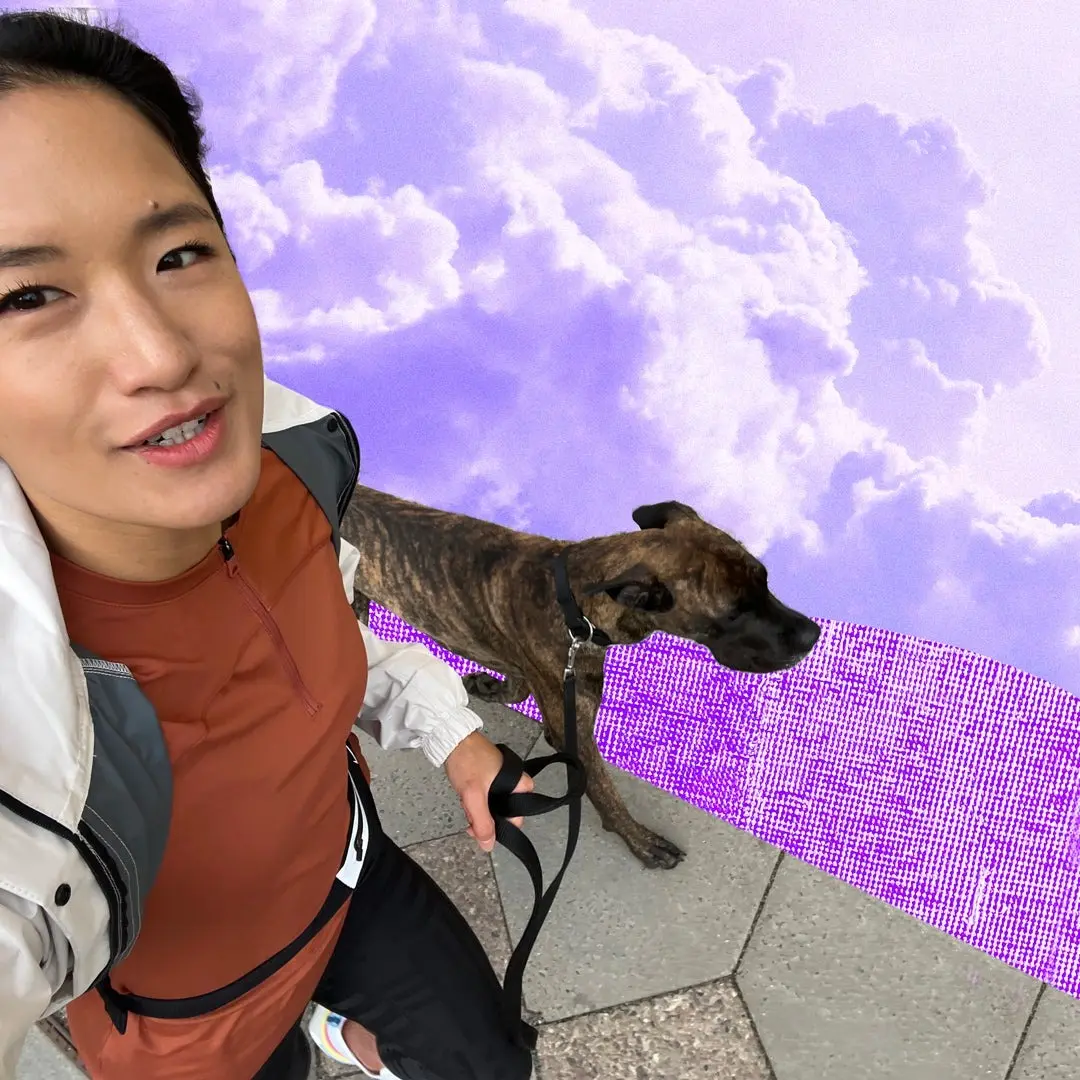
BERLIN — In an era dominated by hustle culture and the glorification of extreme athletic output, the modern endurance narrative is undergoing a subtle yet profound shift. The archetype of the obsessive runner—one who sacrifices sleep, social life, and comfort at the altar of the stopwatch—is being actively dismantled. Leading this quiet revolution is Berlin-based designer and flight attendant Hong, a marathon runner currently preparing for her seventh 42.195-kilometer race. Hong’s journey offers a blueprint for a new demographic of athletes: those who refuse to choose between high-level physical achievement and a comfortable, balanced lifestyle.
Her story is emblematic of a broader cultural movement within metropolitan fitness communities. It challenges the conventional wisdom that rigorous athletic conditioning requires misery, proving instead that consistency is the byproduct of well-being, psychological safety, and sustainable habits.
Executive Overview
The contemporary fitness landscape is witnessing a significant pivot away from puritanical training regimens toward holistic, pleasure-centric endurance sports. For decades, the barrier to entry for marathon running remained artificially high, largely propped up by intimidating myths of superhuman discipline, grueling pre-dawn wake-up calls, and an uncompromising lifestyle.
Hong’s trajectory from self-proclaimed non-runner to veteran marathoner deconstructs these outdated dogmas. Balancing an erratic professional schedule that merges the demands of aviation with creative design work, Hong treats her training not as an act of penance, but as an integrated lifestyle choice. Her methodology relies on what sports psychologists call "sustainable friction"—the delicate balance of pushing physical boundaries while safeguarding mental health through community, rest, and sensory indulgence.
This article explores Hong’s weekly training blueprint, dissects the physiological and psychological philosophies underpinning her success, and examines the evolving role of community and gear in modern endurance sports.
Detailed Chronology: A Week in the Life of a Balanced Marathoner
To understand how high-level athletic performance coexists with a demanding career and social life, one must examine the micro-decisions that dictate a modern runner’s week. Hong’s schedule is a masterclass in time management, intuitive training, and boundary-setting.
Monday: The Psychology of Momentum and Adaptation
Mondays for Hong begin where they do for millions of professionals: fighting the snooze button. As a dual-profession worker navigating the logistical nightmares of international flights and design deadlines, her primary enemy is not physical fatigue, but motivational erosion.
"I can’t afford to lose the joy of running, otherwise, I won’t stay consistent," Hong explains. To combat sluggishness, she relies on carefully curated audio landscapes—spanning disco, house, and techno—to bridge the gap between lethargy and action.
However, her approach to pacing is remarkably forgiving. When mid-run fatigue sets in, rather than punishing herself with negative self-talk, she employs a unique psychological trick: she starts singing.
"It forces me to slow down and get my breathing back under control," she notes. "The run immediately becomes more fun, and I notice people smiling as I run past them singing."
Monday’s session also highlights the integration of social elements into training. Borrowing a friend’s high-energy dog, Mia, introduces an unpredictable dynamic of sprint intervals and endurance pacing. "At the beginning, she pulls me; at the end, I pull her," Hong says. "I may not be as fast as her, but when it comes to endurance, I win."
Tuesday: The Foundation of Longevity—Cross-Training and Injury Prevention
Marathon training is frequently misconstrued as an exclusively running-centric endeavor. Hong’s Tuesday schedule shatters this illusion. Recognizing that repetitive impact forces require structural reinforcement, she foregoes running entirely in favor of yoga, targeted strength training, and physiotherapy sessions.
This triad of cross-training activities forms the bedrock of her injury-prevention strategy. By building a robust musculoskeletal foundation, Hong ensures that her body can absorb the shocks of high-mileage weeks without descending into chronic inflammation or acute trauma. Furthermore, this multidisciplinary approach guarantees that when she steps out of her comfort zone during intense runs, her body possesses the resilience to recover rapidly, avoiding the debilitating burnout that plagues novice endurance athletes.
Wednesday: Active Recovery and the Preservation of Identity
In the lexicon of elite sports, rest is weaponized as a tool for adaptation. For Hong, Wednesday represents a vital psychological intermission. As a flight attendant who spends significant periods away from her home base in Berlin, capitalizing on her time in the city is paramount for her mental health.
Instead of logging miles, she dedicates her Wednesday to cultural exploration, visiting local art galleries and exhibitions. This deliberate separation from her athletic identity prevents the psychological trap of over-identification with running, ensuring her social and emotional tanks remain full.
Thursday: Controlled Chaos and Track-Day Intensity
While comfort is a cornerstone of Hong’s philosophy, it does not preclude high-intensity suffering. Thursday is track day—a crucible designed to test velocity thresholds and lactate clearance.
"Some people think marathon runners pop out of bed at 5:00 AM and effortlessly run 20 kilometers," Hong reflects. "The truth is, I sometimes need an extra dose of motivation too."
To mitigate the psychological resistance of hard track workouts, she relies on elite-tier gear. Wearing footwear equipped with responsive, high-energy-return midsoles—such as the Nike Invincible 3—provides a secure, bouncy platform that mitigates impact shock while instilling psychological confidence across varied track surfaces. This session tests her anaerobic threshold, forcing her to confront the physical limits of speed maintenance under high fatigue.
Friday: The Art of the Decompression
Following the high-stress physiological load of Thursday’s track session, Friday is designated for restorative movement and community engagement. A gentle, restorative yoga flow serves as the sole physical output, followed by deep social engagement. Catching up with friends over exhibitions and local coffee shops reinforces the ecosystem of support that sustains her through her heavier training cycles.
Saturday: Mindful Miles and the Urban Landscape
Saturday is consecrated to the long, meditative run along Berlin’s iconic Landwehrkanal. Traversing a shifting terrain of asphalt, grass, and mud, Hong utilizes this time for cognitive offloading.
Equipped with an engaging podcast or simply tuned into the ambient acoustic ecology of the German capital, she practices moving meditation. The run is deliberately unhurried, prioritizing spatial awareness and observation of urban life over split-times. The workout concludes with a localized reward mechanism: artisanal coffee and a post-run snack at a bustling Kreuzberg market stall—a sensory punctuation mark that reinforces positive behavioral conditioning.
Sunday: Collective Endurance and the Post-Run Feast
Sunday serves as the pinnacle of the training week: the long-distance endurance run conducted in unison with her running collective, the Joy Run Collective.
Navigating the winter chill and extended mileage through the expansive Tiergarten park requires meticulous preparation and thermal layering. The collective nature of the run transforms an otherwise grueling physiological test into a shared cultural experience.
The workout culminates in a ritualistic post-run brunch. This week’s menu features meticulously crafted homemade dumplings—a culinary carrot that Hong admits to anticipating throughout the entire preceding week.
Supporting Context and Metrics: The Evolution of the Everyday Athlete
Hong’s journey reflects a broader demographic shift documented by sports market researchers over the past half-decade. The traditional running demographic—skewed heavily toward hyper-competitive, metrics-obsessed males—has been revitalized by an influx of women and lifestyle-oriented athletes who prioritize holistic wellness over raw podium finishes.
| Metric / Dimension | Traditional Approach | The Modern Balanced Approach (Hong’s Model) |
|---|---|---|
| Primary Motivation | Pacing metrics, personal records, external validation | Mental well-being, consistency, self-discovery, community |
| Recovery Strategy | Passive rest, viewed as a necessary evil | Active cross-training, yoga, cultural engagement, sleep hygiene |
| Gear Philosophy | Minimalist, utilitarian, performance-at-all-costs | Ergonomic comfort, high-energy return, aesthetic integration |
| Social Structure | Solitary suffering or rigid elite clubs | Inclusive running collectives, shared culinary rewards |
| Nutritional Rewards | Strictly caloric optimization | Cultural indulgence (e.g., market snacks, dumplings, coffee) |
According to sports psychologists specializing in endurance behaviors, integrating recreational pleasures—such as post-run pastries, music, and socializing—directly influences dopamine regulation. This neurochemical reinforcement makes it significantly easier for working professionals to lace up their shoes after a grueling day at the office or an international flight.
Furthermore, physiological data supports Hong’s emphasis on cross-training. Studies published in sports medicine journals indicate that runners who incorporate strength training and mobility work experience up to a 50% reduction in overuse injuries compared to those who focus exclusively on running volume.
Official Perspectives and Expert Analysis
Sports scientists and community leaders have increasingly validated the "comfort-first" philosophy championed by runners like Hong. Dr. Marcus Lindner, a sports physiologist based in Munich, notes a paradigm shift in how athletes approach endurance conditioning:
"For decades, the prevailing narrative in marathon preparation was ‘no pain, no gain.’ What we are observing now with modern collectives and lifestyle runners is a smarter, more sustainable paradigm. By lowering the psychological barrier to entry through comfort, social connection, and proper gear, athletes reduce systemic cortisol levels. This directly improves recovery rates and immune function, allowing them to train consistently over years rather than burning out in months."
Similarly, community organizers emphasize the democratizing effect of inclusive running culture. Sarah Jenkins, founder of an urban running initiative, points out that the modern running crew has evolved far beyond a simple training club:
"Running is no longer just about getting from point A to point B as fast as possible. It is a mobile living room, a networking hub, and a platform for cultural expression. When you combine high-performance gear with post-run community rituals like shared meals or art walks, you remove the intimidation factor. You transform a solitary test of endurance into a lifestyle."
Future Outlook: The Next Frontier of Endurance Sports
As Hong looks toward the horizon of her seventh marathon, her trajectory offers a compelling lens through which to view the future of recreational athletics.
Having started running four years ago at age 26, she reports feeling physically healthier, stronger, and more centered at 30 than she ever did during her twenties. Her journey disproves the nihilistic view that aging and demanding professional careers must inevitably erode physical vitality.
The intersection of comfort, community, and high-performance training is no longer an oxymoron; it is the gold standard for the modern athlete. As running brands continue to innovate with responsive cushioning technologies—such as the versatile platforms found in the Nike Invincible series—and as urban spaces increasingly cater to pedestrian and runner mobility, the pathway to the starting line of a marathon is becoming more accessible than ever.
For aspiring runners hesitant to take the first step, Hong’s philosophy distills down to a singular, empowering truth: consistency and comfort do not have to be mutually exclusive. You can push your absolute boundaries, test your psychological limits, and still make time for a great playlist, a supportive community, and a well-deserved plate of dumplings at the finish line.
Next stop: the seventh marathon.
Hong’s 3 Essential Pillars for a Joyful Running Practice:
- Prioritize Ergonomic Comfort: Invest in footwear with reliable stability, multi-surface traction, and high-energy-return cushioning (such as the Nike Invincible 3) to protect joints and boost psychological confidence.
- Curate Your Auditory Environment: Utilize dynamic playlists—spanning genres like disco, house, and techno—to combat lethargy, or embrace the ambient acoustic sounds of your city to cultivate mindfulness.
- Establish Post-Run Rituals: Anchor your training miles with meaningful social connections, scenic neighborhood routes, and rewarding culinary milestones (from local market coffee to homemade dumplings).