Executive Overview
In the sprawling landscape of contemporary internet culture, viral memes occasionally transcend simple humor to become elaborate cultural phenomena. The latest example capturing the collective imagination of social media users is "Al Buqqi"—a satirical linguistic and visual portmanteau that reframes Buc-ee’s, the beloved American gas station and travel center mega-chain, as a sacred Islamic pilgrimage site akin to Mecca.
Characterized by dramatic footage of travelers arriving at the sprawling convenience stores, customized flags featuring the grinning beaver mascot framed by Arabic calligraphy, and captions invoking terms like Hajj, Inshallah, and Mashallah, the trend has taken platforms like TikTok and Instagram by storm. What began as a niche piece of physical merchandise in mid-2025 has matured into a widespread digital movement by late 2026, amassing millions of views, sparking sub-communities, and once again demonstrating the internet’s relentless appetite for surreal, high-concept irony.
This report provides an exhaustive journalistic breakdown of the Al Buqqi phenomenon. We explore its origins within independent artist communities, its acceleration through TikTok algorithms, the cultural mechanics driving its spread, and the broader implications of meme trends intersecting with religious terminology in the digital age.
Detailed Chronology: From Underground Merch to Mainstream Virality
To understand how a Texas-born highway oasis became a mock holy site, one must trace the timeline of the Al Buqqi phenomenon from its physical inception to its digital explosion.
Phase 1: Genesis and the "Al Buc-ee’s" Flag (June 2025)
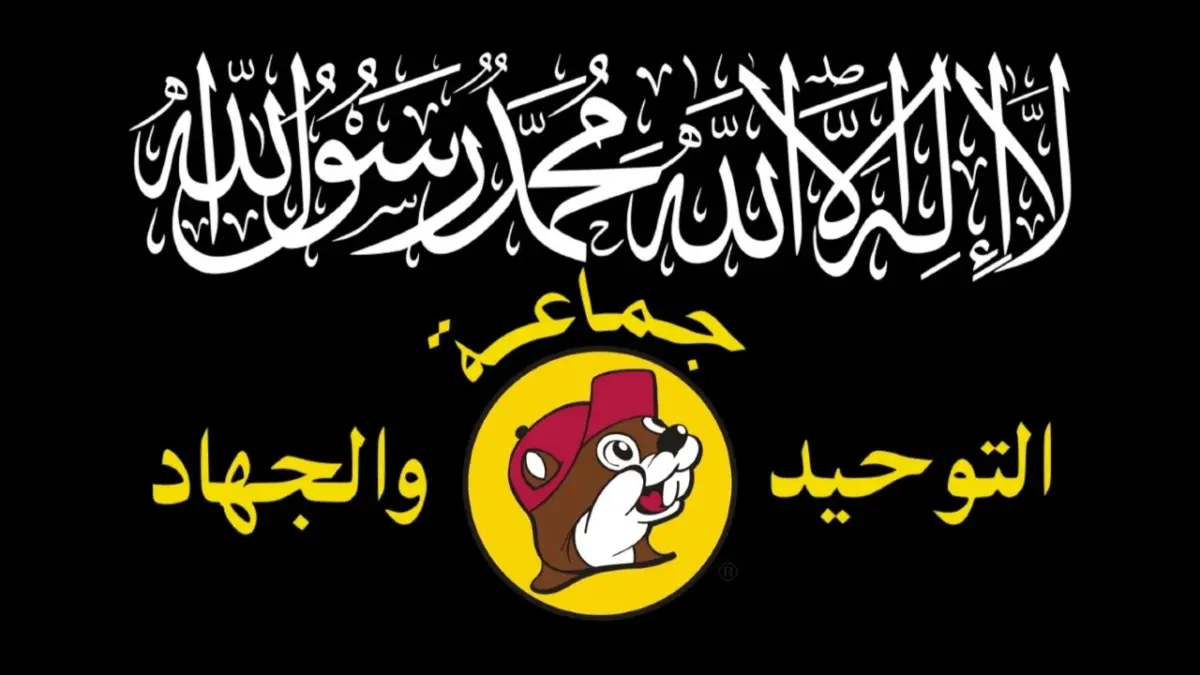
The foundational iconography of the trend was born in June 2025. An independent Instagram artist and creator operating under the handle Crab Rangoons introduced a provocative piece of novelty merchandise: the "Al Buc-ee’s" flag.
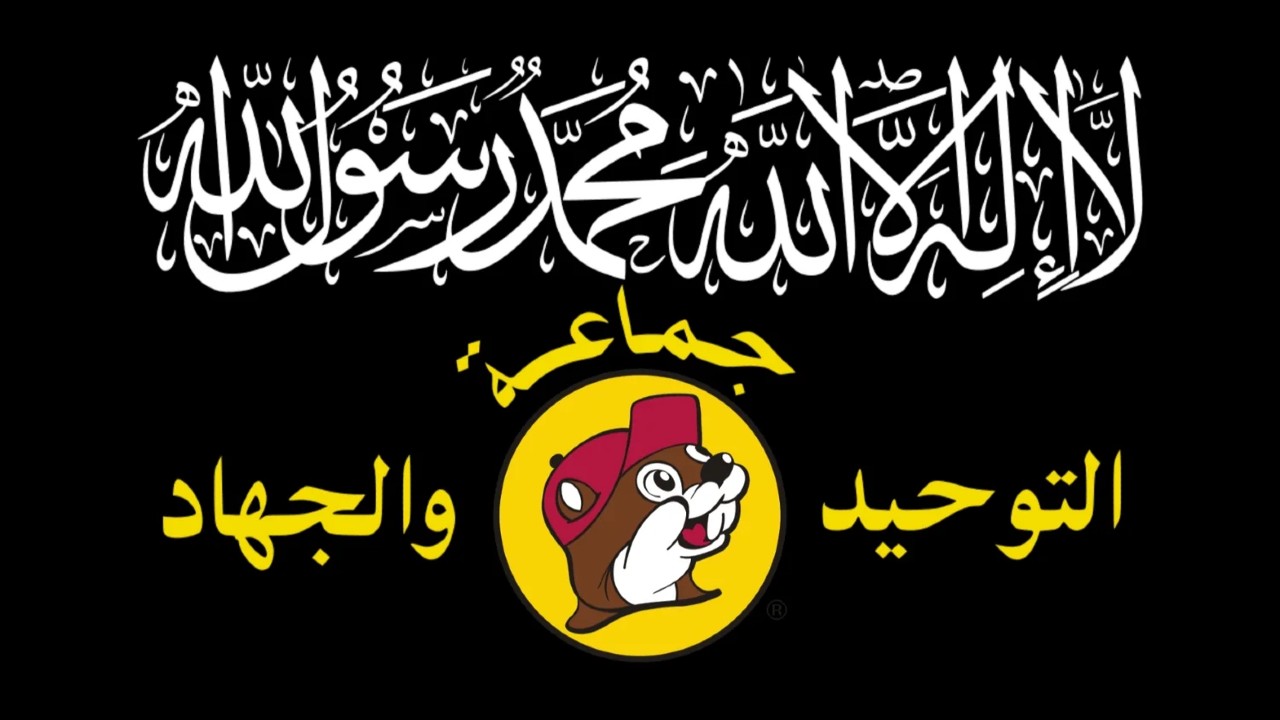
The design featured Buc-ee—the iconic, buck-toothed beaver mascot of the travel center chain—surrounded by stylized Arabic text mimicking traditional religious or national flags. The juxtaposition of a corporate mascot known for beef jerky and immaculate restrooms with Islamic calligraphic aesthetics struck a chord with internet subcultures fond of absurdism. However, the commercial life of the physical flag was short-lived. According to creator accounts, Crab Rangoons faced potential legal threats regarding trademark infringement over the unauthorized modification of the corporate logo, throwing the nascent meme into temporary obscurity.
Phase 2: The TikTok Catalyst (August 31, 2026)
While the physical flags faced corporate scrutiny, the digital concept survived. On August 31st, 2026, TikTok user @d1.is300.hater breathed new life into the idea by posting a short video featuring the modified flag superimposed over footage of an actual Buc-ee’s location.
The video was paired with the deadpan caption: "Inshallah, I made the hajj to Al-Buqqi."
The post hit a viral sweet spot, playing on the genuine cultural phenomenon of Americans treating Buc-ee’s locations—known for their massive footprints, dozens of gas pumps, and cult-like regional following—as monumental destinations. Within a single month, the video exploded past 1.6 million views, serving as the official starting gun for a wave of copycat content.
Phase 3: The September Peak (September 2026)
Throughout September 2026, the trend transitioned from an isolated viral hit to a widespread content genre. Users across the United States began filming their own "pilgrimages" to local Buc-ee’s outlets, adopting mock-reverent tones, playing dramatic audio tracks, and documenting their journeys as though crossing treacherous deserts to reach a holy sanctuary.
- September 4th, 2026: TikToker @blessed_but_stressed344 posted a pilgrimage-themed video that shattered previous engagement metrics, pulling in over 2 million views in under three weeks.
- September 8th, 2026: Creator @inseongsofficialbestie added to the momentum with a post captioned with "Mashallah," netting over 519,000 views.
- September 14th, 2026: User @nick10ant2 contributed to the lore with a video dramatizing the trip as a perilous expedition, writing, "Inshallah My brothers it was a treacherous journey," which accumulated upwards of 322,000 views.
By mid-September, the format had standardized. Videos characteristically featured cinematic slow-motion tracking shots of the giant neon beaver sign cutting through the horizon, cut together with dramatic audio and tongue-in-cheek religious phrasing.
Supporting Context & Metrics
The rapid expansion of the Al Buqqi trend highlights several key characteristics of modern digital consumption, algorithmic amplification, and internet humor demographics.
The Anatomy of the Joke
The humor behind Al Buqqi relies on three distinct pillars:
- Hyperbole and Absurdism: Equating a commercial enterprise—famous for clean bathrooms, fudge counters, and beaver nuggets—with Mecca, the most sacred site in Islam, is inherently absurd. The Hajj is a profound, once-in-a-lifetime spiritual obligation for adult Muslims, making the comparison to a pit stop for road-trip snacks a masterclass in irreverent overstatement.
- The "Buc-ee’s Cult" Phenomenon: Long before the Al Buqqi meme, American car culture already treated Buc-ee’s with a mock-religious fervor. Drivers routinely plan entire road trips around visiting the massive travel centers, collecting merchandise, and treating the stores as tourist attractions. The meme simply verbalized and escalated an existing cultural truth.
- Cross-Cultural Gen-Z Humor: The integration of Arabic phrases (Inshallah, Mashallah, Alhamdulillah) and Islamic concepts (Hajj, Habibi) into mainstream Western internet slang has been a growing trend among Gen-Z and younger Millennial creators. Al Buqqi represents a synthesis of this linguistic crossover with localized Americana.
Quantitative Impact
While search interest metrics for "Al Buqqi" trace a sharp upward trajectory beginning in late August 2026, the engagement metrics on TikTok tell the true story of its reach:
- Core Viral Videos: Dozens of individual posts crossed the 100,000-view threshold within days of publication.
- Hashtag Ecosystem: Tags such as
#albuqqi,#buccees,#hajj, and#mashallahformed a cross-pollinating network of millions of impressions, bridging travel TikTok, meme culture, and lifestyle content.
Official Statements and Corporate Silence
As of late September 2026, neither Buc-ee’s corporate leadership nor its legal representatives have issued a formal public statement regarding the Al Buqqi phenomenon.
Historically, Buc-ee’s is known for maintaining an exceptionally tight grip on its intellectual property and brand image, aggressively pursuing trademark violations and unauthorized merchandise (as evidenced by the initial pushback against the creator of the physical flags). However, navigating a decentralized, fast-moving digital meme presents unique challenges for corporate PR teams.
Digital marketing experts suggest that a heavy-handed legal crackdown on Al Buqqi videos could trigger the "Streisand effect," potentially drawing unwanted negative attention and further amplifying the joke. For now, the corporation has chosen a path of quiet observation, allowing the internet to cycle through the trend without corporate intervention.
Future Outlook: Will Al Buqqi Have Staying Power?
Like most hyper-specific internet memes, Al Buqqi operates on a fast-burning timeline. As autumn progresses into late 2026, the initial shock value of comparing a highway gas station to a holy pilgrimage site will inevitably face saturation.
However, the cultural footprint of Al Buqqi may leave a lasting mark on how consumers talk about roadside infrastructure. Much like the concept of "Waffle House operating as a disaster scale," Al Buqqi has permanently etched itself into the lexicon of American road trip culture, cementing Buc-ee’s status not just as a convenience store, but as a mythical landscape in the American digital consciousness.
Whether future travelers will continue to unironically-ironically proclaim “Inshallah, I have reached Al Buqqi” as they pull off the interstate for a bag of Beaver Nuggets remains to be seen. What is certain, however, is that internet creators will continue finding endlessly inventive ways to blend mundane commercial spaces with high-concept theatrical absurdity.