Executive Overview
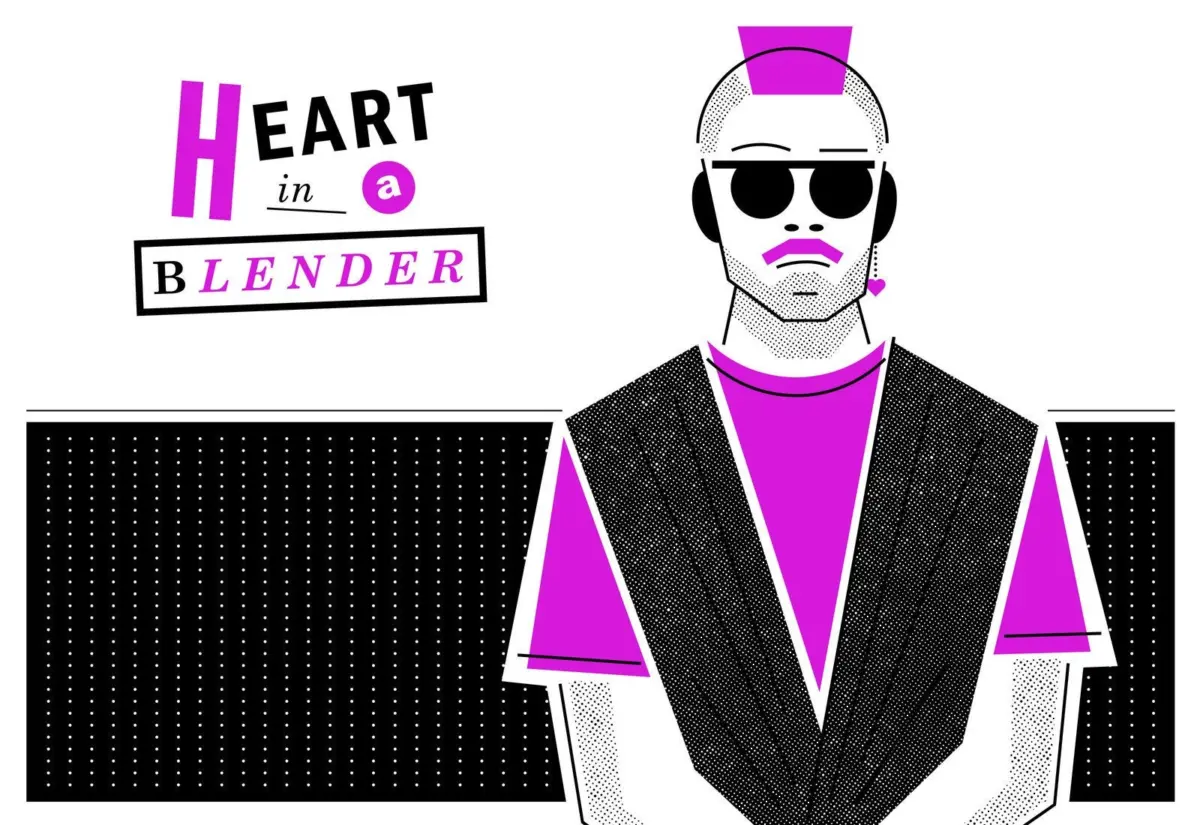
In an era defined by compounding global crises—ranging from recurrent mass shootings and the erosion of fundamental civil liberties to widespread economic precarity and institutional paralysis—the psychological toll on the general public has reached critical levels. This cultural malaise forms the backdrop of an unlikely cultural barometer: an advice column hosted by Max Collins, frontman of the 1990s alternative rock band Eve 6, published via BuzzFeed.
Far from standard celebrity lifestyle commentary, Collins’ column has evolved into a repository for raw, unfiltered dispatches from a generation grappling with profound hopelessness. Through direct engagement with readers confronting university massacres, quarter-life economic entrapment, and the systemic failures of late capitalism, the column offers a unique lens into contemporary psychological distress. This report examines the systemic themes underpinning these reader submissions, Collins’ pragmatic yet deeply ambivalent responses, and the broader sociological implications of finding philosophical guidance in pop culture amid a societal breakdown.
Detailed Chronology
The emergence of this cultural phenomenon reflects a progressive worsening of collective mental health tied to specific, escalating socio-political flashpoints in the United States over the past decade.
- Pre-2020: A steady increase in ambient societal anxiety driven by the normalization of mass violence, the gig economy, and ballooning student loan debt. Traditional institutional support structures—including universities, religious organizations, and corporate human resources—begin to lose public trust.
- The Pandemic and Post-Lockdown Era (2020–2022): Public disillusionment accelerates. Economic instability, political polarization, and the constant digital bombardment of traumatic news cycles leave citizens feeling increasingly isolated and powerless. During this period, figures outside traditional mental health or political spheres—such as musicians, artists, and internet personalities—begin filling the void as unofficial sounding boards for public grief.
- The Launch of the Advice Platform (2022–Present): Max Collins begins addressing reader inquiries that transcend typical interpersonal drama, tackling instead structural dread, institutional cowardice, and existential despair.
- Recent Dispatches: Two distinct letters frame the current cultural dialogue:
- The University Educator’s Dilemma: A higher-education instructor writes from a campus recovering from a mass shooting, condemning university administrators for prioritizing liability management and "security theater" over genuine student welfare.
- The 24-Year-Old’s Existential Gripe: A bank worker details the suffocating weight of quarter-life ennui, the dismantling of reproductive rights, and the perceived futility of planning for a future under late capitalism.
- Current State: The column functions as an unpolished, highly public group therapy session where neither the respondents nor the host pretend to have definitive policy solutions, settling instead for radical honesty and solidarity.
Supporting Context & Metrics
The despair voiced in these letters is supported by a significant body of sociological, economic, and criminological data detailing the state of modern American life.
The Epidemic of Mass Violence
According to data compiled by the Gun Violence Archive and various academic institutions, mass shootings in the United States have transitioned from statistical anomalies to recurring, predictable societal traumas. The psychological fallout extends far beyond immediate victims, creating an environment of hypervigilance among students, educators, and everyday workers. The phrase used by one correspondent—describing halls of higher learning as "asymmetrical battlefields"—captures the militarization of civilian spaces.
Economic Precarity and Quarter-Life Ennui
Young adults entering the workforce face a hostile economic landscape characterized by:
- Stagnant wages relative to the skyrocketing cost of living, housing, and healthcare.
- The ubiquity of low-autonomy service and administrative labor (exemplified by customer-facing retail and banking roles).
- The erosion of traditional retirement milestones, leading many Generation Z and Millennial workers to view long-term financial planning as an illusion.
Studies from psychological associations note a sharp rise in "eco-anxiety" and "systemic despair," where clinical depression is directly linked not to neurochemical imbalances alone, but to external, unchangeable socioeconomic pressures.
The Limits of Corporate and Institutional Response
Institutions caught in the crosshairs of these crises—universities, corporations, and local governments—frequently default to bureaucratic self-preservation. As noted by the educator correspondent, administrative directives often amount to "security theater": visible, low-cost measures designed to mitigate legal liability rather than address root causes or protect community well-being.
Official Statements and Perspectives
The Respondent: Max Collins (The "Eve 6 Guy")
Collins offers a perspective characterized by self-awareness, radical candor, and an explicit rejection of toxic positivity. Addressing a reader who signed their letter "Screw Your Thoughts and Prayers," Collins acknowledges the profound inadequacy of cliché responses to systemic violence:
"There are more guns in this country than people, and the gun lobby holds an inordinate amount of sway… How far has ‘Hey, could you please stop letting Americans be killed by senseless violence, preventable illness, war profiteering, poverty, despair, and the rest of the features-not-bugs of late capitalism’ gotten us? Not very!"
Rather than offering empty platitudes, Collins leans into the Serenity Prayer—not necessarily as a religious invocation, but as a pragmatic framework for psychological survival. He advises readers to distinguish between macro-level systemic failures that lie beyond individual control and micro-level spheres of influence where human agency still exists.
The Academic Educator
Weighing the impossible task of communicating institutional safety policies to students after a trauma, the educator highlights the bind faced by contingent faculty and non-tenured staff:
- The Conflict: Being forced to parrot administrative talking points that offer no real security.
- The Consequence: Choosing between compliance (keeping one’s livelihood) and resistance (facing termination in a monopolized local job market).
The 24-Year-Old Worker
The voice of "Existential in Denver" crystallizes the internal state of a generation watching the social contract fray:
- The Daily Reality: Enduring customer abuse in the banking sector while witnessing the financial devastation of ordinary people during medical or personal emergencies.
- The Core Question: "What’s the point of saving for a retirement that’s never going to happen? Is my life until that seemingly mythical day just going to be shuttling to and from my job and to a few stores?"
Future Outlook
As society navigates the remainder of the 2020s, the intersection of pop culture, public venting, and systemic disillusionment offers several key takeaways regarding where we are headed:
- The De-Professionalization of Emotional Support: As traditional mental health resources become increasingly strained or economically inaccessible for younger generations, informal cultural touchpoints—podcasts, advice columns by musicians, and anonymous online forums—will continue to absorb the overflow of public grief and anxiety.
- Inevitable Collective Pushback: As Collins notes in his response to systemic fatigue, historical precedent suggests that human populations have a threshold. While hopelessness is currently dominant, prolonged suppression and economic strain frequently catalyze unpredictable social movements. Change may not arrive via polite petitioning, but through grassroots friction.
- The Rise of Counter-Cultural Sanctuaries: For individuals trapped in soul-crushing administrative or service labor, survival increasingly depends on constructing what Collins calls an "avant-garde world outside of work"—private spaces fortified by art, literature, trusted friendships, and shared cultural artifacts (such as Studio Ghibli films or melancholic concept albums) that corporate structures cannot monetize or infiltrate.
Ultimately, the phenomenon of an aging 1990s rock star serving as an unlikely agony uncle for a traumatized nation underscores a bleak truth: when official institutions fail to provide safety, meaning, or a viable future, citizens will seek solace wherever they can find an authentic pulse.