Executive Overview
To contemporary video game enthusiasts, Atlus is primarily celebrated as the cultural titan behind the globally resonant Persona franchise, the meticulous grid-based cartography of Etrian Odyssey, and medical-drama puzzlers like Trauma Center. Furthermore, the studio commands immense respect for its decades-long crusade as a localized savior, rescuing obscure, brilliant role-playing games from smaller Japanese developers and ensuring they found a home on North American shores.
Yet, this mainstream renaissance masks a darker, more abrasive heritage. For players who entered the fold through the upbeat high school social calendars, catchy pop-infused soundtracks, and cathartic "Social Link" bonding sessions of Persona 3 and its successors, digging backward into the publisher’s historical catalog can prove jarring. They encounter a lineage defined not by after-school club activities and beach getaways, but by apocalyptic nihilism, theological warfare, and unsparing mechanical brutality.
For a time, following the explosive breakout success of Persona 3 in 2006, industry analysts genuinely questioned whether Atlus’s primary, parent franchise—the uncompromisingly difficult Shin Megami Tensei series—had been permanently eclipsed by its own stylish spin-off. Released in 2013, Shin Megami Tensei IV for the Nintendo 3DS answered that existential dread with a resounding roar. It proved that Atlus could still construct an uncompromising, deeply intellectual, and punishingly difficult hardcore JRPG without sacrificing commercial viability. More than a decade later, as modern platforms overflow with remasters and remakes, SMT IV stands as a masterclass in atmospheric design—and a glaring omission from contemporary hardware lineups.
Detailed Chronology: From NES Obscurity to Modern Multi-Branch Dominance
To fully comprehend the triumph of Shin Megami Tensei IV, one must trace the evolutionary lineage of Atlus’s flagship intellectual property. The roots stretch back to the late 1980s in Japan with the release of Megami Tensei on the Nintendo Entertainment System, an adaptation of Aya Nishitani’s sci-fi occult horror novel series. These early dungeon crawlers established the foundational DNA of the franchise: the ability to negotiate with demons, recruit them to your cause, and fuse them together to create more powerful entities.
The Western Awakening and the Persona Divergence
For the vast majority of its early lifespan, the franchise remained an exclusive staple of the Japanese market. It wasn’t until 2004 that Atlus officially branded and localized Shin Megami Tensei: Nocturne for North American audiences on the PlayStation 2. Nocturne was a revelation for hardcore JRPG fans craving depth and difficulty. Its atmospheric, post-apocalyptic conception of Tokyo—ravaged by a catastrophic metaphysical event known as the Conception—offered a stark contrast to the whimsical high-fantasy tropes dominating the genre at the time.
However, just two years later, Atlus released Shin Megami Tensei: Persona 3. By grafting classic Japanese school-life simulation elements, a calendar system, and interpersonal relationship mechanics onto the core dark fantasy framework, Atlus struck lightning. Persona transitioned from a niche, moody cult-classic spin-off into a juggernaut of mainstream pop culture.
By the early 2010s, the traditional Shin Megami Tensei series sat at a crossroads. With Persona 4 maintaining cultural dominance and the PlayStation Vita launch of Persona 4 Golden captivating audiences, the core SMT series risked relegation to historical relic status. Mainline fans wondered if Atlus would ever return to the bleak, philosophical depths of Nocturne.
The 3DS Gamble: The Birth of SMT IV
Enter the Nintendo 3DS. In 2013, amidst hand-wringing over handheld market sustainability and the rise of mobile gaming, Atlus took a massive creative gamble. Released on May 23, 2013, in Japan and hitting Western shores just two months later, Shin Megami Tensei IV materialized as the direct, uncompromising mainline sequel fans had craved for nearly a decade.
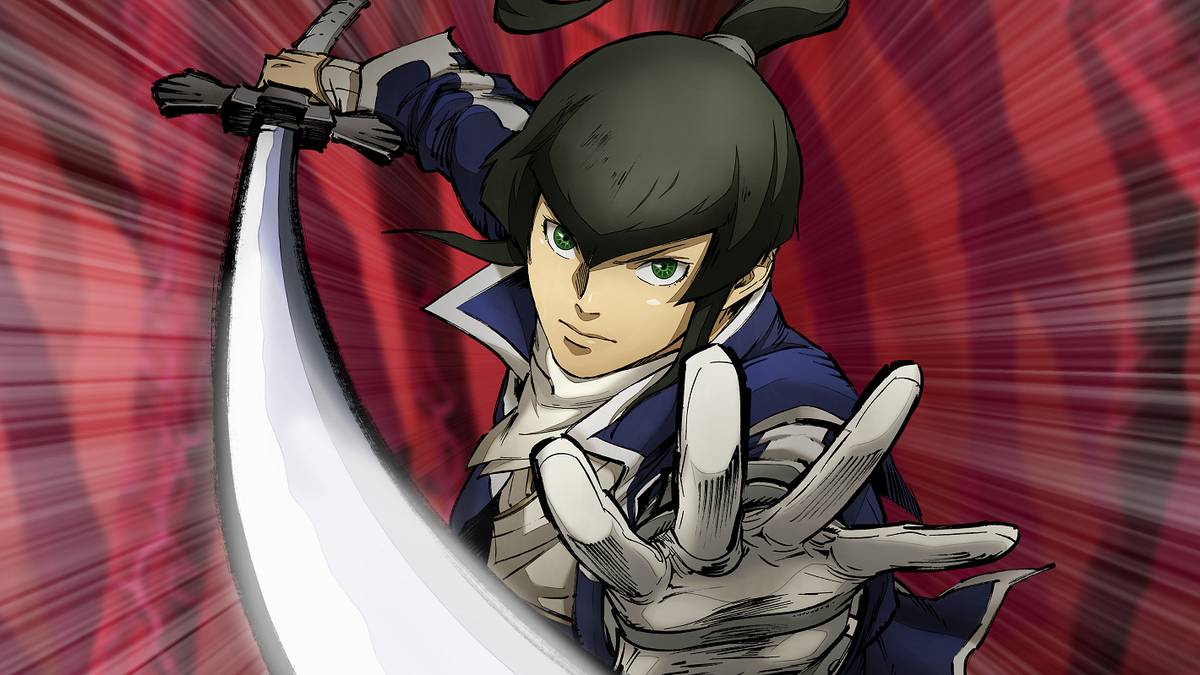
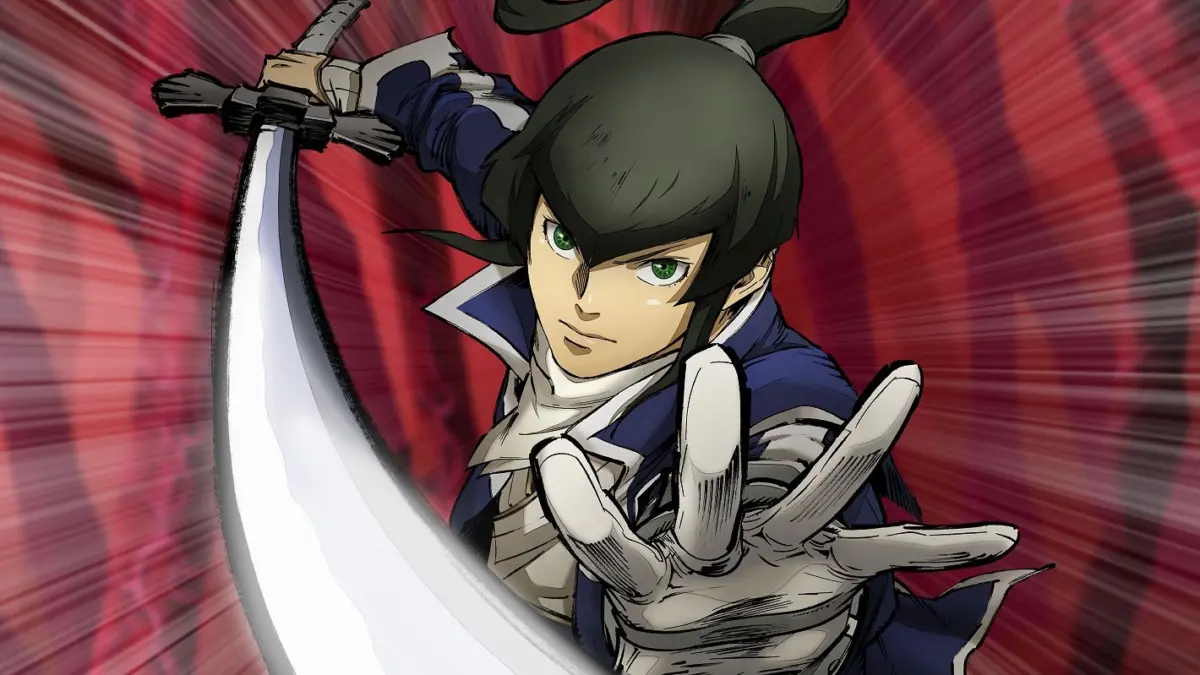
Rather than leaning into cozy, domestic creature comforts, SMT IV thrust players into the dual-layered dystopia of Mikado—a medieval kingdom locked in eternal struggle against demonic forces—and the subterranean, ruined shell of post-apocalyptic Tokyo, sealed beneath a massive dome. The juxtaposition of feudal aesthetics and rusted, demon-infested urban decay created one of the most compelling artistic backdrops in JRPG history.
The game’s release strategy was equally ambitious. Atlus bundled physical copies with a comprehensive collector’s package featuring a CD of eerie, haunting musical compositions and a massive 176-page "Strategy & Design Book" produced in collaboration with Prima Games. It was a love letter to diehard fans, signaling that the hardcore soul of the franchise remained untamed.
Supporting Context & Metrics: Mechanics, Lore, and the Press Turn System
What separated Shin Megami Tensei IV from its contemporaries was not merely its grim aesthetic, but its mechanical sophistication. At the heart of the experience lay the legendary Press Turn battle system, a turn-based paradigm that rewards tactical mastery and ruthlessly punishes complacency.
The Press Turn System Explained
Unlike traditional turn-based RPGs where players simply queue up attacks and watch animations play out, the Press Turn system operates on a currency of action icons.
- Every party member and enemy begins a round with a set number of icons.
- Exploiting an enemy’s elemental weakness consumes only half an icon and grants the party an "Extra" action icon, allowing for extended assault phases.
- Conversely, if an attack is blocked, reflected, or nullified, the party immediately loses multiple action icons, cutting their turn short and leaving them wide open to catastrophic counter-attacks.
While regular map encounters and mob fights rarely pose insurmountable threats once a player masters the rhythm, boss battles function as brutal gatekeepers. Entering a major encounter without proper elemental preparation or demon builds is an exercise in swift, humiliating defeat.
Exploration, Recruitment, and Demon Fusion
The overworld design of SMT IV blurred the lines between classic random encounters and modern action-on-map mechanics. Players navigated confined, oppressive corridors and sprawling urban ruins where avoiding nimble, bloodthirsty demons was an ongoing psychological tension.
Running parallel to combat was the demon negotiation loop—a mechanic predating Pokémon by years. Players could halt combat to converse with enemies, bribing them with items, answering cryptic riddles, or enduring bizarre psychological evaluations. Once recruited, these demons could be fused together in the legendary "Cathedral of Shadows" equivalent, inheriting specific skills to forge custom, devastating combatants. This addictive loop easily consumed dozens, if not hundreds, of hours for dedicated completionists.
Moral Philosophy and Multiple Endings
Narratively, SMT IV challenged players with profound ethical dilemmas. Following the journey of the protagonist, Flynn, players were forced to make consequential choices that dictated the ideological trajectory of the world. Rather than a simple good-versus-evil binary, SMT IV presented deeply entrenched philosophical factions:

- Law: Enforced by the angelic hosts of Mikado, prioritizing peace through absolute, freedom-stripping divine order.
- Chaos: Championed by demonic forces, prioritizing strength, survival of the fittest, and total individual liberty at the expense of societal collapse.
- Neutrality: The elusive, agonizingly difficult path of human preservation, balancing neither divine fascism nor demonic anarchy.
These choices directly determined whether Flynn became the world’s savior or its ultimate destroyer, branching the narrative into multiple distinct endings that demanded replayability. This thematic depth culminated years later in Shin Megami Tensei IV: Apocalypse (2016), which explored parallel branching events within the same ruined Tokyo ecosystem.
Official Statements and Industry Impact
Reflecting on the legacy of the title, industry critics and Atlus developers alike have frequently pointed to Shin Megami Tensei IV as a vital balancing act for the company. Speaking in retrospective development interviews, Atlus producers noted that the commercial pressure of Persona‘s meteoric rise could easily have homogenized the studio’s output.
Instead, the leadership viewed SMT IV as an intentional anchor, keeping the studio connected to its roots as a creator of hardcore, intellectually demanding experiences. As Atlus subsequently demonstrated with the triumphant release of Shin Megami Tensei V in 2021, the company successfully carved out a dual-track identity: one path leading to mainstream, socially driven character dramas (Persona), and the other plunging into mythological, apocalyptic theological battlegrounds (Shin Megami Tensei).
Jason Venter, reflecting on the enduring legacy of the franchise, noted:
"The Shin Megami Tensei franchise is dark and challenging, and it flourishes in shadows in ways the now more popular Persona series does not. Shin Megami Tensei IV narrowed the gap between the two dominant branches of the overall MegaTen franchise, but it didn’t lose everything that made fans of older titles happy in the process."
Future Outlook: The Need for a Modern Remaster
As the gaming industry charges forward into successive hardware generations, preservation and accessibility have become paramount. Atlus has proven increasingly willing to rescue its past masterpieces from legacy hardware dungeons. Titles like Persona 4 Golden successfully transitioned from the PlayStation Vita to modern platforms, and upcoming releases like Persona 4 Revival (slated for February 18, 2027) demonstrate the studio’s commitment to modernizing its classic library.
Yet, Shin Megami Tensei IV remains frustratingly marooned on the Nintendo 3DS. Playing a massive, cinematically ambitious, and text-heavy JRPG on dual screens with a tiny form factor presents a significant barrier to entry for modern audiences.
More than a decade after its initial release, bringing Shin Megami Tensei IV and its sister title Apocalypse to modern consoles and PC platforms is arguably the most important archival step Atlus could take. For a franchise built entirely around overcoming impossible odds and surviving the end of the world, escaping the hardware limitations of the 3DS might just be the most satisfying challenge of all.