Executive Overview
For decades, television has grappled with the intoxicating allure of the undead, producing countless iterations of vampire lore ranging from teen-targeted romantic dramas to high-concept prestige horror. Yet, the foundational DNA of modern televised horror can be traced back to a singular, pioneering force: Dan Curtis’s mid-century supernatural soap opera, Dark Shadows.
While the original 1966 ABC daytime serial carved out a legendary status through sheer longevity and campy Gothic grandeur, diving into a 1,225-episode behemoth can be a daunting, if not impossible, task for modern viewers. Enter the ultimate hidden gem for horror enthusiasts: Dark Shadows: The Revival.
A lavish, condensed 12-episode prime-time adaptation that aired on NBC in 1991, this forgotten miniseries/ongoing series hybrid brilliantly strips away the bloated narrative filler of the original soap opera while retaining every ounce of its atmospheric, fog-drenched dread. Boasting a remarkably star-studded cast—including Ben Cross, Barbara Steele, Jean Simmons, and a young Joseph Gordon-Levitt—the revival successfully translates Gothic romance into a cinematic, fast-paced medium. Best of all, for modern audiences eager to unearth lost pieces of television history, the complete series is currently available to stream entirely for free on YouTube.
Detailed Chronology: The Journey to Collinwood
The narrative gateway of Dark Shadows: The Revival immediately evokes the rich, spine-chilling traditions of classic Gothic literature, drawing direct stylistic parallels to works like Charlotte Brontë’s Jane Eyre and Henry James’s The Turn of the Screw.

Arrival at the Edge of the Sea
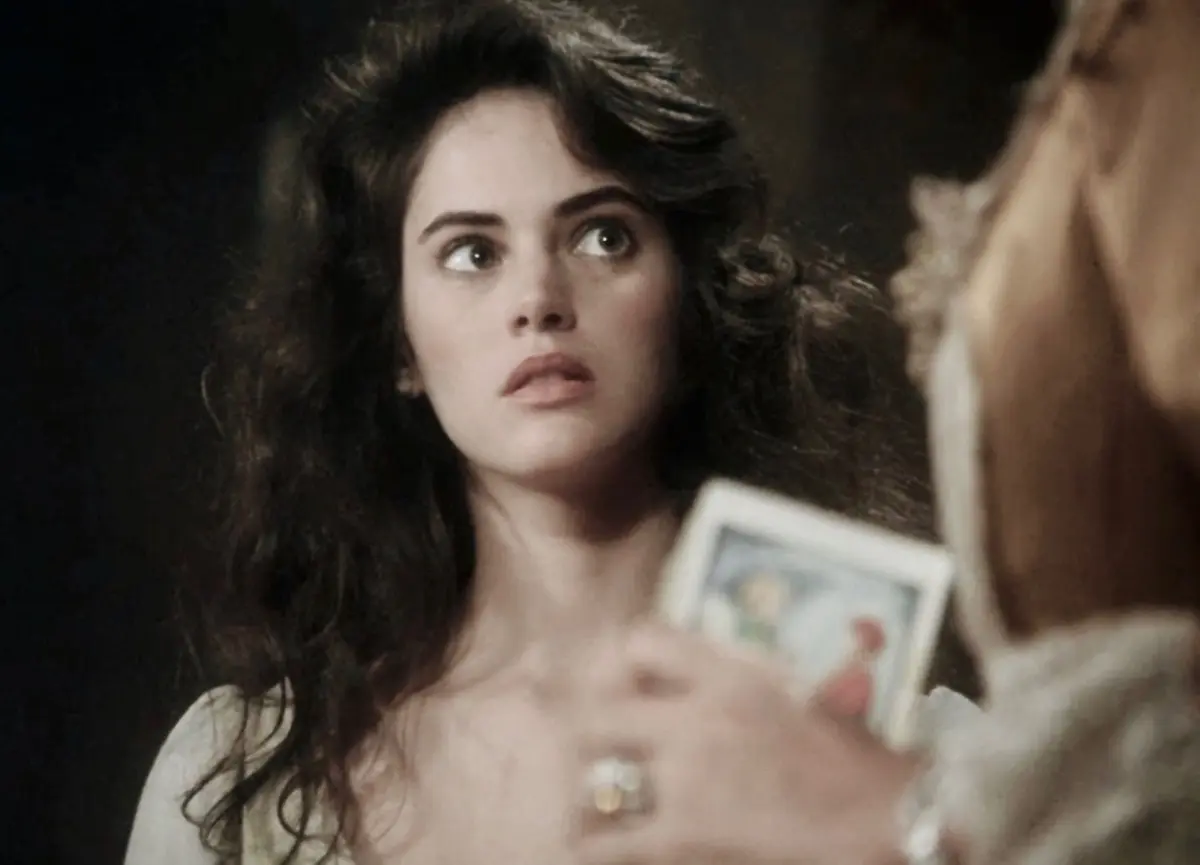
The series opens with Victoria Winters, portrayed with wide-eyed vulnerability by Joanna Going, embarking on an uncertain railway journey. She is bound for the isolated, wind-swept fishing community of Collinsport, Maine. Ahead of her lies Collinwood, an imposing, sprawling manor perched precariously atop a stormy cliff at the ocean’s edge—a location defined as much by its crushing maritime fog as by its blood-soaked generational history. Hired as a governess responsible for educating and caring for a wealthy, troubled young boy named David (played by a youthful Joseph Gordon-Levitt), Victoria quickly realizes that her new sanctuary is a hotbed of psychological and supernatural unrest.
The Awakening of Barnabas Collins
As Victoria settles into her demanding role, the dormant supernatural forces of Collinsport begin to stir. Unbeknownst to the family, a local groundskeeper inadvertently unleashes a malevolent entity, setting off a chain reaction that threatens the entire town.
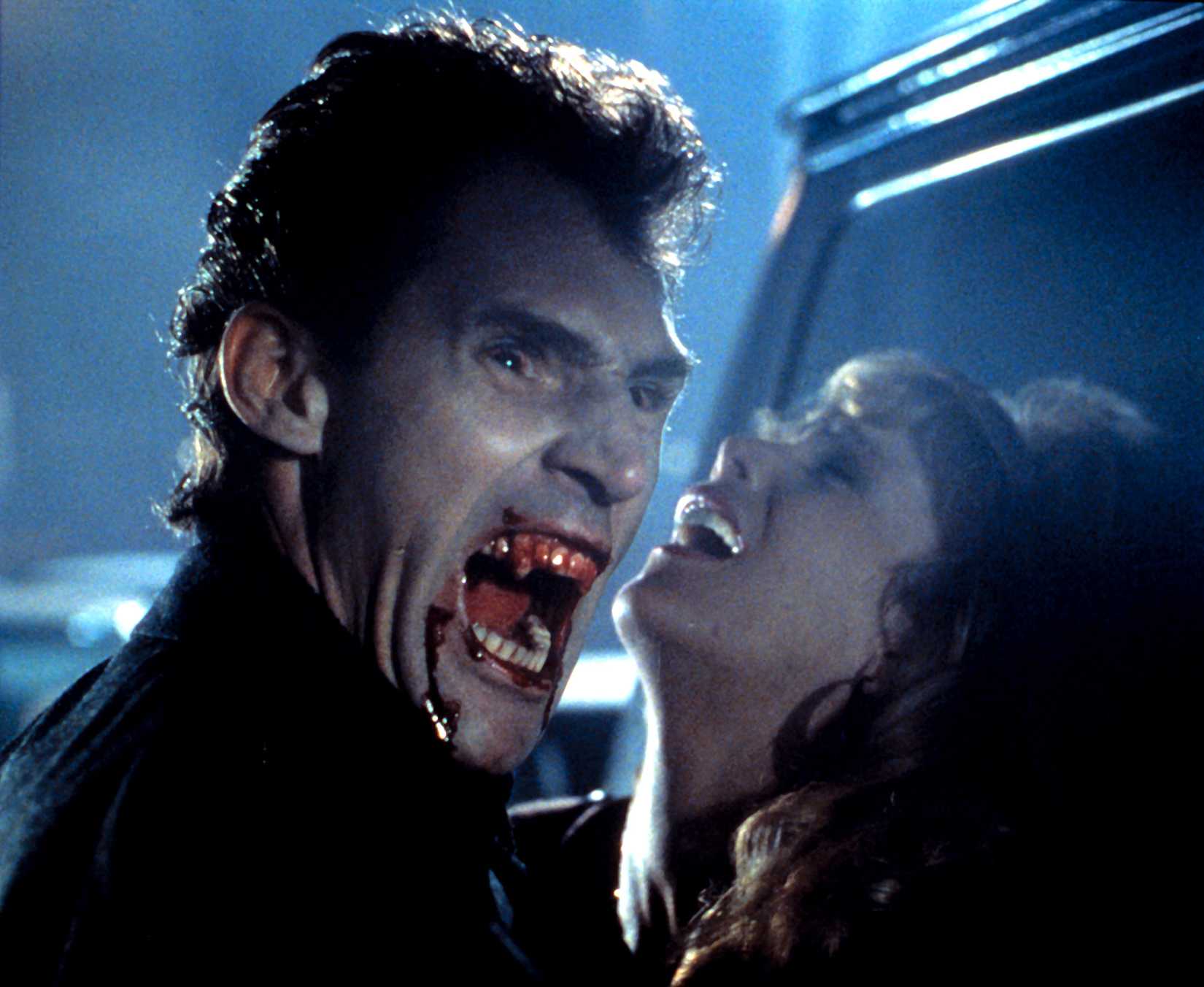
Enter Barnabas Collins, portrayed with chilling magnetism by Ben Cross. In a sharp departure from the slow-burn pacing of the original 1960s daytime series—where the 200-year-old vampire was not introduced until nearly a year into its run as a desperate ratings ploy—the 1991 revival wastes no time. Cross’s Barnabas introduces himself to the isolated Collins dynasty as a charming, distant cousin newly arrived from England. Behind closed doors, however, he stalks the foggy coastal village at night, claiming fresh victims before the first commercial break even hits.
Soon, Barnabas develops a dark, psychological fixation on Victoria, who finds herself inexplicably drawn to his tragic, aristocratic aura, even as the terrifying reality of his vampiric nature begins to surface.

Blood, Witchcraft, and Time Travel
Refusing to shy away from the wildly ambitious narrative swings that defined the original franchise, the 1991 revival dives headfirst into witchcraft, curses, and time travel. One of the series’ most pivotal and breathtaking narrative arcs occurs during a séance, where Victoria is unwillingly cast backward through time to the year 1790.
Transported to the height of the colonial era, Victoria uncovers the heartbreaking truth behind Barnabas’s tragic past: his consuming love for Josette (foreshadowing the soap-opera trope that Victoria may be her literal reincarnation) and the vengeful witch’s curse that doomed him to an eternity of blood-drinking immortality. By compressing roughly 100 sprawling episodes of 1960s television lore into a tight, cinematic six-episode historical arc, the revival captures the dizzying romanticism of the original text without losing its audience in convoluted plotting.
Supporting Context & Metrics: A Shift in Television History
To fully appreciate the triumph of the 1991 adaptation, one must understand the unique constraints and historical legacy of the original ABC daytime broadcast.
| Metric / Feature | Original Dark Shadows (1966–1971) | Dark Shadows: The Revival (1991) |
|---|---|---|
| Format | Daytime Soap Opera (Daily, 30-minute episodes) | Prime-Time Serial (12-episode seasonal run) |
| Total Run | 1,225 Episodes across 6 Seasons | 12 Episodes (1 Season) |
| Pacing | Slow, iterative, heavily reliant on narrative filler | Fast-paced, cinematic, dense storytelling |
| Introduction of Barnabas | Introduced late (Episode 210) to rescue ratings | Introduced immediately as a central driver |
| Primary Cast Prestige | Solid day-players with breakout theatre actors | Oscar-winners and international art-house icons |
Transforming Daytime TV into Prime-Time Art
When Dan Curtis created the original Dark Shadows in 1966, the television landscape had never seen anything like it. It was a pioneering venture that proved daytime audiences hungered for monsters, ghosts, and complex antiheroes. However, airing five days a week meant the production was perpetually starved for time, leading to notorious flubs, repetitive dialogue, and narrative wheel-spinning.
When Curtis was handed the reins for the 1991 prime-time revival on NBC, he was given the rare opportunity to strip away the fat. As Curtis explained to The New York Times in January 1991:
"I thought I could rely on those old scripts, but I found that they were full of crazy plots that couldn’t use. So all the incidents are different; we arrive at similar points through a much different route."
A Star-Studded Ensemble Cast
The production value of the 1991 series was further elevated by an extraordinary, critically acclaimed ensemble cast that far outstripped the budget and profile of the original daytime run:
- Ben Cross (Chariots of Fire) delivered a Barnabas Collins that balanced poetic, romantic tragicomedy with genuine, predatory menace.
- Barbara Steele (Queen of Italian Gothic horror, Black Sunday, Castle of Blood) brought deliciously sharp psychological depth to Dr. Julia Hoffman, the brilliant physician determined to cure Barnabas of his curse while harboring her own obsessive affections.
- Jean Simmons (legendary screen icon of Spartacus and Guys and Dolls) anchored the household as Elizabeth Collins Stoddard, the iron-willed, fiercely protective family matriarch.
- Joseph Gordon-Levitt, long before his adult Hollywood breakout, turned in a remarkably mature and haunting performance as the disturbed young David Collins.
Official Statements & Industry Analysis
Despite the high caliber of its creative team and positive early critical reception, the 1991 revival faced an insurmountable external adversary: global geopolitics.
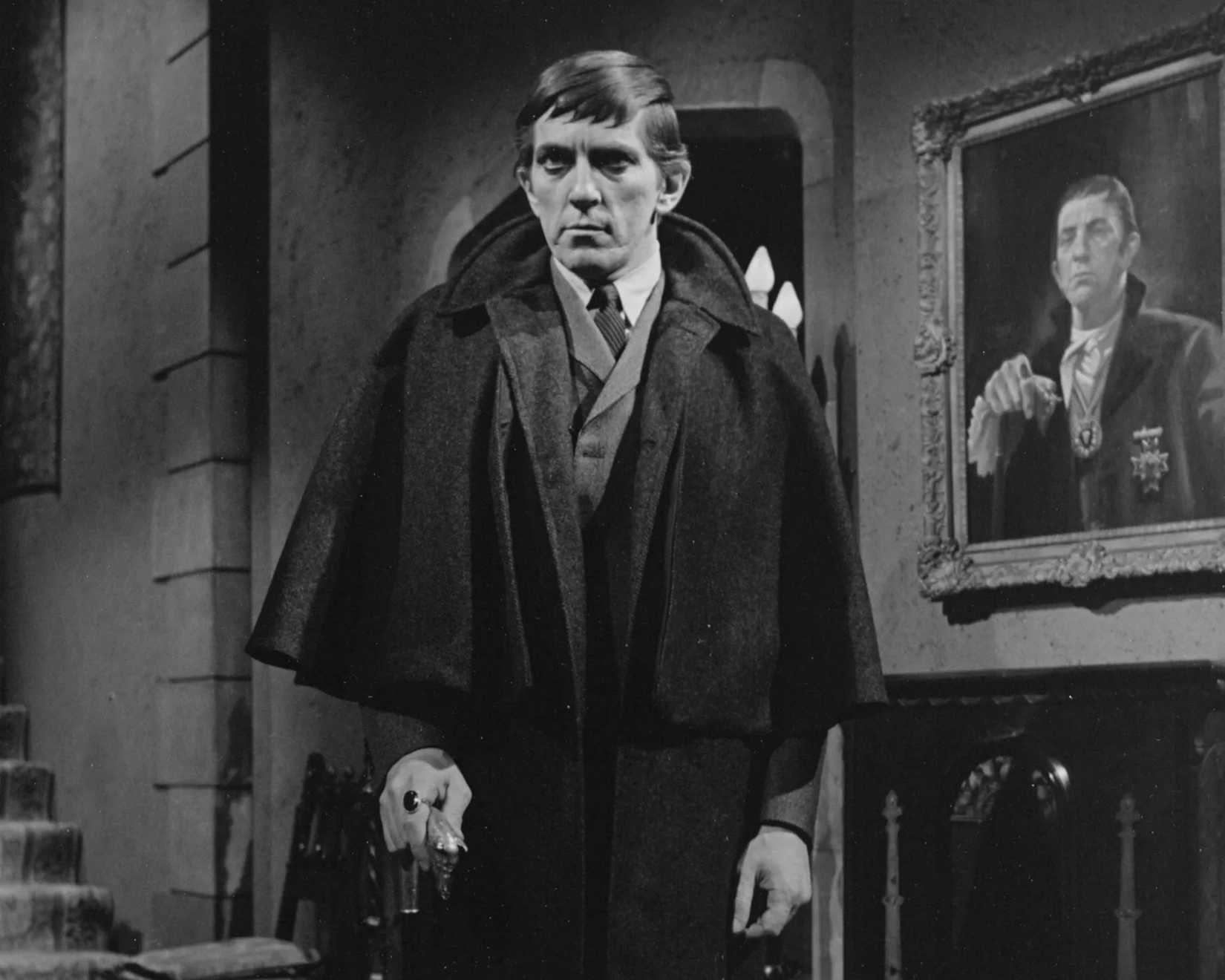
The series debuted precisely as the Gulf War broke out. In a pre-streaming era heavily dependent on live television ratings, constant breaking news coverage of the military conflict forced NBC to repeatedly bump, reschedule, and preempt the broadcast of Dark Shadows. Viewers trying to follow the dense, serialized storytelling found it nearly impossible to keep track of airtimes, causing ratings to plummet.
Consequently, NBC canceled the series before it could secure a second season. Though it ended on a provocative cliffhanger, the series successfully concluded its primary protagonist’s emotional arc. Victoria Winters returns to Collinwood fundamentally transformed—shedding her identity as a timid, wide-eyed governess to become the sole inhabitant of the manor capable of standing bravely against its dark and eternal secrets.
Television historians frequently point to the 1991 iteration as a textbook case of a brilliant concept arriving just a few years too early. Had it been released in the modern era of on-demand streaming or cable prestige miniseries—where serialized, atmospheric horror thrives—its 12-episode structure would have likely made it a runaway multi-season hit.
Future Outlook: Rediscovering a Lost Classic Online
In contemporary media consumption, forgotten television milestones are frequently locked behind complicated licensing disputes, corporate mergers, or forgotten vaults. Fortunately, the entire 12-episode run of Dark Shadows: The Revival has found a welcoming digital home on YouTube, where fans of classic horror, Gothic romance, and 1990s television nostalgia can stream it in high quality completely free of charge.
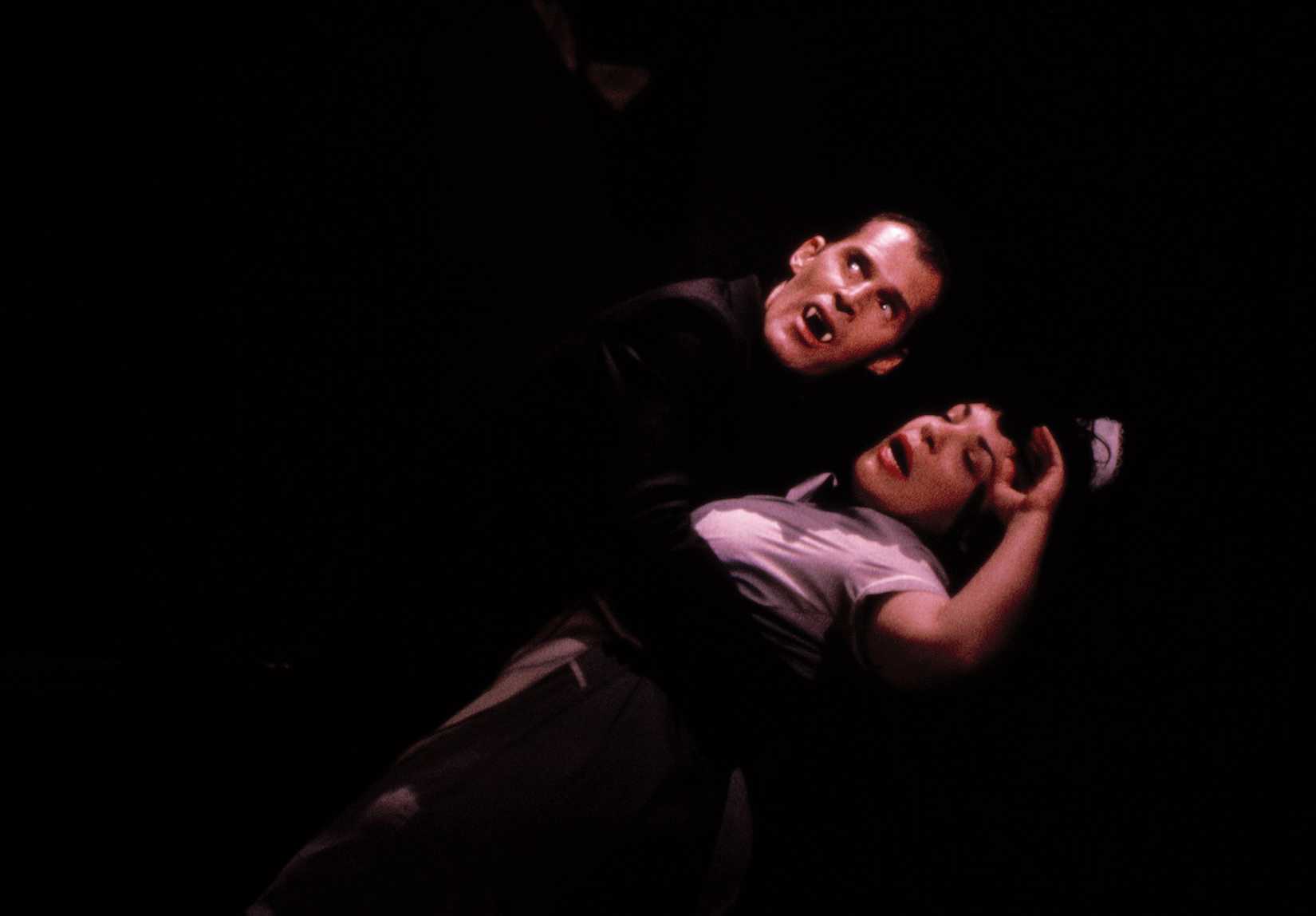
As contemporary audiences continually hunt for high-concept vampire fiction that avoids modern teen-drama tropes in favor of genuine atmospheric dread, fog-choked coastal manors, and sweeping historical curses, Dan Curtis’s 1991 masterpiece stands ready for rediscovery. It remains the absolute finest, most accessible entry point into one of television’s most enduring and influential supernatural mythos—proving that some shadows are simply too magnificent to stay buried in the past.