Executive Overview
The wearables landscape is bracing for a potential paradigm shift. Following recent industry leaks and investigative reports from Bloomberg, Apple is quietly engineering a screenless fitness tracker designed to compete directly with category staples like the WHOOP band and the Fitbit Air. While the Cupertino-based tech giant is still in the relatively early developmental phases of this project—with commercial deployment anticipated no earlier than 2028—the concept has already ignited intense debate across the consumer technology sector.
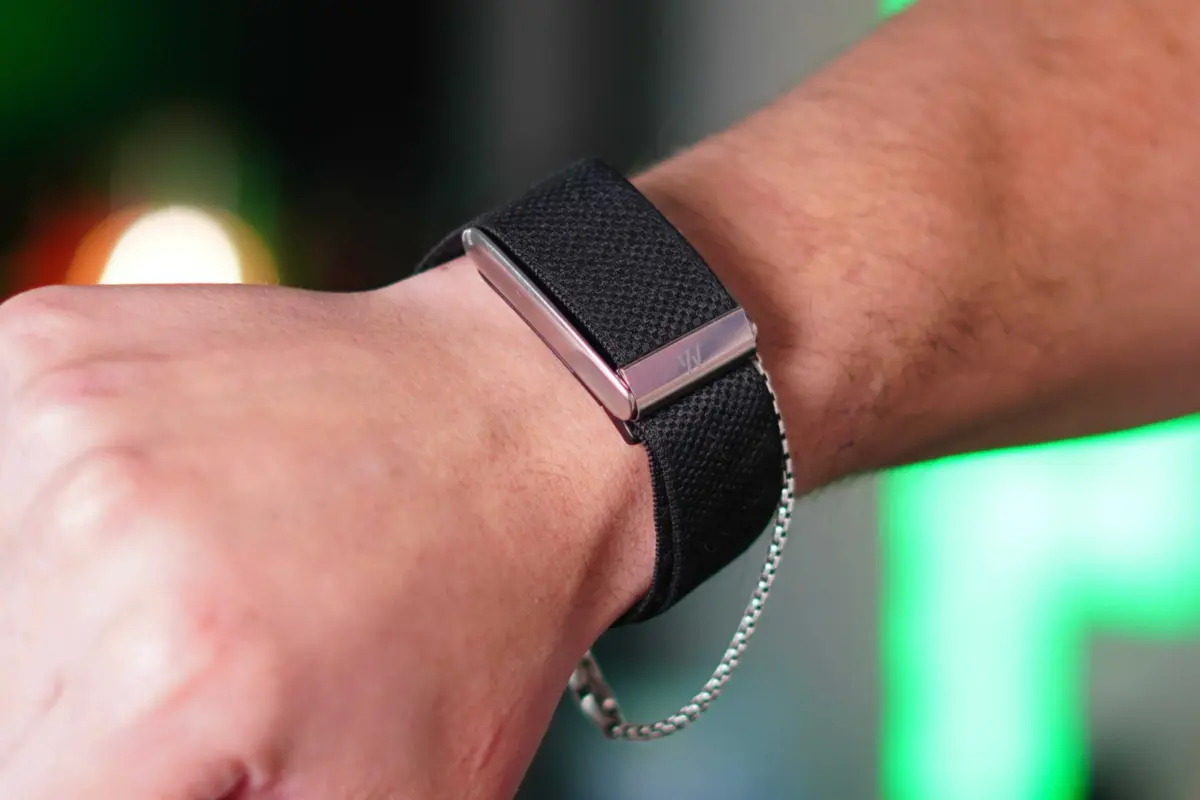
Described structurally as a "thin fabric band equipped with a sensor-laden computing module," this nascent device represents a fundamental departure from Apple’s traditional smartwatch philosophy. For years, the Apple Watch has reigned supreme as the gold standard of wrist-bound computing, packing cellular connectivity, expansive OLED displays, complex operating systems, and heavy-duty notification management into a single device. However, a growing segment of consumers and athletes are experiencing notification fatigue and battery anxiety. They are increasingly migrating toward minimalist, screenless hardware that fades into the background while quietly logging biometric data around the clock.
This in-depth analysis explores the strategic motivations behind Apple’s reported pivot toward a screenless form factor. Drawing insights from long-term testing of existing market competitors like the WHOOP ecosystem, we examine the technical hurdles Apple must clear, the user-experience friction points it needs to resolve, and what this ambitious hardware play means for the future of digital health and personal fitness tracking.
Detailed Chronology: From Apple Watch Dominance to Minimalist Wearables
To understand why Apple is exploring a screenless tracker, one must look at the evolutionary timeline of the company’s health and fitness strategy over the past decade.
2015–2020: The Rise of the Smartwatch Standard
When the original Apple Watch launched in 2015, it was marketed primarily as a luxury fashion accessory and a digital extension of the iPhone. Over subsequent iterations, however, Apple successfully repositioned the device as a formidable health and fitness tool. Features like the optical heart rate monitor, ECG capabilities, blood oxygen sensing, and advanced activity rings transformed the Apple Watch into a mainstream medical and wellness companion.
Despite these triumphs, structural compromises remained. The inclusion of a vibrant screen, a powerful system-on-a-chip (SoC), and continuous cellular or Wi-Fi radios meant that the Apple Watch required daily charging. For users focused exclusively on deep health analytics—such as continuous heart rate variability (HRV), sleep staging, and recovery scores—charging a watch daily meant losing precious hours of overnight sleep tracking.
2021–2025: The Surge of Screenless Competitors
While Apple doubled down on its smartwatch formula, alternative form factors gained explosive traction. Companies like WHOOP and Oura popularized the concept of continuous, screenless biometric monitoring. By eliminating the display, these brands achieved two critical breakthroughs:
- Multi-Day Battery Life: Devices could run for five to seven days on a single charge, enabling uninterrupted health tracking.
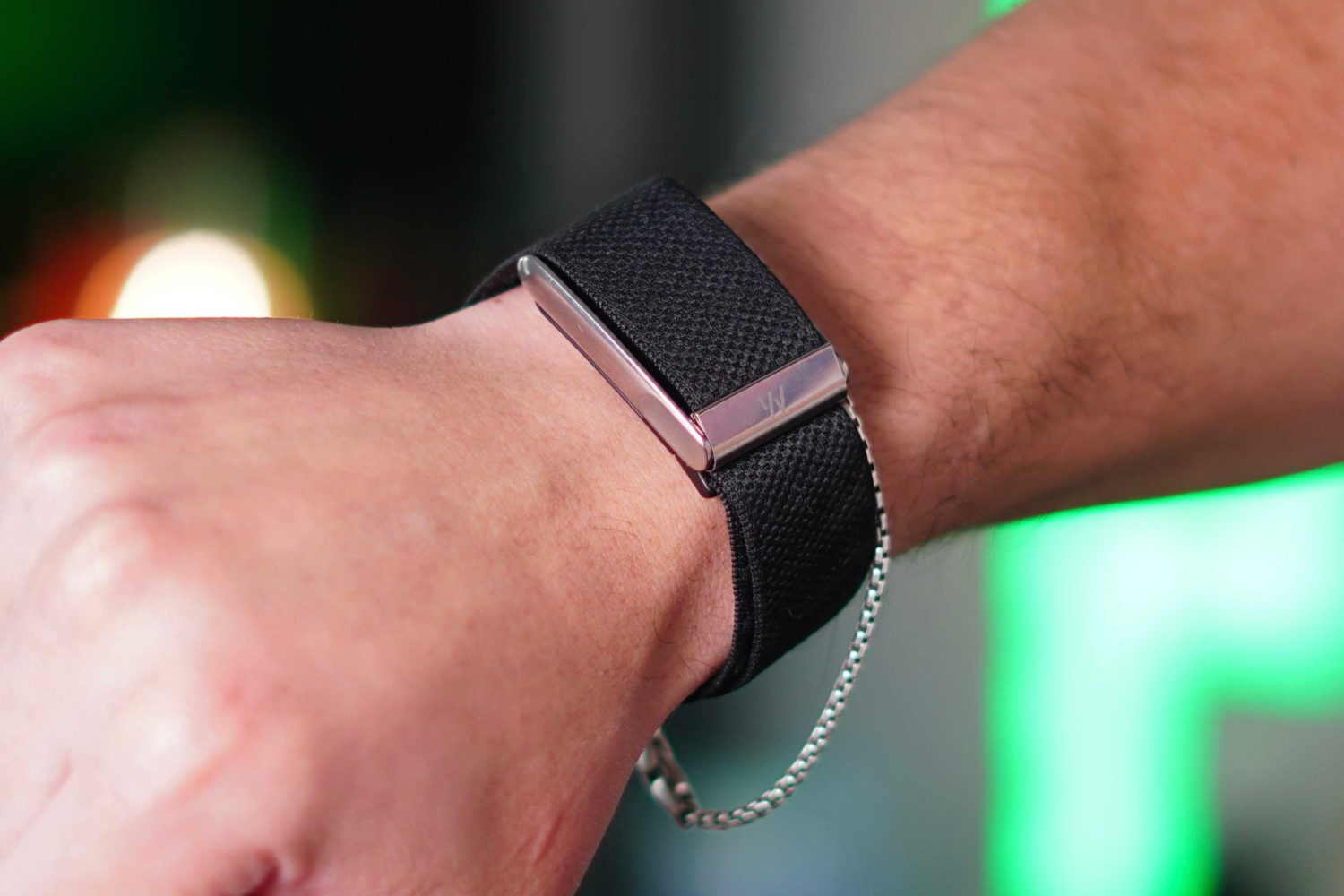
- Discreet Design: Users could wear a sleek fabric strap or a titanium ring alongside their preferred mechanical or traditional watches without suffering from "double-wristing" awkwardness or screen clutter.
September 2026: The Bloomberg Leak
The market dynamics shifted dramatically last week when Bloomberg broke the news that Apple has initiated internal development on a screenless fitness band. According to supply chain whispers and insider leaks, the project envisions a lightweight, fabric-based band centered around a compact sensor module. While still years away from a public unveiling—with analysts pointing to a 2028 window at the earliest—the revelation confirms that Apple recognizes a distinct market segment that prefers zero distractions over wrist-mounted mini-computers.
Supporting Context & Metrics: The User Experience Dilemma
To evaluate whether Apple’s rumored device can succeed, we must examine the operational friction points inherent to current screenless fitness trackers.
The Friction of Phone-Dependent Logging
Having spent extensive time evaluating market alternatives like the WHOOP band, a clear operational paradox emerges. Screenless trackers promise a distraction-free lifestyle, but they often shift the operational burden directly to the smartphone.
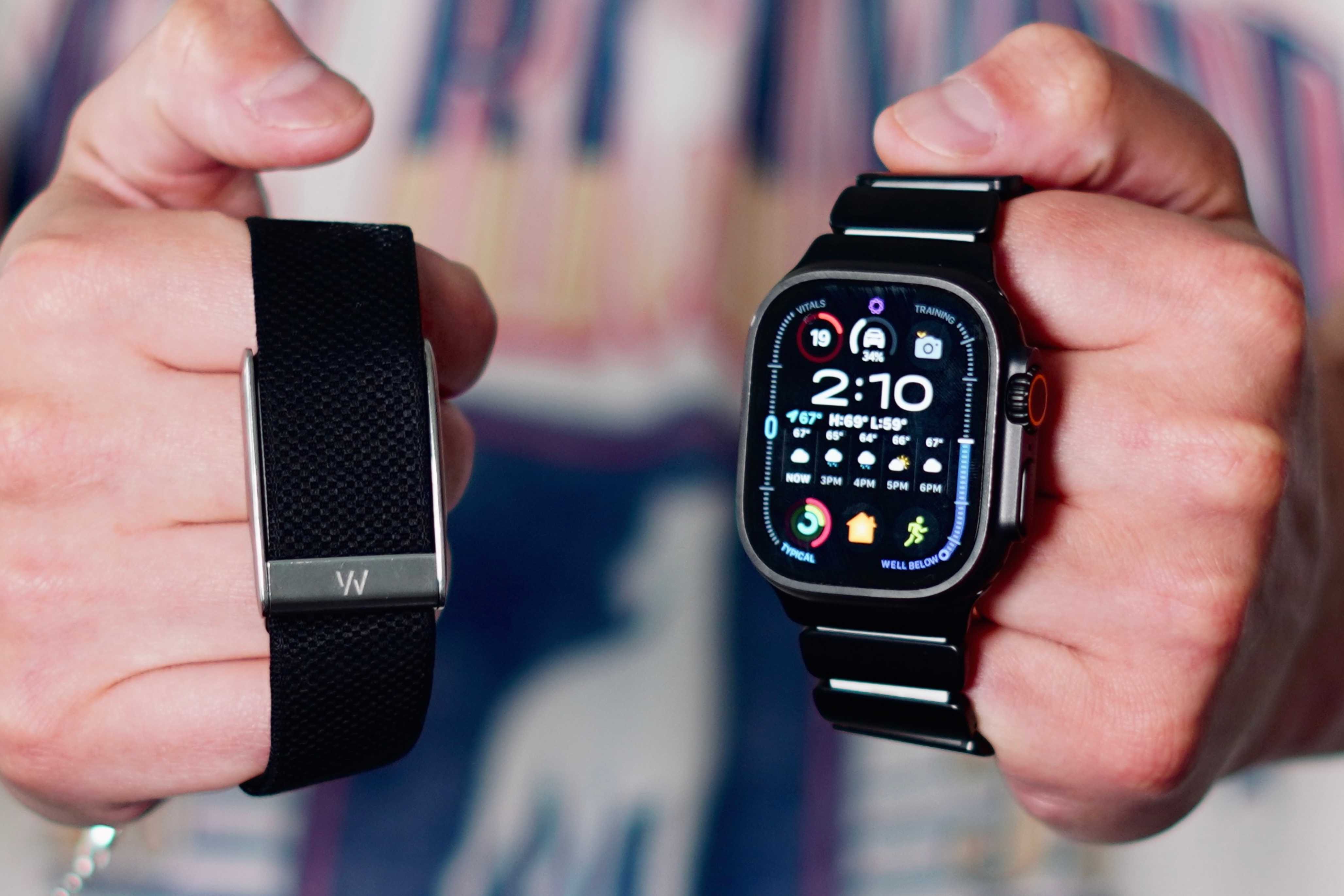
Consider the mechanics of logging a workout. Traditional smartwatches like the Apple Watch allow users to tap the screen, select a specific activity profile (such as outdoor running, functional strength training, or high-intensity interval training), and immediately begin recording. The watch logs precise GPS routes, active heart rates, and exact durations natively.
Conversely, screenless ecosystems rely heavily on either automated workout detection or manual smartphone entry. Automated detection algorithms—while improving through machine learning—remain imperfect. They frequently misclassify brisk walking as running, fail to register complex weightlifting movements accurately, or lag in identifying the exact start and end times of a training session.
When automation fails, the user is forced to pull out their smartphone, unlock the device, open a companion app, and retroactively input or adjust workout parameters. For high-intensity gym sessions, this administrative chore is mildly annoying. For casual activities like a spontaneous bike ride or a long urban walk, having to interact with a smartphone defeats the core promise of a seamless, frictionless fitness tracker.
What Apple Needs to Get Right
If Apple wishes to capture the minimalist market without alienating users accustomed to smartwatch fluidity, its rumored fabric band must address these usability gaps through clever design choices:
- Tactile Inputs and Indicators: Incorporating a subtle, physical tactile button alongside a minimalist LED indicator light would transform the user experience. A user could press the button to manually signal the start or stop of a workout session right on the wrist, deferring the administrative categorization (such as labeling the workout as yoga versus cycling) to a later, more convenient time on the iPhone.
- Advanced On-Device Classification Models: Apple possesses industry-leading machine learning capabilities via its Neural Engine architecture. By deploying localized sensor fusion models directly on the band’s computing module, Apple could dramatically improve automatic activity detection accuracy, recognizing specific movement patterns without requiring manual user intervention.
- Seamless Ecosystem Synchronization: Just as AirPods instantly pair and sync across Apple’s iCloud ecosystem, a screenless fitness tracker must integrate flawlessly with Apple Health. Data handoffs between the fabric band and the iPhone must occur instantaneously and invisibly in the background.
Official Statements and Industry Insights
While Apple has officially declined to comment on future product roadmaps—adhering to its strict corporate policy regarding unannounced hardware—industry analysts and wearable technology experts have weighed in heavily on the strategic implications of a screenless Apple device.

Health tech analysts note that Apple’s entry into the screenless category would legitimize a form factor that has long been viewed as a niche enthusiast market. "Apple does not typically invent product categories; rather, they observe a nascent market, refine the user experience, and scale it to mainstream ubiquity," notes one leading wearable technology researcher. "If Apple introduces a fabric-based health band, it forces competing ecosystems to elevate their software integration and biometric precision."
Furthermore, medical and wellness researchers emphasize the clinical value of continuous, frictionless data collection. Sleep science and recovery metrics rely entirely on longitudinal consistency. Every hour a device spends on a charger is an hour of blind spots in a user’s health profile. By targeting multi-day battery life through a screenless design, Apple could significantly bolster the predictive capabilities of its health algorithms, providing deeper insights into cardiovascular strain, metabolic health, and sleep architecture.
Future Outlook: Will the Minimalist Form Factor Win?
As the technology world looks ahead toward 2028, the central question remains: Who is this device for, and will consumers abandon the smartwatch for a screenless band?
The Advantages of Going Screenless
- Unmatched Comfort: Fabric bands and lightweight modules eliminate the rigid, bulky wrist footprint associated with modern smartwatches. They are significantly more comfortable for 24/7 wear, particularly during sleep.
- Liberation from Notifications: For professionals seeking a digital detox, a screenless band eliminates the constant barrage of text messages, emails, and social media pings flashing on the wrist. While smartwatches offer "Do Not Disturb" modes, the temptation to look at the screen remains psychologically persistent.
- Watch Agnosticism: One of the most glaring limitations of the Apple Watch is that it cannot be worn alongside a traditional mechanical watch. A screenless fabric band occupies minimal wrist space, allowing horology enthusiasts to wear their favorite luxury or vintage timepieces on one wrist while capturing advanced biometric data on the other.
The Counter-Argument: Why Smartwatches Still Reign
Despite these compelling advantages, many tech enthusiasts ultimately gravitate back toward traditional smartwatches. The convenience of glancing at your wrist to check a live map, view real-time workout metrics, answer a phone call in an emergency, or quickly reply to a text message offers utility that a screenless band simply cannot match.
For the average consumer, owning both an Apple Watch and a screenless fitness band represents an unnecessary redundancy. Therefore, Apple’s upcoming device will likely target a specific demographic: athletes who prefer mechanical watches, minimalists suffering from digital burnout, and dedicated health-tracking enthusiasts who prioritize multi-day battery life and sleep tracking above all else.

Conclusion: A Calculated Evolution
Apple’s exploration of a screenless fitness tracker underscores the company’s aggressive, multi-pronged approach to the digital health sector. By catering to both the full-featured smartwatch user and the minimalist biometric tracker enthusiast, Apple is poised to capture virtually every segment of the wrist-worn hardware market.
Whether the device overcomes the historical friction points of screenless tracking will depend entirely on Apple’s software ingenuity and hardware refinement. If Cupertino can successfully merge the deep, passive data collection of a WHOOP band with the intelligent automation of Apple Health, the wait until 2028 may well be worth it.
What are your thoughts on Apple developing a screenless fitness tracker? Would you trade your Apple Watch for a minimalist fabric band, and what price point would make it an essential purchase for your daily routine? Join the discussion in the comments below.