Executive Overview
The long-awaited global release of Ace Combat 8: Wings of Theve should have been a triumphant moment for Bandai Namco and Project Aces. Promising high-octane aerial combat, cutting-edge visuals, and the return of fan-favorite tactical elements, the title’s debut has instead been overshadowed by a major community backlash on Steam. While players who splurged on the $90 Deluxe Edition were granted early access ahead of the official Thursday rollout, standard-edition pre-order customers found themselves enticed by a major piece of gaming nostalgia: the inclusion of Ace Combat Zero: The Belkan War, a universally praised 2006 classic making its long-awaited debut on PC.
However, the execution of this promotion has drawn sharp criticism, threatening to drag Ace Combat 8‘s Steam review ratings down into "Mixed" territory. Nearly 1,000 negative reviews have flooded the platform, citing a litany of technical grievances including performance hiccups, multiplayer connectivity issues, and a lack of proper HOTAS (Hands-On Throttle-And-Stick) support.
Yet, the epicenter of the controversy is a classic bait-and-switch regarding how Ace Combat Zero was packaged. What was initially advertised on Steam store pages as a standalone application has instead manifested as a DLC executable tied entirely to the core installation of Ace Combat 8. This architectural choice forces players to download a massive 140+ gigabyte base game just to experience a 3-gigabyte retro title from two decades ago. Compounded by a lack of separate Steam achievements, cloud-save functionality, and parity with console releases, the promotional gift has turned into a public relations misstep for Bandai Namco.
Detailed Chronology of the Controversy
The Pre-Order Pitch and Initial Expectations
The marketing campaign for Ace Combat 8: Wings of Theve relied heavily on nostalgia to drive early commitments. For years, PC-bound flight simulation and arcade-action enthusiasts had clamored for official ports of legacy titles in the Ace Combat franchise, particularly Ace Combat Zero: The Belkan War. Considered by many to be the narrative and mechanical pinnacle of the PS2 era, Zero featured a legendary mercenary campaign, branching mission structures, and an iconic soundtrack.
When Bandai Namco announced that pre-ordering the standard $70 edition of Ace Combat 8 would grant players access to Ace Combat Zero on PC, it felt like an unmitigated win. For weeks leading up to launch, Steam community discussions were dominated by praise for the publisher’s generosity. Store page listings initially described Zero using terminology that implied a clean, independent software package:
"ACE COMBAT ZERO: THE BELKAN WAR is a standalone application separate from the ACE COMBAT 8: WINGS OF THEVE full game."
The Silent Shift and Launch Day Reality
As early access began for Deluxe Edition buyers and pre-load files decrypted, players quickly realized that reality did not match the initial store page description. Without prominent prior notice, the descriptive text on Steam was altered to read:
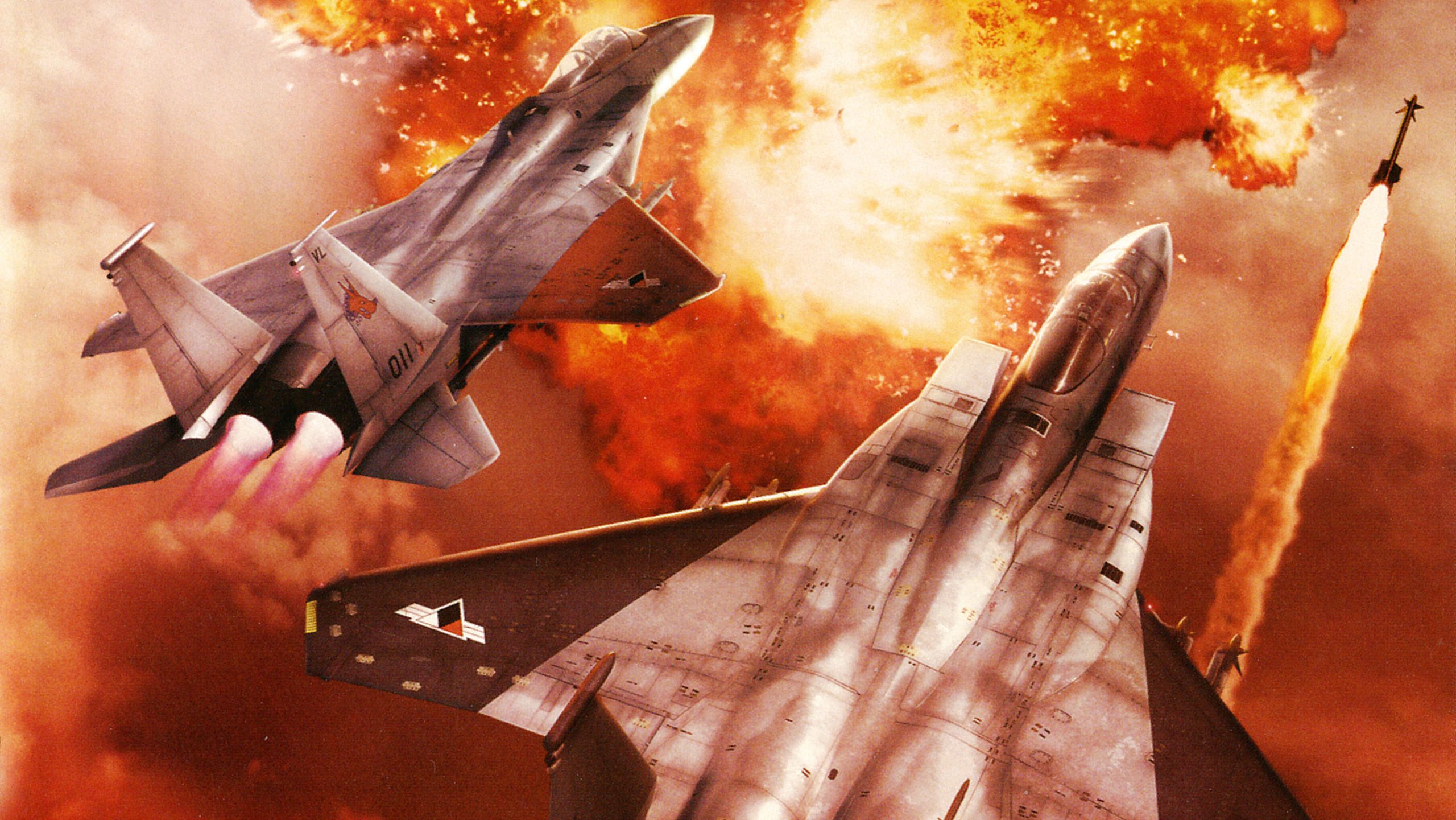
"ACE COMBAT ZERO: THE BELKAN WAR (Steam Version) is available as a DLC executable launched separately from the base game."
This semantic shift carried massive technical implications. Rather than being able to install and run the classic title independently, players discovered they were required to download the entire structural framework of Ace Combat 8, bloating storage requirements to over 140 gigabytes on their solid-state drives just to run a lightweight, 20-year-old game taking up a mere 3.2 gigabytes.
Community Reaction and Review Bombing
The discovery triggered an immediate backlash within the Steam review ecosystem. Users felt misled by the change in product description post-purchase, viewing it as a breach of consumer trust. Reviewers such as community member Akion voiced the sentiment of thousands, emphasizing that the integrity of product descriptions matters deeply to dedicated fans who purchased the title specifically for the classic bonus.
Beyond the storage bloat, players quickly identified secondary omissions that separated the PC version from its console counterparts:
- Absence of Achievements: Unlike the PlayStation and Xbox ecosystems, where Ace Combat Zero boasts its own dedicated achievement and trophy lists, the Steam version shipped completely bare.
- Lack of Cloud Saves: Because Zero is shackled to the Ace Combat 8 directory structure, it lacks standalone cloud save support. This omission severely impacts portable gaming ecosystems like the Steam Deck, where users expect seamless cross-device save synchronization for retro-scale titles.
- General Technical Friction: Compounding the Zero integration issues, early players noted broader technical shortcomings in Ace Combat 8 itself, including heavier flight physics, unstable multiplayer matchmaking, and spotty peripheral support for specialized flight sticks.
Supporting Context & Metrics
To understand the scale of the user dissatisfaction, it is helpful to examine the digital architecture and consumer metrics surrounding the launch:
- Storage Overhead Ratio: The disparity between game asset sizes has become a primary point of ridicule. With Ace Combat 8 consuming approximately 140.24 GB of SSD space, the 3.2 GB Zero DLC accounts for roughly 2.2% of the total installation footprint. For users with limited storage capacity or capped internet bandwidth, downloading a massive modern AAA game to access a legacy title represents a significant logistical hurdle.
- Review Sentiment Shift: Prior to launch, pre-order metrics indicated a robust financial start for Ace Combat 8. However, within the first 48 hours of early availability, negative reviews accumulated rapidly, pushing the overall score down into "Mixed" territory. While performance complaints are standard for modern PC ports, the disproportionate volume of grievances tied specifically to the Zero distribution method highlights a failure in managing consumer expectations.
Official Statements & Industry Precedents
As community frustration mounted, players and analysts began dissecting why Bandai Namco chose such an unwieldy distribution method. Clues emerged from a developer livestream held on September 28, during which Project Aces team members touched upon the licensing complexities governing the real-world aircraft featured in the franchise.
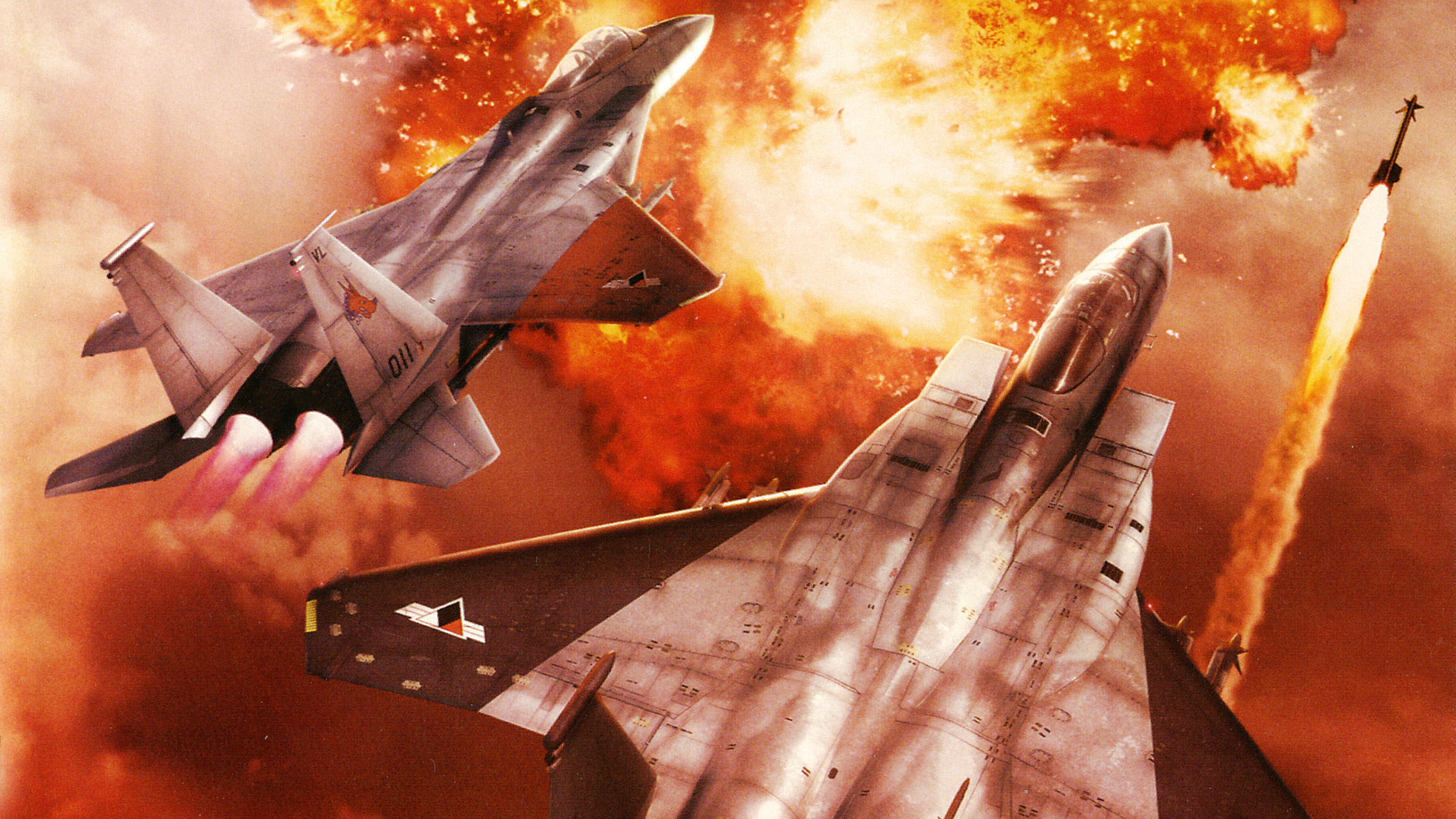
According to developer commentary, the original licensing agreements for military aircraft models from manufacturers like Lockheed Martin, Boeing, and Northrop Grumman strictly permit giving Ace Combat Zero away as a promotional bonus rather than selling it as a standalone, purchasable product on modern storefronts.
However, industry observers have pushed back against the narrative that technical limitations forced Bandai Namco’s hand regarding the Steam implementation. While console ecosystems easily accommodate separate software packages granted via license flags, the PC market offers established precedents for handling unlisted, non-purchasable standalone applications.
A prime comparison can be found in IO Interactive’s handling of legacy content within Hitman World of Assassination. The HITMAN 3 Access Pass: HITMAN 1 Complete First Season serves as a clear technical blueprint:
"Notice: At the request of the publisher, HITMAN 3 Access Pass: HITMAN 1 Complete First Season is unlisted on the Steam store and will not appear in search."
In the case of Hitman, older campaigns are packaged as downloadable content files that integrate smoothly without requiring users to navigate cumbersome architectural dependencies or misleading store descriptions. Critics argue that Bandai Namco could have engineered a similar workaround on Steam to fulfill their initial promise of a truly standalone application structure, preserving both storage efficiency and consumer goodwill.
Future Outlook
As the official Thursday release date approaches, the composition of Ace Combat 8‘s player base will inevitably shift. The initial wave of early-access buyers and dedicated pre-order customers—those most invested in the historical baggage of the franchise—will be joined by casual purchasers who did not pre-order and therefore have no expectations regarding the Zero bonus.
Whether Bandai Namco will issue a hotfix to decouple the executable or streamline the installation footprint remains to be seen. Historically, Japanese publishers have been slow to alter deep-seated distribution frameworks on Steam post-launch, often prioritizing platform parity and anti-tamper measures over local quality-of-life adjustments.
For now, Ace Combat 8: Wings of Theve stands as a cautionary tale of how a well-intentioned fan-service gesture can sour due to opaque communication, sudden store-page revisions, and overlooked technical polish. Unless patched, the lingering friction over Ace Combat Zero threatens to cast a long shadow over what is otherwise a triumphant return to the skies for one of gaming’s most beloved arcade flight franchises.