Executive Overview
The societal fascination with twins has endured for generations, fueled by a pervasive cultural obsession with matching outfits, mirrored milestones, and the uncanny synchronicity often attributed to sibling pairs. Yet, beneath the charming exterior of dual strollers and synchronized laughter lies a complex psychological landscape that developmental psychologists, family therapists, and twins themselves are only recently beginning to fully understand. Historically, twinship was viewed primarily through the lens of logistics—a logistical hurdle for parents managing an increased workload, with little thought given to the intricate emotional, cognitive, and identity-formation challenges experienced by the children.
Decades ago, resources for parents of twins were nearly nonexistent. Families navigated the turbulent waters of twin development largely unaided, relying on old wives’ tales, superficial hospital advice, and an unexamined cultural expectation that twins should function as a singular unit. Today, however, a shift is underway. Modern psychological research illuminates the profound struggles twins face regarding separation anxiety, intense peer competition, "equality insanity," and the lifelong quest for individual identity. Furthermore, researchers now recognize the collateral impact that raising twins has on non-twin siblings, who often grapple with diminished self-worth, parental bandwidth constraints, and feelings of invisibility.
This comprehensive report explores the evolution of twin parenting, the core psychological hurdles of growing up as a twin—ranging from acute property management disputes to adult envy—and the actionable strategies modern parents must implement to foster healthy individualism. By dismantling the "look-alike trap" and treating twins as distinct human beings, families can mitigate lifelong emotional friction and help both twins and their siblings thrive.
Detailed Chronology: The Evolution of Twin Parenting and Research
The Mid-20th Century: Flying Blind in a Sea of Curiosity
Decades ago, the scientific and medical communities offered virtually no structural guidance for parents welcoming multiples. When children were born as twins, the prevailing parental playbook consisted of improvisation. Families were inundated with external curiosity from strangers, neighbors, and extended family members who reduced complex human beings to a novelty act.
In many households, older siblings bore the brunt of this public spectacle. Anecdotal accounts from the mid-century highlight older brothers and sisters standing guard over double strollers, sometimes resorting to humorous yet telling measures—such as attaching signs that read, "Yes, they are twins"—just to preempt the endless barrage of intrusive questions from passersby.
Medical advice during this era was rudimentary at best. Mothers reported receiving isolated, generalized tips from hospital delivery nurses—such as a blanket recommendation to keep newborn twins physically separated. While well-intentioned, such advice failed to account for the biological reality of infant development. Newborn and toddler twins, having shared the womb for nine months, experience deep, visceral distress when separated. Attempting to force physical distance without emotional scaffolding often backfired, leaving exhausted parents to manage escalating tantrums and severe separation anxiety entirely on their own.
Without professional frameworks, households often descended into chaotic environments. A classic childhood anecdote from families of that era—such as three-year-old twins exploring kitchen cupboards and accidentally consuming red furniture polish under the mistaken impression that it was fruit punch—highlights the immense logistical strain placed on single caregivers who lacked proper support systems, specialized parenting groups, or developmental insights.
The Shift Toward Individual Psychology (Late 20th Century)
As developmental psychology matured toward the end of the twentieth century, researchers began studying twin development at greater length. Slowly, the medical and psychological communities realized that treating twins as a single psychological entity was fundamentally counterproductive.
Longitudinal studies began uncovering the necessity of individual development. Researchers stressed that authentic, personal relationships between family members and each twin—relationships completely divorced from comparisons like "how the twins are alike"—were essential for healthy emotional maturation. Professionals stopped telling overwhelmed mothers that they could manage the unique demands of multiples entirely on their own. Parenting twins transitioned from a domestic guessing game into a serious, recognized discipline requiring specialized guidance, emotional awareness, and intentional boundary-setting.
Supporting Context & Metrics: The Core Psychological Hurdles
Understanding the psychology of twinship requires examining the distinct phenomena that emerge within these unique family dynamics. While non-twin siblings navigate typical sibling rivalry, twins face hyper-amplified versions of competition, identity diffusion, and boundary confusion.
+-----------------------------------------------------------------+
|               CORE PSYCHOLOGICAL HURDLES IN TWINSHIP            |
+-----------------------------------------------------------------+
|  1. Separation Anxiety      | Visceral distress when physically |
|                             | or emotionally isolated from twin |
+-----------------------------+---------------------------------+
|  2. "Equality Insanity"     | Extreme fixation on absolute    |
|                             | fairness (food, gifts, status)    |
+-----------------------------+---------------------------------+
|  3. Identity Diffusion      | Struggling to define the self   |
|                             | independent of the "twin" label |
+-----------------------------+---------------------------------+
|  4. Sibling Collateral      | Non-twin siblings experiencing  |
|                             | invisibility and lower status   |
+-----------------------------------------------------------------+
1. Separation Anxiety and the "Unit" Dilemma
At the heart of early twinship is an intense, sometimes overwhelming closeness that manifests as acute separation anxiety. When young twins are separated—whether by circumstance, discipline, or a dispute over a shared toy—the resulting distress can be cataclysmic. Unlike singletons who might cry briefly over a disputed item, twins often experience prolonged, inconsolable grief until they are reunited.
This profound attachment makes early socialization and disciplinary interventions exceptionally difficult. Caregivers frequently find themselves at their wit’s end, trapped between the necessity of enforcing rules and the overwhelming emotional fallout of separating two children who feel incomplete without one another.
2. "Equality Insanity": Competition and Comparison
For better or worse, comparative questioning is an inescapable aspect of being a twin. Society constantly invites comparisons: Who is taller? Who is smarter? Who walked first? Who is the "good" twin and who is the "troublemaker"?
In response to this external pressure, twins often develop an internal obsession with absolute equality, a phenomenon best described as "equality insanity." Within households, this manifests as hyper-vigilant measuring of resources. Twins will meticulously scrutinize food portions, toy counts, and parental attention. In extreme cases, siblings have been known to use kitchen scales to weigh food portions to ensure absolute parity down to the ounce.
This hyper-focus on equality is not merely childish bickering; it is a life-or-death survival mechanism rooted in the fear of being devalued or displaced by one’s own counterpart. When parents fail to manage this competitive impulse, it breeds long-term resentment, ongoing conflict, and perpetual unhappiness.
3. Property Management and Adult Envy
As twins grow from toddlers into adolescents and adults, the boundary issues surrounding personal property become increasingly complex. The intensity with which a twin reacts to receiving one fewer cookie, a slightly different toy, or perceived unequal praise can persist well into adulthood.
In adult life, this manifests as profound envy regarding major life milestones. Adult twins who remain emotionally enmeshed may find themselves agonizingly fixated on matching their sibling’s achievements. If one twin purchases a home, buys a specific car, or takes a particular vacation, the other may experience an overwhelming sense of missing out, leading to friction and possessiveness. Conversely, healthier, well-differentiated twins recognize that they are distinct individuals whose life paths, needs, and desires naturally diverge.
4. The Impact on Non-Twin Siblings
The arrival and presence of twins do not occur in a vacuum; they fundamentally alter the ecosystem for non-twin brothers and sisters. Initially, non-twin siblings experience confusion, jealousy, and frustration. They are forced to share parental attention with a formidable, highly synchronized duo that commands an extraordinary amount of public and domestic bandwidth.
Furthermore, non-twin siblings often suffer from a diminished sense of self-worth. Because twins command massive amounts of public attention—frequently stopping strangers in grocery stores and dominating family conversations—single siblings can feel invisible. Additionally, young twins often display boundary-insensitivity, taking whatever they want from their non-twin siblings without remorse. Teaching twins that their non-twin siblings possess independent rights and personal boundaries requires deliberate, long-term parental guidance.
Official Statements and Expert Perspectives
Modern developmental psychologists and family counselors emphasize that breaking the "look-alike trap" is vital for the psychological health of multiples.
Dr. Joan Friedman, a psychotherapist and recognized authority on twin relationships, has long advocated for the intentional cultivation of individuality among twins. According to clinical consensus, viewing twins as a singular package deal stunts their emotional growth and impairs their ability to form authentic, healthy relationships with the outside world.
"The insistence on treating twins as a matched set is fundamentally damaging to their emerging sense of self," notes developmental literature on family dynamics. "True emotional resilience requires twins to understand that they are separate human beings with distinct emotional landscapes, preferences, and futures. When parents actively dismantle the look-alike trap, they liberate both the twins and their non-twin siblings from the suffocating pressure of comparison."
Parenting experts also stress the importance of addressing external pressures. Strangers asking intrusive questions—"Which one are you?" or "Are you identical?"—may view their inquiries as harmless curiosity, but to a growing child or teenager, such questions are deeply humiliating and reductive. They reinforce the painful reality that society sees them not as people, but as biological curiosities.
Future Outlook: Modern Strategies for Raising Balanced Multiples
As our understanding of family dynamics and child psychology deepens, the future of parenting twins looks markedly different from the trial-and-error approach of past generations. Today’s parents are equipped with proactive frameworks designed to prevent enmeshment, curb destructive comparison, and champion individuality.
To ensure that twins and their non-twin siblings develop into emotionally secure, well-adjusted individuals, child development experts recommend seven foundational strategies for modern parents:
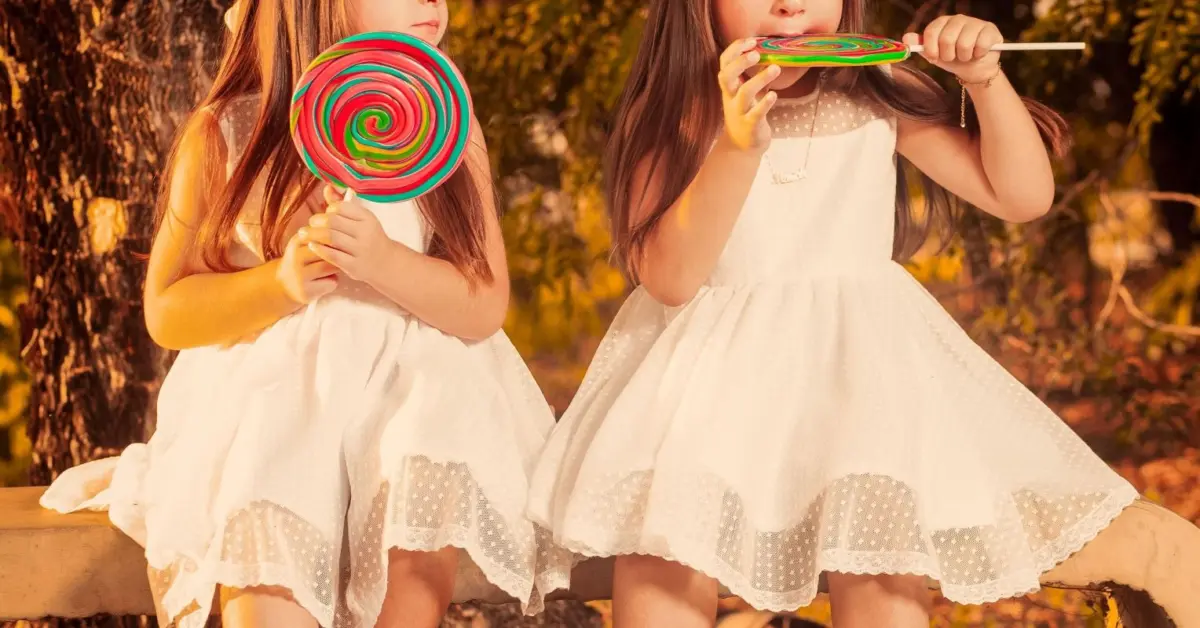
- Ditch the Matching Outfits: Dressing twins in distinct wardrobes from an early age sends a powerful visual signal to both the children and the outside world that they are separate individuals.
- Cultivate Unique Identities: Actively identify and celebrate each child’s unique preferences, dislikes, hobbies, and strengths. Praise them for their individual achievements rather than joint accomplishments.
- Establish One-on-One Time: Dedicate exclusive, uninterrupted time for each twin to spend with parents individually, engaging in activities tailored strictly to their personal interests.
- Connect with Support Networks: Participate in regular parenting groups focused specifically on raising multiples to share experiences, strategies, and emotional support with other families navigating similar dynamics.
- Avoid Opposing Labels: Refrain from labeling twins as permanent opposites (e.g., "the smart one and the sporty one," or "the outgoing one and the shy one"). Labels box children into restrictive roles.
- Zero Tolerance for Favoritism: Maintain rigorous fairness while actively discouraging competitive comparisons. Ensure that discipline, praise, and resources are managed transparently without stoking rivalry.
- Educate the Family: Openly discuss with your household how being a twin differs from being a singleton, ensuring that non-twin siblings feel seen, valued, and respected within the family structure.
By moving past antiquated notions of twinship and embracing intentional, individualized parenting, families can transform what was once a chaotic and stressful domestic balancing act into a nurturing environment where every child—twin or singleton—can truly flourish on their own terms.