Executive Overview
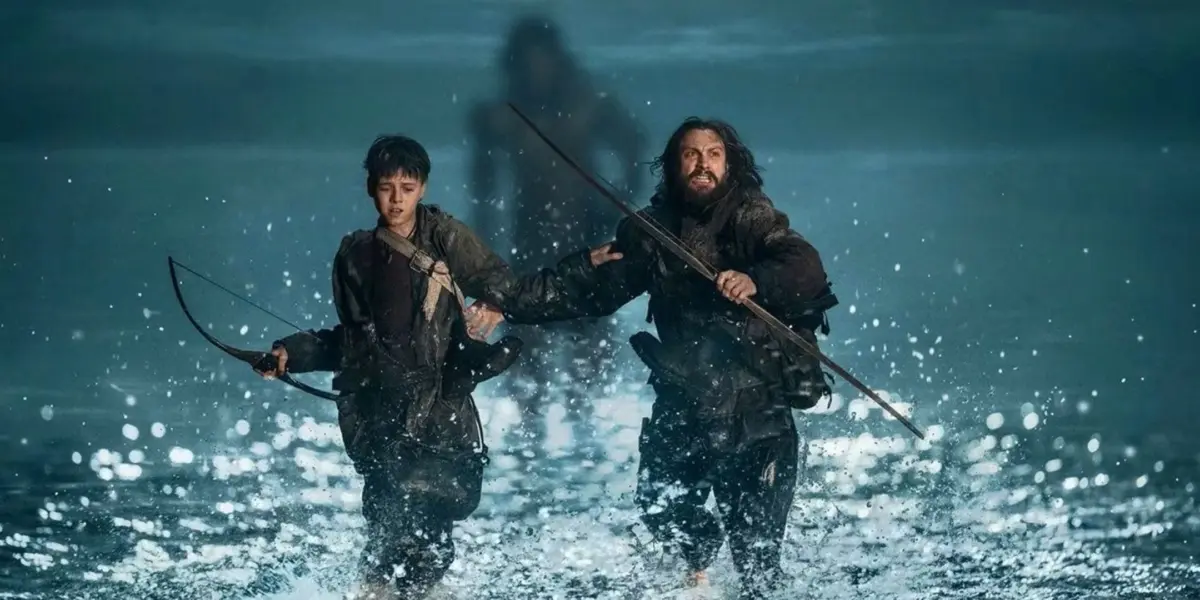
The landscape of modern cinematic horror underwent a seismic shift with the arrival of 28 Days Later in 2002, a film that redefined the zombie subgenre by injecting it with blistering speed, existential dread, and high-art direction courtesy of director Danny Boyle and writer Alex Garland. More than two decades later, the return of this universe via 2025’s 28 Years Later and its 2026 follow-up, 28 Years Later: The Bone Temple, proved that the terror of the "Rage" virus had lost none of its potency.
Yet, as the dust settles on 2026, the trajectory of the planned trilogy’s grand finale remains shrouded in uncertainty. Despite the rapid back-to-back rollout of the first two installments, the third film has experienced a notable stall in active production. However, during a recent appearance at the Zurich Film Festival, director Danny Boyle offered a much-needed beacon of hope for fans agonizing over the franchise’s future.
While the trilogy’s conclusion has not yet received an official greenlight from studio executives, Boyle confirmed that writer Alex Garland has already penned a script he describes as "very good." Furthermore, Boyle expressed unwavering confidence that market demand and persistent fan engagement will ultimately drag the final installment across the finish line. This report explores the current state of the 28 Years Later trilogy, the implications of its cliffhangers, the prospective return of Cillian Murphy, and Boyle’s broader reflections on Hollywood, including his surprising choice for the next James Bond.
Detailed Chronology: From the Genesis of Rage to The Bone Temple
To understand the current limbo surrounding the third film, it is crucial to map out the accelerated development timeline that brought the franchise back to life.
- 2002: Danny Boyle directs 28 Days Later, starring Cillian Murphy as Jim, a courier who awakens from a coma to find London decimated by a contagious, rage-inducing pathogen. The film becomes a critical and commercial phenomenon, grossing over $84 million globally on an $8 million budget and permanently altering how media portrays the "fast zombie."
- 2007: Juan Carlos Fresnadillo directs the spiritual sequel, 28 Weeks Later, shifting focus to the military’s botched attempts at repopulating a quarantined London. While maintaining the franchise’s trademark kinetic violence, it operates independently of Jim’s original narrative arc.
- 2025: After nearly two decades of dormancy, Sony Pictures and the original creative team revitalize the property with 28 Years Later. Directed by Boyle with a script by Garland, the film is met with widespread critical acclaim for its mature exploration of societal decay, aging populations, and the long-term ecological impact of a quarantined British Isles.
- Early 2026: 28 Years Later: The Bone Temple hits theaters, expanding the mythology and introducing stark new factions within the ruined landscape. The film ends with a jaw-dropping tease: the formal re-emergence of Cillian Murphy’s Jim, setting up an inevitable collision course with newer characters like Spike (Alfie Williams) and Kellie (Erin Kellyman).
- Late 2026: At the Zurich Film Festival, Danny Boyle addresses the deafening silence regarding the third film, confirming the existence of Garland’s completed screenplay while admitting that an official production greenlight remains pending.
Supporting Context & Metrics: Rebuilding a Modern Horror Empire
The commercial viability of the 28 Years Later revival cannot be overstated. In an era dominated by corporate intellectual property milking and safe, PG-13 supernatural horror, the return of the Rage virus proved that audiences still crave uncompromising, R-rated auteur horror.
The strategy employed by Sony Pictures—fast-tracking the initial production blocks of the new trilogy—allowed the production team to maintain a consistent aesthetic and tonal cohesion. However, this breakneck pace has abruptly hit a wall following the release of The Bone Temple. While the exact budgetary figures for the third film have not been disclosed, industry analysts suggest that the escalating scale of the narrative—particularly if it incorporates high-profile legacy actors and complex action set pieces—demands a rigorous financial review from studio accountants.
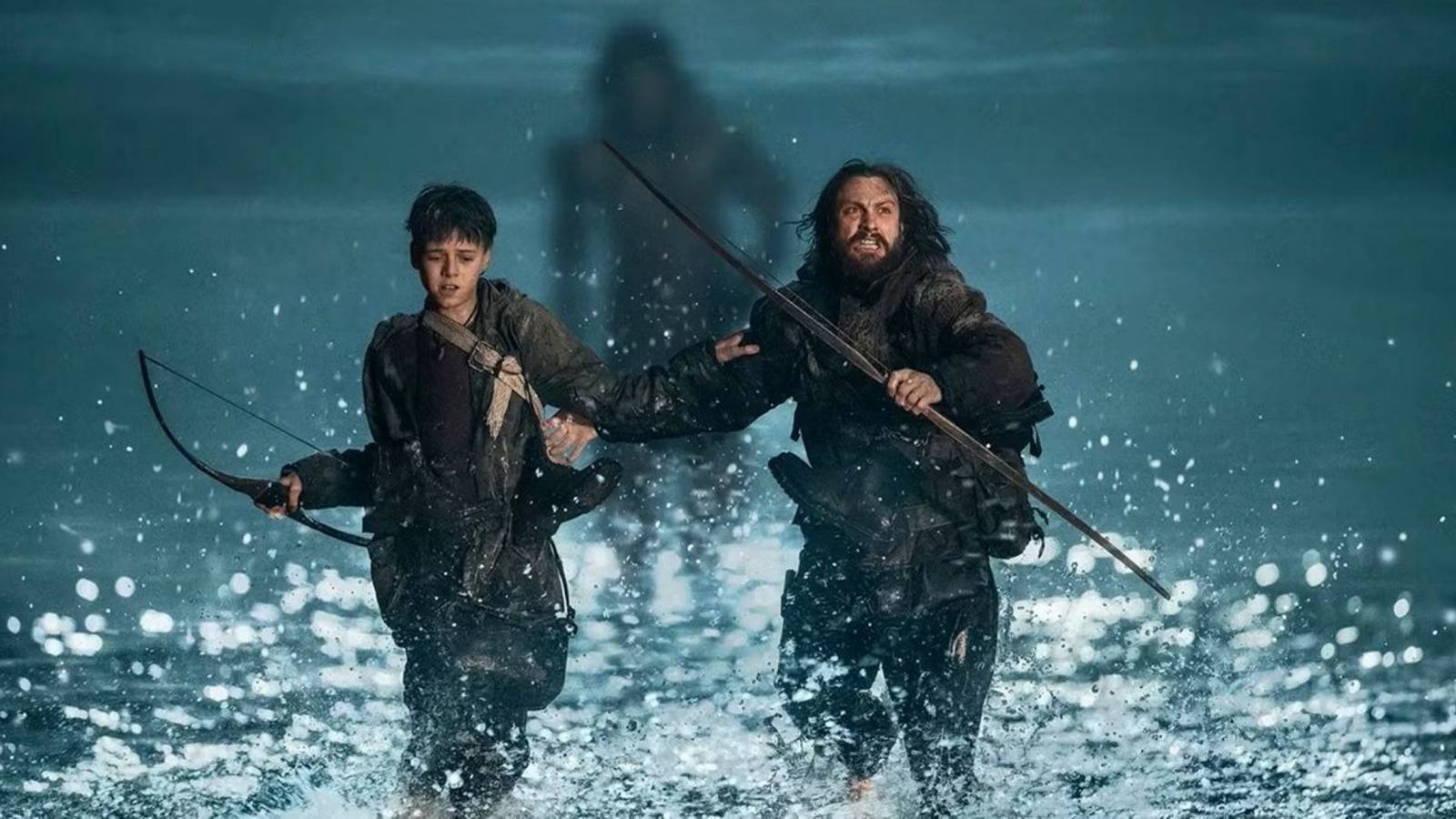
Moreover, the horror landscape has evolved significantly since 2025. Box office triumphs like Ryan Coogler’s Sinners have demonstrated that audiences are hungry for high-concept, genre-blending horror featuring intense character work. The 28 Years Later franchise fits squarely into this prestige horror renaissance. The inclusion of actors like Jack O’Connell—who bridges the gap between Boyle’s universe and other major horror projects—underscores a deliberate effort to cast performers with intense physical presence and dramatic gravitas.
Official Statements: Danny Boyle on the Trilogy’s Future and the Shadow of James Bond
Speaking candidly at the Zurich Film Festival, Danny Boyle addressed the elephant in the room regarding the untitled third chapter. As reported by Variety, Boyle’s remarks struck a balance between pragmatic realism and creative optimism.
"28 Years 3, or whatever it ends up being called, will get made because people keep asking about it," Boyle told festival attendees.
While he could not provide a definitive production timeline, Boyle heaped praise on his longtime collaborator, writer Alex Garland. According to the director, Garland has completed the screenplay for the finale, and the material is, in Boyle’s words, "very good."
Despite this creative green light from the writer’s room, the real hurdle lies in corporate boardrooms. The trilogy’s conclusion has yet to be officially sanctioned by the studio, a delay that highlights the precarious nature of modern franchise filmmaking, where creative momentum must constantly negotiate with financial risk assessments.
Reflections on No Time to Die and the Future of 007
In the same interview, Boyle pivoted from the blood-soaked streets of post-outbreak Britain to the sleek espionage of MI6. The director famously was attached to helm No Time to Die before creative differences with producers and star Daniel Craig led to his dramatic departure from the project.

Reflecting on the fallout, Boyle was candid: "They lost confidence in it. It’s a shame, because it could have been really good." The film was ultimately handed over to Cary Joji Fukunaga, while Denis Villeneuve—who was originally courted for the Bond gig prior to Boyle—remains a favorite in industry speculation for future installments.
When the conversation turned to who should eventually succeed Daniel Craig as James Bond, Boyle offered a compelling endorsement rooted in his own casting choices: Jack O’Connell. Having worked with O’Connell on the first 28 Years Later and the upcoming film Ink, alongside the actor’s terrifying turn as the charismatic vampire Remmick in Sinners, Boyle views O’Connell as possessing the raw, unpredictable edge necessary to modernize Britain’s most famous secret agent.
Future Outlook: What Lies Ahead for Jim, Spike, and the Rage Virus?
As the film industry looks toward the horizon, the ultimate fate of the 28 Years Later trilogy rests on a knife-edge. The narrative pieces are undeniably in place. The Bone Temple successfully established a bridge between the old guard of the franchise and a desperate new generation trying to survive in a Britain fundamentally altered by decades of isolation and viral mutation.
If—or, as Boyle suggests, when—the third film is officially greenlit, the narrative focus will almost certainly center on the reunion between Jim, Spike, and Kellie. Cillian Murphy’s return transforms the trilogy from a mere nostalgic cash-grab into a sweeping, generational epic about survival, trauma, and the impossibility of outrunning one’s past.
For now, fans must exercise patience. The Rage virus moves with blinding speed on screen, but cinematic alchemy of this scale takes time. As long as the audience’s appetite remains insatiable, the infected—and the men and women who document their harrowing world—will eventually return to the silver screen to write the final, bloody chapter of human history.