By the Editorial Desk
Published: Special Investigation
Executive Overview
For a generation that grew up alongside the digital revolution, the internet was once promised as a borderless expanse of utopian connection. In its early iterations, cyberspace offered a playground where identity could be fluidly constructed, communities could form around hyper-specific niches, and creativity required nothing more than an internet connection and a spark of raw imagination. Yet, over the span of two decades, this sprawling digital wilderness has been thoroughly commercialized, enclosed, and optimized.
Today, social media platforms no longer serve primarily as social spaces. Instead, they operate as hyper-efficient extraction engines—vast, transactional marketplaces where human expression, social validation, and authentic community are systematically converted into monetization metrics.
This deep-dive investigation explores the systemic erosion of digital intimacy through the lens of creators, cultural observers, and psychological research. It charts the journey from the formative days of MSN Messenger and MySpace to the hyper-curated, algorithmic landscapes of TikTok and Instagram. By examining how modern digital capitalism co-opts grassroots creativity, we unpack a paradox of our hyper-connected era: despite boasting thousands of digital followers, individuals are experiencing unprecedented levels of social isolation. Finally, this piece explores the burgeoning cultural resistance—a conscious retreat into analog spaces, unrecorded hobbies, and unmonetized joy.
Detailed Chronology: The Evolution and Enclosure of Digital Space
To understand the profound fatigue defining contemporary digital life, one must trace the historical trajectory of the internet over the past twenty-five years. The transformation of cyberspace from a community-driven frontier to an industrialized attention economy did not happen overnight; it was a deliberate, structural migration.
Phase I: The Playground Era (Late 1990s – Mid 2000s)
In the early days of widespread internet adoption, platforms like MSN Messenger, ICQ, early message boards, and MySpace functioned as digital extensions of the bedroom and the schoolyard. Users invested hours crafting cryptic status messages, customizing profile layouts with rudimentary HTML, and exchanging inside jokes with tight-knit circles of peers.
During this era, digital expression was inherently localized and insular. A twelve-year-old could direct neighborhood friends in a chaotic, low-fidelity zombie film using a bulky 1990s camcorder—laughing at the absurd creation on a tiny screen—without ever harboring the subconscious expectation that the footage needed to be packaged for public consumption, optimized for search engines, or validated by strangers. Content creation was defined by an absence of audience anxiety.
Phase II: The Public Square and the Birth of the Creator (Late 2000s – Early 2010s)
As Web 2.0 matured, platforms like YouTube, early Twitter, and Facebook invited users to step outside their immediate peer groups and address a broader public. For marginalized voices and subcultures, this transition offered a revolutionary lifeline. Independent creators—particularly women, people of color, and queer artists—began producing pioneering content that dissected media tropes, explored societal hypocrisies, and critiqued institutional power structures through personal, humorous, or analytical formats.
Creators during this transitional window often found solace in modest, highly engaged communities. Viral fame was rare; instead, creators built micro-communities based on shared emotional resonances. A video examining everyday microaggressions or cultural absurdities—such as the casual sexualization of public spaces—could serve as a connective tissue, validating the lived experiences of viewers who felt isolated in their offline lives. Many foundational friendships and lifelong bonds were forged during this era, predicated on mutual recognition rather than algorithmic placement.
Phase III: The Corporate Monopoly and Algorithmic Enclosure (Mid 2010s – Present)
By the late 2010s, venture capital injection, aggressive monetization strategies, and corporate consolidation transformed the digital landscape. Platforms shifted away from chronological timelines—which prioritized chronological updates from friends and family—toward engagement-driven, algorithmic feeds.
In this current paradigm, attention is the primary currency. Every interaction is monitored, measured, and monetized. Grassroots creativity has been largely displaced by professionalized influencer culture, where authenticity itself is manufactured as a marketable aesthetic. The boundary between private life and public commerce has collapsed entirely, leaving users trapped in an endless loop of performative existence.
Supporting Context & Metrics: The Crisis of Digital Isolation
The psychological toll of this systemic shift is well-documented. While digital platforms market themselves as tools for connection, empirical research reveals an inverse relationship between intensive social media consumption and psychological well-being.
The Loneliness Epidemic
A landmark 2017 study published in the American Journal of Preventive Medicine examined the relationship between social media use and perceived social isolation among young adults in the United States. The findings demonstrated a significant, linear correlation: individuals who spent the most time on social media platforms were substantially more likely to feel socially isolated than those who spent less time online.
[High Social Media Consumption] ---> [Algorithmic Amplification of Idealized Lifestyles]
                                            │
                                            ▼
[Perceived Social Isolation]   <--- [Erosion of Authentic, Mutual Vulnerability]
This phenomenon, often termed "the paradox of connectivity," stems from the nature of modern digital engagement. When users are perpetually fed highlight reels of curated perfection, sponsored lifestyles, and frictionless success, their baseline for human interaction becomes distorted. The digital space ceases to be a mutual exchange of vulnerabilities and transforms instead into a perpetual comparative arena.
The Labor of Existing Online
For those who transitioned from casual creators to professional digital laborers, the psychological burden is compounded by economic necessity. The platform economy has successfully co-opted creative expression, converting passions into hustle culture.
- The Quantified Self: Every hobby, relationship milestone, and domestic interior must be aestheticized to satisfy algorithmic demands.
- The Performance Trap: Creators report that failing to "perform" according to platform-specific parameters results in algorithmic penalization, directly threatening their livelihoods.
- The Erasure of the Private Self: The pervasive cultural question—"If I don’t post it online, did it even happen?"—reflects a deep-seated anxiety regarding digital non-existence. When self-worth is tethered to metrics, stepping away from the screen feels perilous.
Official Statements & Cultural Perspectives
Industry insiders, cultural critics, and creators who have lived through the entire lifecycle of modern social media offer stark assessments of the current digital ecosystem.
"We have reached a point where platforms are nominally called ‘social,’ yet they have engineered away the very mechanisms of genuine socialization. We are not communicating; we are broadcasting to an automated ledger that demands continuous tribute in the form of engagement."
— Dr. Elena Vance, Digital Sociologist and Media Theorist
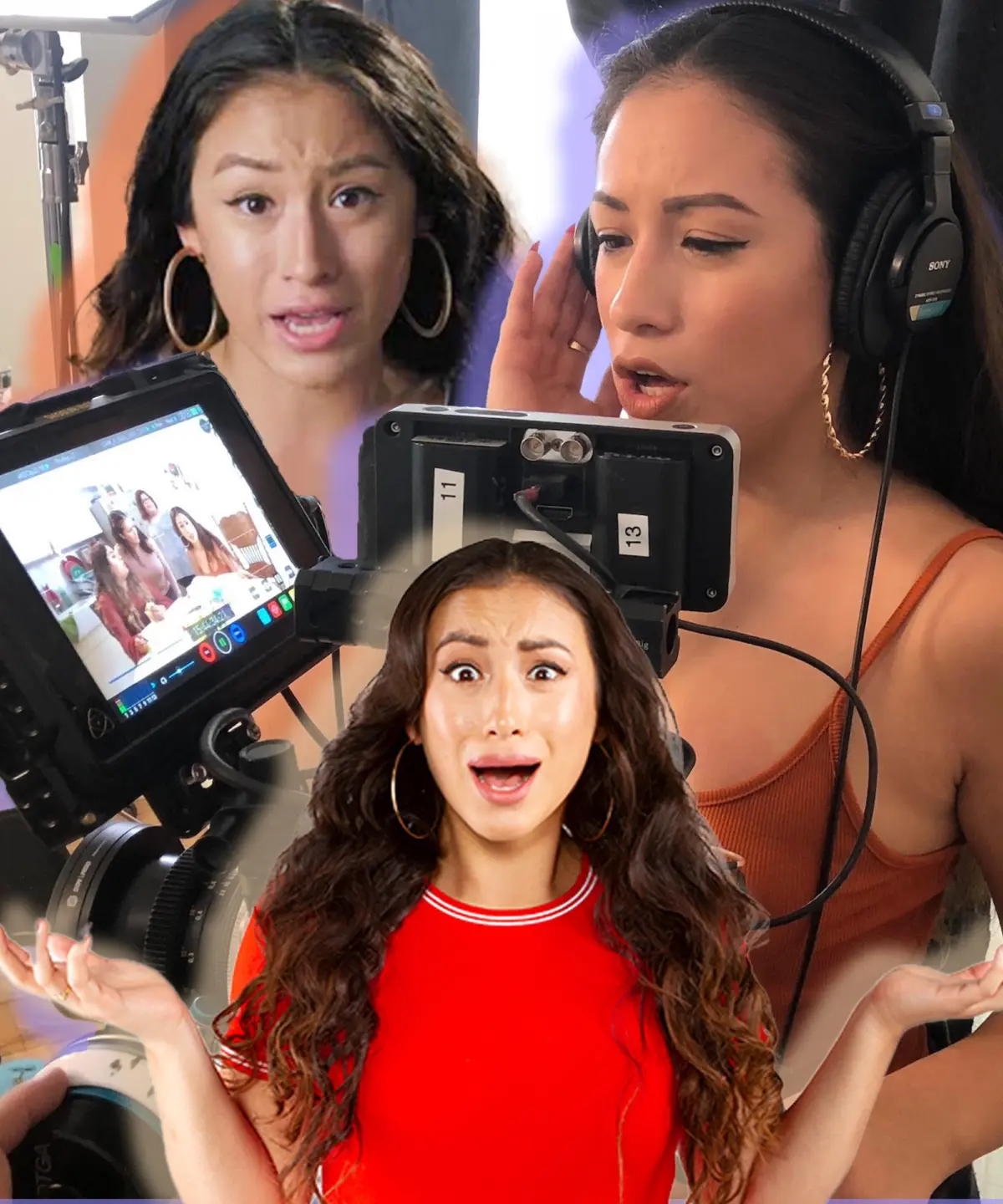
Reflecting on her journey from an early YouTube creator critiquing media tropes to a documentary producer collaborating with major streaming networks, cultural critic and filmmaker Kat Lazo notes the profound ambivalence many early internet pioneers feel toward today’s digital landscape:
"I owe my entire career to the internet. Those messy, unpolished, passionate early videos taught me how to produce, direct, and tell stories. But the capitalist transformation of social media has sucked the oxygen out of the room. It demands that everything—from a dinner with friends to a home renovation—become a transaction. We are no longer performing for ourselves or for each other; we are performing for the algorithm."
This perspective highlights the core tragedy of platform capitalism: it identifies genuine human talent, organic community-building, and authentic cultural production, packaging them into optimized extraction funnels that ultimately exhaust the creators who built them.
Future Outlook: Reclaiming the Analog and the Unmonetized Self
As fatigue with hyper-surveilled, transactional digital spaces reaches a critical mass, a counter-movement is quietly taking shape. Across demographics, individuals are rejecting the compulsion to document every facet of their lives, seeking instead to reclaim the unmonetized, unrecorded self.
The Rise of Digital Minimalism and Offline Sanctuary
The future of human creativity and connection likely lies in intentional disconnection. This is not a technophobic rejection of the digital world, but a conscious renegotiation of boundaries. Contemporary cultural shifts point toward several key adaptations:
- The Decoupling of Hobby and Content: People are increasingly taking up physical, tactile crafts—such as woodworking, painting, gardening, and analogue photography—with a strict personal policy: no photos, no posts, no metrics. The value of the activity is entirely bound up in the joy of creation and the utility of the finished object for the creator or their immediate loved ones.
- Private Digital Enclaves: Users are retreating from public, ad-supported megaplatforms in favor of encrypted messaging groups, private newsletters, and small-scale digital gatherings that mirror the intimate chat rooms of the early web.
- Redefining Public Presence: For professional creators and public figures, setting firm boundaries around personal life is becoming recognized as an essential mental health preservation strategy. The pressure to maintain a 24/7 parasocial availability is slowly being challenged as an unsustainable labor model.
Conclusion: Toward a Post-Algorithmic Future
The commercialization of the internet fundamentally altered how human beings relate to their own creativity, their memories, and one another. By turning social life into an ad-supported inventory, platforms created a world that is louder, faster, and infinitely lonelier.
Yet, the human impulse toward genuine, unmediated connection remains resilient. Whether it is a group of friends gathering around a hand-built dining table to share a meal, laugh, and create memories that belong strictly to the people in the room, or an artist painting simply because the act brings peace, the analog sanctuary is being rebuilt.
Social media may forever remain a supporting infrastructure for modern life, but its monopoly on human joy is beginning to fracture. In stepping back from the algorithmic stage, we open up the necessary space to remember who we were before we were told we had to perform for a crowd.