Executive Overview
The announcement of the nominees for The Game Awards 2026 has brought into sharp focus an industry-wide pivot toward traditional, blockbuster-scale game development. Despite launching with dramatic timing—arriving ahead of formal critical reviews and prior to public consumer access—Rockstar Games’ Grand Theft Auto 6 dominated the discourse, securing eight prominent nominations, including the coveted Game of the Year (GOTY) slot.
Rather than highlighting an eclectic, unpredictable mix of boundary-pushing indie titles and inventive genre-defiers, the 2026 ballot reflects a remarkably conservative consensus. The global voting jury—composed of hundreds of international media outlets and influencers—has retreated to safe territory, favoring high-budget cinematic action-adventures over eccentric experiments. As a result, the industry’s most prestigious showcase faces renewed scrutiny regarding its voting mechanics, genre representation, and systemic biases toward AAA blockbuster powerhouses.

Detailed Chronology: The Road to the 2026 Nominations
The pathway to The Game Awards 2026 nominations was paved with intense speculation, community fervor, and shifting industry narratives.
Q1–Q2 2026: The Hype Cycle and the Shadow of GTA 6
As the gaming calendar unfolded through the first half of 2026, publishers eyed the autumn window with a mixture of anticipation and dread. Rumors regarding Grand Theft Auto 6‘s rollout dominated trade publications and investor calls alike. While titles like Pearl Abyss’s Crimson Desert generated immense early pre-release buzz, and indie darlings like Big Walk maintained steady pockets of enthusiastic anticipation, the shadow of Rockstar’s upcoming juggernaut effectively dictated the pacing of the industry.

Q3 2026: Critical Divides and Shifting Fortunes
By late summer, the critical landscape began to fracture. Highly anticipated titles experienced mixed receptions. Remedy Entertainment launched Control Resonant, which met with a divisive critical response—earning a solid yet comparatively modest Metacritic score of 83. Simultaneously, Crimson Desert, which many fans tipped as a dark horse for the GOTY race, stumbled out of the gate with a polarized critical reception, despite vigorous community support and a relentless update schedule from its developers.
November 2026: The Nomination Drop
When Geoff Keighley and The Game Awards committee revealed the official 2026 nominees mid-November, the industry received a shockwave of predictability. Despite an open field that could have easily welcomed distinct cultural touchstones such as Pokémon Pokopia, Big Walk, or Fire Emblem: Fortune’s Weave, the final GOTY lineup heavily favored familiar, cinematic properties. Grand Theft Auto 6 commanded an impressive eight nominations across craft and general categories. Concurrently, other major contenders like Remedy’s Control Resonant captured six nods, cementing a night dominated almost entirely by high-end, AAA action-adventure properties.

Supporting Context & Metrics: Analyzing the 2026 Field
A quantitative examination of the 2026 Game Awards ballot reveals distinct trends regarding how the international jury evaluates modern video games.
1. Grand Theft Auto 6: Power Across All Metrics
Rockstar Games secured eight nominations for GTA 6 prior to the game’s official review embargo lifting. While falling short of the historical record set by Clair Obscur: Expedition 3 (which pulled 13 nominations in 2025), GTA 6 maximized its eligibility by sweeping every category for which it qualified.
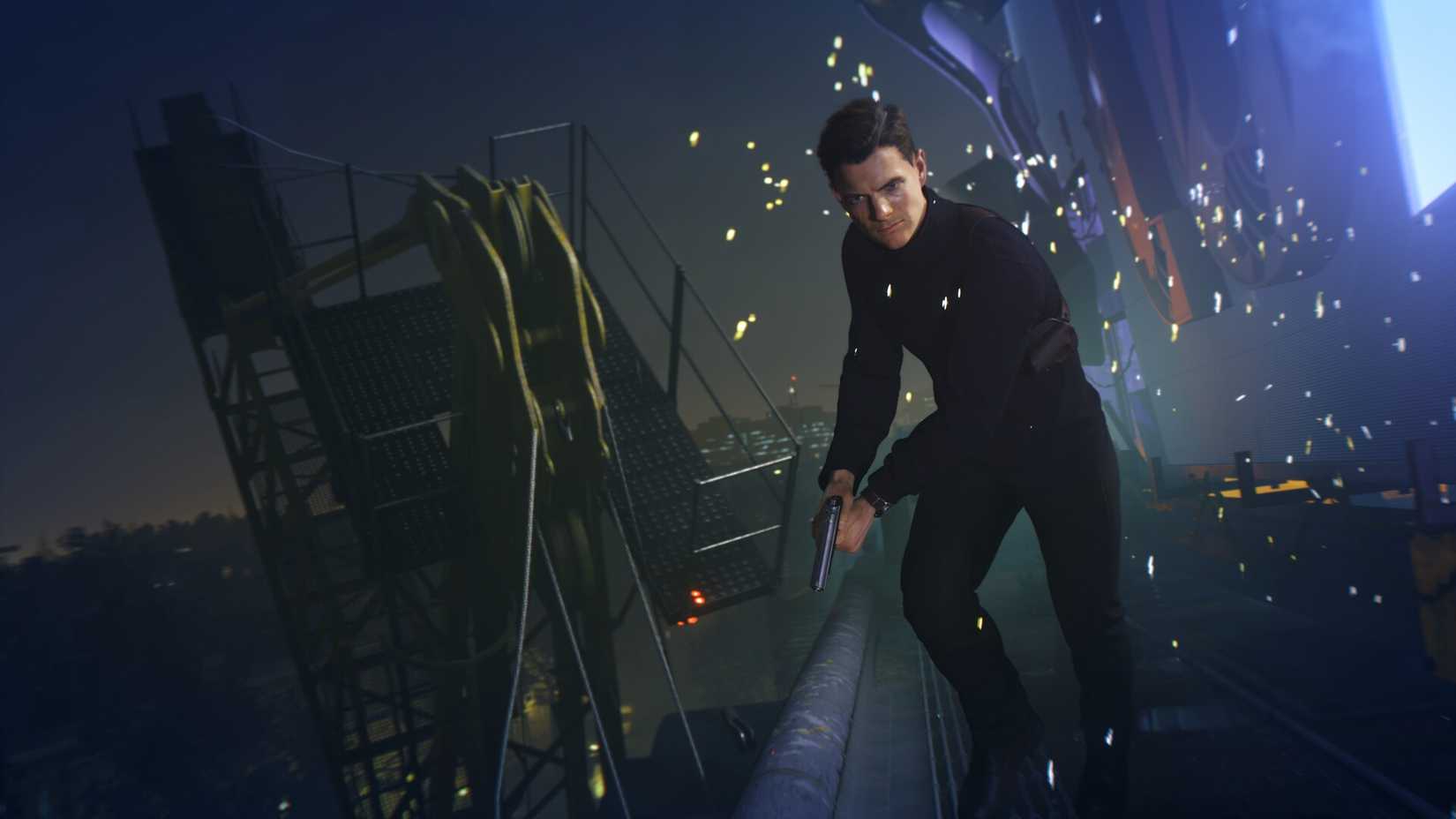
- Categories Secured: Game of the Year, Best Game Direction, Best Narrative, Best Performance, Best Audio Design, Best Score/Music, and Best Action/Adventure Game.
- Metacritic Context: While historical Rockstar titles boast Metacritic averages of 97, the preemptive nature of these nominations underscores a jury operating on brand prestige and technical expectations rather than a finalized critical consensus.
2. The Homogenization of the GOTY Lineup
The diversity of the Game of the Year category has experienced a severe contraction compared to previous years:
- 2024 GOTY Lineup: Featured a blend of three complex RPGs, one platformer, one action-adventure title, and an indie card game.
- 2025 GOTY Lineup: Comprised two RPGs, two indie action titles, one platformer, and one action-adventure.
- 2026 GOTY Lineup: Features five distinct action-adventure titles and one action game stylistically indistinguishable from an action-adventure.
Although three of these nominees are self-published by independent studios—marking an encouraging commercial trend—their structural adherence to the AAA action-adventure blueprint highlights a narrowing of mainstream taste.

3. The Remedy Anomaly and Metacritic Discrepancies
Remedy Entertainment continues to enjoy a remarkably favorable position with The Game Awards jury. Control Resonant secured six nominations—including Game Direction, Narrative, and Game of the Year—despite holding an 83 Metacritic score. This trend mirrors historical voting patterns where the original Control (Metascore: 82) and Alan Wake 2 punched far above their numerical critical averages, frequently beating out universally revered giants like The Legend of Zelda: Tears of the Kingdom and Baldur’s Gate 3 in artistic categories.
Official Statements and Industry Reactions
The fallout from the nominee reveal triggered widespread debate across game development studios, media outlets, and consumer forums.

- On the Conservative Shift: Prominent industry critics and analysts voiced concern over the lack of structural diversity on the ballot. Veteran trade commentators noted that while 2026 was admittedly a softer year for traditional role-playing games, the complete erasure of innovative indie breakthroughs signals an echo-chamber effect within the international voting jury.
- The Pearl Abyss Aftermath: Representatives for Pearl Abyss acknowledged the community backing for Crimson Desert, which ultimately secured a single nomination for Best Community Support. Industry observers pointed to the game’s total shut-out in craft and role-playing categories as a stark reminder of the heavy influence wielded by institutional game reviewers.
- Critiques of Voting Mechanics: Independent developers and journalists zeroed in on the structural inconsistencies regarding category size limits. With categories fluctuating arbitrarily between five and six nominees based on opaque tie-breaking protocols, industry stakeholders called for systemic overhauls—such as the implementation of preferential voting ballots—to restore transparency and fairness.
Future Outlook: What the 2026 Awards Mean for the Industry
The 2026 Game Awards nominations serve as a diagnostic tool for the health, ambitions, and commercial realities of contemporary game development. As budgets soar and the risks associated with AAA production reach unprecedented heights, publishers are increasingly incentivized to stick to proven, cinematic formulas.
Looking forward to future ceremonies, several critical questions remain:
- Will Indie Innovators Be Marginalized Permanently? If blockbuster action-adventures continue to crowd out smaller, conceptual titles from premier categories, independent developers may rely increasingly on alternative showcases to secure recognition.
- Reforming the Jury System: Pressure is mounting on Geoff Keighley and the advisory committee to modernize the voting process. Moving toward transparent, mathematically rigorous systems like preferential voting will be essential to prevent arbitrary category expansions and safeguard the integrity of the tally.
- The Post-GTA 6 Landscape: With Rockstar’s blockbuster setting the commercial and critical benchmark for the immediate future, subsequent game cycles will have to contend with a development ecosystem heavily influenced by GTA 6‘s structural footprint.
Ultimately, The Game Awards 2026 will be remembered not merely for who wins the golden statuettes, but as the year the institution retreated into its comfort zone—prioritizing cinematic spectacle, corporate scale, and familiar prestige over the unpredictable frontiers of interactive media.