For decades, the global imagination has been captured by the world’s most formidable peaks, yet none hold quite the austere, unforgiving reputation of K2. Often referred to simply as "The Savage Mountain," K2 stands at 8,611 meters (28,251 feet) above sea level on the border between China and Pakistan. Unlike Everest, there is no easy route up K2; every single path is steep, exposed, and plagued by objective hazards like avalanches, falling seracs, and brutally fickle weather.
Yet, conquering K2 was not enough for a select group of elite mountaineers. The final frontier of Himalayan and Karakoram mountaineering remained the winter ascent—a feat long deemed nearly impossible due to hurricane-force winds, sub-zero temperatures that can instantly shatter frozen tissue, and near-total darkness for months on end.
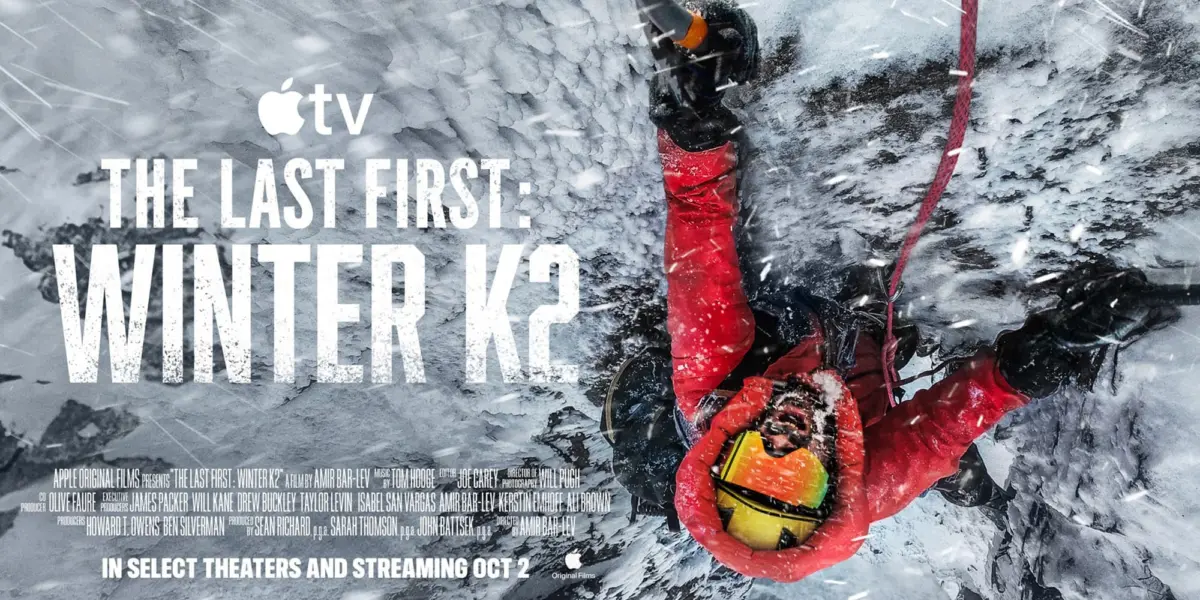
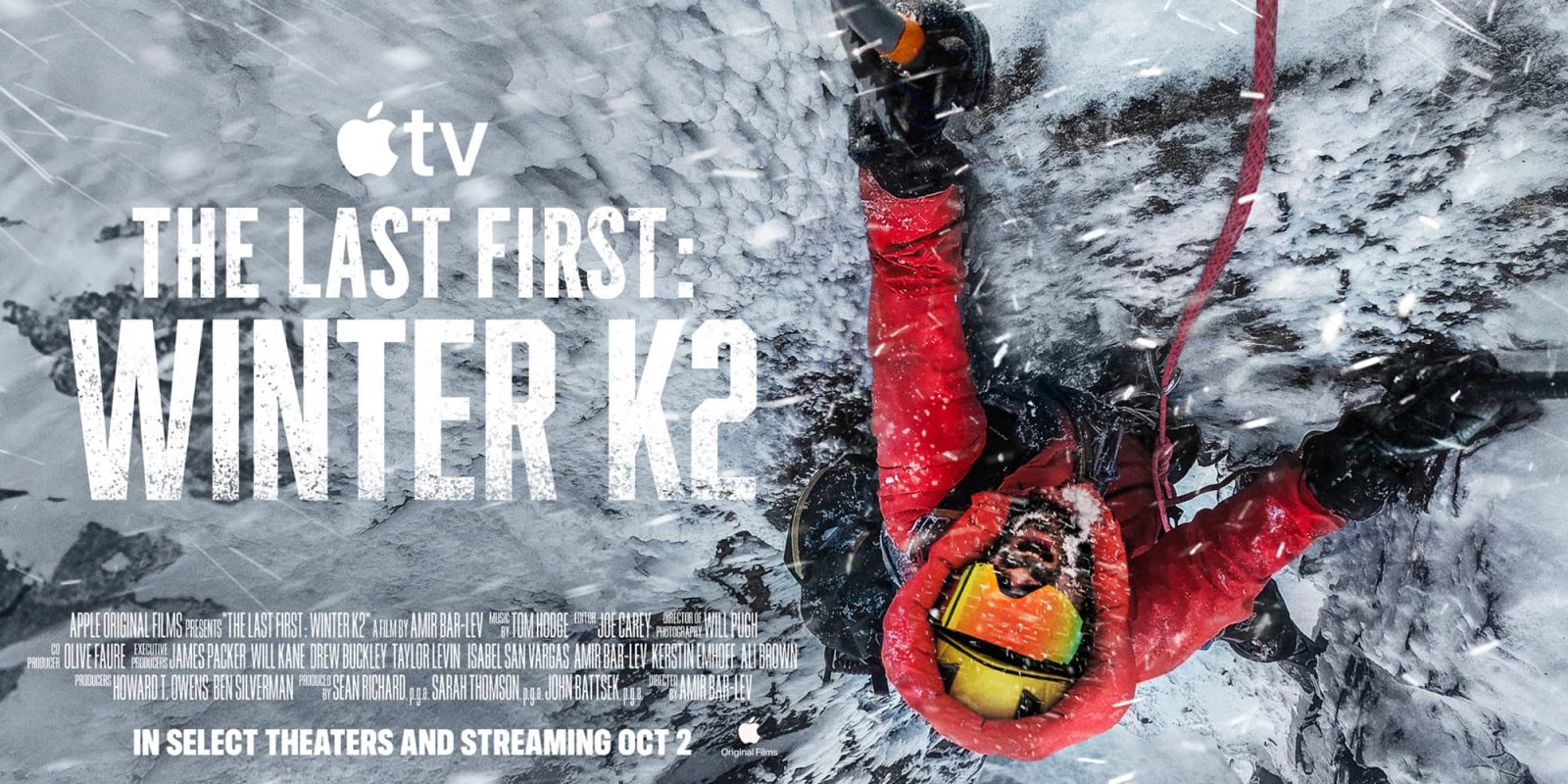
Enter The Last First: Winter K2, an extreme mountain climbing documentary that has officially made its streaming debut on Apple TV following a limited theatrical run. Directed by acclaimed filmmaker Amir Bar-Lev—best known for his incisive work on The Tillman Story and Long Strange Trip – The Untold Story of The Grateful Dead—the film arrives on the streaming platform carrying a pristine 100% Rotten Tomatoes Tomatometer score. Critics have universally lauded the project as a complex, harrowing, and deeply moving masterclass in non-fiction storytelling.
However, The Last First: Winter K2 is far more than a standard adrenaline-pumping survival film. Beneath its surface of frost-bitten fingers and perilous ridgelines lies an unflinching, sociological excavation of extreme mountain climbing’s modern culture. The documentary exposes a turbulent landscape where the ancient, quiet reverence of high-altitude mountaineering collides head-on with the loud, transactional worlds of social media influencers, commercialized client expeditions, and a shifting global power dynamic among the indigenous Sherpa and Pakistani high-altitude workers who have historically enabled Western glory.
Detailed Chronology: The 2021 Expedition and the Shadow of K2
To understand the weight of Bar-Lev’s documentary, one must look back at the winter season of 2020–2021, a watershed moment in mountaineering history. For years, the peak of K2 during winter had repelled every single team that dared challenge it. It was widely considered the last great remaining prize in high-altitude mountaineering.
The narrative spine of The Last First: Winter K2 focuses on a poignant, high-stakes convergence of climbers on the glacier in late 2020 and early 2021. At the heart of the expedition is veteran Icelandic mountaineer John Snorri Sigurjónsson, alongside the formidable Pakistani father-son duo of Ali Sadpara and Sajid Sadpara. This trio shared a unified, purist vision: to be the very first humans to successfully summit K2 in the dead of winter without relying on heavy commercial infrastructure, seeking instead to honor the mountain on its own brutally harsh terms.
Yet, as Bar-Lev’s cameras capture, the mountain was far from a quiet sanctuary. The 2021 season saw an unprecedented influx of climbers, transforming the base camp into a bustling, chaotic microcosm of modern society. Snorri, Ali, and Sajid soon found themselves sharing the treacherous, narrow ascent routes with an eclectic, often jarring mix of commercial expedition clients paying top-dollar for guided support, content-hungry social media influencers chasing viral fame, and independent film crews documenting every stumble.
Crucially, the documentary highlights a monumental shift happening concurrently: a proud, highly skilled Nepalese team was also on the mountain, no longer content to quietly play the role of anonymous support staff helping Westerners achieve personal milestones. Their ambition was clear, collaborative, and historic—ultimately culminating in a coordinated Nepalese summit that stunned the mountaineering world, even as tragedy loomed over the broader expedition.
As the teams pushed higher, past the treacherous House Chimney and up toward the infamous Bottleneck—a perilous gully overhung by house-sized blocks of blue ice—the documentary captures the mounting psychological and physical toll. Weather windows narrowed, tempers flared, and the thin air of the death zone magnified every ethical dilemma. The line between raw human achievement and industrialized spectacle blurred beyond recognition, setting the stage for the harrowing events that unfolded in the upper reaches of the mountain.
Supporting Context & Metrics: Critical Acclaim and Cultural Resonance
The critical reception of The Last First: Winter K2 has been nothing short of extraordinary. Securing a 100% approval rating on Rotten Tomatoes is a rare feat for any feature-length documentary, placing Bar-Lev’s latest work in an elite tier of cinematic achievement. Reviewers from major cultural and trade publications have praised the film not merely for its breathtaking, stomach-churning footage captured at extreme altitudes, but for its intellectual depth.
Key Production and Reception Metrics:
Platform Distribution: Apple TV (Global streaming debut following select theatrical screenings).
Director: Amir Bar-Lev (The Tillman Story, Long Strange Trip).
Rotten Tomatoes Score: 100% Tomatometer.
Core Subjects: John Snorri Sigurjónsson, Ali Sadpara, Sajid Sadpara.
Primary Themes: Extreme survival, the commercialization of nature, socio-economic divides in mountaineering, and shifting post-colonial dynamics in the Himalayas and Karakoram.
Critics have noted that Bar-Lev successfully avoids the tropes of standard adventure sports documentaries. Rather than relying solely on sweeping drone shots and a pounding musical score to manufacture suspense, the director turns his lens inward. The film investigates the economics of suffering. Who gets to climb? Who funds these expeditions? And at what human cost do corporate sponsors, content algorithms, and vanity projects put indigenous mountain workers in harm’s way?
By contrasting the quiet determination of mountaineers like the Sadpara family—who viewed the mountain through a lens of local heritage and profound respect—with the frantic, smartphone-wielding urgency of modern influencers, The Last First: Winter K2 acts as an anthropological mirror. It asks audiences to consider whether the natural world can maintain its sacred majesty in an era where every square inch must be monetized, filmed, and broadcasted in real-time.
Official Statements and Industry Insights
In promotional materials and official press releases distributed ahead of its streaming release, Apple TV framed the documentary as a multi-layered exploration of human resilience under the most extreme conditions imaginable:
"Focusing on a 2021 expedition, this documentary follows Icelander John Snorri Sigurjónsson and the Pakistani father-son team of Ali and Sajid Sadpara, a party of mountaineers who set out to be the first to summit K2 in the winter, when the mountain’s conditions are the cruelest," Apple TV shares in its official synopsis.
"The men soon find themselves sharing the treacherous ascent with influencer climbers and their film crews, commercial expedition clients and a Nepalese team no longer content to help Westerners achieve mountaineering glory. ‘The Last First: Winter K2’ takes us to the icy heights and unpredictable weather of K2 and reveals a surprising and layered story — one of strategy and determination, class and caste, money and power — all under life-and-death circumstances."
Director Amir Bar-Lev has noted in interviews that the project evolved organically as he began to unspool the footage and interviews captured during the 2021 season. What initially presented itself as a straightforward race-against-time adventure narrative quickly revealed deeper systemic questions about global inequality. The mountain became a metaphor for the modern world: crowded, deeply stratified, and driven by opposing forces of pure passion and commercial exploitation.
Industry insiders have also pointed out that The Last First: Winter K2 arrives at a pivotal moment for Apple TV’s non-fiction slate. Apple has increasingly invested in high-prestige, cinematic documentaries that pair elite artistic talent with gripping real-world subject matter, solidifying its reputation as a home for high-end, critically acclaimed storytelling alongside its powerhouse fictional lineup like Ted Lasso, Severance, Silo, and The Morning Show.
Future Outlook: A New Era for Mountain Cinema
As The Last First: Winter K2 streams to millions of homes worldwide, its cultural impact is already being felt within the global mountaineering community. The documentary is sparking intense debates across forums, climbing clubs, and academic circles regarding the future ethics of high-altitude expeditions.
With commercial outfits increasingly advertising guided climbs up eight-thousanders to wealthy amateurs—often supported by underpaid and underequipped local porters—films like Bar-Lev’s serve as a necessary, sobering corrective. They force viewers to look past the sanitized highlight reels posted on social media and confront the structural realities of modern adventure tourism.
For Apple TV subscribers, The Last First: Winter K2 offers an unforgettable, visceral journey that challenges the intellect as much as it accelerates the pulse. Whether viewed as an edge-of-your-seat survival thriller or a sharp sociological critique of modern ambition, the documentary stands as a landmark cinematic achievement of 2026—proving once and for all that the most terrifying heights are not just physical, but ethical.
“The Last First: Winter K2” is available to stream now on Apple TV, accessible for $14.99 per month or via the comprehensive Apple One subscription bundle.